Leaf
Krzysztof Golik, WIkimedia · CC BY-SA 2.0
English oak
Quercus robur L.
Also known as: Pedunculate oak, Common oak, European oak
Family: Fagaceae
25 to 35 m tall, sometimes more
Lowland forests, deep, moist soils
Flowering: April – May
Part shade
Full sun
-28°C
❓ How do you recognise this plant?
The peduncle carries the acorns, unlike in the sessile oak. Pedunculate oak bears its acorns on a long peduncle but has leaves almost without petiole; in sessile oak it is the reverse — the acorns sit directly on the twig, without a peduncle, while the leaves have a real petiole.
🍃 Leaves
Rounded lobes, auricled base, almost without petiole
🌸 Flowers
Inconspicuous catkins
🍎 Fruits
Acorns borne on a long peduncle
🪵 Bark
Grey, thick, deeply fissured with age
🗺️ Distribution
Europe, as far as the Caucasus; one of the most common oaks in France, in lowlands and on deep soils
🐝 Value for pollinators
Male catkins producing abundant pollen in spring, foliage hosting very many caterpillar species
✂️ Horticultural uses
Planted as a specimen in large parks, in avenues or in forests for its quality timber
⚠️ Possible toxicity
Acorns rich in tannins, toxic to many domestic animals (horses, cattle) in large quantity; harmless on contact. Do not present the acorn as a safe food without suitable preparation.
⚠️ Look-alike species
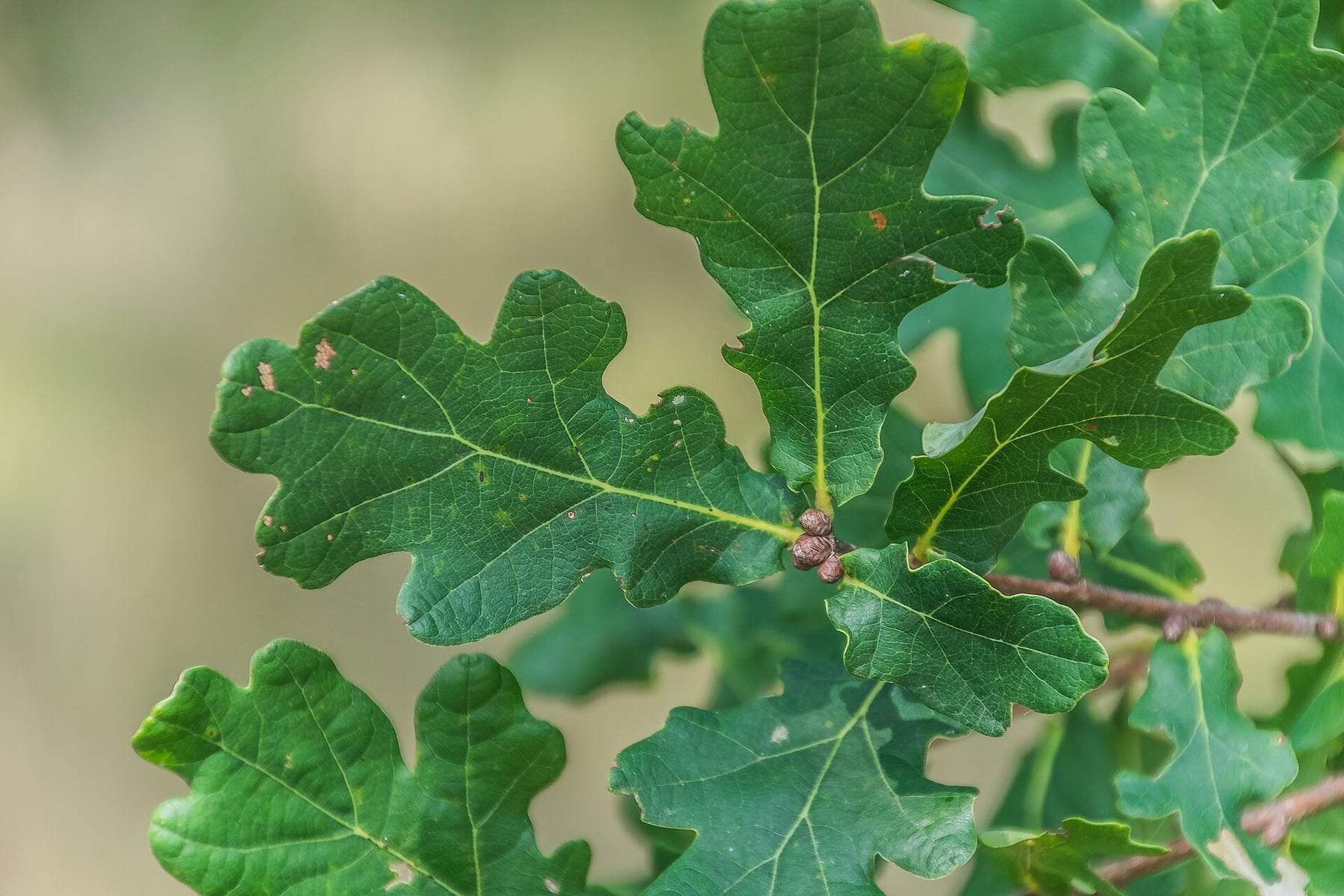
English oak
Quercus robur
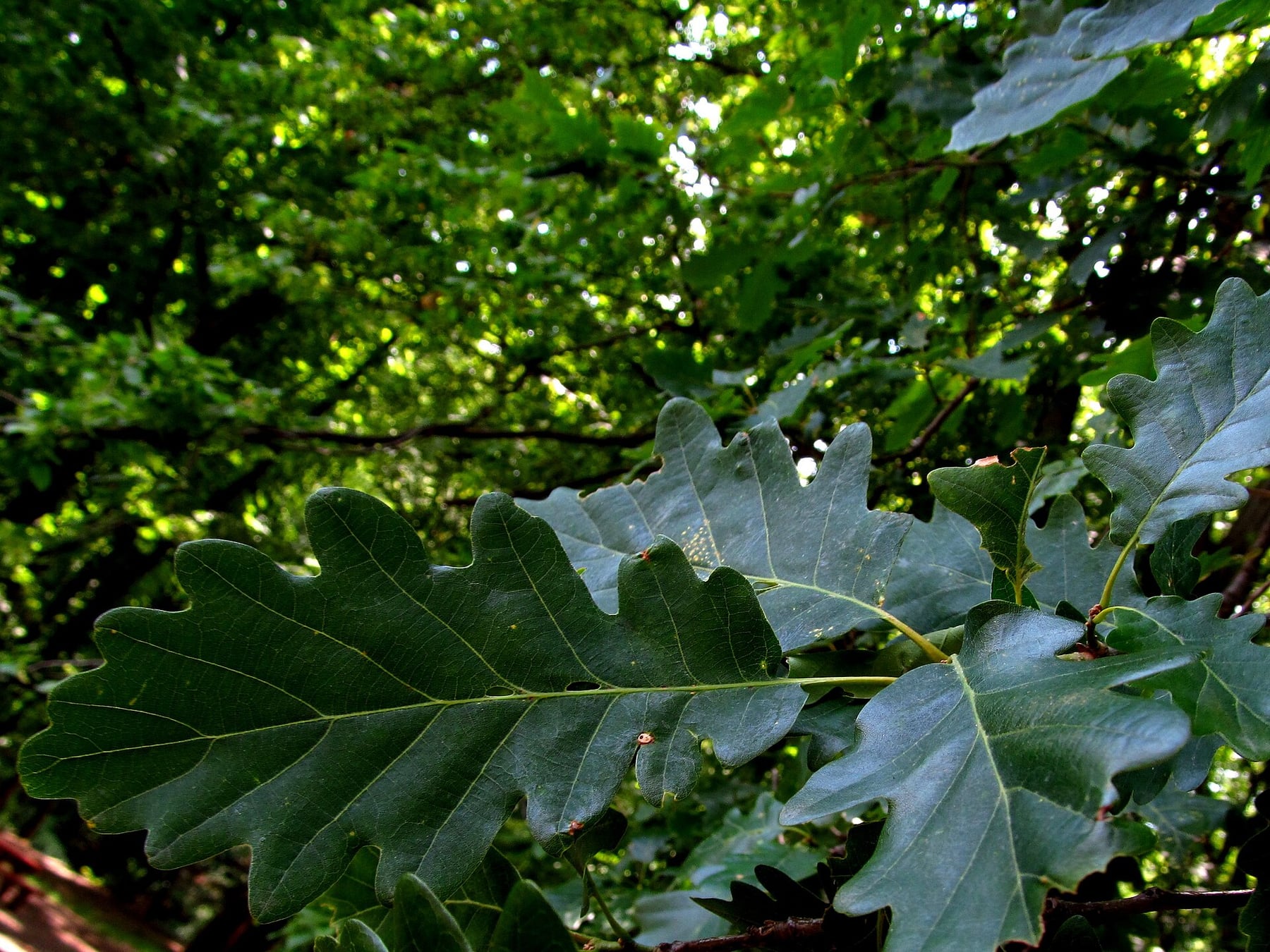
Sessile oak
Quercus petraea
Pedunculate oak bears its acorns on a long peduncle but has leaves almost without petiole; in sessile oak it is the reverse — the acorns sit directly on the twig, without a peduncle, while the leaves have a real petiole.
🌿 Other Fagaceae to discover
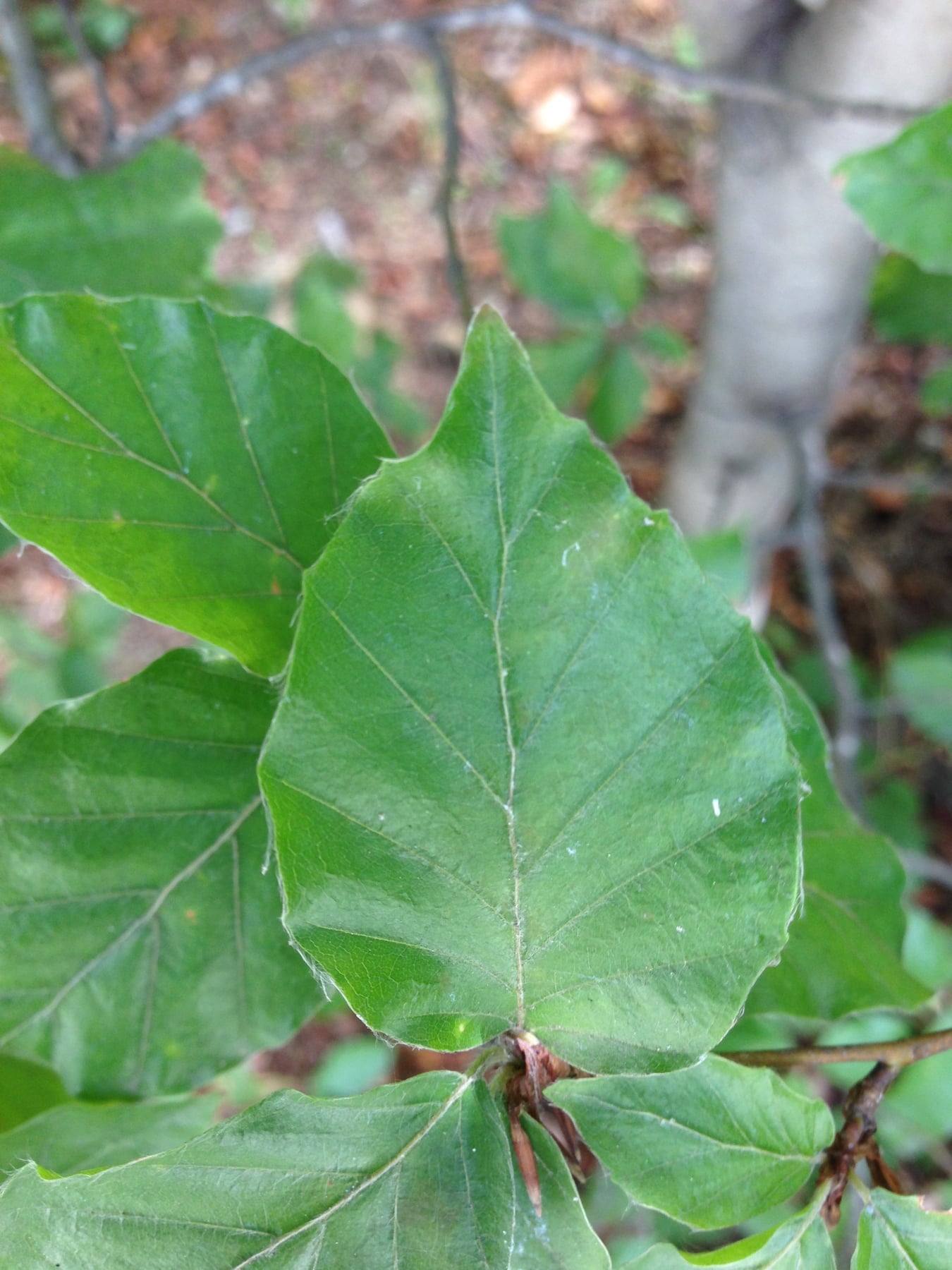
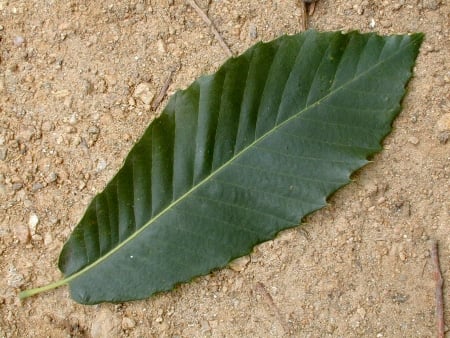
ℹ️ Educational profile — do not use it to judge whether a plant is edible or safe.
🌱 This database is constantly evolving — species and information are added and corrected regularly. Spotted a mistake? Report it below.
© Floraneo — profile content is protected; reproduction without permission is prohibited. Photos remain under their own licence (see the credit shown on each photo).