Leaf
Annick Larbouillat, Tela Botanica · CC BY-SA 2.0
Sweet chestnut
Castanea sativa Mill.
Also known as: Spanish chestnut, European chestnut
Family: Fagaceae
20 to 30 m tall
Forests on acid soil, often in the Cévennes and Corsica
Flowering: June – July
Full sun
Part shade
-25°C
❓ How do you recognise this plant?
Burr bristling with long spines — very different from the smooth cup of the oak acorn. Sweet chestnut: burr very densely covered with long, fine spines and several fruits per burr. Horse chestnut: capsule with more widely spaced, shorter spines, generally a single large conker per capsule. The two fruits must not be confused.
🍃 Leaves
Long, saw-toothed, with prominent parallel veins
🌸 Flowers
Long upright or spreading male catkins, yellowish to cream, very conspicuous in early summer; inconspicuous female flowers at their base.
🍎 Fruits
Glossy brown chestnuts, several per spiny burr
🪵 Bark
Grey, fissured in long, often spiralling ridges
🗺️ Distribution
Mediterranean rim and southern Europe; very common in France, notably in the Cévennes, Corsica and the Limousin
🐝 Value for pollinators
Summer flowering in long catkins rich in nectar, a major nectar source for bees in June–July
✂️ Horticultural uses
Grown in orchards for its fruits (chestnuts) and managed in forestry for its durable timber
⚠️ Possible toxicity
No known toxicity; spiny burrs can injure on contact
⚠️ Look-alike species
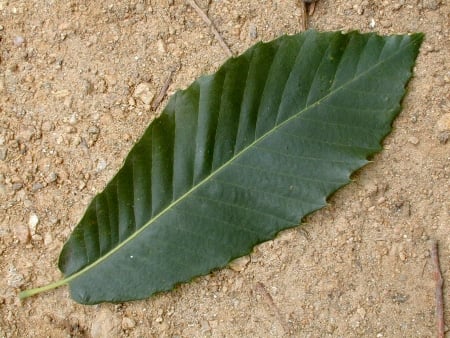
Sweet chestnut
Castanea sativa
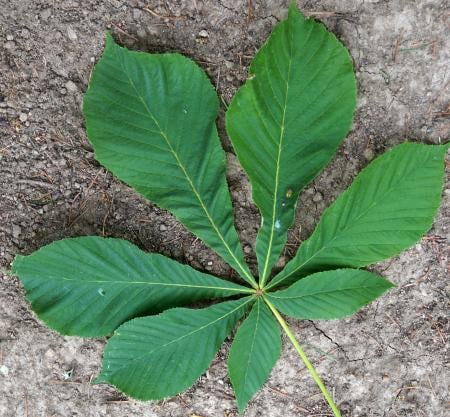
Horse chestnut
Aesculus hippocastanum
Sweet chestnut: burr very densely covered with long, fine spines and several fruits per burr. Horse chestnut: capsule with more widely spaced, shorter spines, generally a single large conker per capsule. The two fruits must not be confused.
🌿 Other Fagaceae to discover
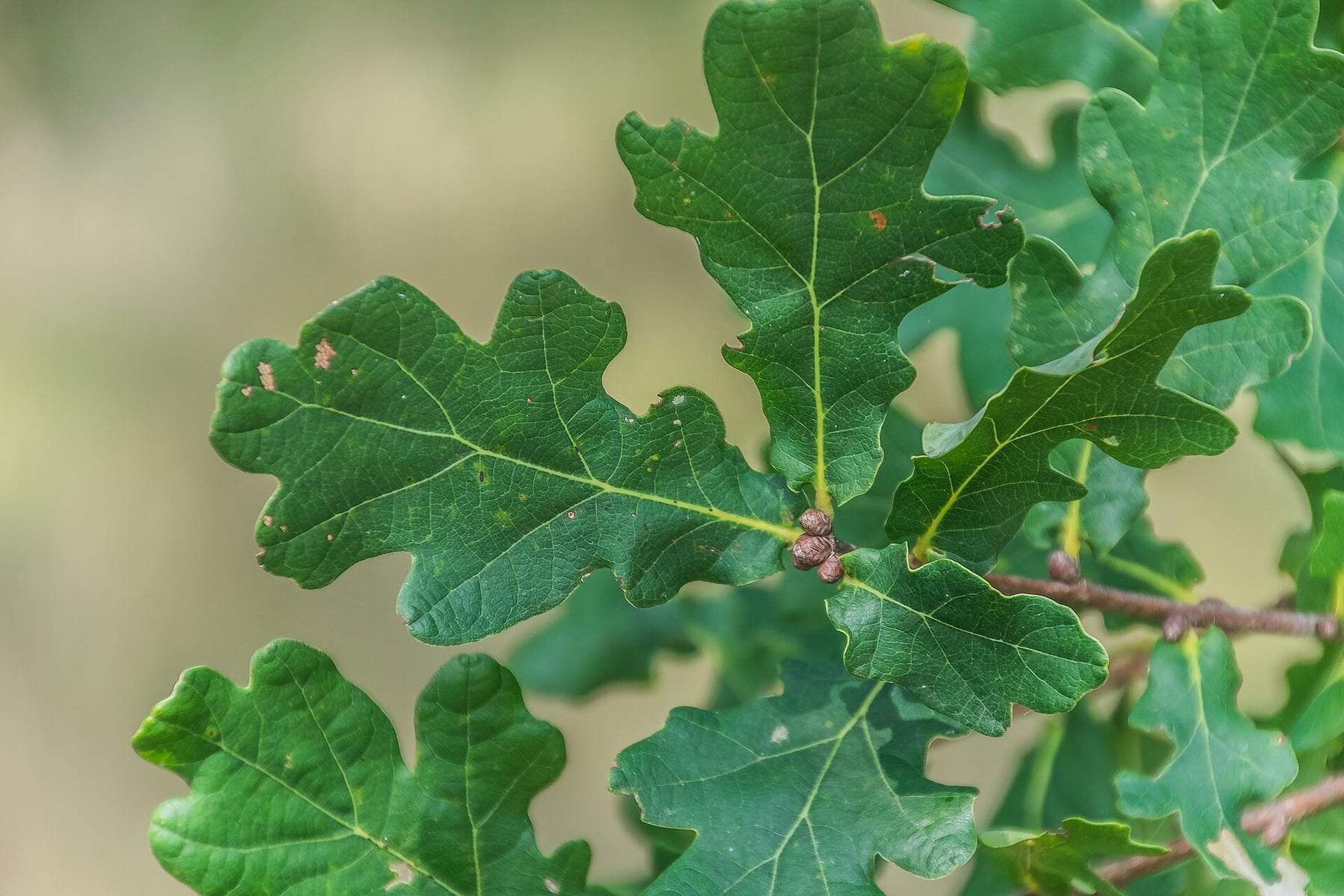
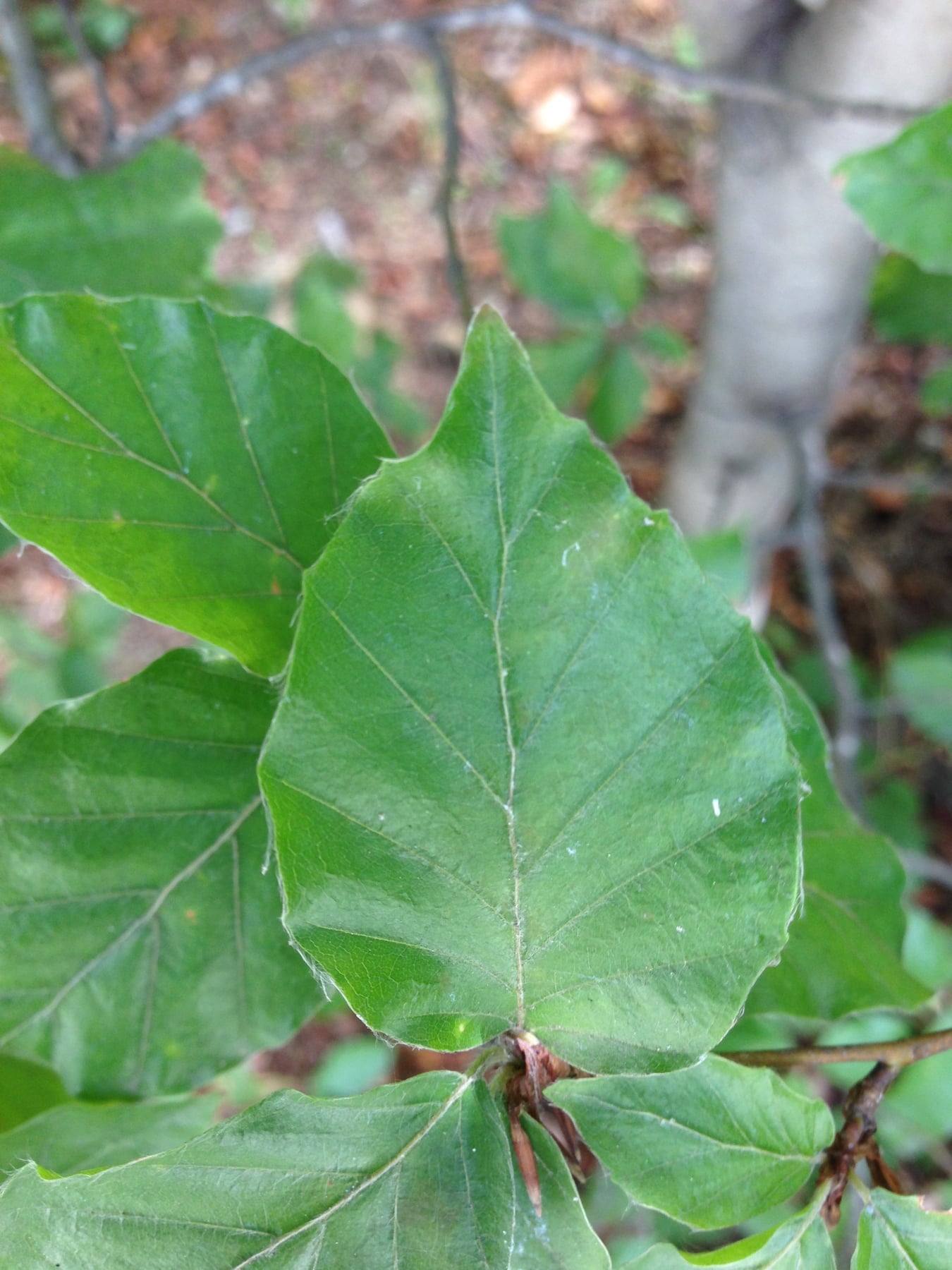
ℹ️ Educational profile — do not use it to judge whether a plant is edible or safe.
🌱 This database is constantly evolving — species and information are added and corrected regularly. Spotted a mistake? Report it below.
© Floraneo — profile content is protected; reproduction without permission is prohibited. Photos remain under their own licence (see the credit shown on each photo).