Leaf
Pierre Bonnet, Tela Botanica · CC BY-SA 2.0
European beech
Fagus sylvatica L.
Also known as: Common beech, Beech
Family: Fagaceae
25 to 35 m tall, sometimes more
Lowland and mid-mountain forests
Flowering: April – May
Part shade
Full sun
-25°C
❓ How do you recognise this plant?
Bark smooth throughout its life — one of the most reliable features for identifying it in winter. Beech has leaves with an entire margin, fringed with fine silky hairs clearly visible against the light, and perfectly smooth grey bark; hornbeam has distinctly toothed leaves with a double serration, without hairs on the margin, and grey fluted bark, as if striped in relief.
🍃 Leaves
Oval, slightly wavy margin, silky fringe of hairs on the margin when young
🌸 Flowers
Pendent male catkins, inconspicuous female flowers
🍎 Fruits
Beechnuts, triangular achenes in a spiny cupule
🪵 Bark
Grey, smooth, remaining smooth even on old trees
🗺️ Distribution
Temperate Europe; very common in France, notably in lowland and mid-mountain forest
🐝 Value for pollinators
Catkins producing pollen in spring, not very attractive to foraging insects
✂️ Horticultural uses
Much used in clipped hedges (marcescent foliage) and in forestry for its quality timber
⚠️ Possible toxicity
No known toxicity; beechnuts edible in small quantities, mildly toxic raw in large quantities
🌱 Known cultivars
Purpurea (copper beech)
The well-known "copper beech": dark red-purple foliage all season, planted as a specimen in countless parks and gardens.
Pendula (weeping beech)
Long branches weeping down to the ground, forming a true shady "hut"; a silhouette instantly recognisable in large parks.
Dawyck
Strictly columnar habit, almost as narrow as a Lombardy poplar, unlike the broadly spreading type beech; much used for avenues and small spaces.
⚠️ Look-alike species
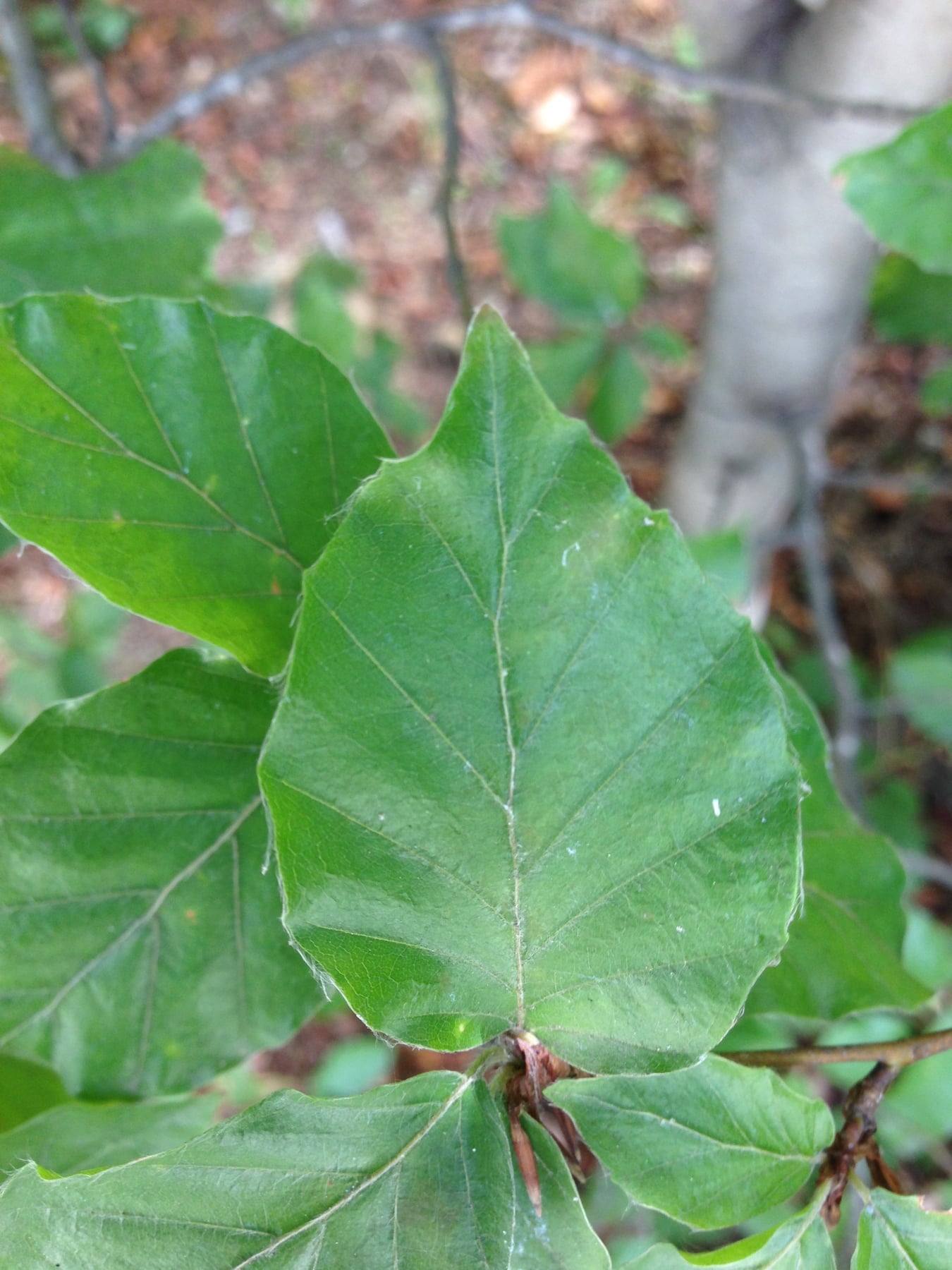
European beech
Fagus sylvatica
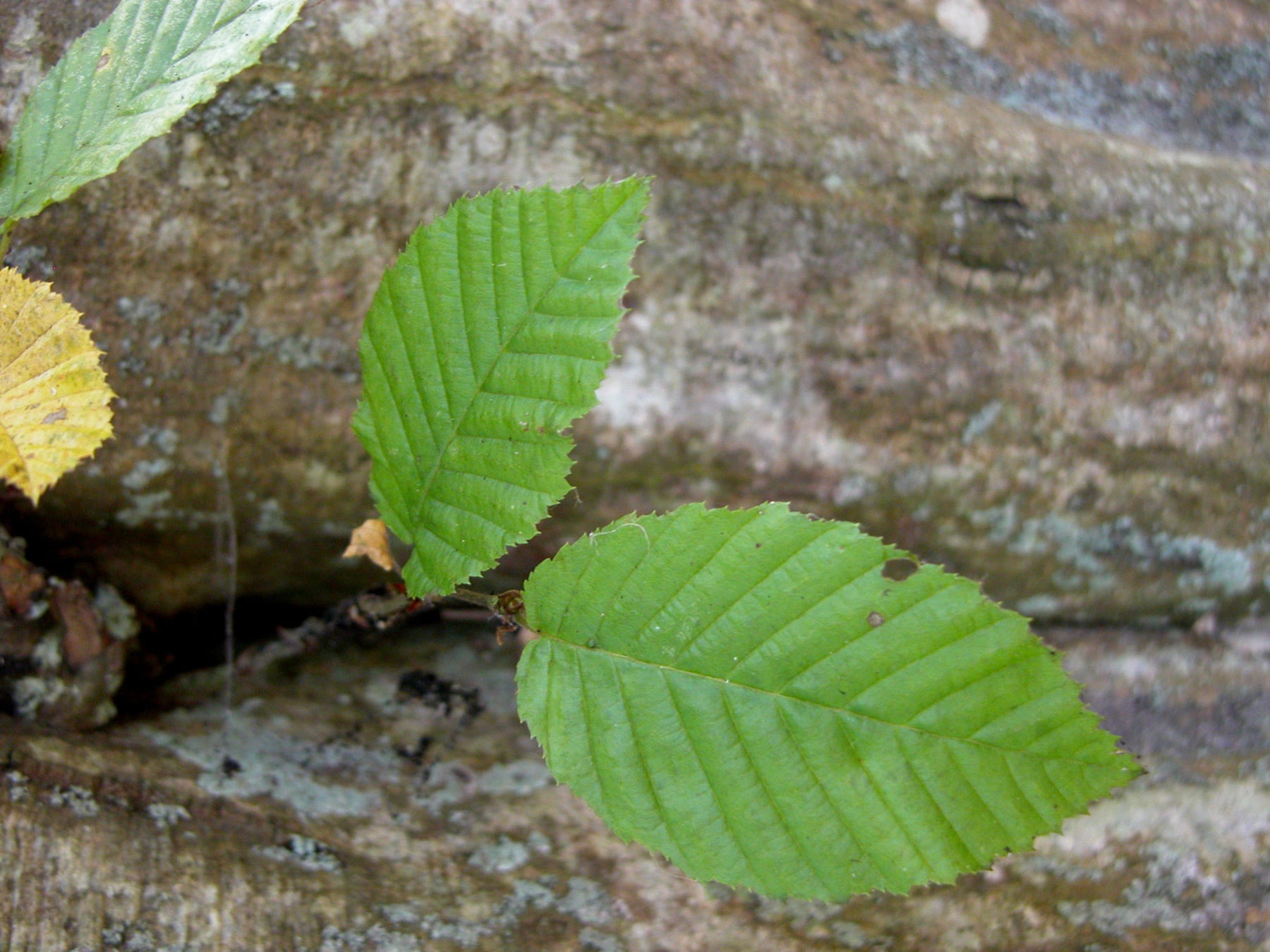
Common hornbeam
Carpinus betulus
Beech has leaves with an entire margin, fringed with fine silky hairs clearly visible against the light, and perfectly smooth grey bark; hornbeam has distinctly toothed leaves with a double serration, without hairs on the margin, and grey fluted bark, as if striped in relief.
🌿 Other Fagaceae to discover
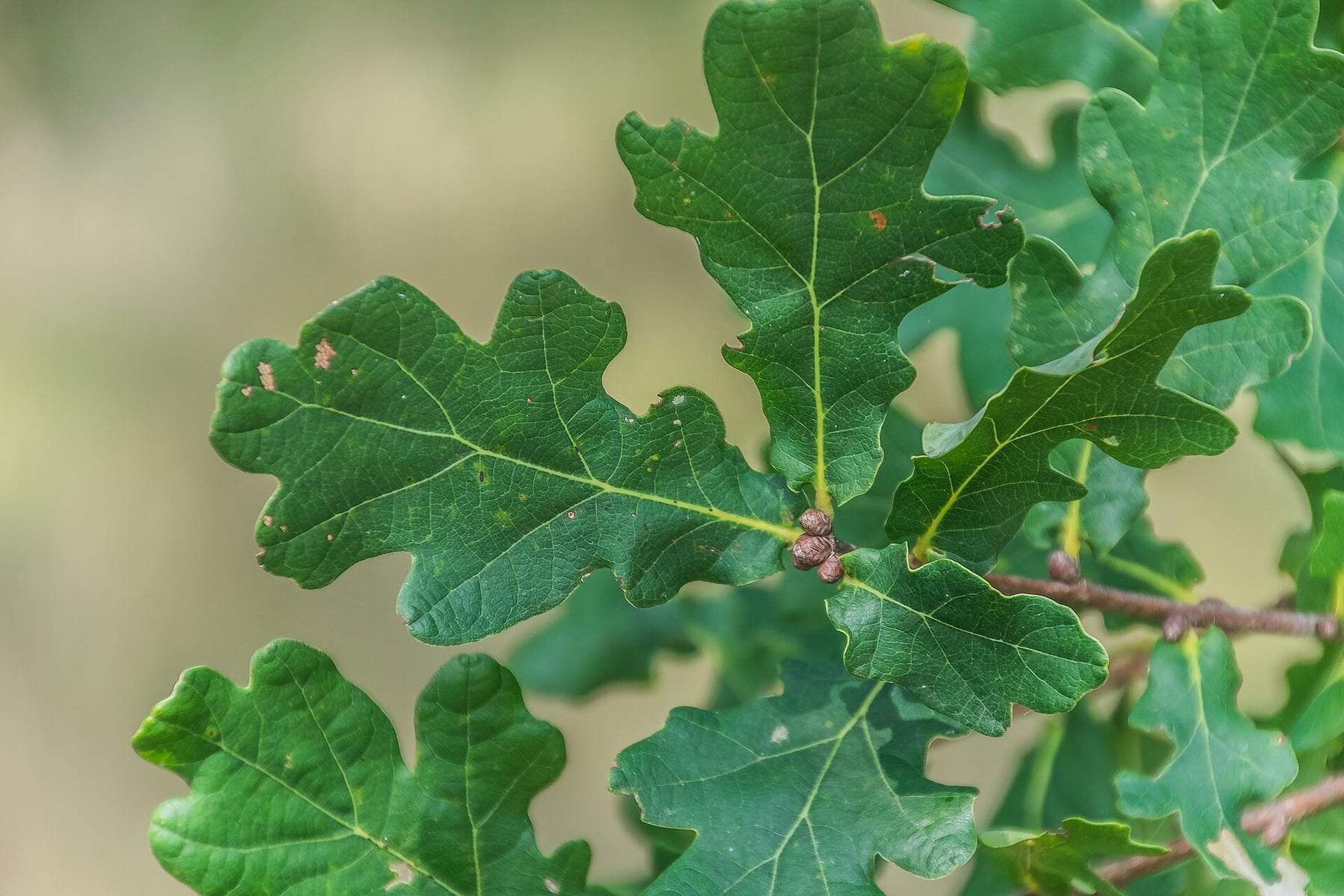
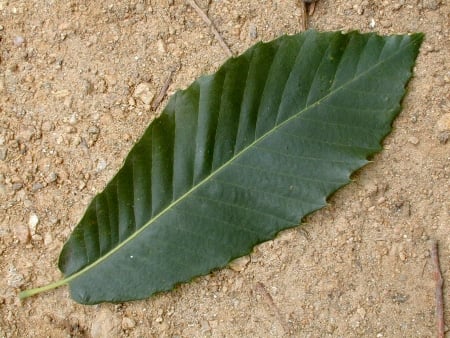
ℹ️ Educational profile — do not use it to judge whether a plant is edible or safe.
🌱 This database is constantly evolving — species and information are added and corrected regularly. Spotted a mistake? Report it below.
© Floraneo — profile content is protected; reproduction without permission is prohibited. Photos remain under their own licence (see the credit shown on each photo).