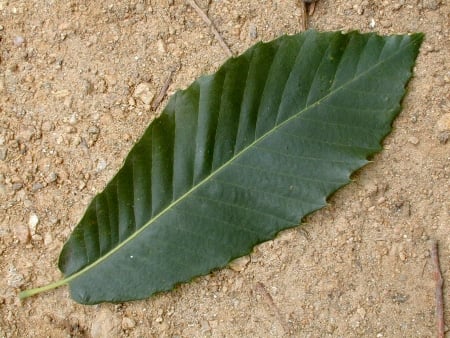
Leaf
Pierre Bonnet, Tela Botanica · CC BY-SA 2.0
Cork oak
Quercus suber L.
Family: Fagaceae
10 to 20 m tall
Mediterranean forests and maquis, siliceous soils
Flowering: April – May
Full sun
Not very hardy, frost-sensitive below about -10°C
❓ How do you recognise this plant?
The cork oak is one of the only trees whose entire bark can be harvested without killing it — it grows back in 9 to 12 years, allowing a sustainable cork harvest throughout its life, which can exceed 200 years. Both are Mediterranean oaks with leathery evergreen leaves, but the cork oak has thick, fissured, corky bark, whereas that of the holm oak stays smooth and grey.
🍃 Leaves
Evergreen, leathery, ovate to oblong, dark green above and greyish white beneath; young leaves can be more toothed or spiny.
🌸 Flowers
Yellowish hanging male catkins; tiny, inconspicuous female flowers
🍎 Fruits
Elongated acorn, with a cup covered in soft, downy scales
🪵 Bark
Very thick, spongy, deeply fissured bark on trees managed for cork. Cork harvesting removes the outer layer without felling the tree when done correctly.
🗺️ Distribution
Mediterranean rim, notably Provence, Corsica and the Pyrénées-Orientales
🐝 Value for pollinators
Wind-pollinated, little direct value for pollinators
✂️ Horticultural uses
Managed for its bark (cork), also planted as an ornamental tree in Mediterranean climates
⚠️ Possible toxicity
No known toxicity; acorns rich in tannins, bitter but non-toxic
⚠️ Look-alike species
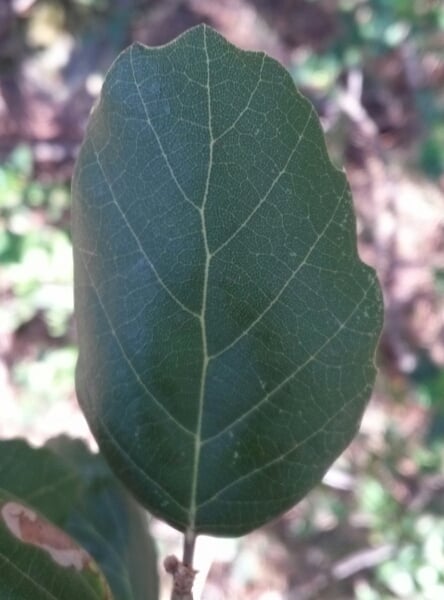
Cork oak
Quercus suber
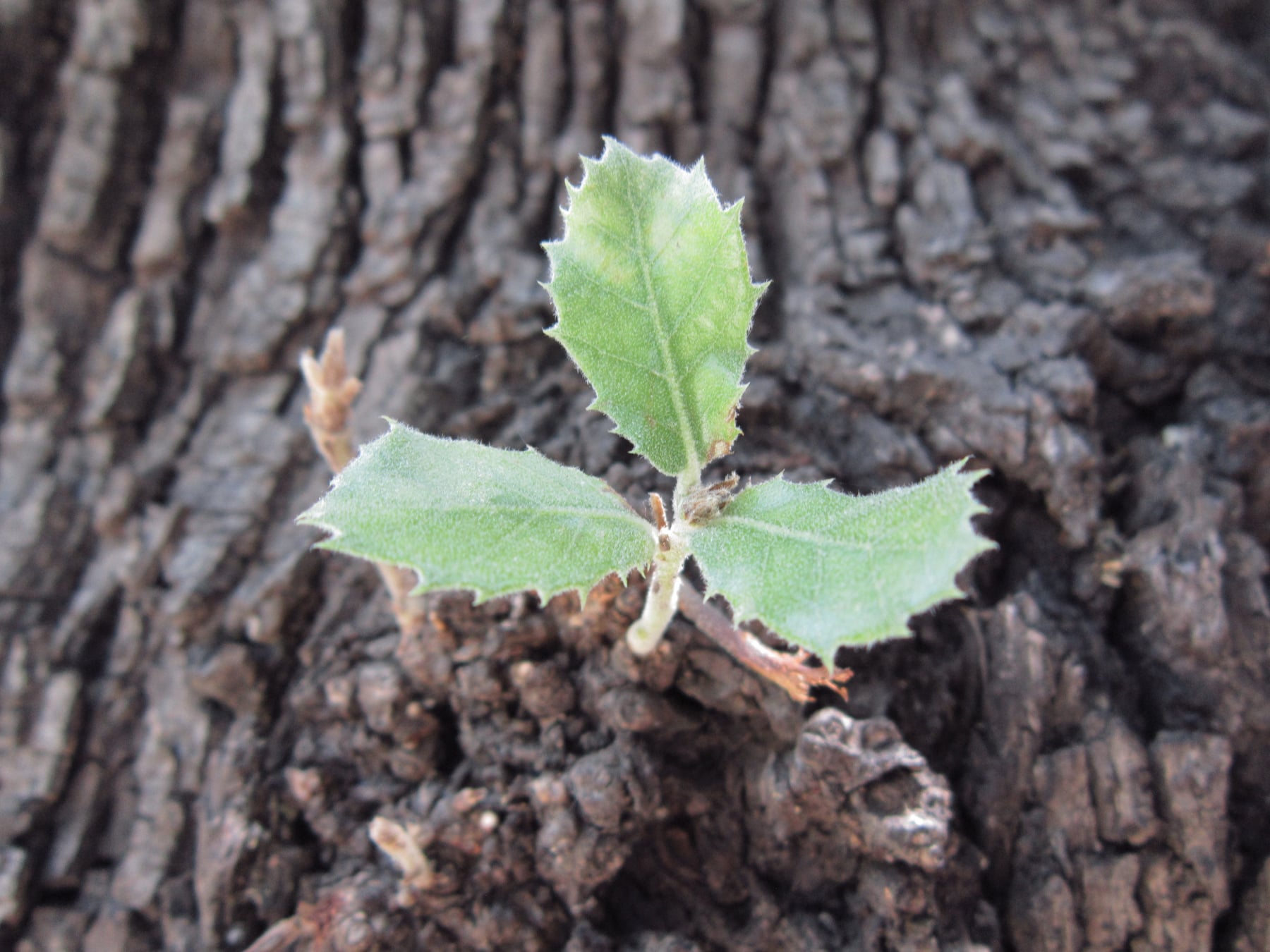
Holm oak
Quercus ilex
Both are Mediterranean oaks with leathery evergreen leaves, but the cork oak has thick, fissured, corky bark, whereas that of the holm oak stays smooth and grey.
🌿 Other Fagaceae to discover
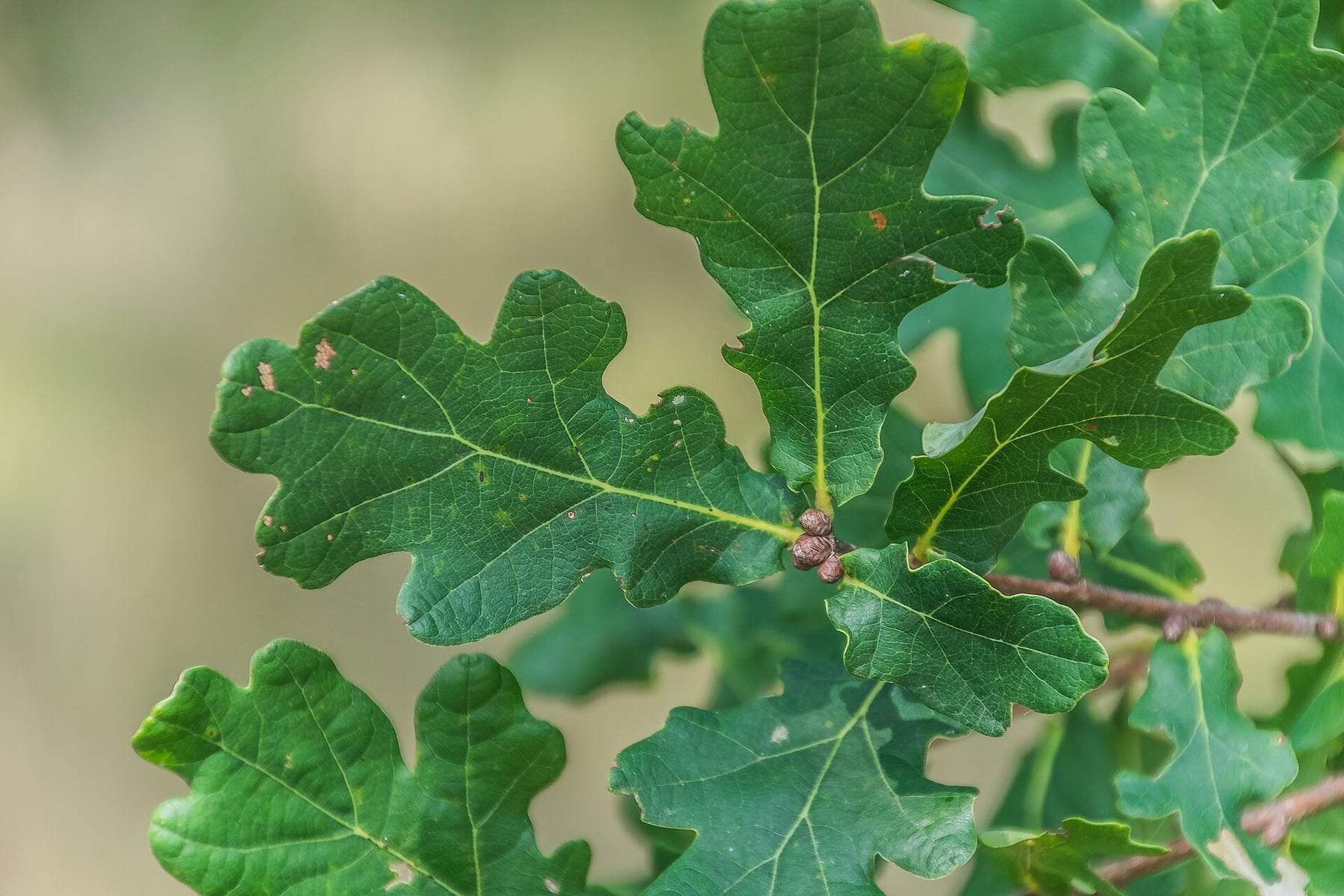
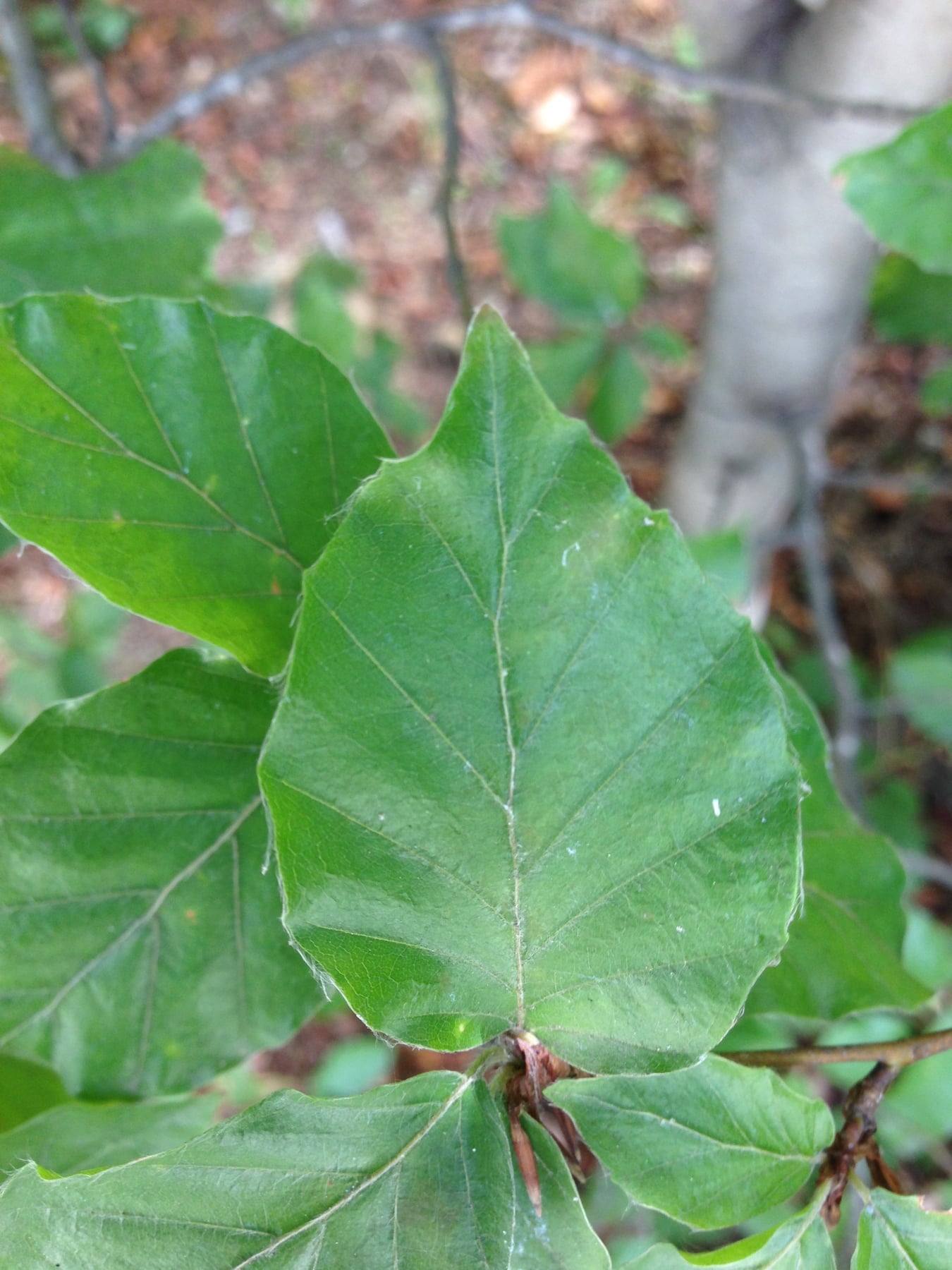
ℹ️ Educational profile — do not use it to judge whether a plant is edible or safe.
🌱 This database is constantly evolving — species and information are added and corrected regularly. Spotted a mistake? Report it below.
© Floraneo — profile content is protected; reproduction without permission is prohibited. Photos remain under their own licence (see the credit shown on each photo).