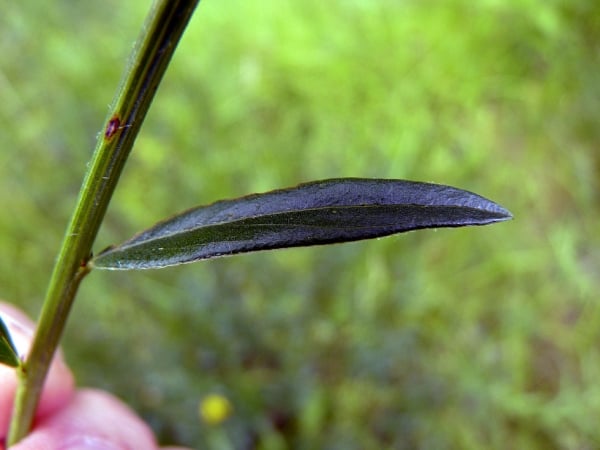
Leaf
Emmanuel Stratmains, Tela Botanica · CC BY-SA 2.0

Dyer's greenweed

Genista tinctoria L.
Also known as: Dyer's broom
Family: Fabaceae
0.3 to 1 m tall
Banks, dry grassland, gardens, poor soils
Flowering: June – August
Full sun
Hardy to -20°C

❓ How do you recognise this plant?

Long used to dye wool and linen yellow, hence its name. Scorpion broom has spiny stems and a low, cushion-forming habit, whereas dyer's greenweed has flexible, spineless stems and a more upright habit.
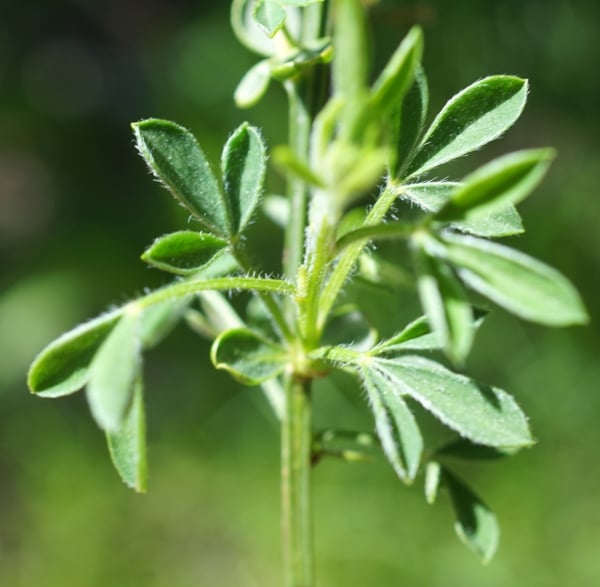
🍃 Leaves
Deciduous, small, lanceolate, bright green
🌸 Flowers
Small bright yellow flowers in upright racemes, butterfly-shaped
🍎 Fruits
Small flat brown pods
🪵 Bark
Fine green-brown stems, unspined, low bushy habit
🗺️ Distribution
Europe; found in dry grassland and heathland throughout France.
🐝 Value for pollinators
Honey-rich yellow summer flowering, visited by wild and honey bees.
✂️ Horticultural uses
Formerly cultivated for yellow dyeing (hence its name), now planted on dry banks and in rock gardens.

⚠️ Possible toxicity

Seeds slightly toxic if eaten, as in other brooms.

⚠️ Look-alike species

Dyer's greenweed
Dyer's greenweed
Genista tinctoria
Scorpion broom
Scorpion broom
Genista scorpius

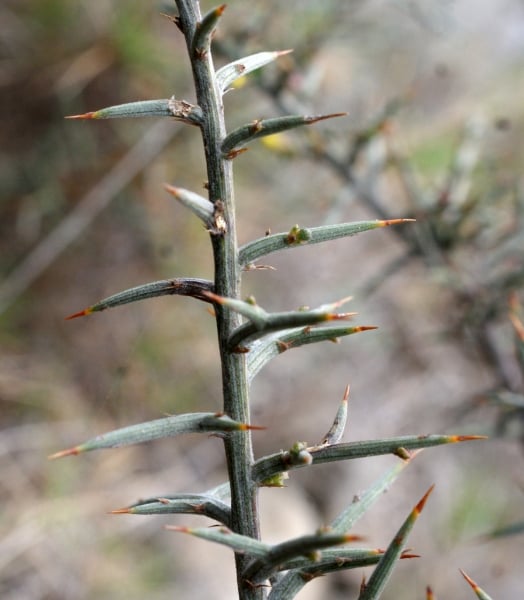
Scorpion broom has spiny stems and a low, cushion-forming habit, whereas dyer's greenweed has flexible, spineless stems and a more upright habit.

Dyer's greenweed
Dyer's greenweed
Genista tinctoria
Common broom
Common broom
Cytisus scoparius

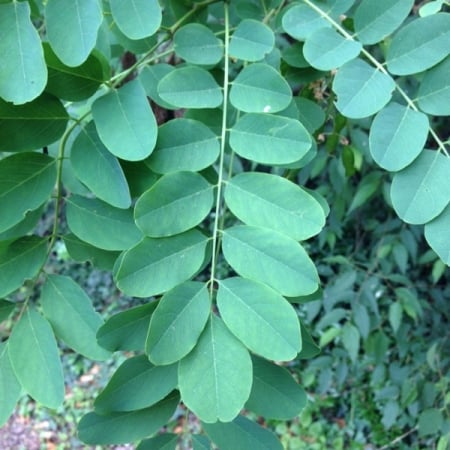
Dyer's greenweed is a low subshrub (rarely more than 1 m) with small lanceolate leaves clearly visible all summer, whereas common broom is taller (up to 2.5 m) and almost leafless, its angular green stems carrying out most of the photosynthesis.
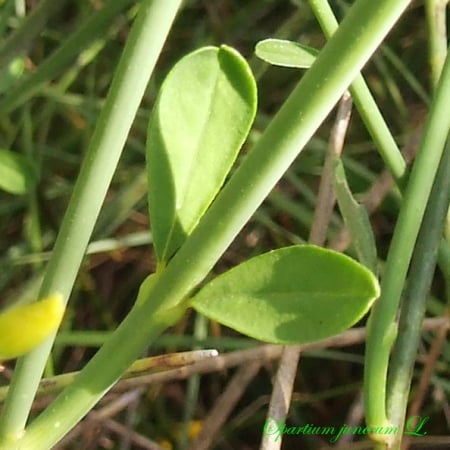
Dyer's greenweed
Dyer's greenweed
Genista tinctoria
Spanish broom
Spanish broom
Spartium junceum

Dyer's greenweed is a low subshrub (rarely more than 1 m) with small, clearly visible leaves, whereas Spanish broom is a large shrub (up to 3 m) almost leafless, with round, rush-like green stems and much larger, very fragrant flowers.

ℹ️ Educational profile — do not use it to judge whether a plant is edible or safe.

🌱 This database is constantly evolving — species and information are added and corrected regularly. Spotted a mistake? Report it below.

© Floraneo — profile content is protected; reproduction without permission is prohibited. Photos remain under their own licence (see the credit shown on each photo).