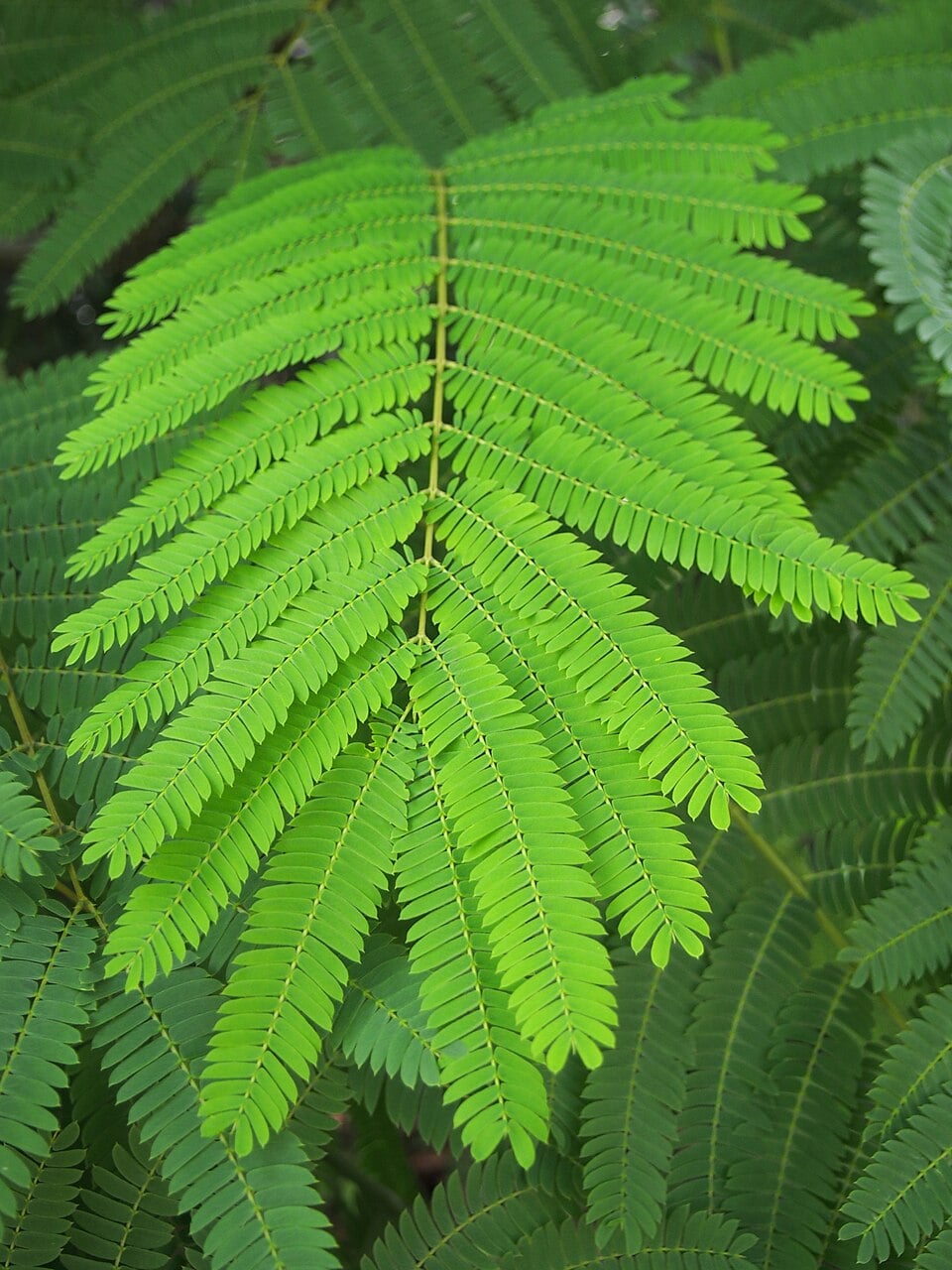
Leaf
Agnieszka Kwiecień, Nova, Wikimedia · CC BY-SA 4.0
- 5 to 10 m tall
- Planted as a specimen in gardens in southern France for its light shade and spectacular flowering
- Full sun
- Hardy to about -15°C at root level, the aerial parts may freeze north of the Loire
In flower from June to August
3 months❓ How do you recognise this plant?
Its compound leaves fold up every evening at sunset, a movement called nyctinasty.
Learn to recognise it
Exotic trees with striking foliage. This plant is in the lesson “Exotic trees with striking foliage”, with 7 others.


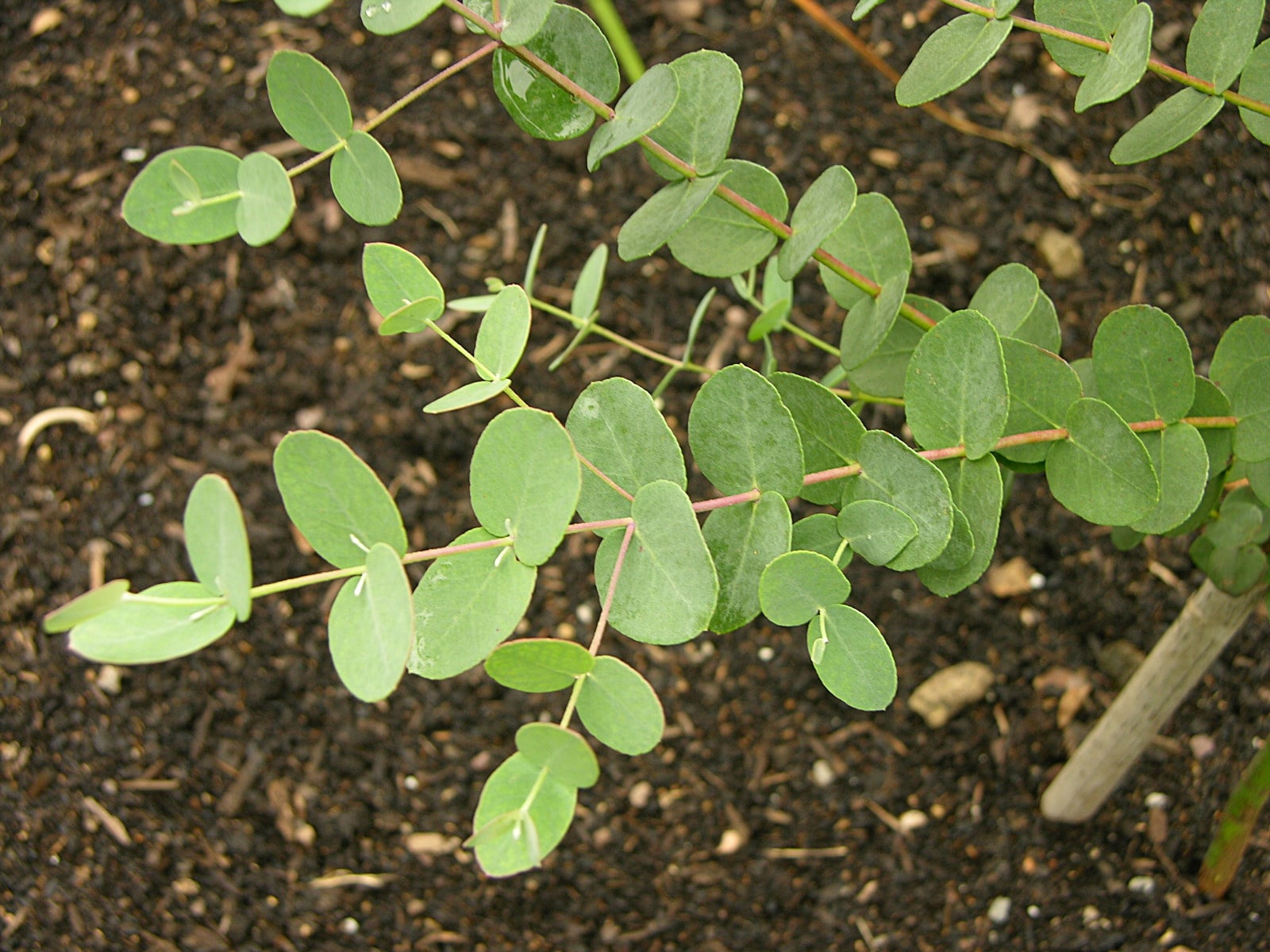

A free account is enough for this lesson.
🍃 Leaves
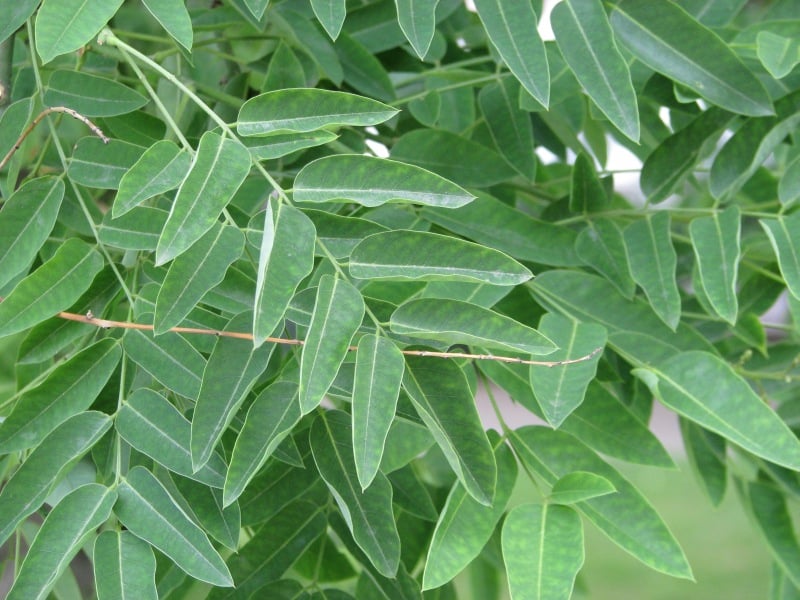
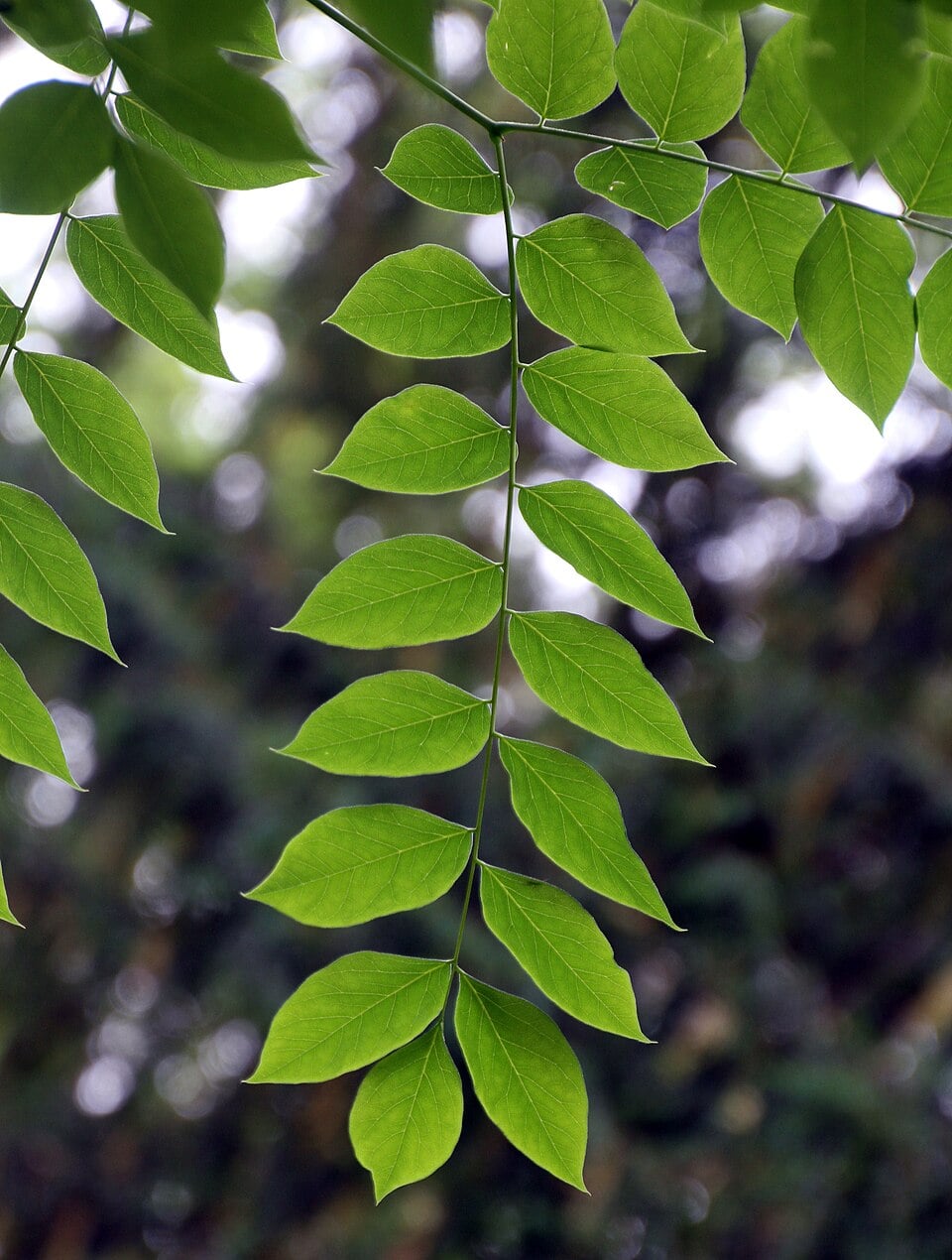
Deciduous, bipinnately compound, very finely divided, feathery look, folding at night
🌸 Flowers
Silky pink tufts with long, fine stamens, grouped in sprays at the ends of the twigs
🍎 Fruits
Flat light brown pods, persisting on the tree after the leaves have fallen
🪵 Bark
Smooth, grey-brown
Distribution, pollinators, uses
🗺️ Distribution
Native to Asia, from Iran to Japan, widely grown around the Mediterranean
🐝 Value for pollinators
Very nectar-rich flowers, appreciated by bees and butterflies
✂️ Horticultural uses
Planted for its spectacular summer flowering and light foliage giving dappled shade
⚠️ Possible toxicity
Seeds and pods mildly toxic if ingested
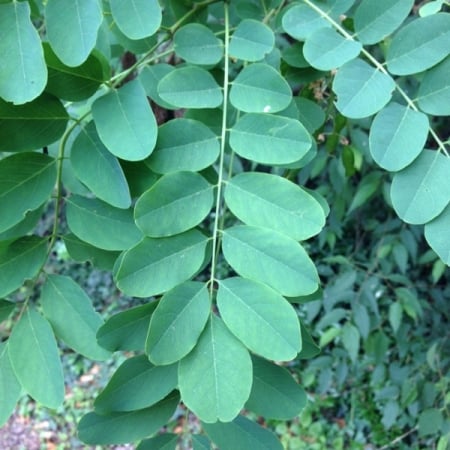
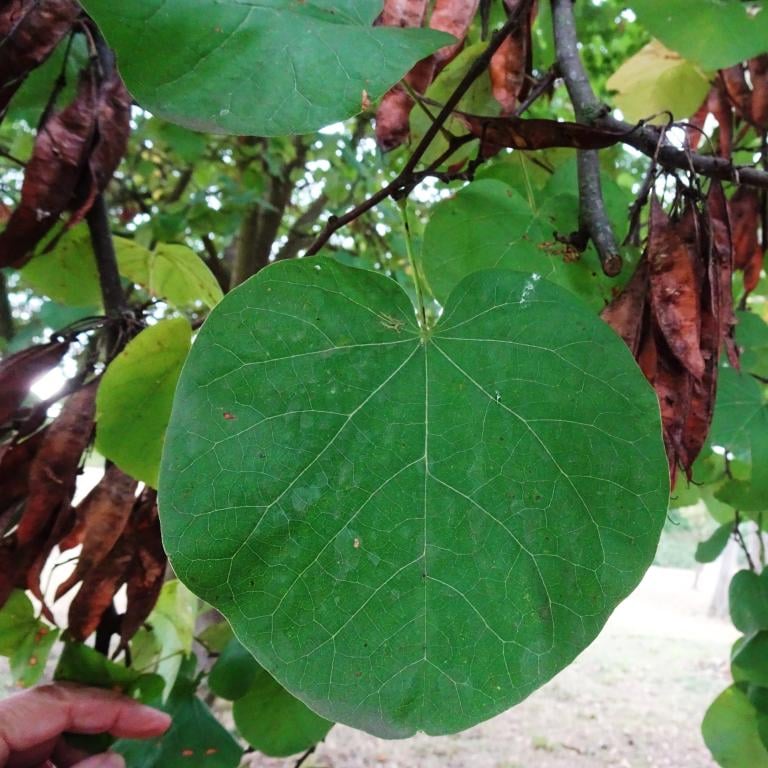
🌿 Other Fabaceae to discover
ℹ️ Educational profile — do not use it to judge whether a plant is edible or safe.
🌱 This database is constantly evolving — species and information are added and corrected regularly. Spotted a mistake? Report it below.
© Floraneo — profile content is protected; reproduction without permission is prohibited. Photos remain under their own licence (see the credit shown on each photo).