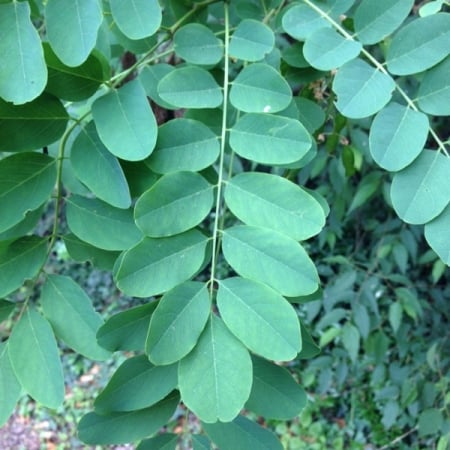
Leaf
Frank, Wikimedia · CC BY-SA 3.0
Japanese pagoda tree
Styphnolobium japonicum (L.) Schott
Also known as: Pagoda tree, Chinese scholar tree
Family: Fabaceae
15 to 25 m tall
Planted as a specimen in parks and along avenues for its broad habit and late flowering
Flowering: July – September
Full sun
Hardy to about -20°C
❓ How do you recognise this plant?
It is one of the few large trees to flower in midsummer, providing a late source of nectar when most other trees have finished flowering.
🍃 Leaves
Deciduous, imparipinnate compound, 7 to 17 dark green ovate leaflets
🌸 Flowers
Small cream-white pea-type flowers, in large drooping panicles at the ends of the twigs
🍎 Fruits
Green then brown pods, constricted between the seeds, forming a string of beads, persisting through winter
🪵 Bark
Grey, becoming fissured into a network of ridges with age
🗺️ Distribution
Native to China, introduced to Europe in the 18th century, widely planted as a street tree
🐝 Value for pollinators
Late summer flowering, very nectar-yielding, valued by bees when few other trees are in flower
✂️ Horticultural uses
Urban street tree valued for its late summer flowering and its resistance to pollution
⚠️ Possible toxicity
Seeds inside the pods slightly toxic if eaten
🌿 Other Fabaceae to discover
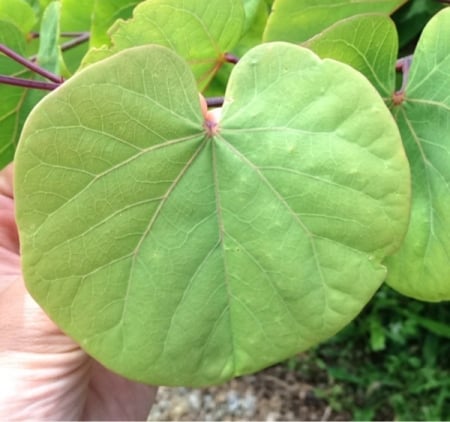


ℹ️ Educational profile — do not use it to judge whether a plant is edible or safe.
🌱 This database is constantly evolving — species and information are added and corrected regularly. Spotted a mistake? Report it below.
© Floraneo — profile content is protected; reproduction without permission is prohibited. Photos remain under their own licence (see the credit shown on each photo).