Leaf
Tela Botanica · CC BY-SA 2.0
Judas tree
Cercis siliquastrum L.
Also known as: Love tree
Family: Fabaceae
5 to 10 m tall
Widely planted in towns and in the south of France
Flowering: March – April, before the leaves
Full sun
-18°C
❓ How do you recognise this plant?
Flowers directly on the trunk and main branches, even before the leaves — spectacular in spring. Eastern redbud has thinner, matt leaves with a distinctly drawn-out tip (and often occurs as the purple 'Forest Pansy'), whereas Judas tree has rounder, thicker, glossy leaves without a marked tip.
🍃 Leaves
Round, heart-shaped, hairless, blue-green
🌸 Flowers
Bright pink, in dense clusters directly on the trunk and old branches
🍎 Fruits
Flat purplish pods
🪵 Bark
Grey-brown bark becoming more fissured with age.
🗺️ Distribution
Eastern Mediterranean region; widely planted as an ornamental tree in the south of France
🐝 Value for pollinators
Bright pink flowering directly on the wood before the leaves, very rich in nectar, much visited by bees in spring
✂️ Horticultural uses
Planted as a specimen or in avenues for its spectacular April flowering, appreciated in Mediterranean gardens
⚠️ Possible toxicity
No known toxicity
⚠️ Look-alike species
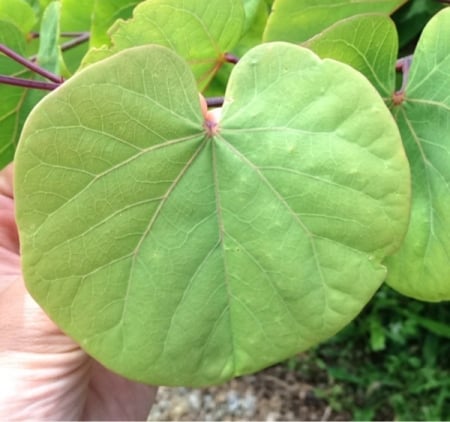
Judas tree
Cercis siliquastrum
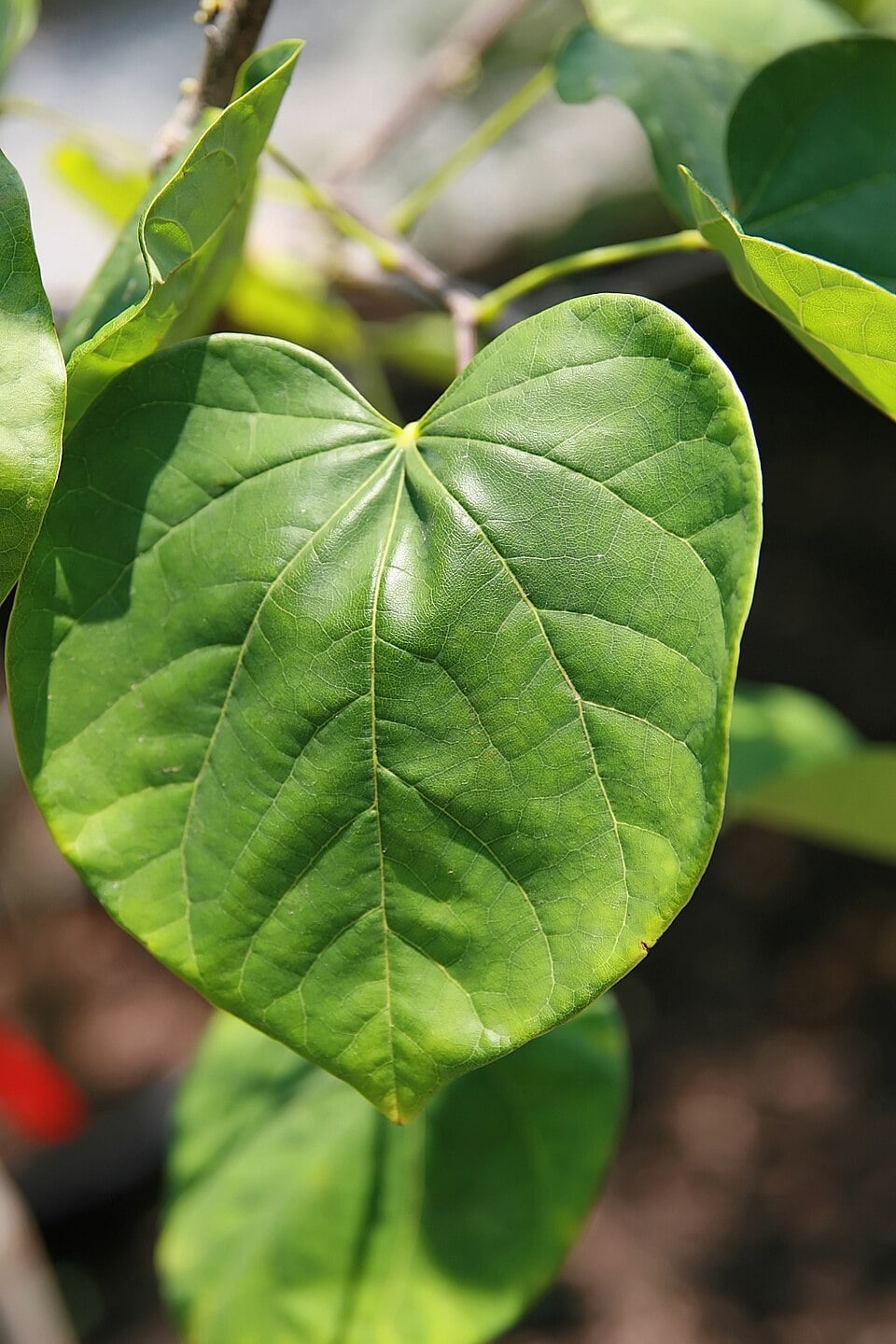
Eastern redbud
Cercis canadensis
Eastern redbud has thinner, matt leaves with a distinctly drawn-out tip (and often occurs as the purple 'Forest Pansy'), whereas Judas tree has rounder, thicker, glossy leaves without a marked tip.
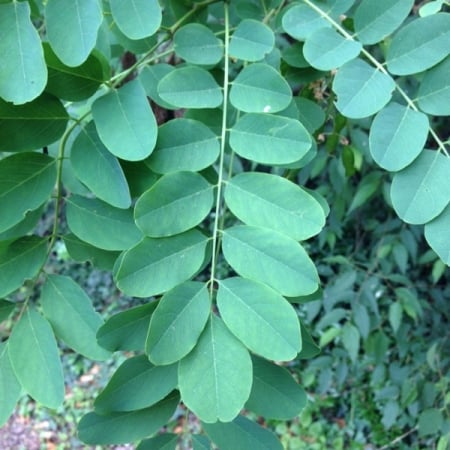
🌿 Other Fabaceae to discover


ℹ️ Educational profile — do not use it to judge whether a plant is edible or safe.
🌱 This database is constantly evolving — species and information are added and corrected regularly. Spotted a mistake? Report it below.
© Floraneo — profile content is protected; reproduction without permission is prohibited. Photos remain under their own licence (see the credit shown on each photo).