Dyer's greenweed or Scorpion broom: how to tell them apart?
Dyer's greenweed and Scorpion broom look alike and are often mixed up. Here is how to tell them apart, feature by feature, with their photos and the details to look for.
⚡ The quick answer
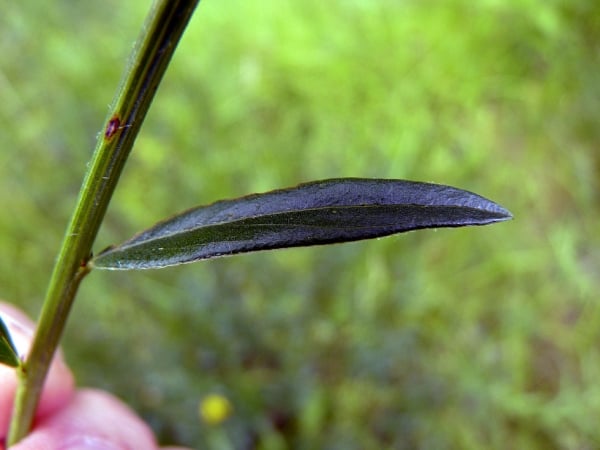
Dyer's greenweed
Genista tinctoria
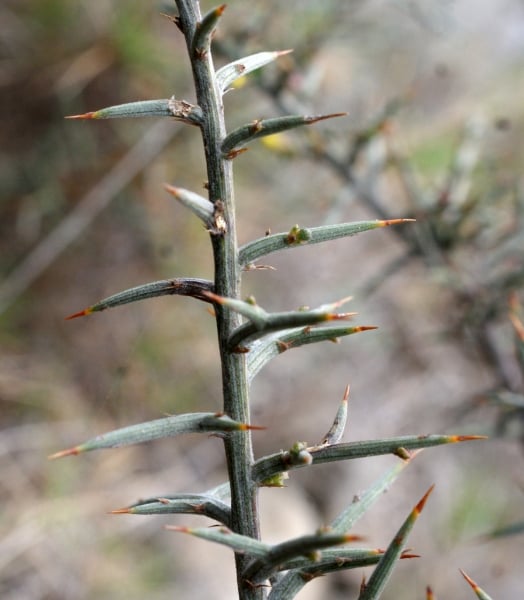
Scorpion broom
Genista scorpius
Scorpion broom has spiny stems and a low, cushion-forming habit, whereas dyer's greenweed has flexible, spineless stems and a more upright habit.
🍃 Leaves
Deciduous, small, lanceolate, bright green
Small, deciduous, few in number, bright green
🌸 Flowers
Small bright yellow flowers in upright racemes, butterfly-shaped
Small bright yellow flowers, butterfly-shaped
🍎 Fruits
Small flat brown pods
Small flat pods
🪵 Bark
Fine green-brown stems, unspined, low bushy habit
Grey-green stems ending in rigid spines, forming a low, cushion-like habit.
📏 Size
0.3 to 1 m tall
0.3 to 1 m tall, spiny shrub
🗺️ Habitat
Banks, dry grassland, gardens, poor soils
Garrigue, dry banks, rock gardens, poor soils
⚠️ Toxicity
Seeds slightly toxic if eaten, as in other brooms.
Seeds slightly toxic if eaten, as in other brooms.
🔎 And from the Scorpion broom side
Scorpion broom has spiny stems and a low, cushion-forming habit, whereas dyer's greenweed has flexible, spineless stems and a more upright habit.
🌿 Go further
Want to practise spotting these details on real photos? Floraneo offers profiles and quizzes for dozens of look-alike species.
ℹ️ Educational profile — do not use it to judge whether a plant is edible or safe.