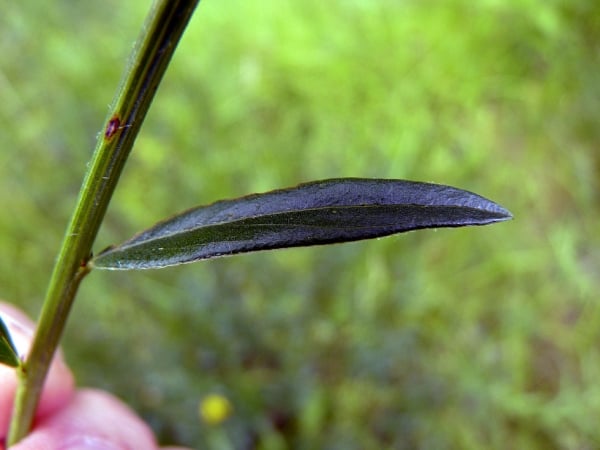
Leaf
Bernard Andrieu, Tela Botanica · CC BY-SA 2.0

Spanish broom

Spartium junceum L.
Also known as: Weaver's broom
Family: Fabaceae
1 to 3 m tall
Dry hillsides and banks of southern France, widely planted
Flowering: May – July
Full sun
Not very hardy, to -12°C

❓ How do you recognise this plant?

Cylindrical, rush-like stems, almost leafless — the plant photosynthesises through its stems. Both have green stems and bright yellow flowers, but Spanish broom has round, smooth, almost rush-like stems, whereas common broom has angular stems with 5 ridges clearly noticeable to the touch; common broom also flowers earlier, in spring.
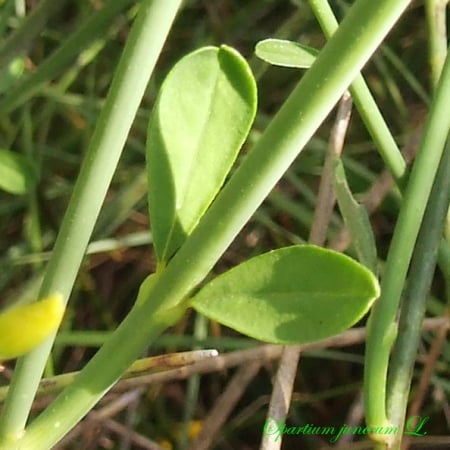
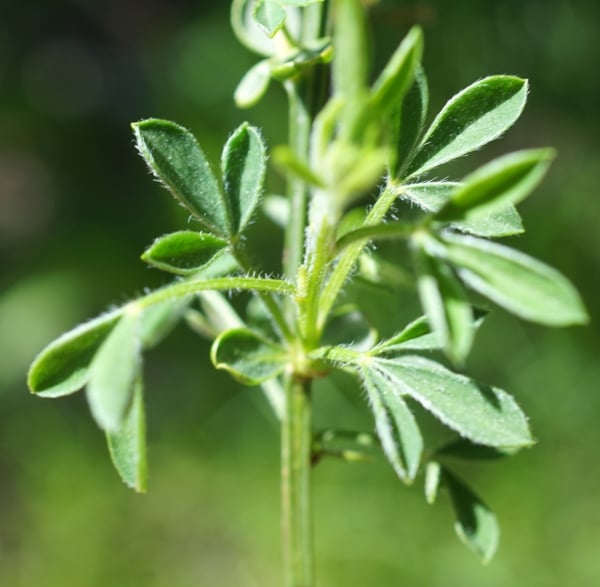
🍃 Leaves
Few, tiny, quickly deciduous — photosynthesis takes place mainly through the stems
🌸 Flowers
Large, very fragrant bright yellow flowers, butterfly-shaped
🍎 Fruits
Long flat pods hairy along the edges
🪵 Bark
Green, cylindrical, rush-like, flexible stems
🗺️ Distribution
Western Mediterranean; common in garrigue in southern France, also widely planted along roadsides.
🐝 Value for pollinators
Very fragrant, nectar-bearing yellow flowers in summer, much visited by bees.
✂️ Horticultural uses
Planted on banks and roadsides for its prolonged summer flowering and its drought resistance.

⚠️ Possible toxicity

Seeds toxic if eaten (alkaloids), as in other brooms.

⚠️ Look-alike species

Spanish broom
Spanish broom
Spartium junceum
Common broom
Common broom
Cytisus scoparius

Both have green stems and bright yellow flowers, but Spanish broom has round, smooth, almost rush-like stems, whereas common broom has angular stems with 5 ridges clearly noticeable to the touch; common broom also flowers earlier, in spring.

Spanish broom
Spanish broom
Spartium junceum
Dyer's greenweed
Dyer's greenweed
Genista tinctoria

Spanish broom is a large shrub (up to 3 m), almost leafless, with round, rush-like green stems and very fragrant flowers, whereas dyer's greenweed stays low (rarely more than 1 m) and keeps small, clearly visible leaves.

ℹ️ Educational profile — do not use it to judge whether a plant is edible or safe.

🌱 This database is constantly evolving — species and information are added and corrected regularly. Spotted a mistake? Report it below.

© Floraneo — profile content is protected; reproduction without permission is prohibited. Photos remain under their own licence (see the credit shown on each photo).