Leaf
Liliane Roubaudi, Tela Botanica · CC BY-SA 2.0

Common broom

Cytisus scoparius (L.) Link
Also known as: Broom, Scotch broom
Family: Fabaceae
1 to 2.5 m tall
Heathland, banks, acid and poor soils
Flowering: April – June
Full sun
Hardy to -15°C

❓ How do you recognise this plant?

Angular green stems that continue to photosynthesise even without leaves. Common broom has solitary or paired bright yellow flowers along angular green stems, whereas white Spanish broom bears clusters of white flowers on a leafier shrub.
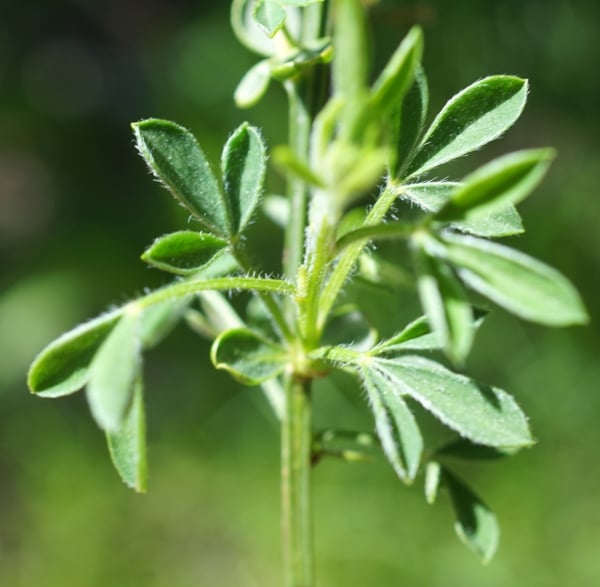
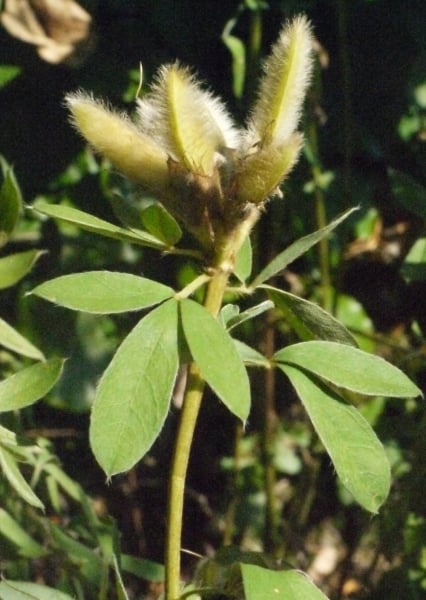
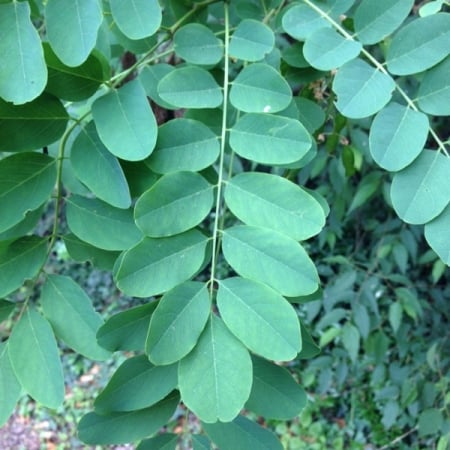
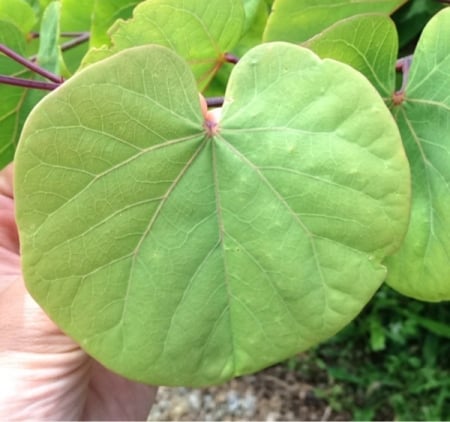
🍃 Leaves
Small, often reduced to mere scales on the green stems
🌸 Flowers
Large bright yellow flowers, butterfly-shaped
🍎 Fruits
Flat black pods that burst open noisily when ripe
🪵 Bark
Angular green stems, photosynthetic even without leaves
🗺️ Distribution
Western Europe; very common on acid heathland and banks throughout France.
🐝 Value for pollinators
Abundant yellow flowering in spring, very honey-rich, important for bees and bumblebees.
✂️ Horticultural uses
Planted on banks and poor soils for its spectacular flowering, also used for stabilising sandy ground.

⚠️ Possible toxicity

Seeds and young shoots toxic if eaten (alkaloids including sparteine), causing heart and digestive problems.

⚠️ Look-alike species

Common broom
Common broom
Cytisus scoparius
White Spanish broom
White Spanish broom
Cytisus multiflorus

Common broom has solitary or paired bright yellow flowers along angular green stems, whereas white Spanish broom bears clusters of white flowers on a leafier shrub.

Common broom
Common broom
Cytisus scoparius
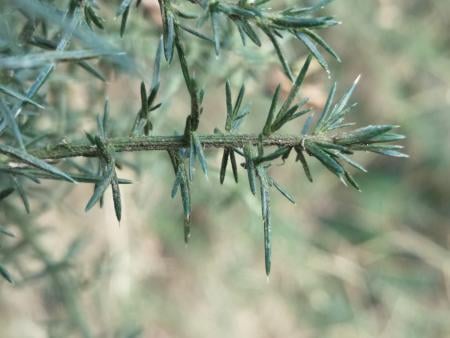
Gorse
Gorse
Ulex europaeus

Common broom has no spines and its stems are flexible and angular, whereas gorse is bristling with rigid spines all over.
Common broom
Common broom
Cytisus scoparius
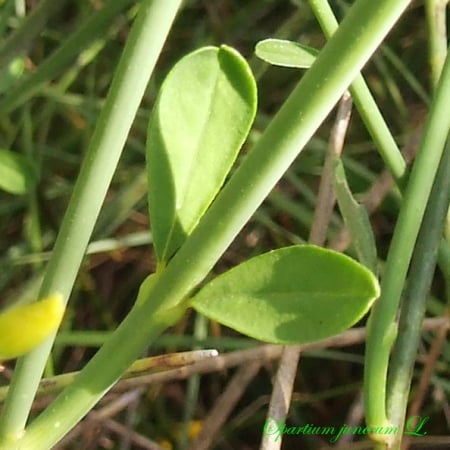
Spanish broom
Spanish broom
Spartium junceum

Both have green stems and fragrant bright yellow flowers, but common broom has angular stems with 5 ridges clearly noticeable to the touch, whereas Spanish broom has round, smooth, almost rush-like stems; its flowering is also later (summer) and much more fragrant.
Common broom
Common broom
Cytisus scoparius
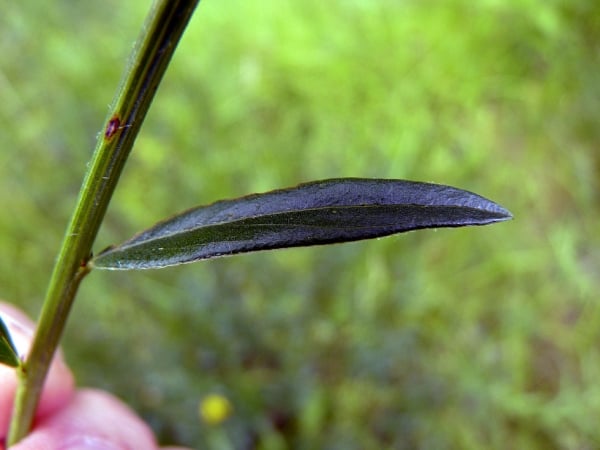
Dyer's greenweed
Dyer's greenweed
Genista tinctoria

Common broom is taller (up to 2.5 m), almost leafless, its angular green stems carrying out most of the photosynthesis, whereas dyer's greenweed stays low (rarely more than 1 m) and keeps small, clearly visible lanceolate leaves all summer.

ℹ️ Educational profile — do not use it to judge whether a plant is edible or safe.

🌱 This database is constantly evolving — species and information are added and corrected regularly. Spotted a mistake? Report it below.

© Floraneo — profile content is protected; reproduction without permission is prohibited. Photos remain under their own licence (see the credit shown on each photo).