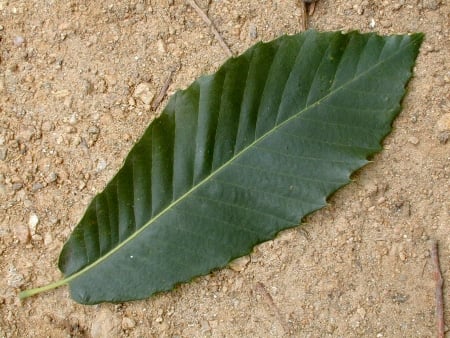
Leaf
Radio Tonreg, Wikimedia · CC BY 2.0
Downy oak
Quercus pubescens Willd.
Also known as: Pubescent oak
Family: Fagaceae
10 to 20 m tall
Dry, calcareous hillsides, southern regions
Flowering: April – May
Full sun
Part shade
-23°C
❓ How do you recognise this plant?
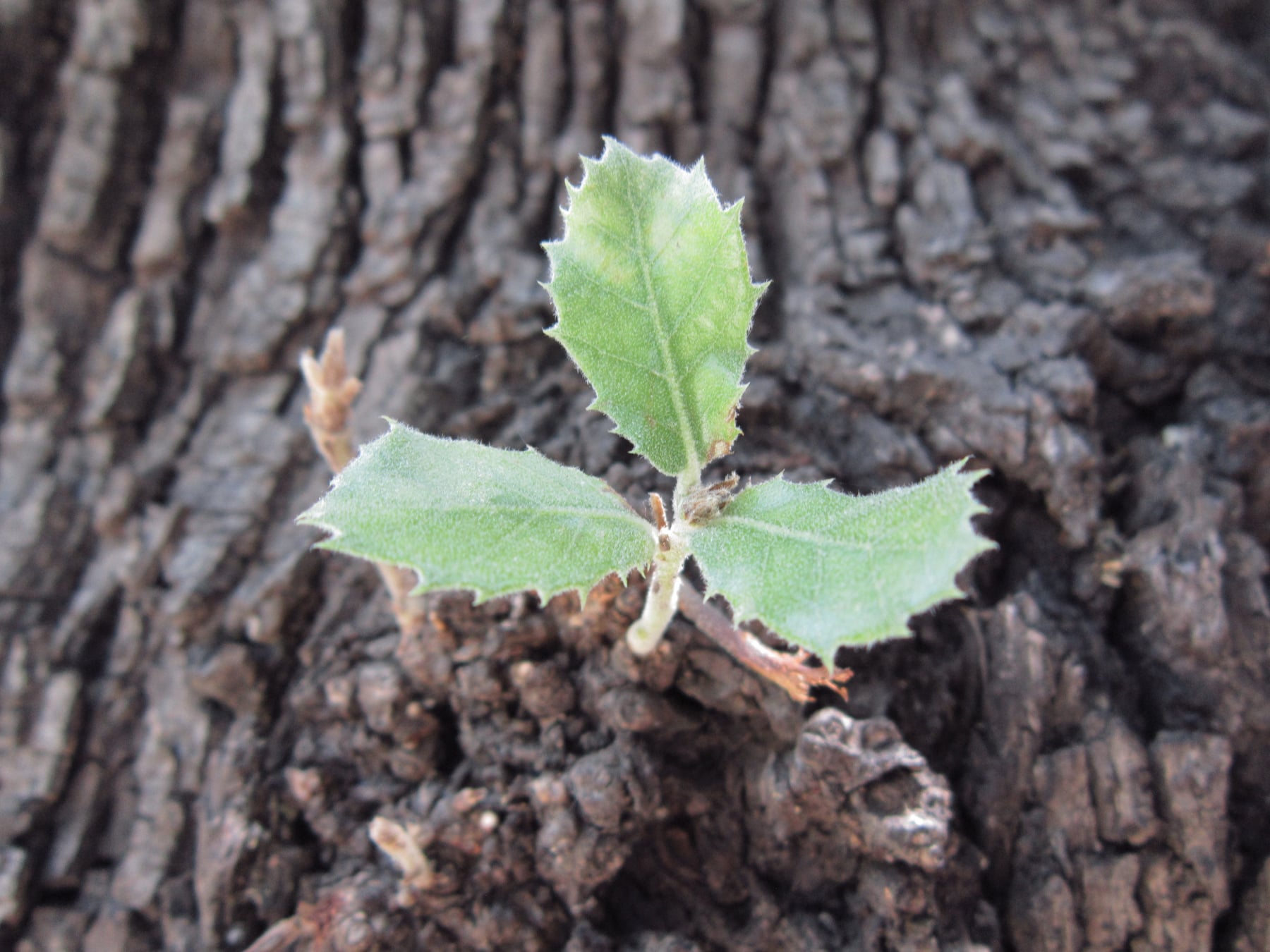
Leaves and young twigs covered with a fine greyish down, unlike other oaks. The downiness of the leaves and young twigs helps to recognise the downy oak, but it can vary. Also compare the shape of the lobes, the size of the leaves and the acorns.
🍃 Leaves
Very variable but generally more or less downy, especially beneath; young twigs are often hairy.
🌸 Flowers
Inconspicuous catkins
🍎 Fruits
Small, shortly stalked acorns
🪵 Bark
Grey, fissured into small plates
🗺️ Distribution
Southern and eastern Europe, Asia Minor; common in southern France on dry calcareous hillsides
🐝 Value for pollinators
Catkins producing pollen in spring, foliage hosting many butterfly caterpillars
✂️ Horticultural uses
Used for planting dry hillsides and as a reforestation species in southern France
⚠️ Possible toxicity
Acorns rich in tannins, toxic in large quantity to some domestic animals
⚠️ Look-alike species
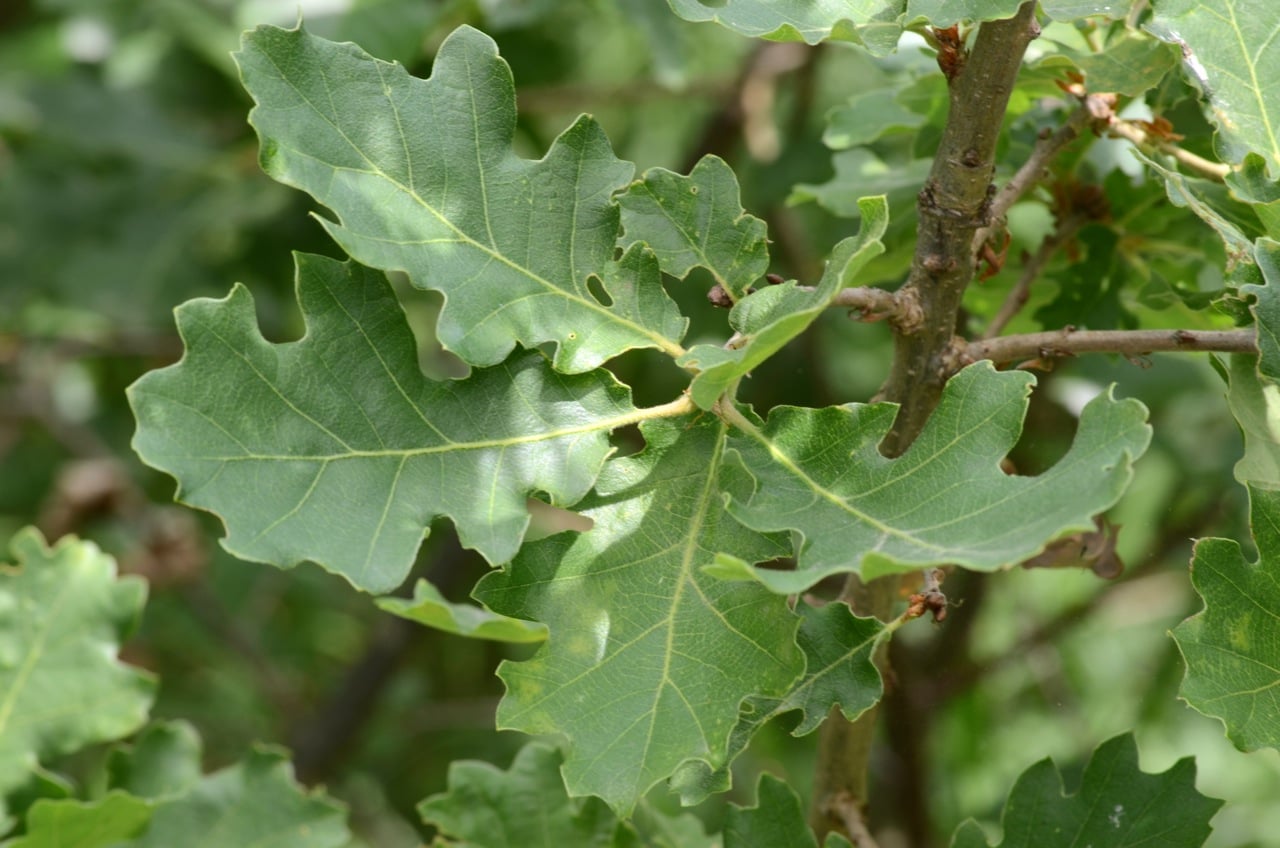
Downy oak
Quercus pubescens
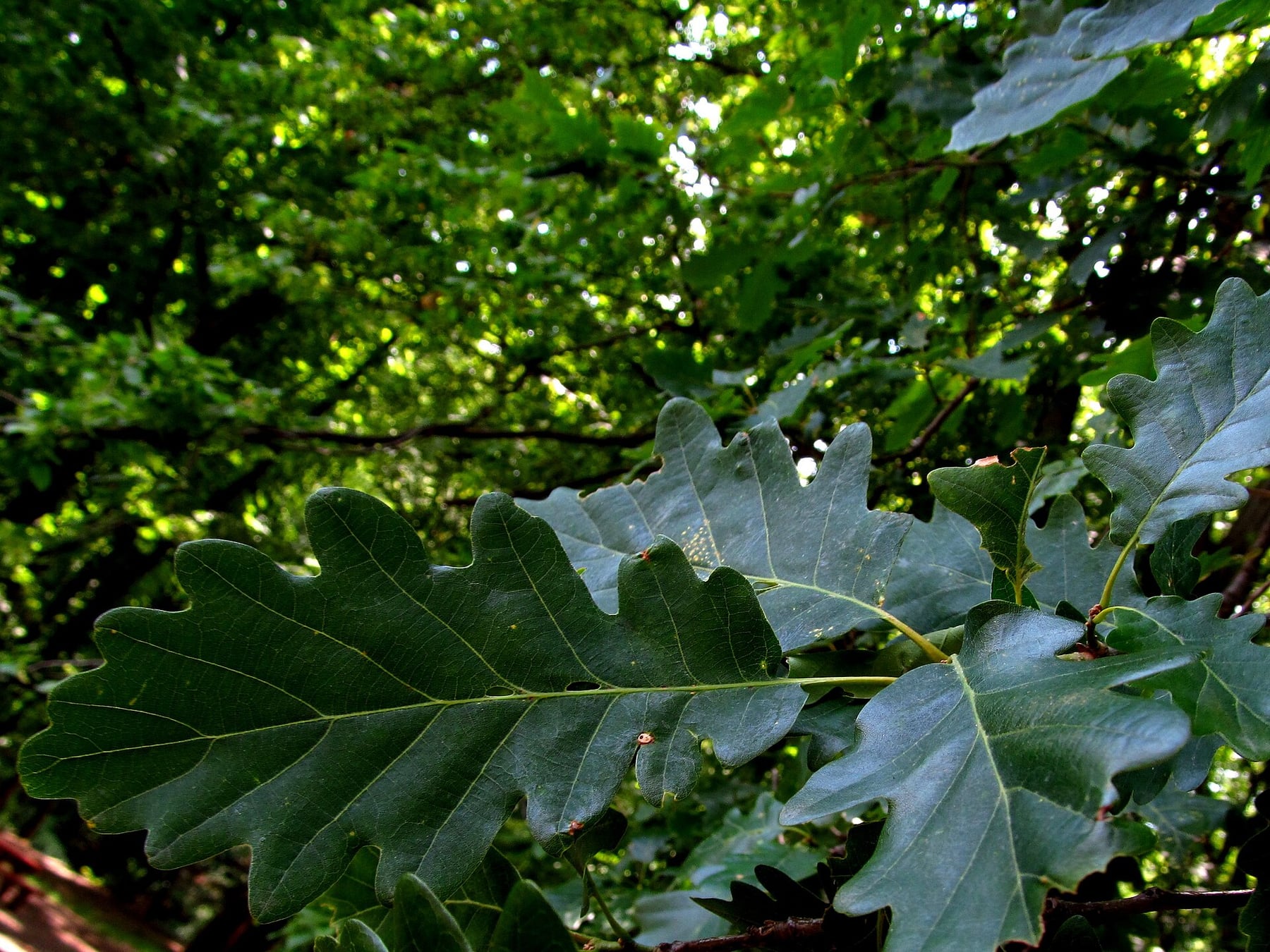
Sessile oak
Quercus petraea
The downiness of the leaves and young twigs helps to recognise the downy oak, but it can vary. Also compare the shape of the lobes, the size of the leaves and the acorns.
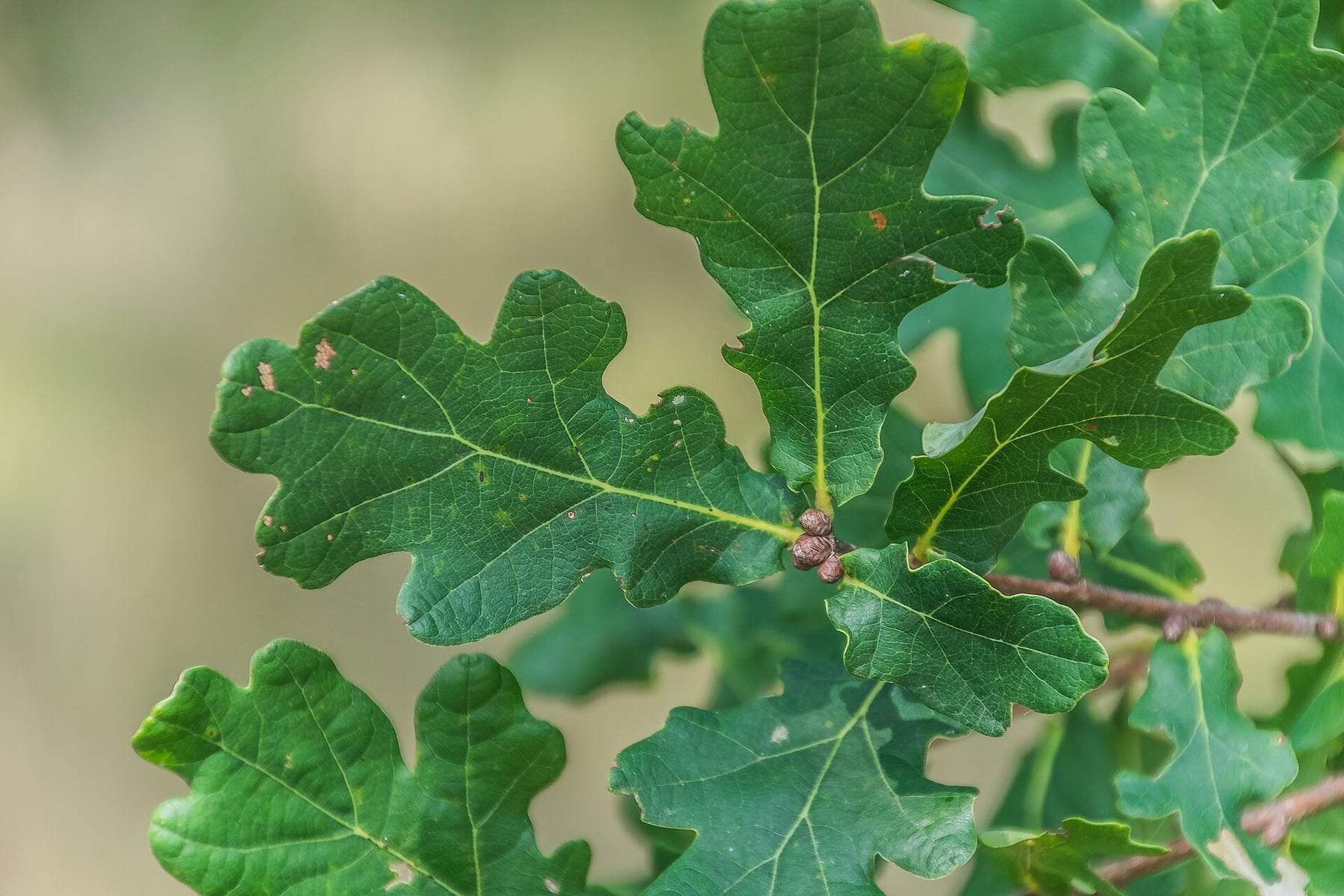
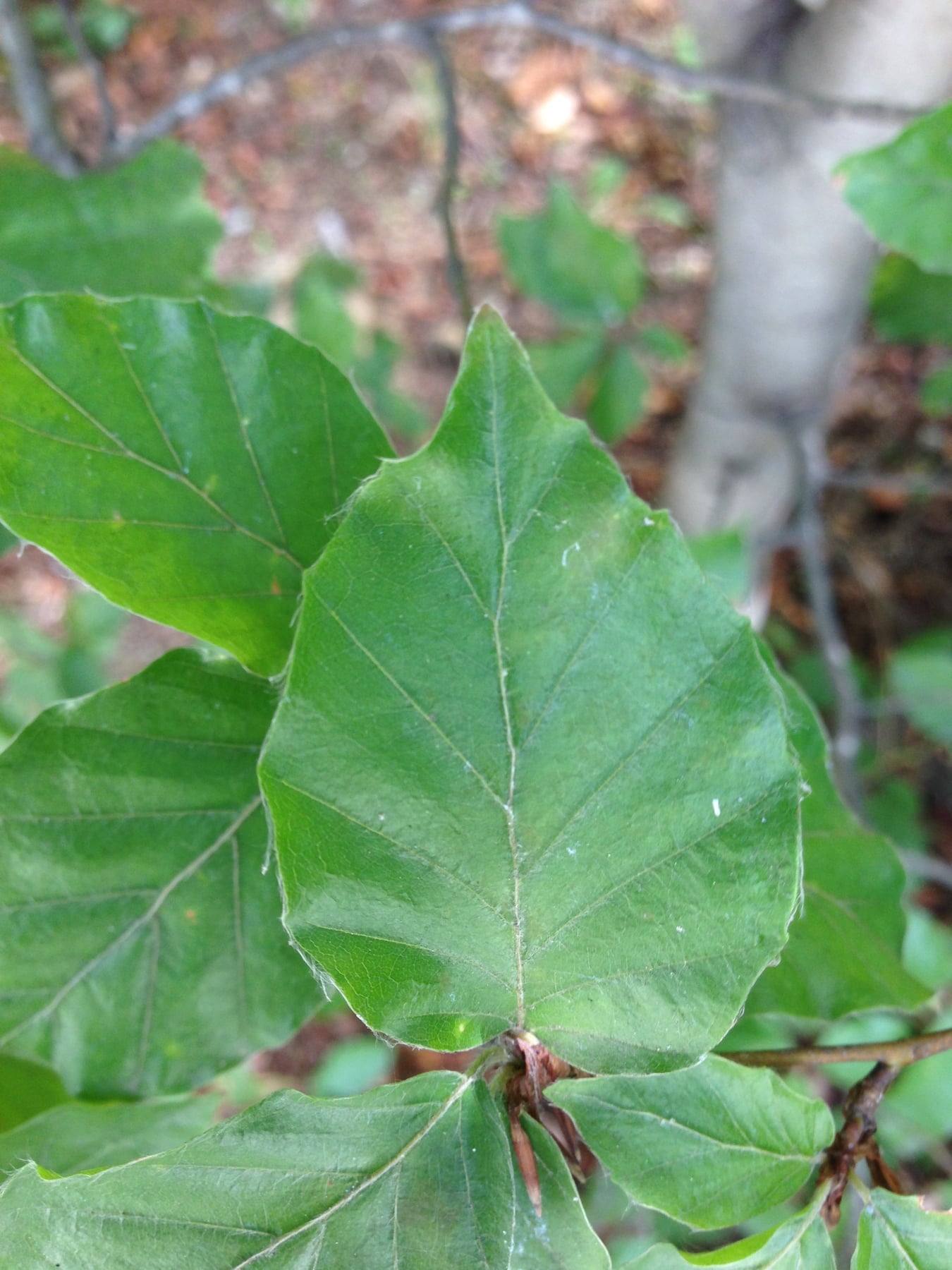
🌿 Other Fagaceae to discover
ℹ️ Educational profile — do not use it to judge whether a plant is edible or safe.
🌱 This database is constantly evolving — species and information are added and corrected regularly. Spotted a mistake? Report it below.
© Floraneo — profile content is protected; reproduction without permission is prohibited. Photos remain under their own licence (see the credit shown on each photo).