Leaf
Hladac, Wikimedia · CC BY-SA 4.0
Wild privet
Ligustrum vulgare L.
Also known as: Common privet
Family: Oleaceae
2 to 4 m tall
Hedges, woodland edges, often planted as a clipped hedge
Flowering: May – June
Full sun
Part shade
Very hardy, to -29°C
❓ How do you recognise this plant?
Almost evergreen leaves that stay green late into winter — handy for identifying it out of season. Garden privet keeps glossy, well-green foliage almost all year (or golden in 'Aureum'), and rarely loses all its leaves in winter, whereas wild privet, a native, has duller, thinner leaves that fall almost entirely in winter in cold regions.
🍃 Leaves
Opposite, ovate-lanceolate, almost evergreen, glossy
🌸 Flowers
Small upright white clusters, strong smell
🍎 Fruits
Small glossy black berries in clusters, toxic
🪵 Bark
Grey, smooth
🗺️ Distribution
Europe, North Africa, western Asia; very common in chalky hedges throughout France.
🐝 Value for pollinators
Very fragrant white flowers in panicles, rich in nectar, visited by many pollinating insects.
✂️ Horticultural uses
Very widely used in clipped hedges, although less evergreen than garden privet.
⚠️ Possible toxicity
Black berries toxic if eaten (digestive upset), leaves also slightly toxic.
⚠️ Look-alike species
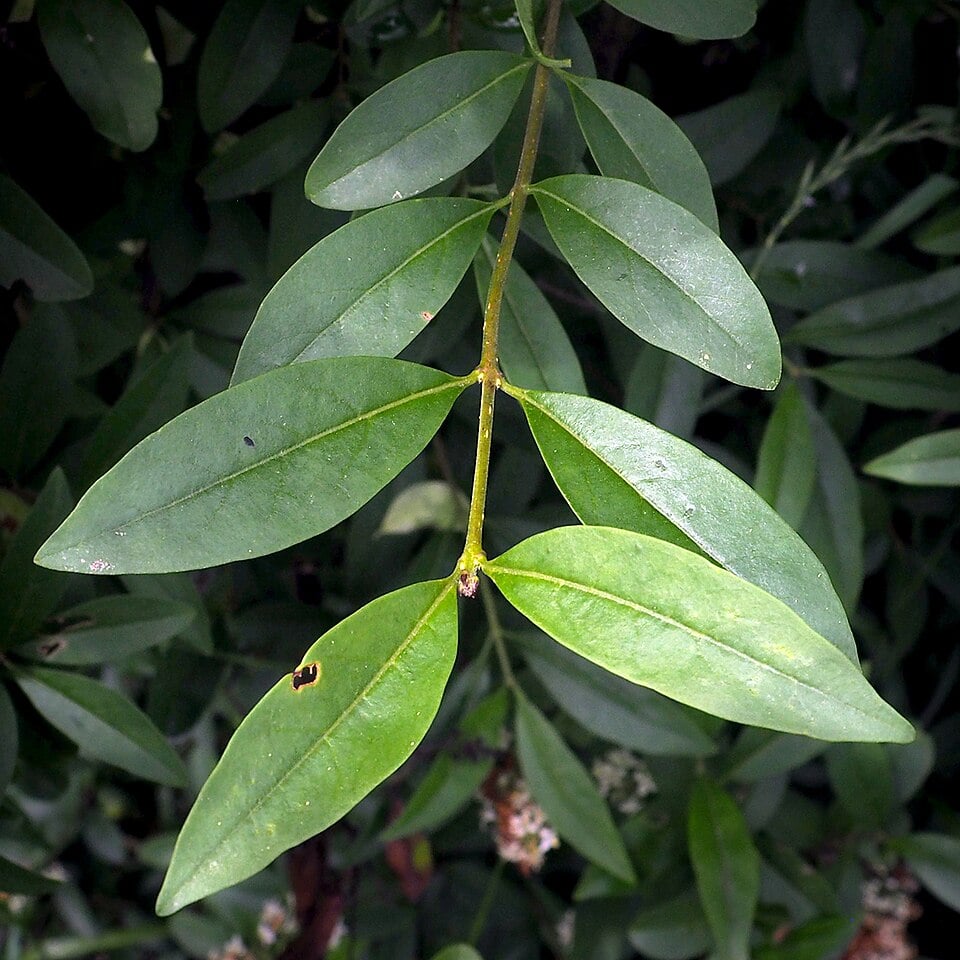
Wild privet
Ligustrum vulgare
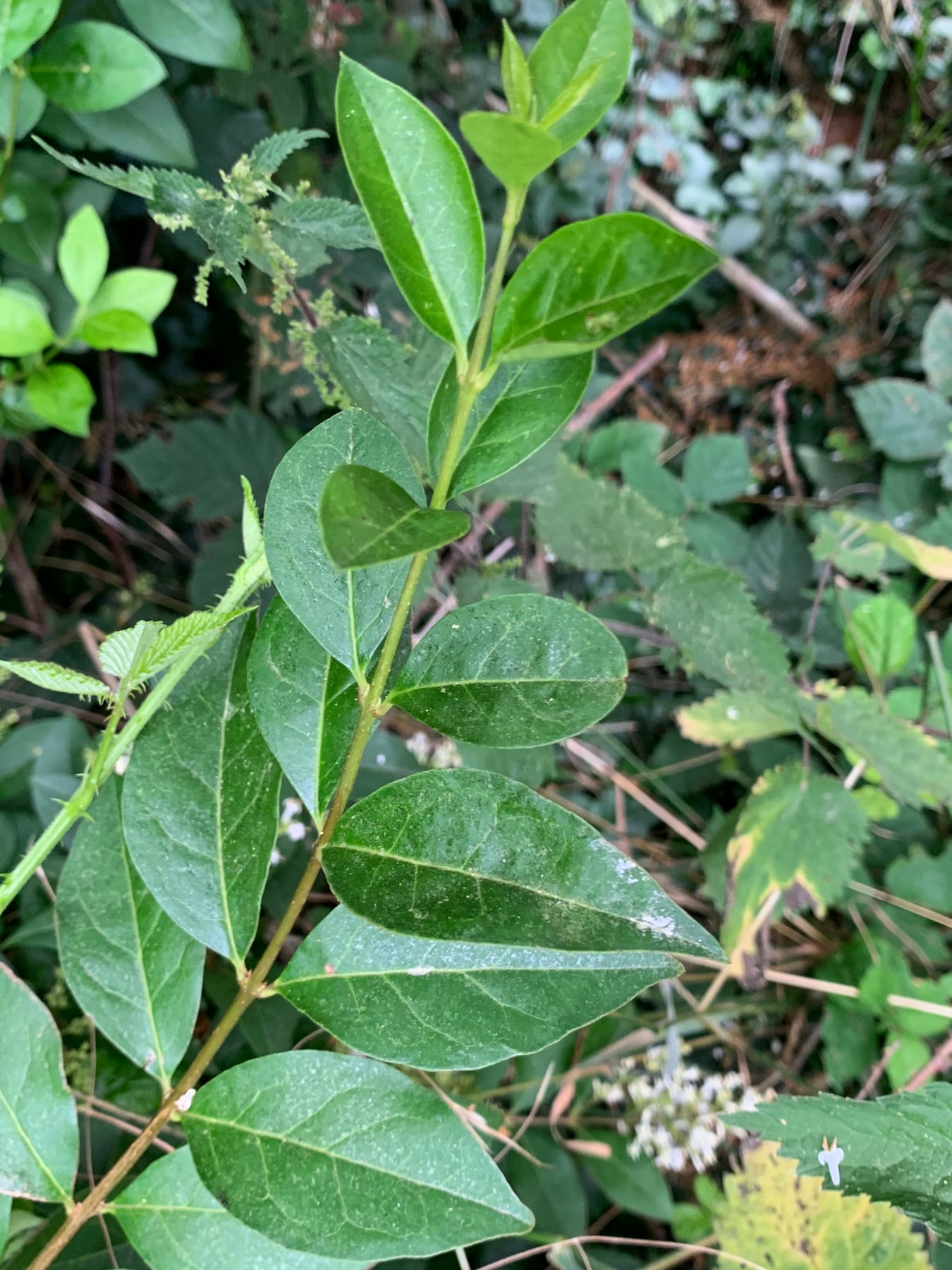
Garden privet
Ligustrum ovalifolium
Garden privet keeps glossy, well-green foliage almost all year (or golden in 'Aureum'), and rarely loses all its leaves in winter, whereas wild privet, a native, has duller, thinner leaves that fall almost entirely in winter in cold regions.
🌿 Other Oleaceae to discover
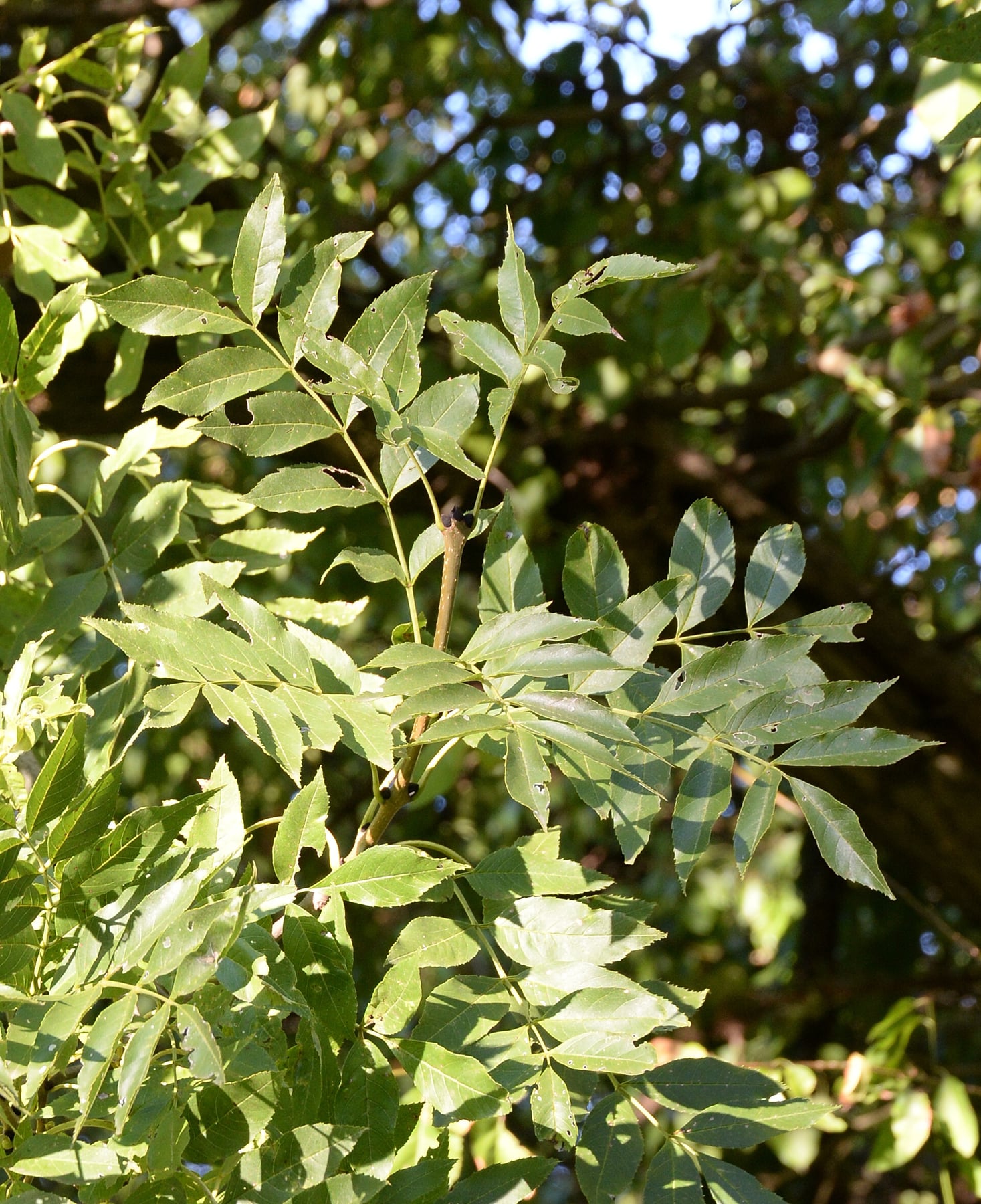


ℹ️ Educational profile — do not use it to judge whether a plant is edible or safe.
🌱 This database is constantly evolving — species and information are added and corrected regularly. Spotted a mistake? Report it below.
© Floraneo — profile content is protected; reproduction without permission is prohibited. Photos remain under their own licence (see the credit shown on each photo).