Leaf
Pierre Bonnet, Tela Botanica · CC BY-SA 2.0
Manna ash
Fraxinus ornus L.
Also known as: Flowering ash
Family: Oleaceae
8 to 15 m tall
Dry hillsides of southern France, often planted in avenues
Flowering: April – May
Full sun
Part shade
-20°C
❓ How do you recognise this plant?
The only European ash with showy, scented white flowers — the common ash flowers inconspicuously. The common ash has petal-less, inconspicuous flowers, black buds and larger leaflets, whereas the manna ash has brownish buds, small, clearly visible scented white flowers and smaller leaflets.
🍃 Leaves
Compound, 5 to 9 toothed leaflets, smaller than those of the common ash
🌸 Flowers
Large scented white panicles, unlike the common ash
🍎 Fruits
Narrow samaras in clusters
🪵 Bark
Grey, smooth for a long time
🗺️ Distribution
Southern Europe, Asia Minor; found in southern France, planted elsewhere as an ornamental
🐝 Value for pollinators
Scented white flowering in panicles, very rich in honey and attractive to bees, unlike the common ash
✂️ Horticultural uses
Planted in urban avenues or as a specimen for its decorative, scented spring flowering
⚠️ Possible toxicity
No known toxicity
⚠️ Look-alike species
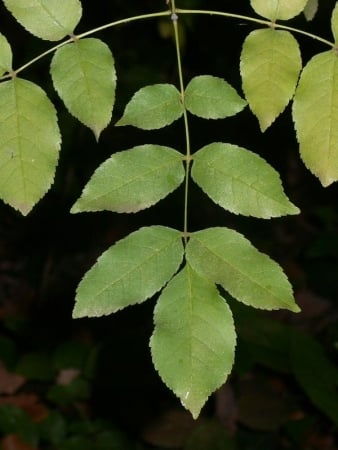
Manna ash
Fraxinus ornus
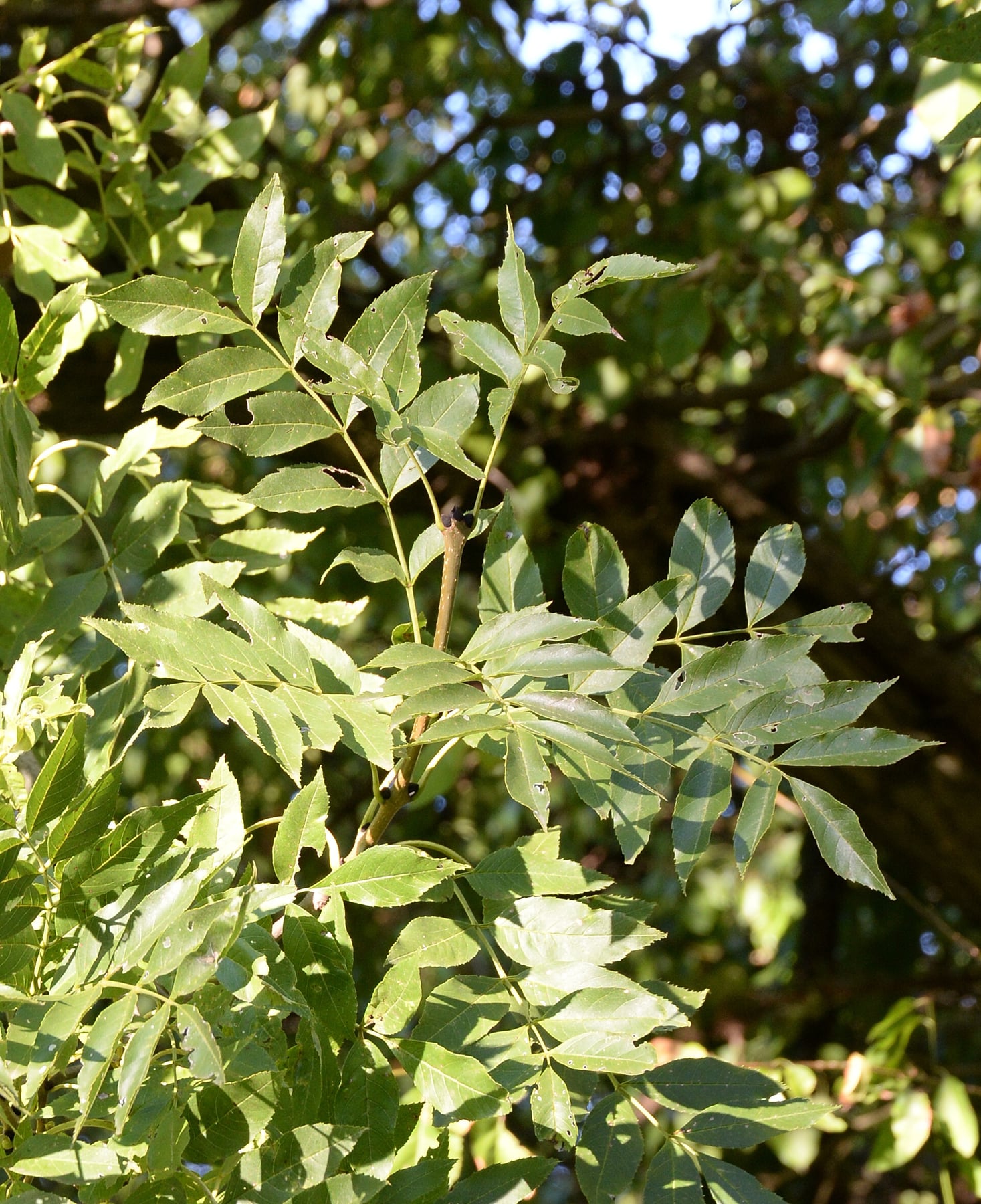
Common ash
Fraxinus excelsior
The common ash has petal-less, inconspicuous flowers, black buds and larger leaflets, whereas the manna ash has brownish buds, small, clearly visible scented white flowers and smaller leaflets.
🌿 Other Oleaceae to discover


ℹ️ Educational profile — do not use it to judge whether a plant is edible or safe.
🌱 This database is constantly evolving — species and information are added and corrected regularly. Spotted a mistake? Report it below.
© Floraneo — profile content is protected; reproduction without permission is prohibited. Photos remain under their own licence (see the credit shown on each photo).