Leaf
David J. Stang, Wikimedia · CC BY-SA 4.0
Common lilac
Syringa vulgaris L.
Also known as: Lilac
Family: Oleaceae
2 to 5 m tall
Gardens, hedges, often self-seeding
Flowering: April – May
Full sun
Part shade
Very hardy, to -25°C
❓ How do you recognise this plant?
A characteristic scent of spring, one of the most recognisable of all.
🍃 Leaves
Opposite, heart-shaped, entire
🌸 Flowers
Small mauve (sometimes white) flowers in large, highly scented panicles
🍎 Fruits
Small dry brown capsules
🪵 Bark
Grey, with elongated lenticels
🗺️ Distribution
Balkans; widely grown and sometimes naturalised in France as an ornamental.
🐝 Value for pollinators
Highly scented, nectar-rich spring flowering, visited by bees and many butterflies.
✂️ Horticultural uses
Planted as a specimen or in beds for its scented clusters, emblematic of spring gardens.
⚠️ Possible toxicity
No known toxicity.
🌱 Known cultivars
Madame Lemoine
The most famous double white lilac, raised in 1890 by the Lemoine nursery in Nancy; large, highly scented panicles, regarded as an absolute benchmark among white lilacs.
Charles Joly
Dark magenta-purple lilac with almost black buds, raised in 1896 by the same Lemoine nursery; one of the coloured lilacs still most widely planted today.
🌿 Other Oleaceae to discover
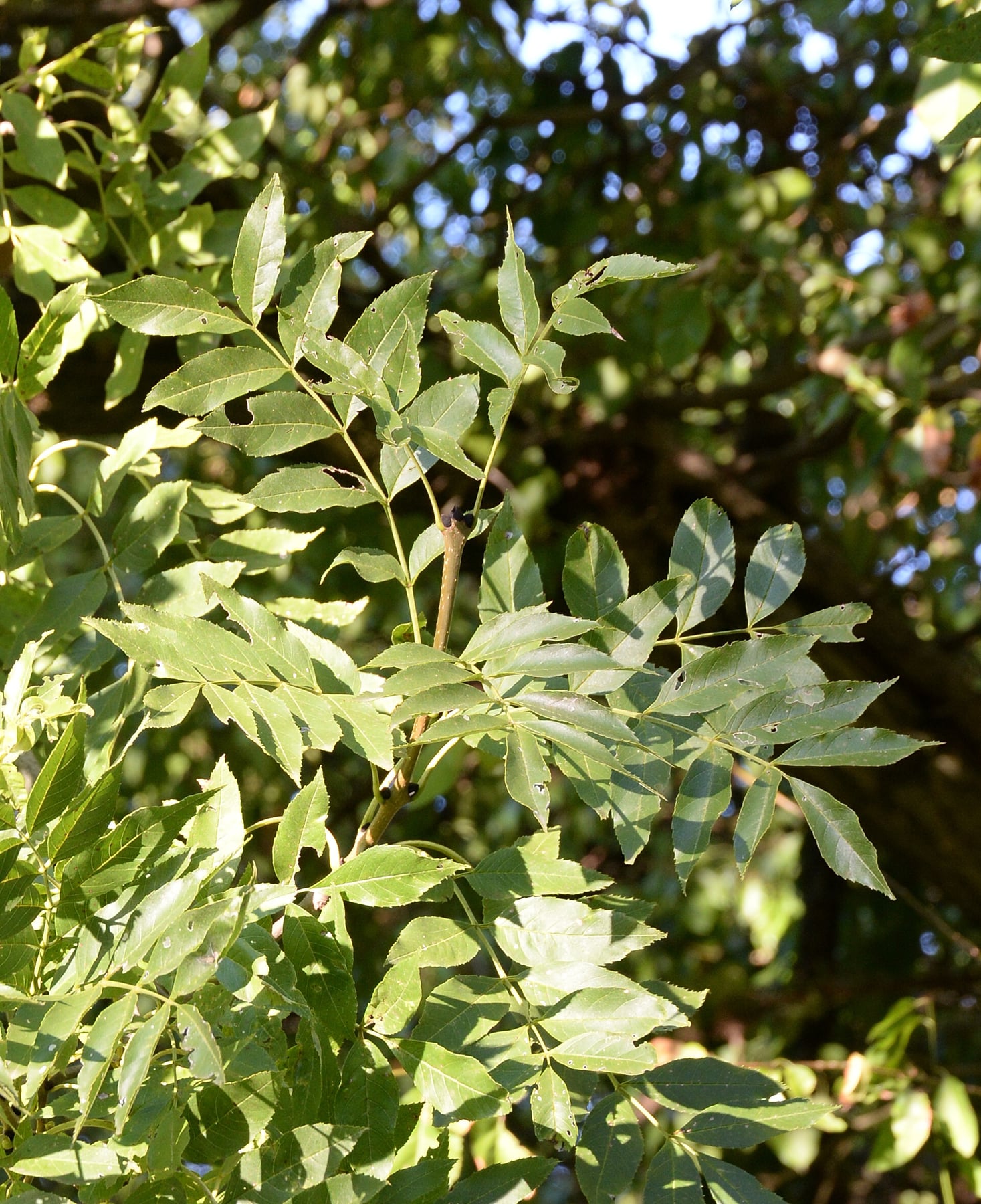
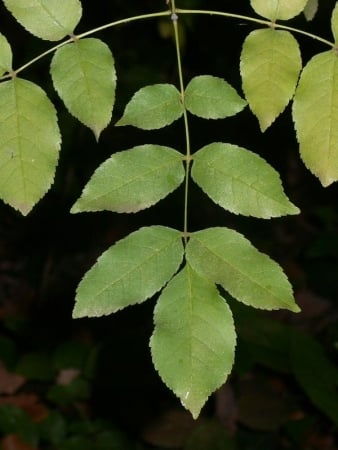

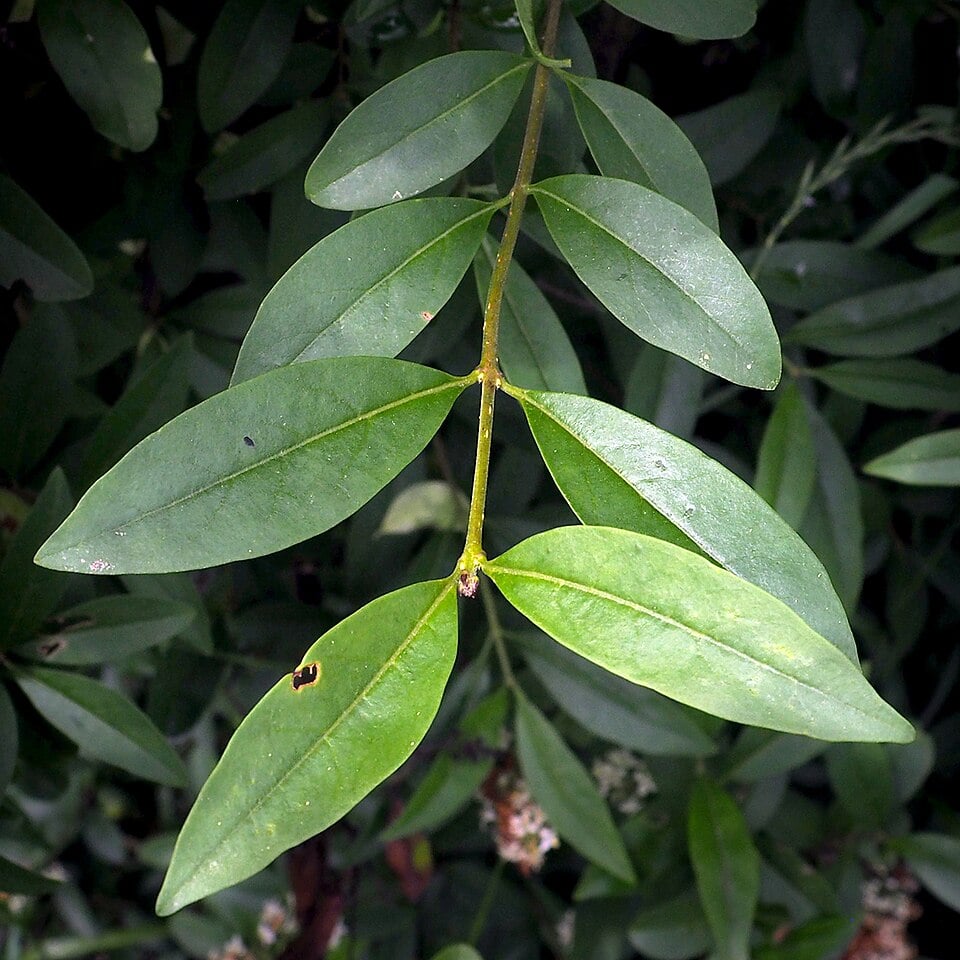
ℹ️ Educational profile — do not use it to judge whether a plant is edible or safe.
🌱 This database is constantly evolving — species and information are added and corrected regularly. Spotted a mistake? Report it below.
© Floraneo — profile content is protected; reproduction without permission is prohibited. Photos remain under their own licence (see the credit shown on each photo).