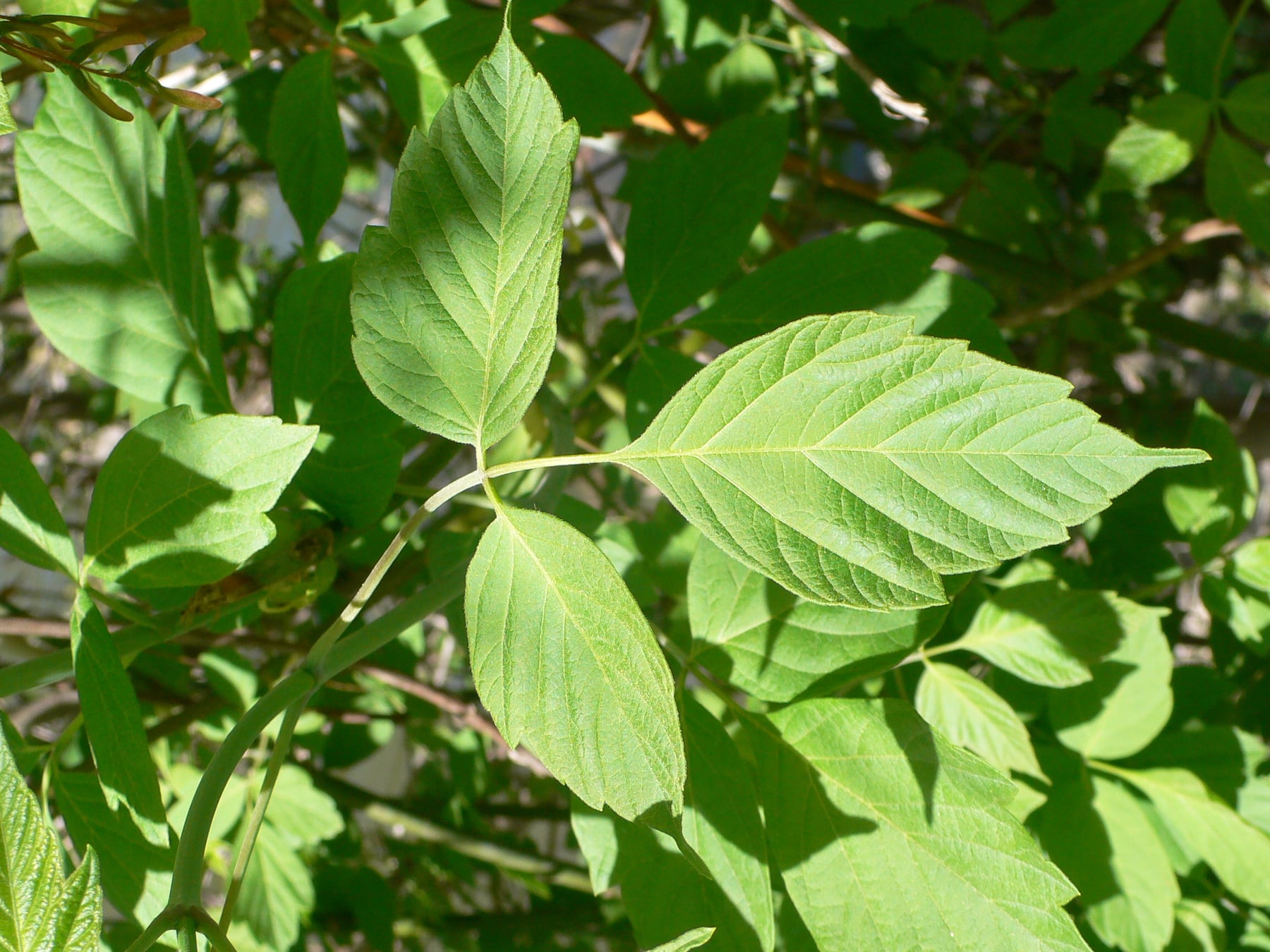
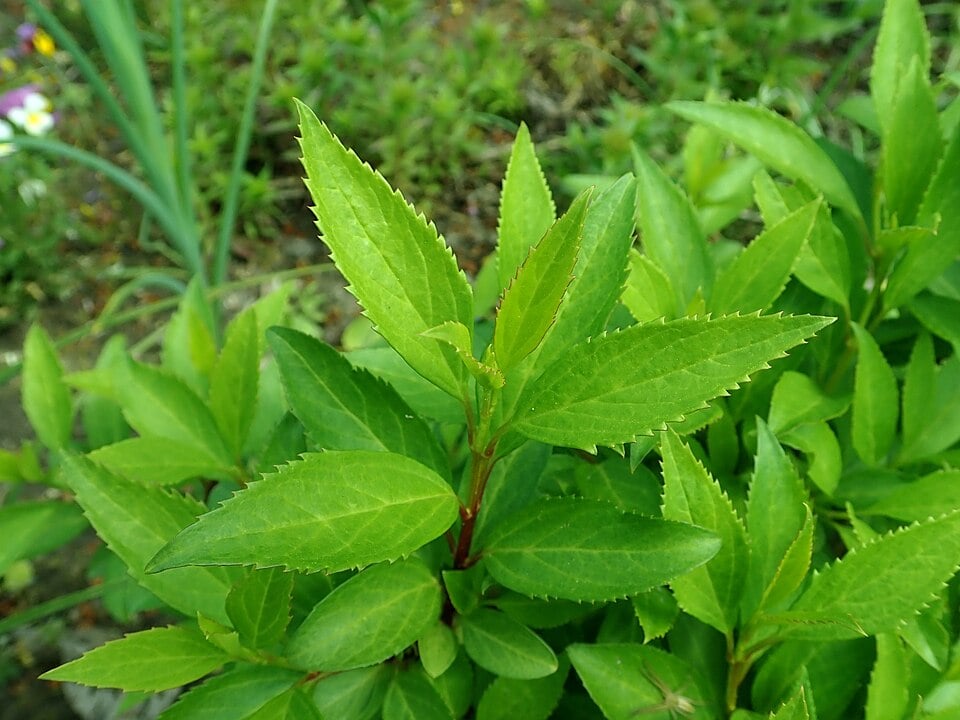
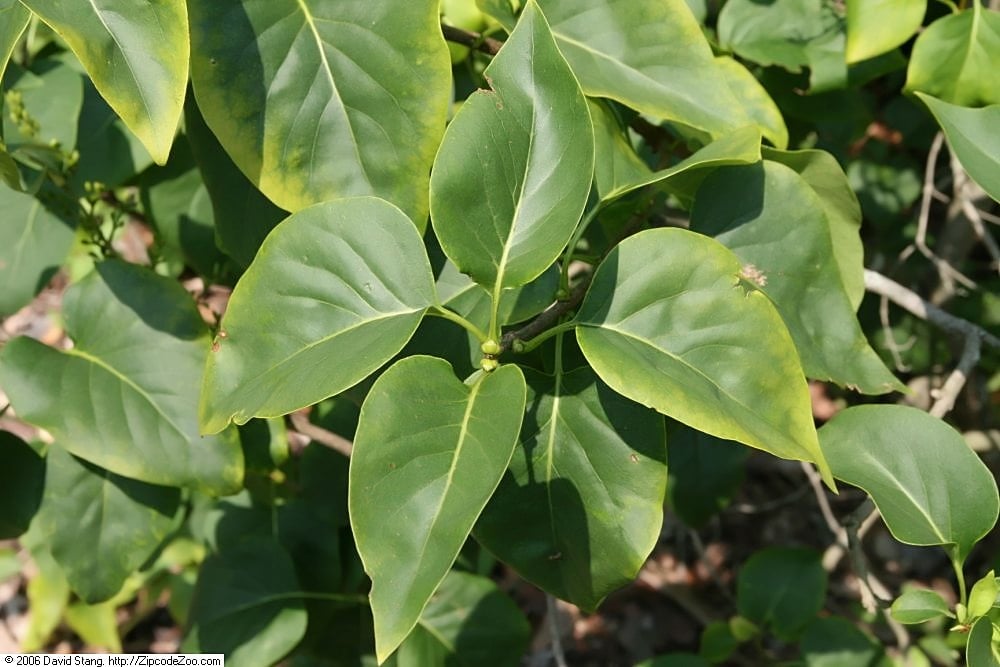
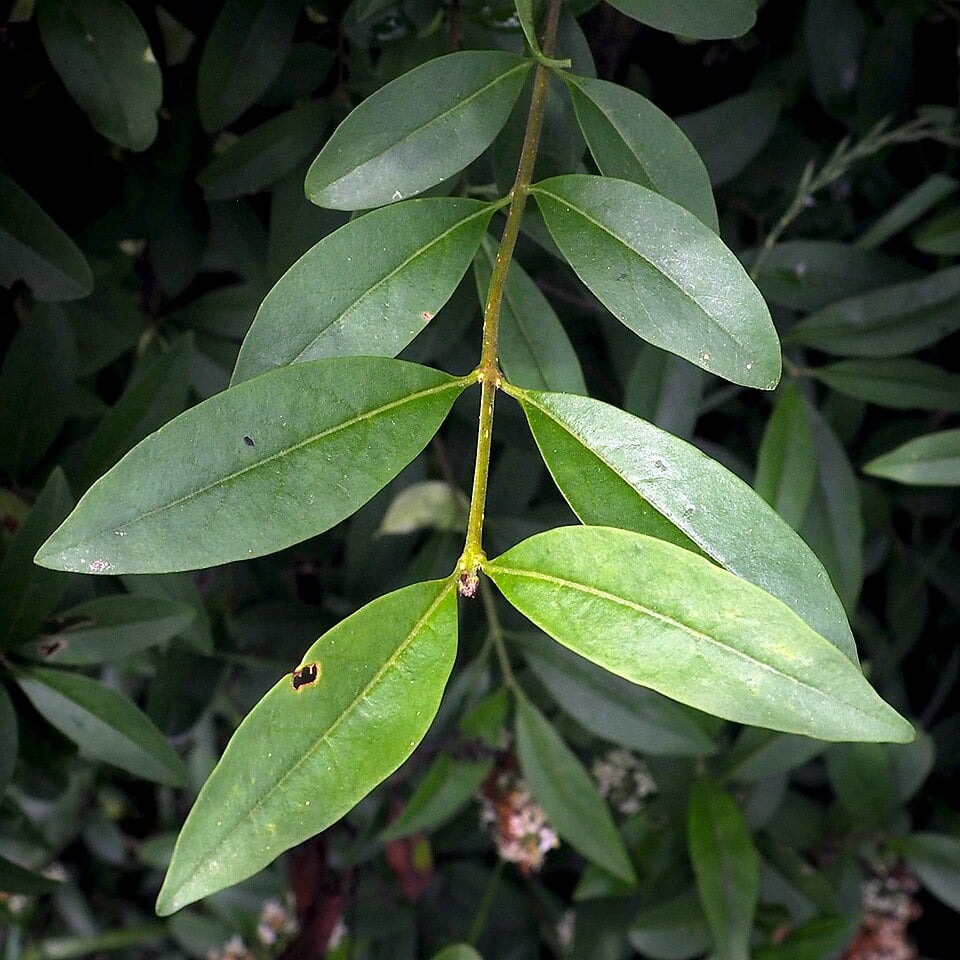
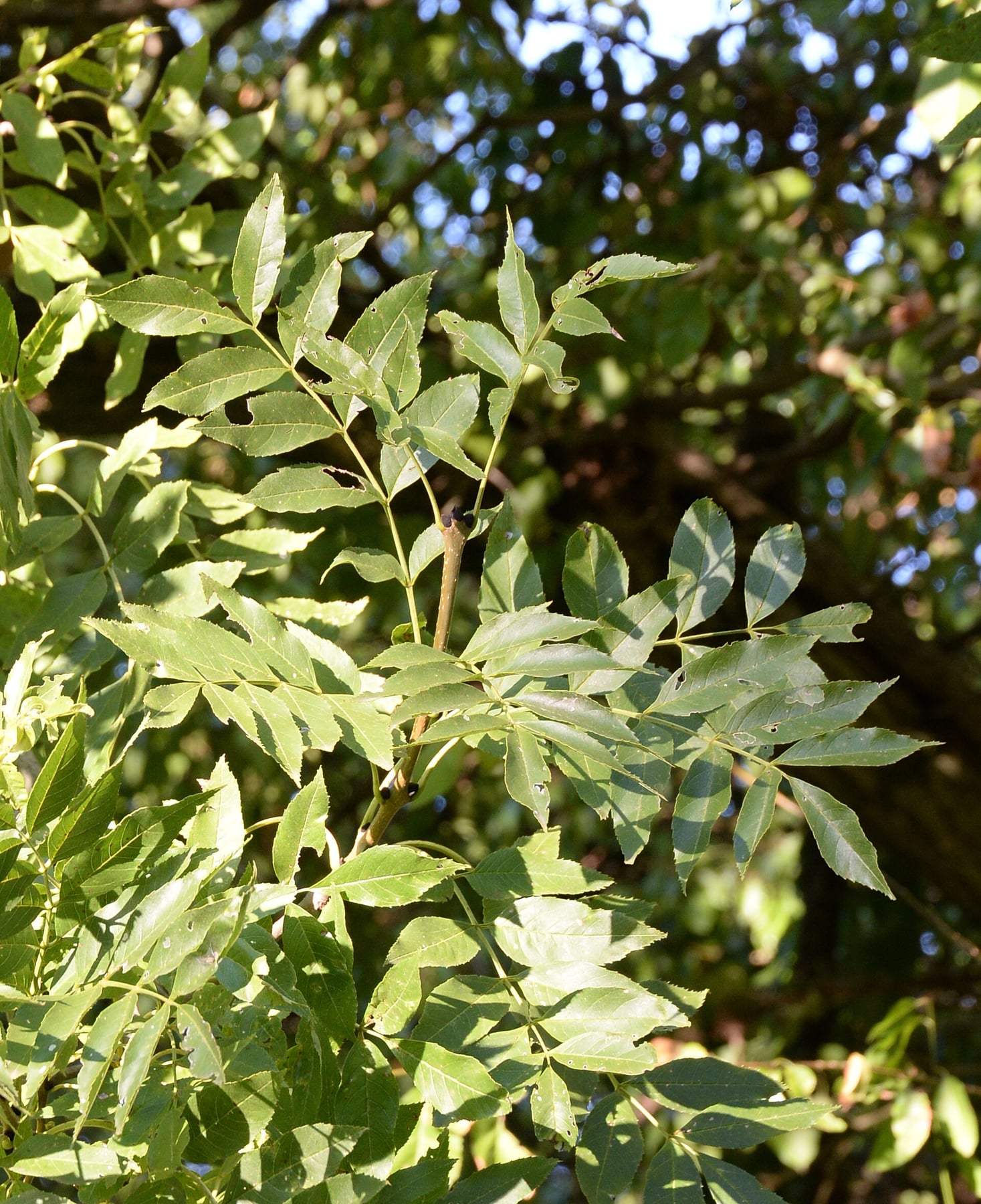
Leaf
Michel Pansiot, Tela Botanica · CC BY-SA 2.0

Common ash

Fraxinus excelsior L.
Also known as: European ash
Family: Oleaceae
  • 25 to 35 m tall
  • Cool, fertile soils, often along watercourses
  • Part shade, Full sun
  • -30°C

In flower in April

1 month

Before the leaves

See what flowers in:April ›

❓ How do you recognise this plant?

Black buds, clearly visible in winter — an immediate clue. The common ash has opposite, lanceolate, toothed leaflets, without the double-winged fruits typical of maples; the box elder, despite its almost identical compound leaves, is recognised by its opposite green buds and its samaras winged in pairs.

Learn to recognise it

Common trees to know. This plant is in the lesson “Common trees to know”, with 11 others.
Common ash
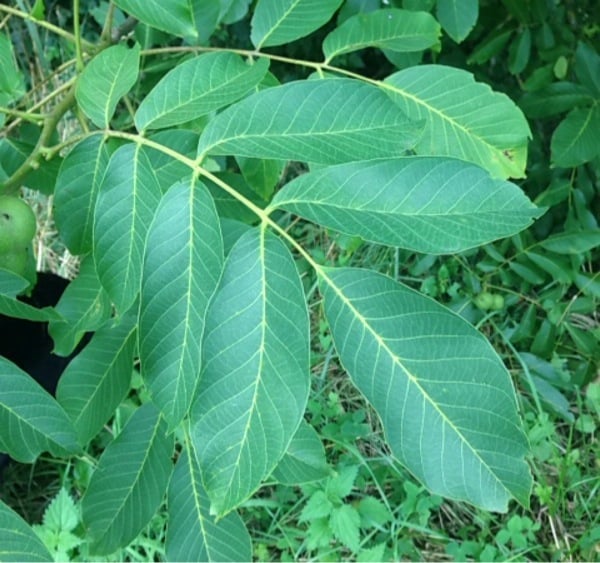
Common walnut
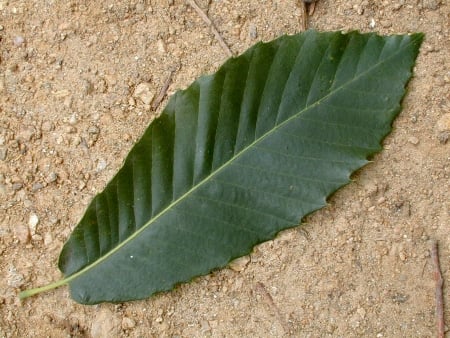
Sweet chestnut
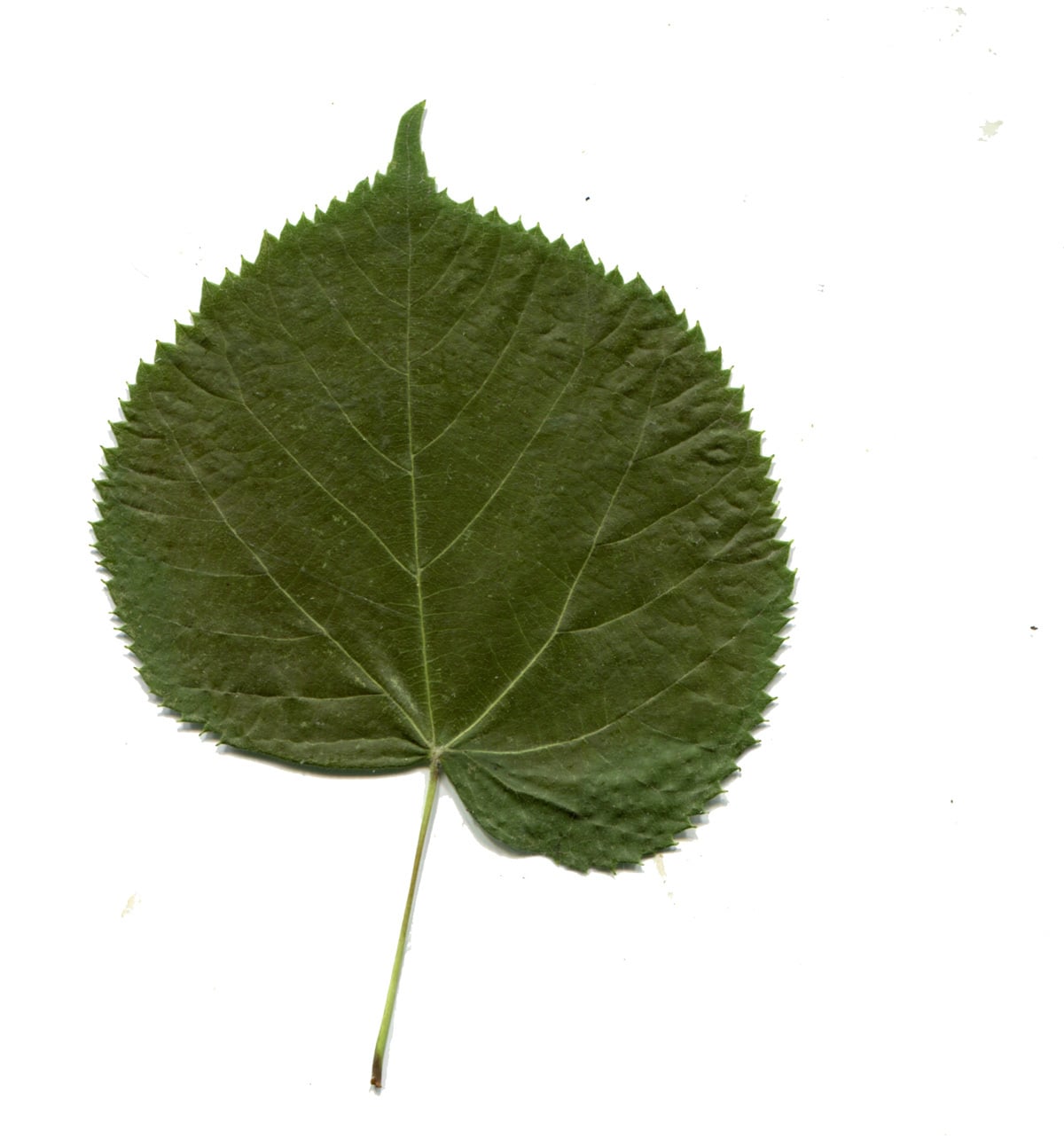
Small-leaved lime
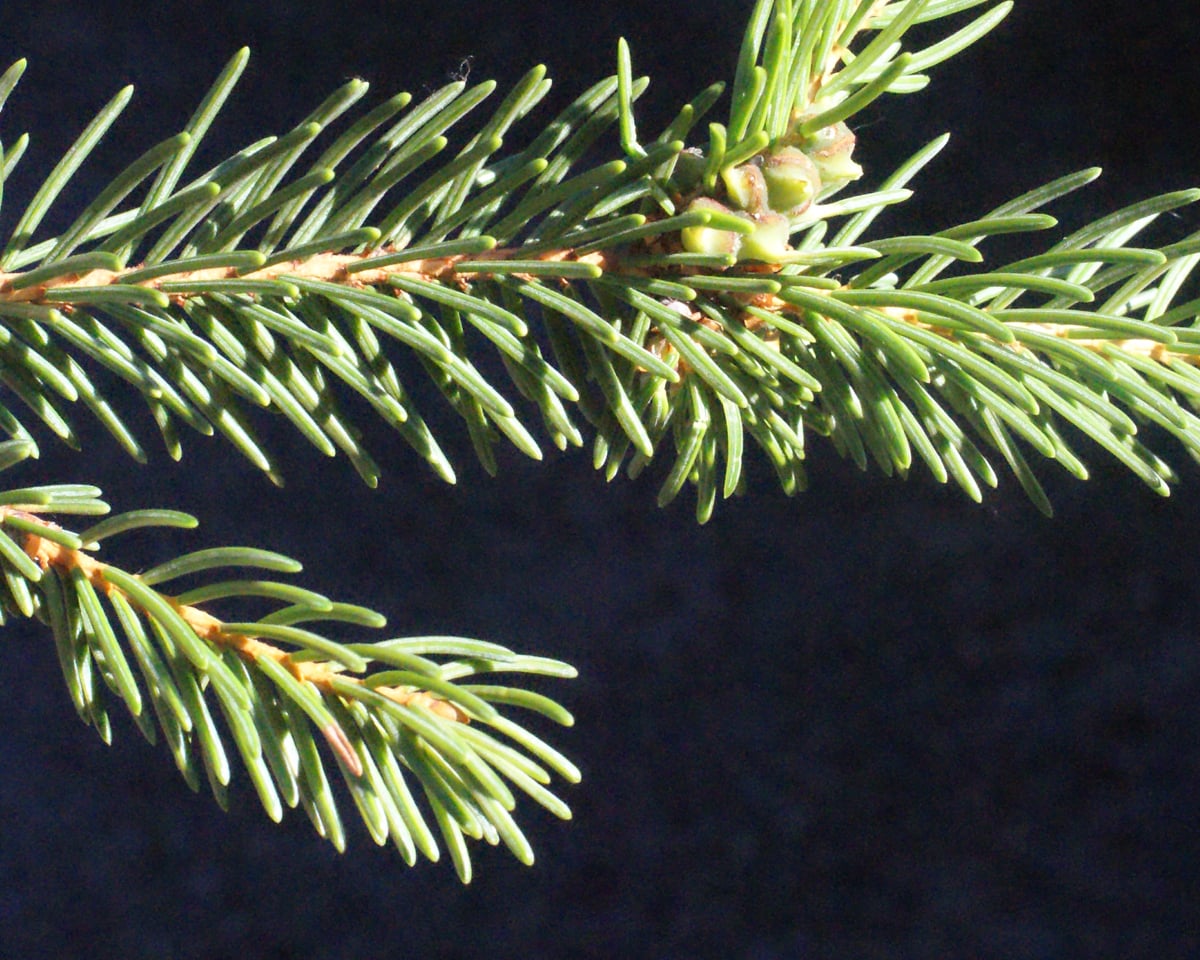
Norway spruce
+7

Free, no account needed.

🍃 Leaves
Compound, 9 to 13 toothed leaflets
🌸 Flowers
Small, petal-less, in dense clusters
🍎 Fruits
Elongated samaras in bunches persisting through winter
🪵 Bark
Grey, smooth then finely fissured
Distribution, pollinators, uses
🗺️ Distribution
Europe; very common in France, notably in lowlands and along watercourses
🐝 Value for pollinators
Early petal-less flowering, not very attractive to pollinators, mostly wind-pollinated
✂️ Horticultural uses
Planted in avenues, in rural hedges or managed in forestry for its flexible timber

⚠️ Possible toxicity

No known toxicity

⚠️ Look-alike species

Common ash
Common ash
Fraxinus excelsior
Box elder
Box elder
Acer negundo

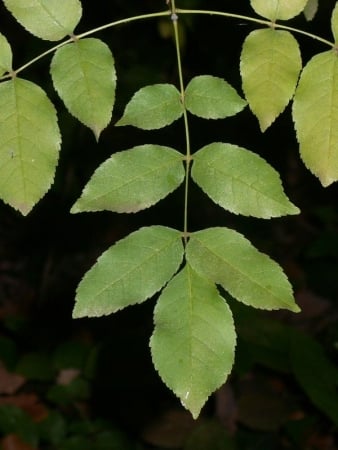
The common ash has opposite, lanceolate, toothed leaflets, without the double-winged fruits typical of maples; the box elder, despite its almost identical compound leaves, is recognised by its opposite green buds and its samaras winged in pairs.
See the full comparison →
Common ash
Common ash
Fraxinus excelsior
Manna ash
Manna ash
Fraxinus ornus

The common ash has petal-less, inconspicuous flowers and larger leaflets, whereas the manna ash has small, clearly visible scented white flowers and smaller leaflets.

See the full comparison →

ℹ️ Educational profile — do not use it to judge whether a plant is edible or safe.

🌱 This database is constantly evolving — species and information are added and corrected regularly. Spotted a mistake? Report it below.

© Floraneo — profile content is protected; reproduction without permission is prohibited. Photos remain under their own licence (see the credit shown on each photo).