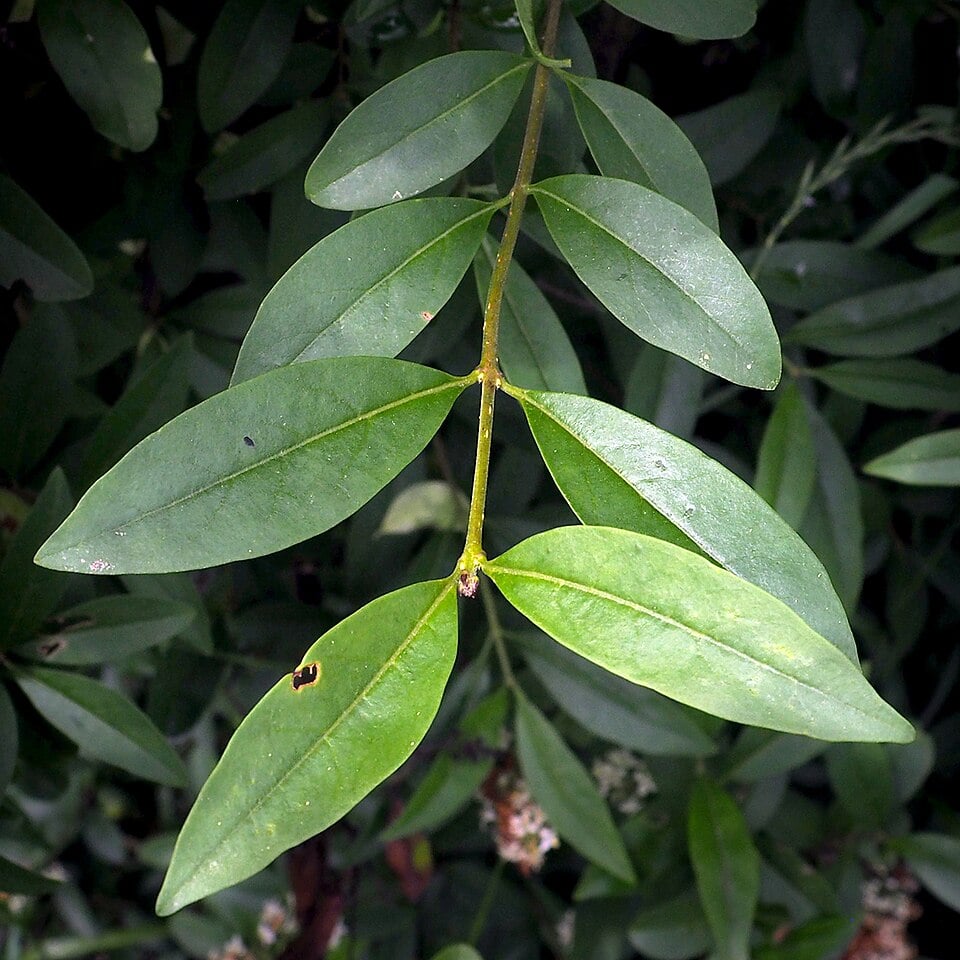
Leaf
Salicyna, Wikimedia · CC BY-SA 4.0
Forsythia
Forsythia x intermedia
Also known as: Border forsythia
Family: Oleaceae
2 to 3 m tall
Very widely planted in hedges and gardens
Flowering: March, before the leaves
Full sun
Part shade
Very hardy, to -20°C
❓ How do you recognise this plant?
One of the very first shrubs to flower, covering the bare stems in bright yellow from March.
🍃 Leaves
Opposite, ovate, toothed, appearing after flowering
🌸 Flowers
Bright yellow, four narrow petals, densely covering the stems
🍎 Fruits
Small capsules, rarely produced in cultivation
🪵 Bark
Grey-brown, arching stems
🗺️ Distribution
Garden hybrid of Asian origin; very widely grown in France as an ornamental shrub, not wild.
🐝 Value for pollinators
Very early yellow flowers, a source of pollen for the first bees, although not very nectar-rich.
✂️ Horticultural uses
Planted as a flowering hedge or in borders for its spectacular late-winter yellow display.
⚠️ Possible toxicity
No known toxicity.
🌱 Known cultivars
Lynwood
The best-selling forsythia in garden centres: upright habit, very abundant, early bright yellow flowers appearing along all the wood before the leaves.
Spectabilis
Historic cultivar at the origin of many other forsythias, recognisable by its particularly dense, generous flowering, in tight clusters along the stems.
🌿 Other Oleaceae to discover
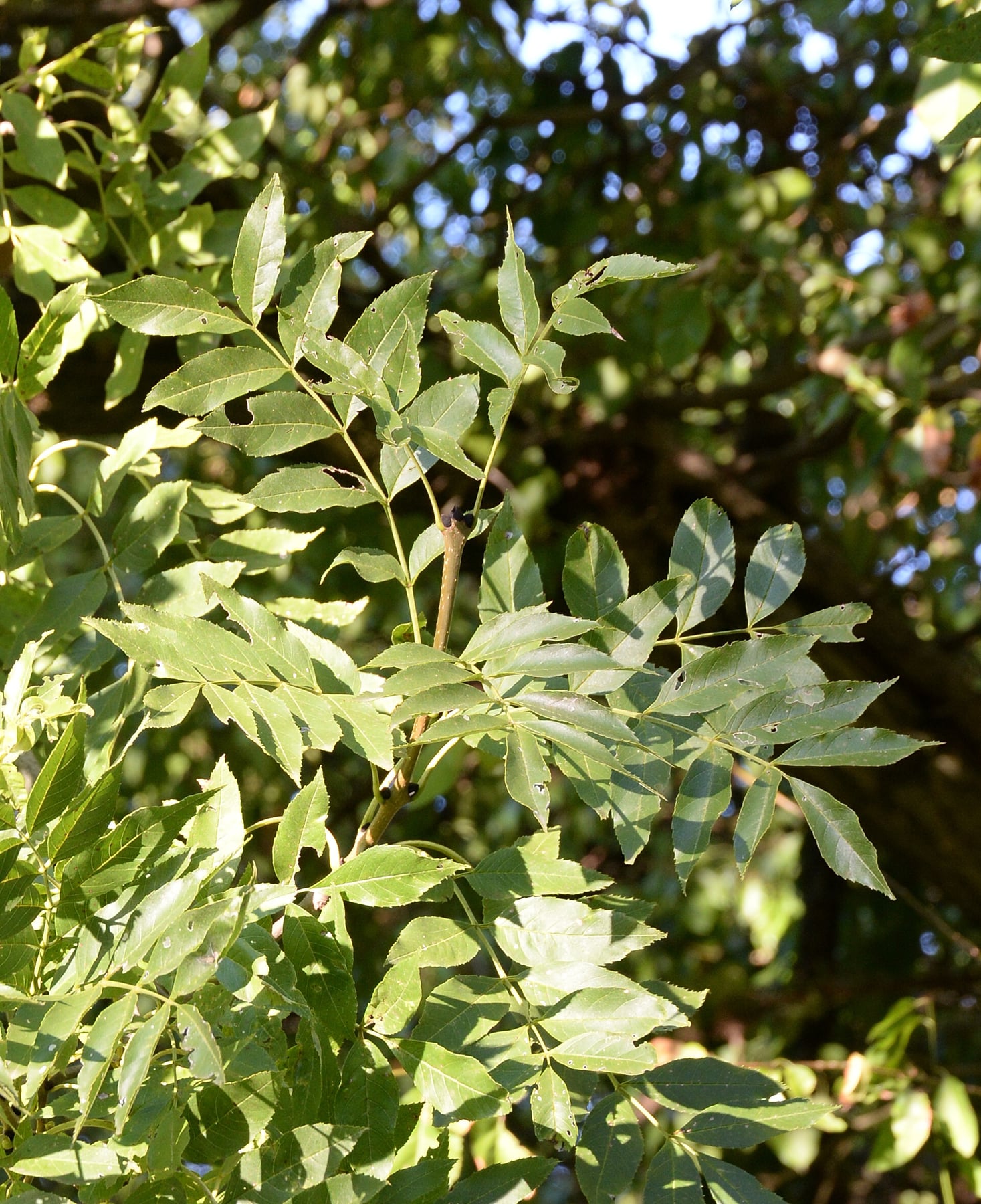
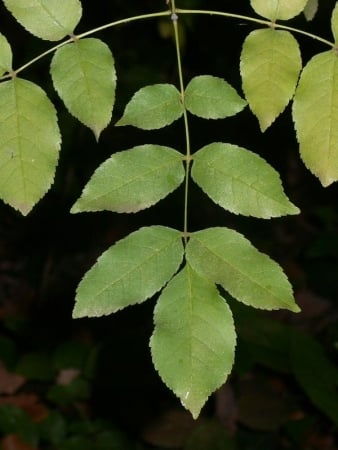

ℹ️ Educational profile — do not use it to judge whether a plant is edible or safe.
🌱 This database is constantly evolving — species and information are added and corrected regularly. Spotted a mistake? Report it below.
© Floraneo — profile content is protected; reproduction without permission is prohibited. Photos remain under their own licence (see the credit shown on each photo).