Leaf
Daniel VILLAFRUELA, Wikimedia · CC BY-SA 4.0
Garden privet
Ligustrum ovalifolium Hassk.
Also known as: California privet, Oval-leaved privet
Family: Oleaceae
2 to 4 m tall (generally clipped to 1-2 m as a hedge)
Clipped hedges in towns and gardens; one of the most widely planted hedges in France
Flowering: June – July
Full sun
Part shade
Hardy to about -15°C
❓ How do you recognise this plant?
Unlike wild privet (Ligustrum vulgare), which is generally deciduous, it only loses its leaves in severe frost — it is this almost evergreen foliage that made it the best-selling garden hedge in France for decades. Wild privet, native to French hedges, has thinner, duller leaves that almost all fall in winter, whereas garden privet keeps dense, glossy foliage almost all year.
🍃 Leaves
Almost evergreen, ovate, glossy green (or golden in the very widespread cultivar 'Aureum'), falling only in harsh winters
🌸 Flowers
Small, white, in dense panicles, with a strong smell
🍎 Fruits
Small toxic black berries, in autumn
🪵 Bark
Slender grey-brown twigs
🗺️ Distribution
Native to Japan, introduced and widely planted in Europe as a hedging shrub
🐝 Value for pollinators
Nectar-yielding flowers, but the smell is thought unpleasant by some
✂️ Horticultural uses
One of the most common clipped hedges in France, resists pollution and repeated clipping well
⚠️ Possible toxicity
Berries toxic if eaten (digestive upset)
🌱 Known cultivars
'Aureum'
The cultivar 'Aureum', known as golden privet, has leaves broadly margined or tinged with bright yellow, very different from the entirely green foliage of the species. It has received the RHS Award of Garden Merit and remains almost the only form offered by nurseries for ornamental hedges in France.
⚠️ Look-alike species
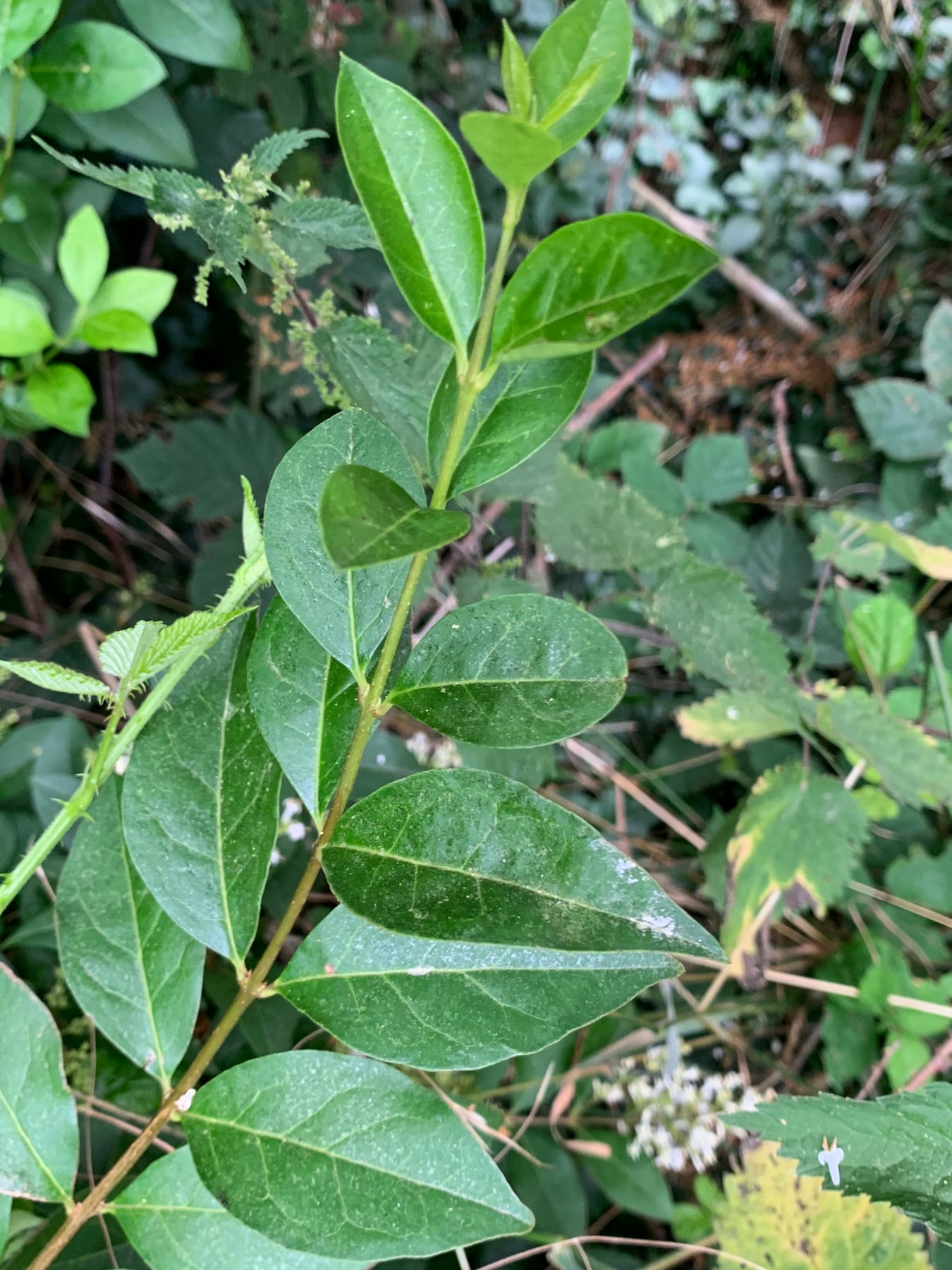
Garden privet
Ligustrum ovalifolium
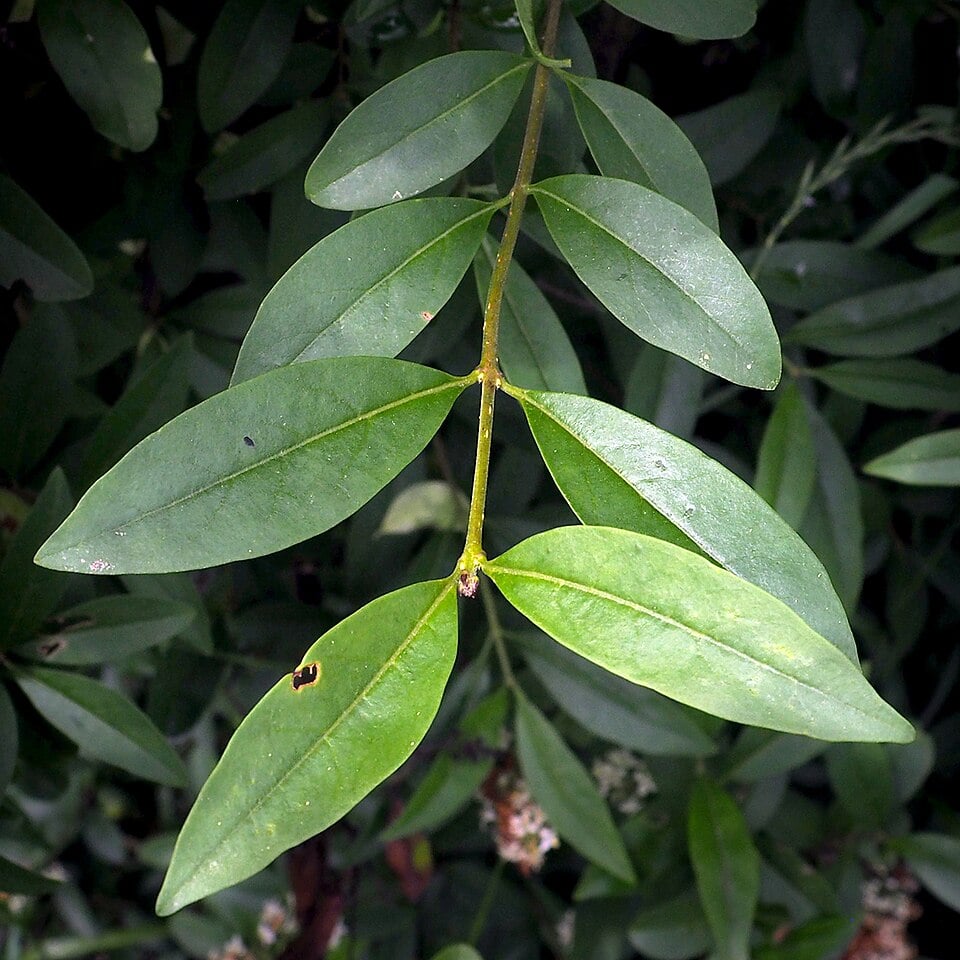
Wild privet
Ligustrum vulgare
Wild privet, native to French hedges, has thinner, duller leaves that almost all fall in winter, whereas garden privet keeps dense, glossy foliage almost all year.
🌿 Other Oleaceae to discover
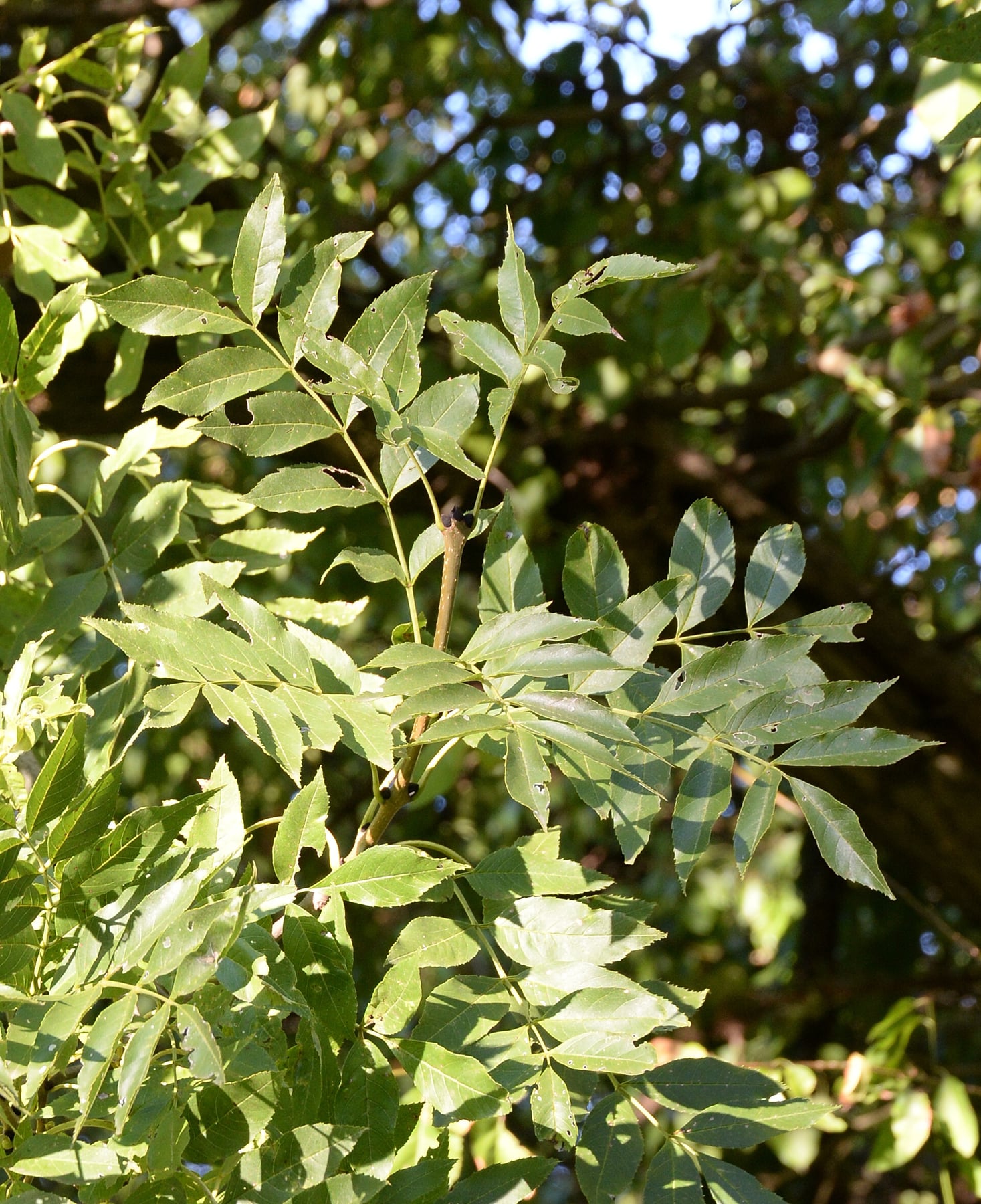
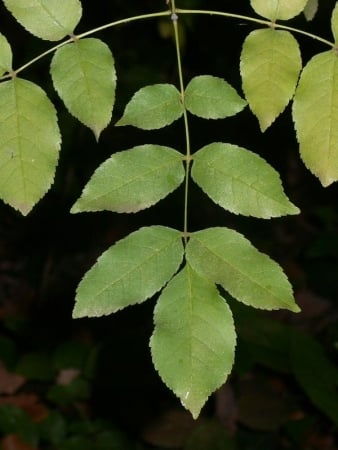


ℹ️ Educational profile — do not use it to judge whether a plant is edible or safe.
🌱 This database is constantly evolving — species and information are added and corrected regularly. Spotted a mistake? Report it below.
© Floraneo — profile content is protected; reproduction without permission is prohibited. Photos remain under their own licence (see the credit shown on each photo).