Leaf
Rodion Andreev, Wikimedia · CC BY 4.0
Tufted vetch
Vicia cracca L.
Also known as: Cow vetch, Bird vetch
Family: Fabaceae
60 cm to 1.5 m, in climbing stems
Meadows, hedges, banks, woodland edges
Flowering: June – August
Full sun
Part shade
Hardy to -15°C
❓ How do you recognise this plant?
Dense, one-sided raceme of small blue-violet flowers — very recognisable in June meadows. Both are legumes with large compound leaves, but wild tufted vetch climbs by tendrils and bears small violet flowers in a raceme, whereas the cultivated broad bean is upright with large white flowers blotched with black.
🍃 Leaves
Many small narrow leaflets, ending in a branched tendril
🌸 Flowers
Blue-violet, numerous, in a dense one-sided raceme
🍎 Fruits
Small brown pods
🪵 Bark
Climbing herbaceous stem, slightly hairy
🗺️ Distribution
Europe, temperate Asia; very common in meadows and grassy banks in France.
🐝 Value for pollinators
Blue-violet flower clusters very rich in nectar, among the most visited by bumblebees in meadows.
✂️ Horticultural uses
Wildflower meadows, naturalistic gardens; light climbing plant with tendrils, little grown in ornamental borders.
⚠️ Possible toxicity
Seeds slightly toxic in large quantities (like other wild legumes).
⚠️ Look-alike species
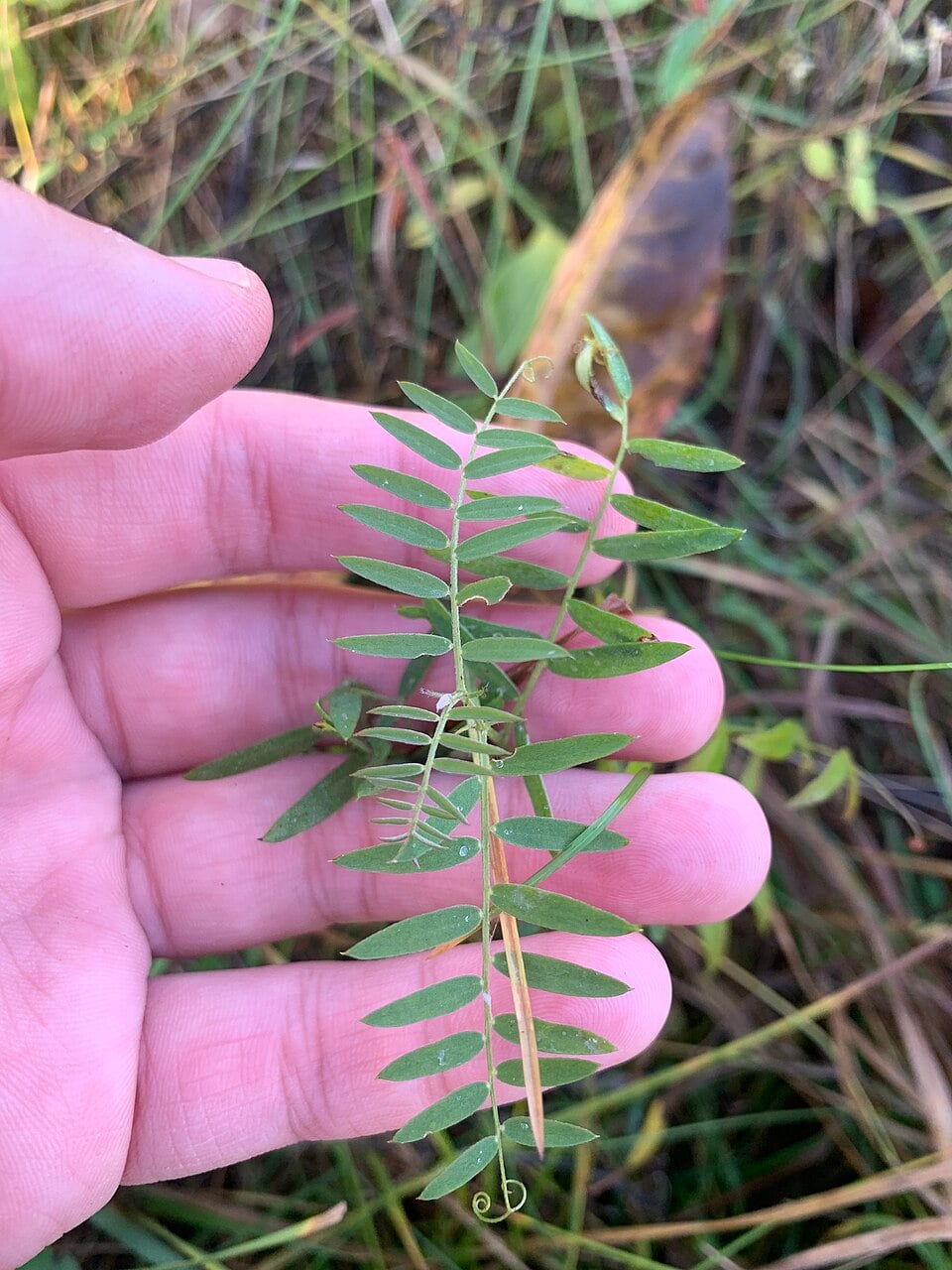
Tufted vetch
Vicia cracca
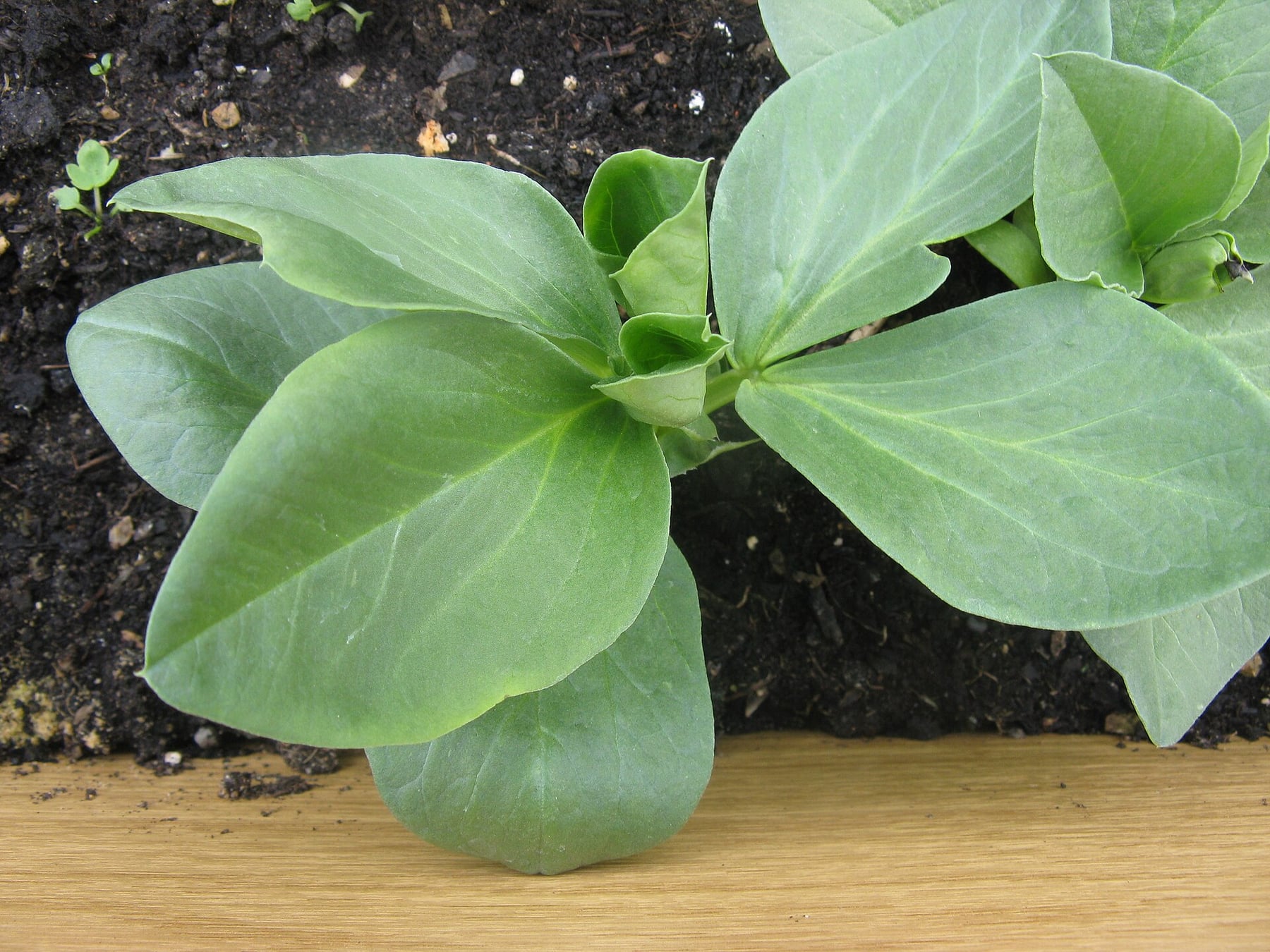
Broad bean
Vicia faba
Both are legumes with large compound leaves, but wild tufted vetch climbs by tendrils and bears small violet flowers in a raceme, whereas the cultivated broad bean is upright with large white flowers blotched with black.
🌿 Other Fabaceae to discover
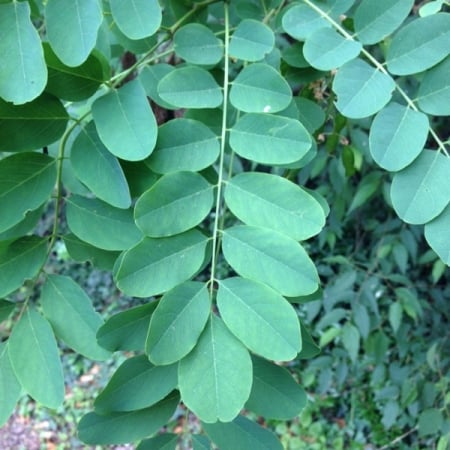
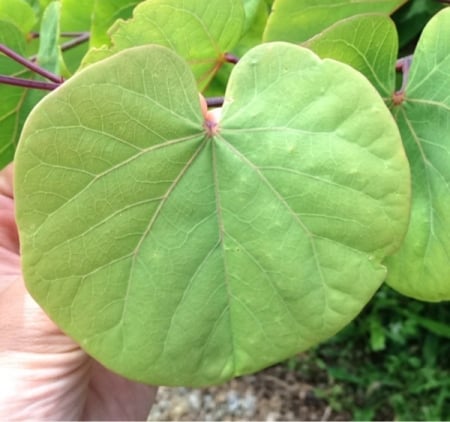


ℹ️ Educational profile — do not use it to judge whether a plant is edible or safe.
🌱 This database is constantly evolving — species and information are added and corrected regularly. Spotted a mistake? Report it below.
© Floraneo — profile content is protected; reproduction without permission is prohibited. Photos remain under their own licence (see the credit shown on each photo).