Leaf
Schlaghecken Josef, Wikimedia · CC BY-SA 4.0
Broad bean
Vicia faba L.
Also known as: Fava bean, Faba bean, Horse bean
Family: Fabaceae
50 cm to 1.20 m tall
Grown in vegetable gardens and as a field crop (field bean)
Flowering: March – June
Full sun
Fairly hardy, tolerates moderate frosts, often sown in autumn in the south
❓ How do you recognise this plant?
Like all legumes, broad bean lives in association with nitrogen-fixing bacteria in its roots, which naturally enriches the soil — it is often sown as a green manure. Both are legumes with large compound leaves, but wild tufted vetch climbs by tendrils and bears small violet flowers in a raceme, whereas the cultivated broad bean is upright with large white flowers blotched with black.
🍃 Leaves
Compound, pinnate, with broad rounded leaflets, without tendrils
🌸 Flowers
White with a characteristic black blotch on the wings, grouped in small numbers in the leaf axils
🍎 Fruits
Large fleshy then leathery pod, containing large flattened seeds
🪵 Bark
Erect, sturdy, square-sectioned herbaceous stem, non-climbing
🗺️ Distribution
Grown throughout France; one of the oldest legumes domesticated in the Near East
🐝 Value for pollinators
Very nectar-rich flowers, much visited by bumblebees and bees
✂️ Horticultural uses
Vegetable legume (broad bean) or fodder crop and green manure (field bean), fixes atmospheric nitrogen in the soil
⚠️ Possible toxicity
Seeds edible when cooked; may trigger favism, a severe haemolytic reaction in people with G6PD deficiency
⚠️ Look-alike species
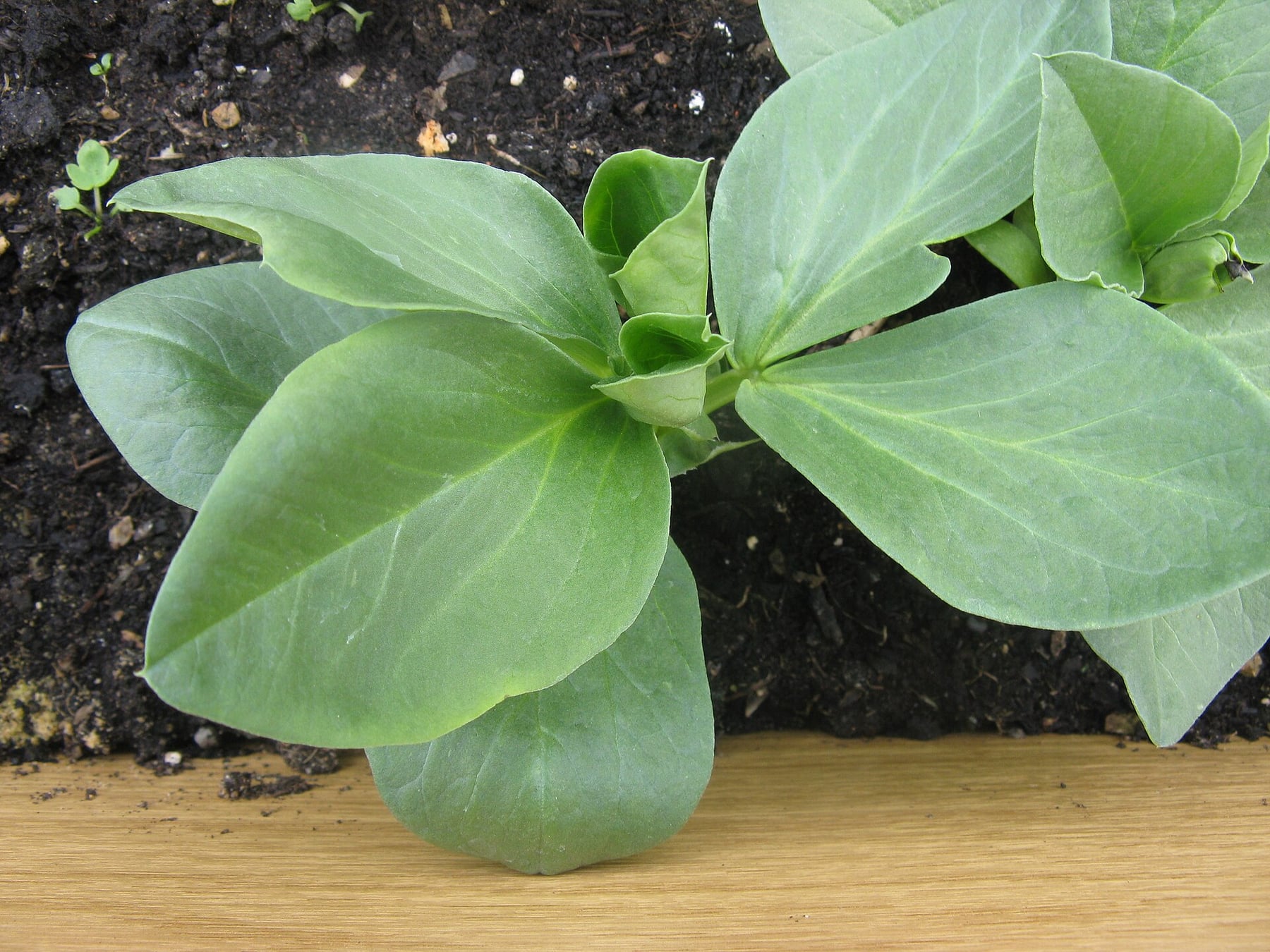
Broad bean
Vicia faba
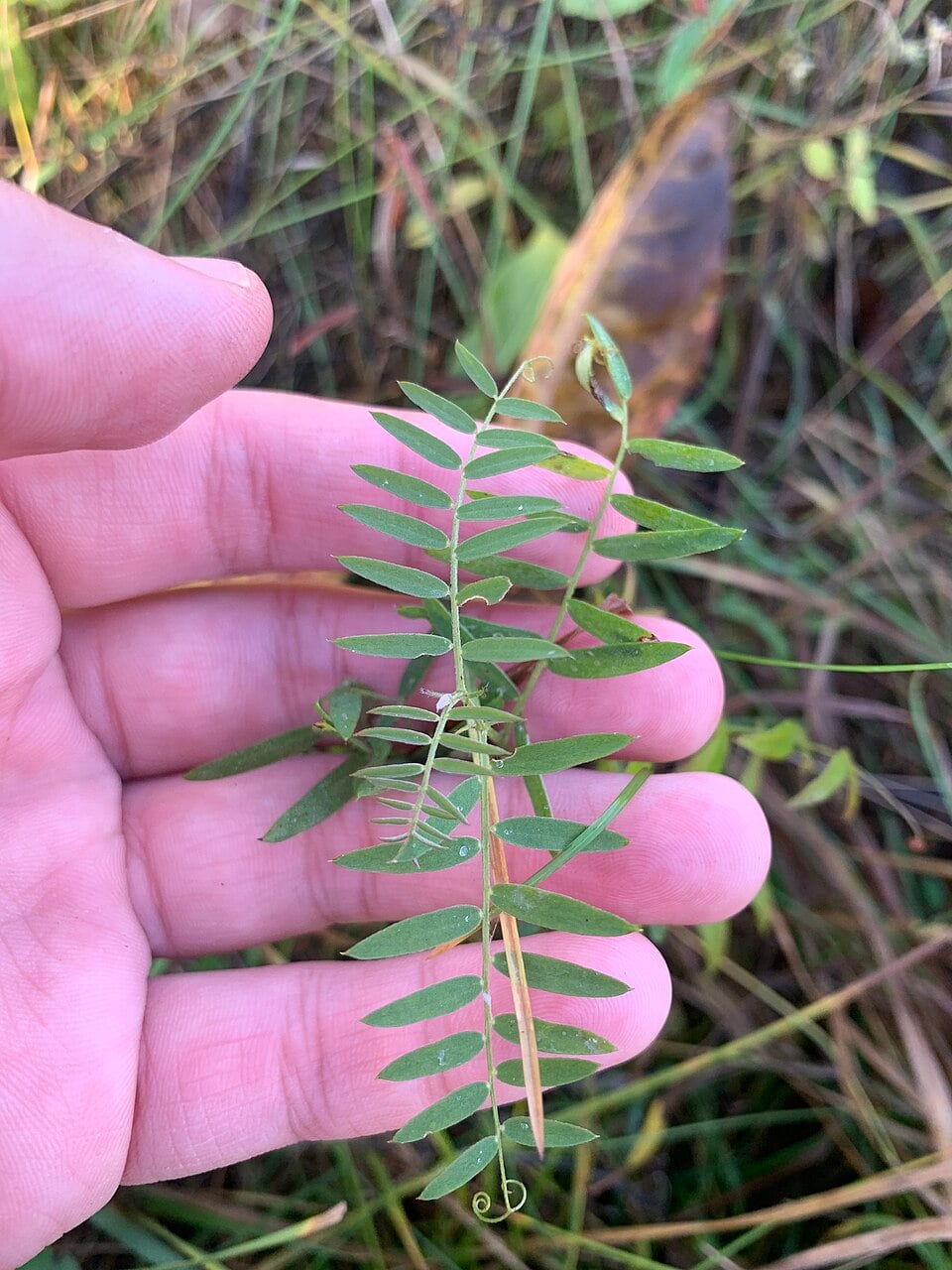
Tufted vetch
Vicia cracca
Both are legumes with large compound leaves, but wild tufted vetch climbs by tendrils and bears small violet flowers in a raceme, whereas the cultivated broad bean is upright with large white flowers blotched with black.
🌿 Other Fabaceae to discover
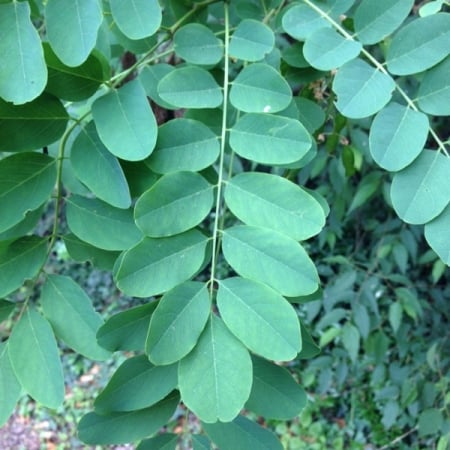
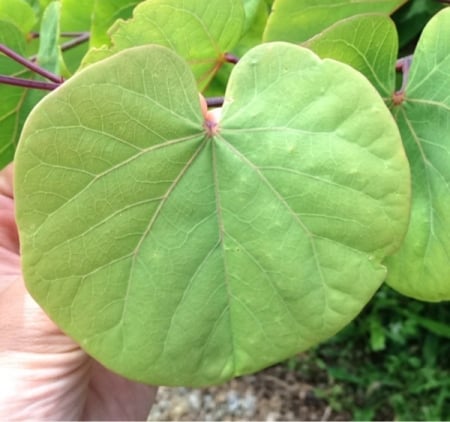


ℹ️ Educational profile — do not use it to judge whether a plant is edible or safe.
🌱 This database is constantly evolving — species and information are added and corrected regularly. Spotted a mistake? Report it below.
© Floraneo — profile content is protected; reproduction without permission is prohibited. Photos remain under their own licence (see the credit shown on each photo).