Ramsons
❓ How do you recognise this plant?
⚠️ Possible toxicity
⚠️ Look-alike species
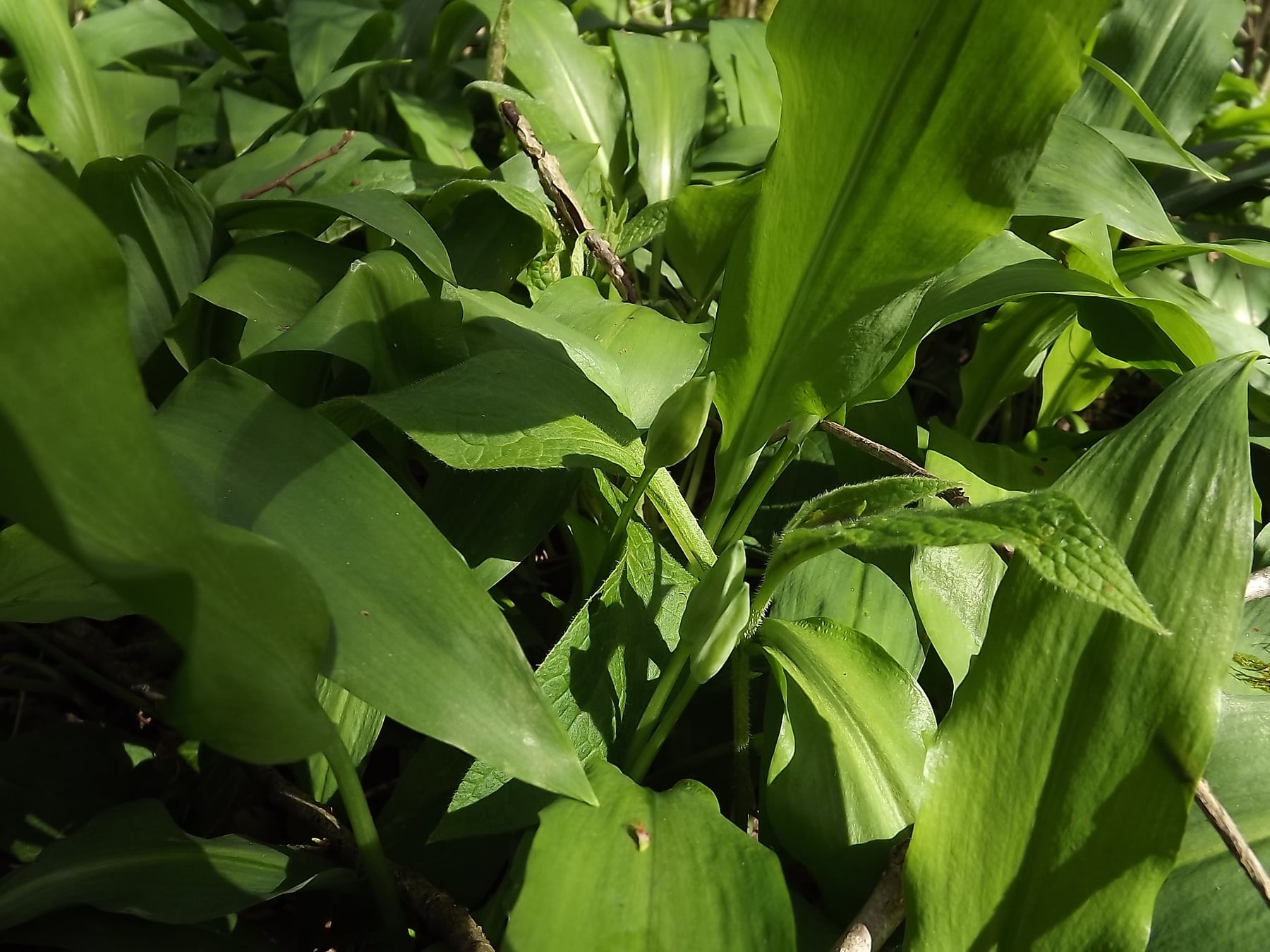
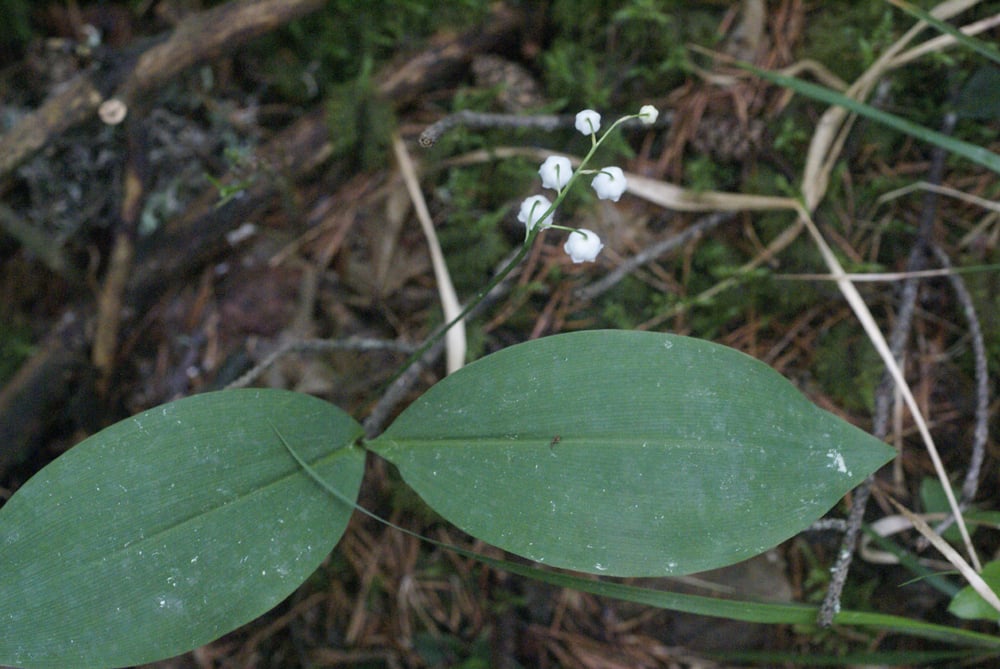
The most reliable test: crush a leaf between your fingers and smell it. Ramsons immediately gives off a strong garlic smell — lily of the valley smells of nothing at all. Its leaves are also fleshier and sheathing at the base. These are good clues, but none is an absolute guarantee on its own: at the slightest doubt, do not eat it — lily of the valley is highly toxic.
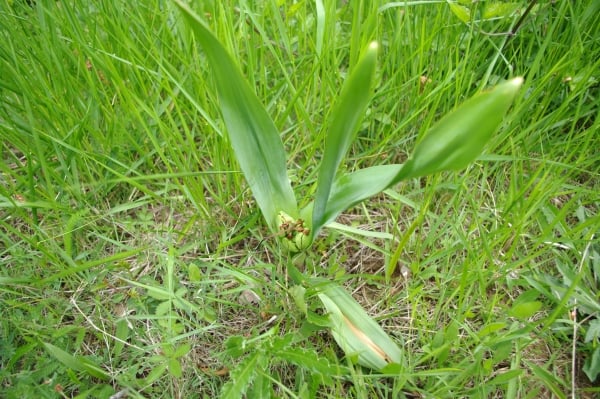
Another dangerous and well-documented confusion: the young leaves of meadow saffron, which emerge in spring, resemble those of ramsons. The same useful gesture applies: crush a leaf and smell it. Meadow saffron gives off no garlic smell, its leaves have no true petiole and emerge grouped and upright, straight from the ground in a tight rosette. But as with lily of the valley, this is only one clue among others, not a guarantee: meadow saffron is extremely toxic, with no antidote — if in doubt, never eat it.
🌿 Other Amaryllidaceae to discover
ℹ️ Educational profile — do not use it to judge whether a plant is edible or safe.
🌱 This database is constantly evolving — species and information are added and corrected regularly. Spotted a mistake? Report it below.
© Floraneo — profile content is protected; reproduction without permission is prohibited. Photos remain under their own licence (see the credit shown on each photo).