Ramsons or Meadow saffron: how to tell them apart?

Ramsons and Meadow saffron look alike and are often mixed up. Here is how to tell them apart, feature by feature, with their photos and the details to look for.
⚡ The quick answer

Another dangerous and well-documented confusion: the young leaves of meadow saffron, which emerge in spring, resemble those of ramsons. The same useful gesture applies: crush a leaf and smell it. Meadow saffron gives off no garlic smell, its leaves have no true petiole and emerge grouped and upright, straight from the ground in a tight rosette. But as with lily of the valley, this is only one clue among others, not a guarantee: meadow saffron is extremely toxic, with no antidote — if in doubt, never eat it.

🍃 Leaves
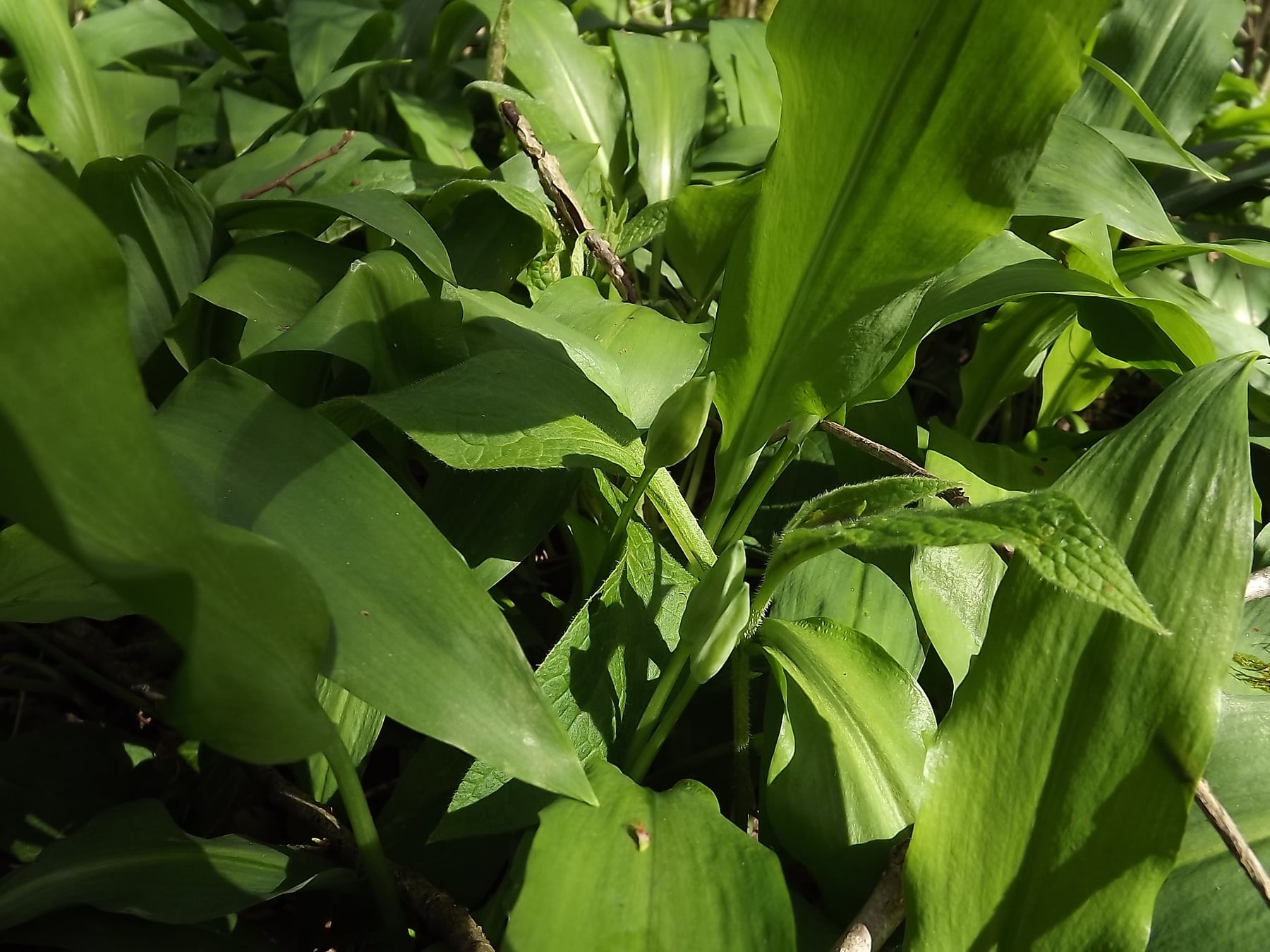
Broad, lanceolate, bright green, marked garlic smell when crushed
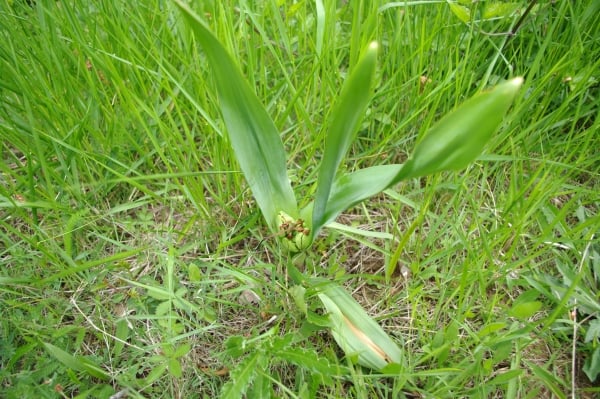
Broad, glossy, appearing in spring well after flowering
🌸 Flowers
Small white stars in a terminal umbel
Large pink cup-shaped flowers, resembling crocuses, with no visible leaves
🍎 Fruits
Small capsule with black seeds
Underground capsule appearing with the leaves in spring
🪵 Bark
Elongated underground bulb, herbaceous plant.
Underground corm, no leafy aerial stem
📏 Size
20 to 40 cm tall
10 to 20 cm tall in flower
🗺️ Habitat
Cool, damp woodland understorey, in vast carpets
Damp meadows, gardens, rich soils
⚠️ Toxicity
Leaves, flowers and bulbs edible (characteristic garlic smell). Beware of confusion with lily of the valley and meadow saffron, which are toxic: never eat a plant you have identified with any doubt.
Extremely toxic in all parts (colchicine), including the leaves, which are mistaken for ramsons; ingestion can be fatal to humans and livestock.
🔎 And from the Meadow saffron side
Another dangerous and well-documented confusion: the young leaves of meadow saffron, which come out of the ground in spring, resemble those of ramsons. The same useful gesture applies: crush a leaf and smell it. Meadow saffron gives off no garlic smell, its leaves have no true petiole and come up grouped and upright, directly from the ground in a tight rosette. But as with lily of the valley, this is only one clue among others, not a guarantee: meadow saffron is extremely toxic, with no antidote — if in doubt, never eat it.
🌿 Go further

Want to practise spotting these details on real photos? Floraneo offers profiles and quizzes for dozens of look-alike species.

ℹ️ Educational profile — do not use it to judge whether a plant is edible or safe.