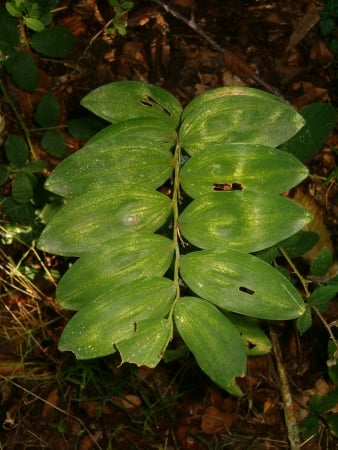
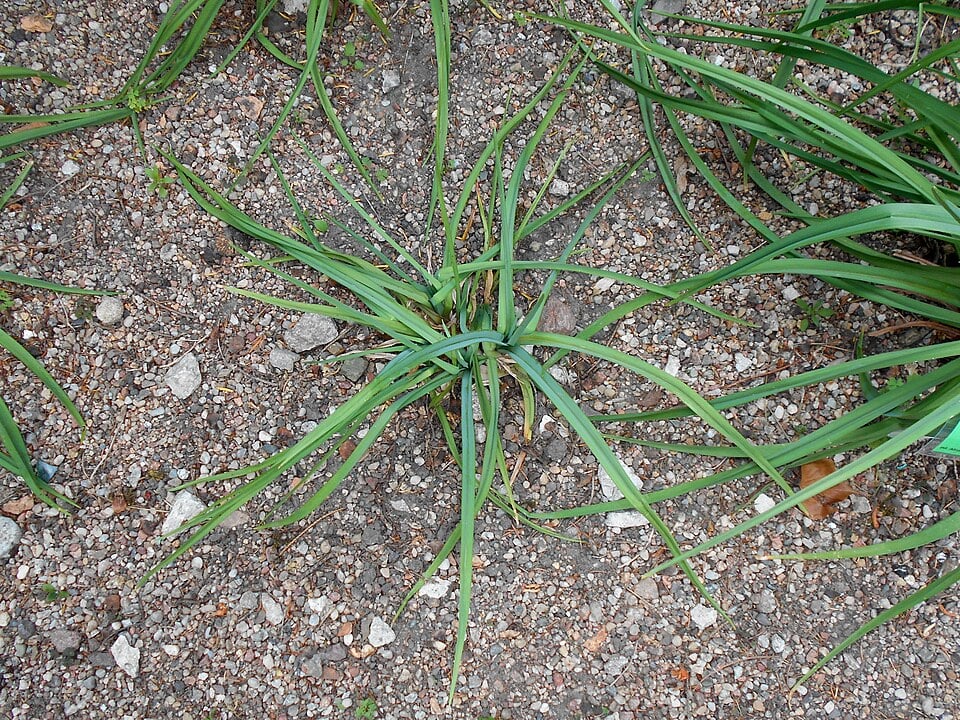
Leaf
Jean-Luc Gorremans, Tela Botanica · CC BY-SA 2.0

Meadow saffron

Colchicum autumnale L.
Also known as: Autumn crocus, Naked ladies
Family: Colchicaceae
  • 10 to 20 cm tall in flower
  • Damp meadows, gardens, rich soils
  • Full sun, Part shade
  • Hardy to -25°C

In flower from August to October

3 months

❓ How do you recognise this plant?

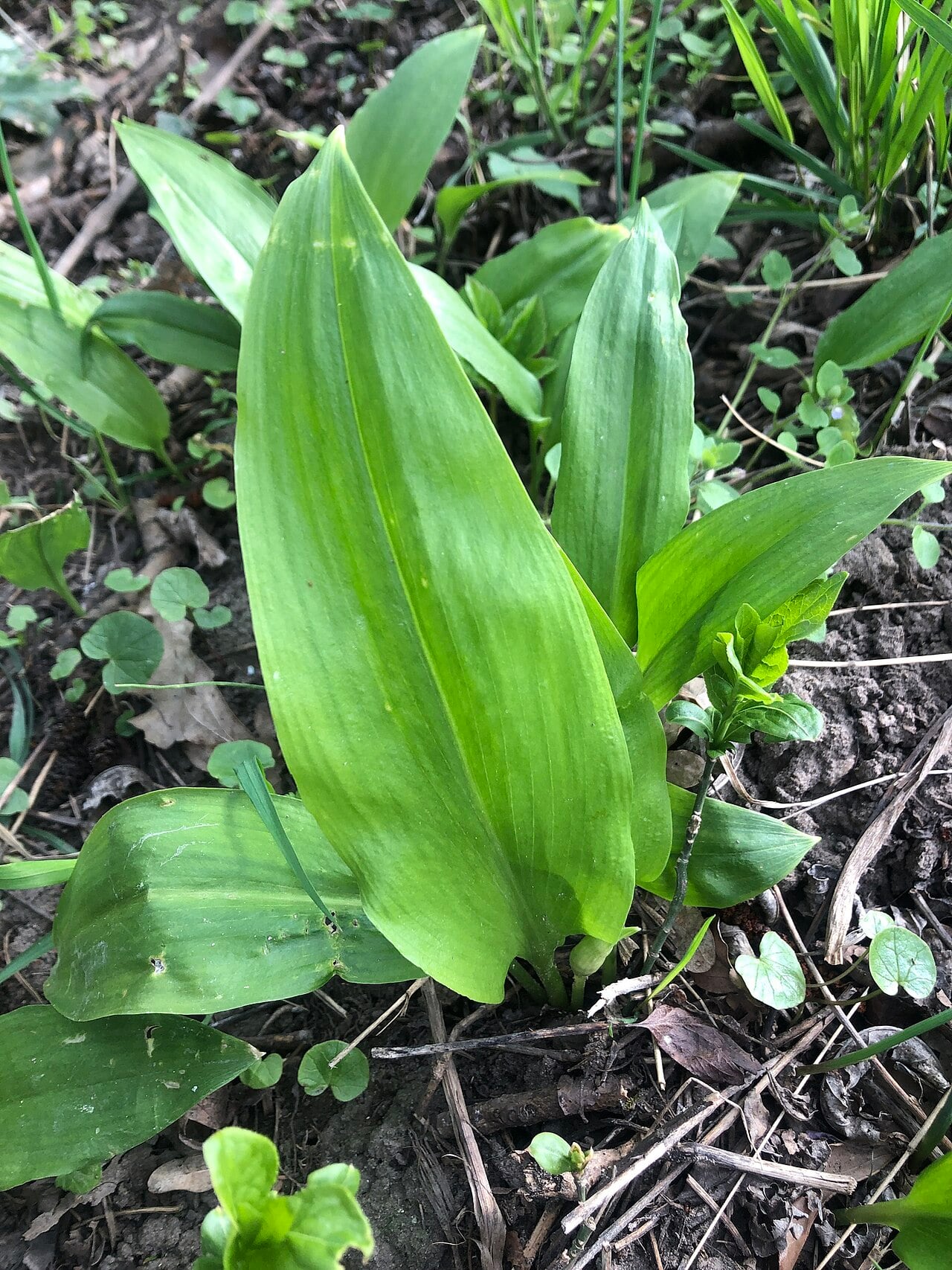
Its flowers appear in autumn completely leafless — the leaves only grow the following spring, hence its nickname 'naked ladies'. Another dangerous and well-documented confusion: the young leaves of meadow saffron, which come out of the ground in spring, resemble those of ramsons. The same useful gesture applies: crush a leaf and smell it. Meadow saffron gives off no garlic smell, its leaves have no true petiole and come up grouped and upright, directly from the ground in a tight rosette. But as with lily of the valley, this is only one clue among others, not a guarantee: meadow saffron is extremely toxic, with no antidote — if in doubt, never eat it.

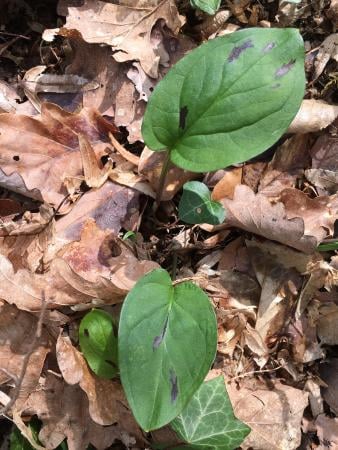
Learn to recognise it

Popular border flowers. This plant is in the lesson “Popular border flowers”, with 10 others.

Meadow saffron
Lords-and-ladies
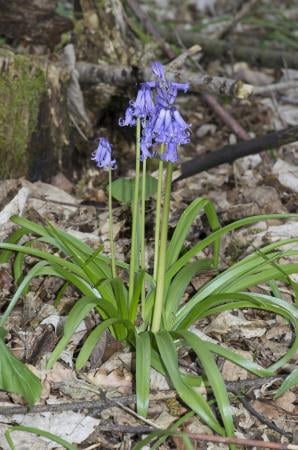
English bluebell
Common Solomon's seal
Red hot poker
+6
🍃 Leaves
Broad, glossy, appearing in spring well after flowering
🌸 Flowers
Large pink cup-shaped flowers, resembling crocuses, with no visible leaves
🍎 Fruits
Underground capsule appearing with the leaves in spring
🌿 Stem and habit
Underground corm, no leafy aerial stem
Distribution, pollinators, uses
🗺️ Distribution
Europe; common in damp lowland and mid-mountain meadows in France.
🐝 Value for pollinators
Mauve autumn flowers without leaves, a late source of nectar for the last pollinators of the season.
✂️ Horticultural uses
Naturalised in lawns and woodland, rock gardens; to be planted away from grazing areas or vegetable plots because of its toxicity.

⚠️ Possible toxicity

Extremely toxic in all parts (colchicine), including the leaves, which are mistaken for ramsons; ingestion can be fatal to humans and livestock.

⚠️ Look-alike species

Meadow saffron
Meadow saffron
Colchicum autumnale
Ramsons
Ramsons
Allium ursinum

Another dangerous and well-documented confusion: the young leaves of meadow saffron, which come out of the ground in spring, resemble those of ramsons. The same useful gesture applies: crush a leaf and smell it. Meadow saffron gives off no garlic smell, its leaves have no true petiole and come up grouped and upright, directly from the ground in a tight rosette. But as with lily of the valley, this is only one clue among others, not a guarantee: meadow saffron is extremely toxic, with no antidote — if in doubt, never eat it.
See the full comparison →

ℹ️ Educational profile — do not use it to judge whether a plant is edible or safe.

🌱 This database is constantly evolving — species and information are added and corrected regularly. Spotted a mistake? Report it below.

© Floraneo — profile content is protected; reproduction without permission is prohibited. Photos remain under their own licence (see the credit shown on each photo).