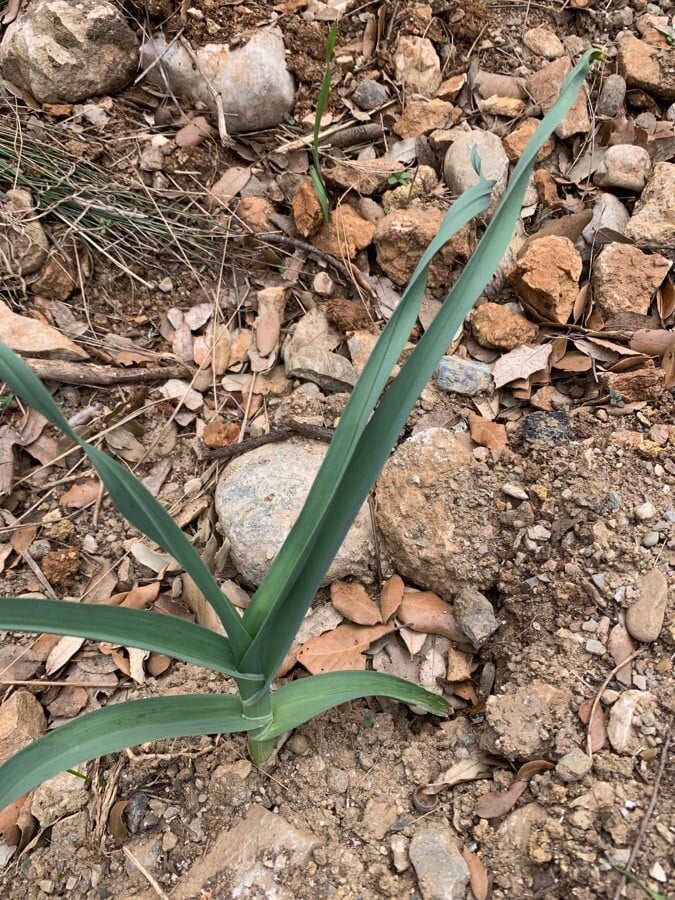
Leaf
Hervé Goëau, Tela Botanica · CC BY-SA 2.0
Leek
Allium porrum L.
Family: Amaryllidaceae
40 to 60 cm tall
Grown in vegetable gardens, moist, rich soils
Flowering: June – August
Full sun
Hardy, withstands frost to about -15°C
❓ How do you recognise this plant?
Leeks are "earthed up" (soil is drawn up around the stem) during cultivation to blanch the base and make it more tender. Wild leek, the wild perennial ancestor of the cultivated leek, looks almost identical: the same flat, sheathing leaves forming a false stem. But it grows in a compact clump of several tightly packed plants that come back every year without resowing, whereas the cultivated leek has to be resown each season.
🍃 Leaves
Long, flat, sheathing, blue-green, forming a white false stem at the base
🌸 Flowers
Small, white to pinkish, grouped in a dense spherical umbel
🍎 Fruits
Small capsule containing black angular seeds
🪵 Bark
Cylindrical false stem formed by the sheathing leaf bases, white at the base
🗺️ Distribution
Grown throughout France; domesticated form of wild leek (Allium ampeloprasum)
🐝 Value for pollinators
Umbels rich in nectar, appreciated by bees and hoverflies in late summer
✂️ Horticultural uses
Vegetable garden crop, grown for its edible white base
⚠️ Possible toxicity
No known toxicity to humans in normal culinary use; like other alliums (garlic, onion), potentially toxic to dogs and cats if ingested in large quantity (risk of haemolytic anaemia).
⚠️ Look-alike species
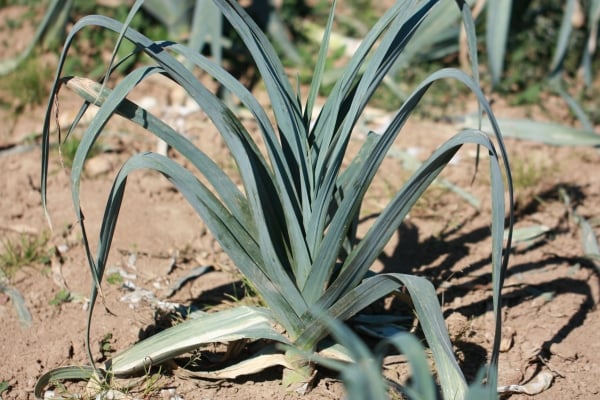
Leek
Allium porrum
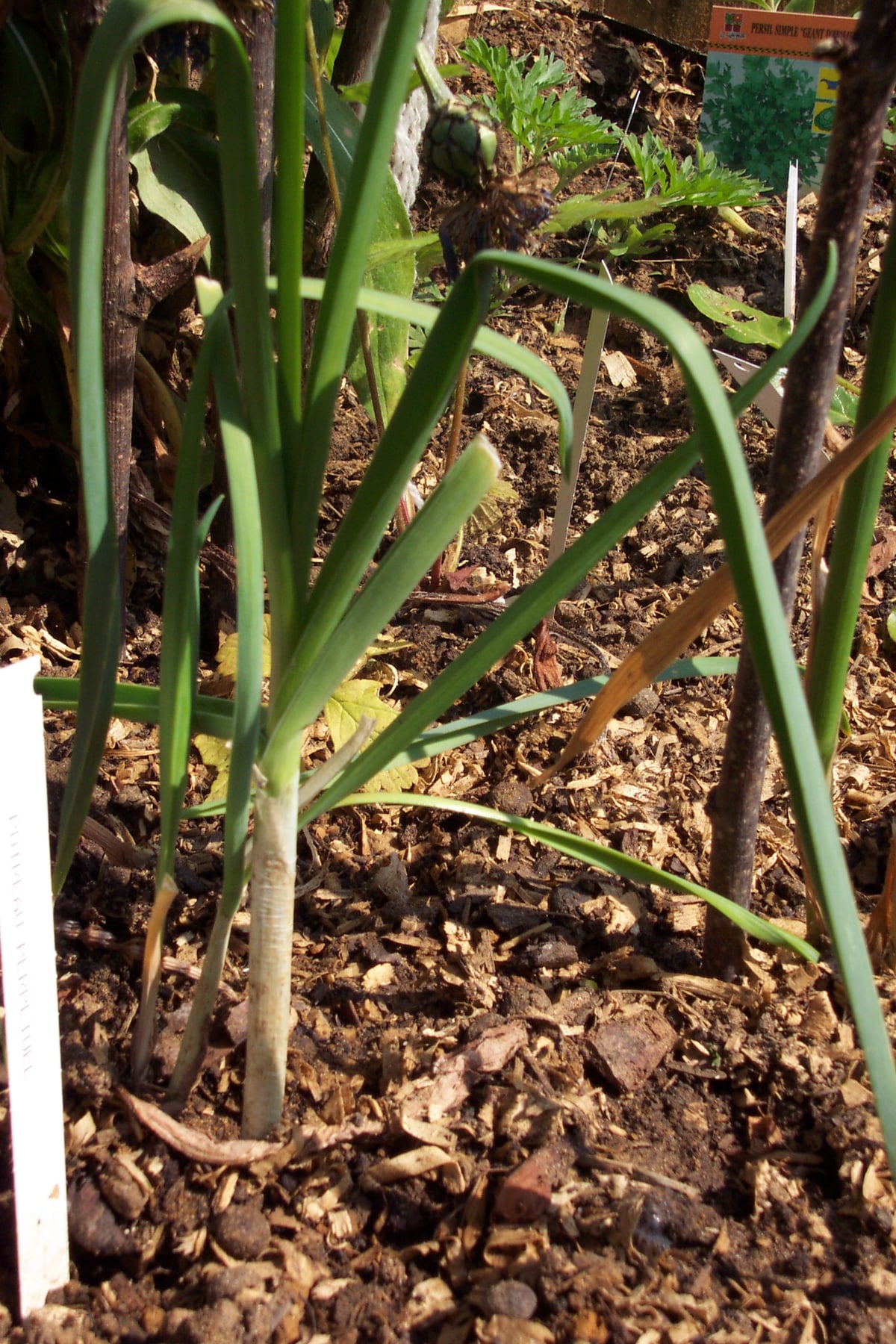
Perennial leek
Allium ampeloprasum
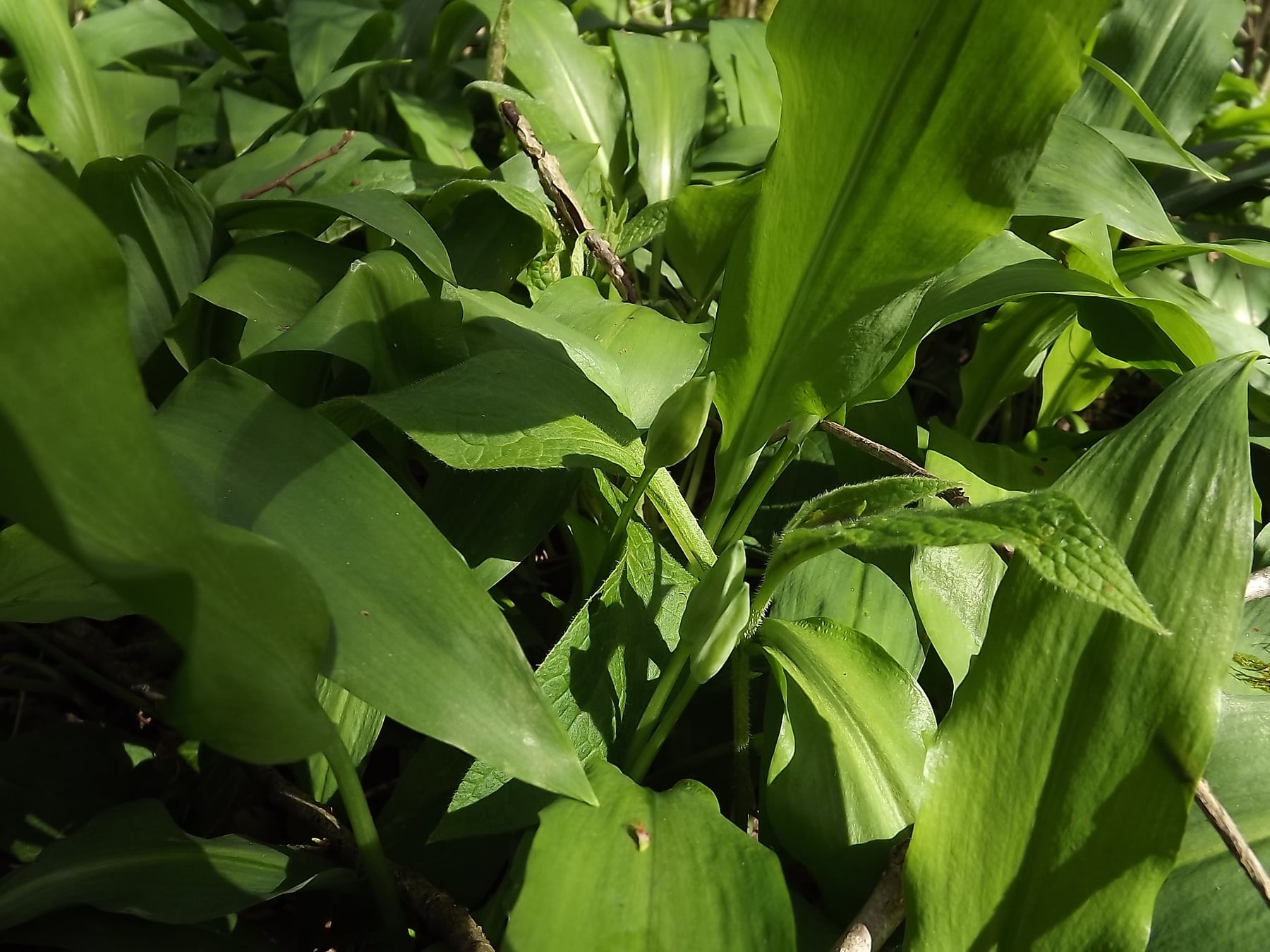
Wild leek, the wild perennial ancestor of the cultivated leek, looks almost identical: the same flat, sheathing leaves forming a false stem. But it grows in a compact clump of several tightly packed plants that come back every year without resowing, whereas the cultivated leek has to be resown each season.
🌿 Other Amaryllidaceae to discover
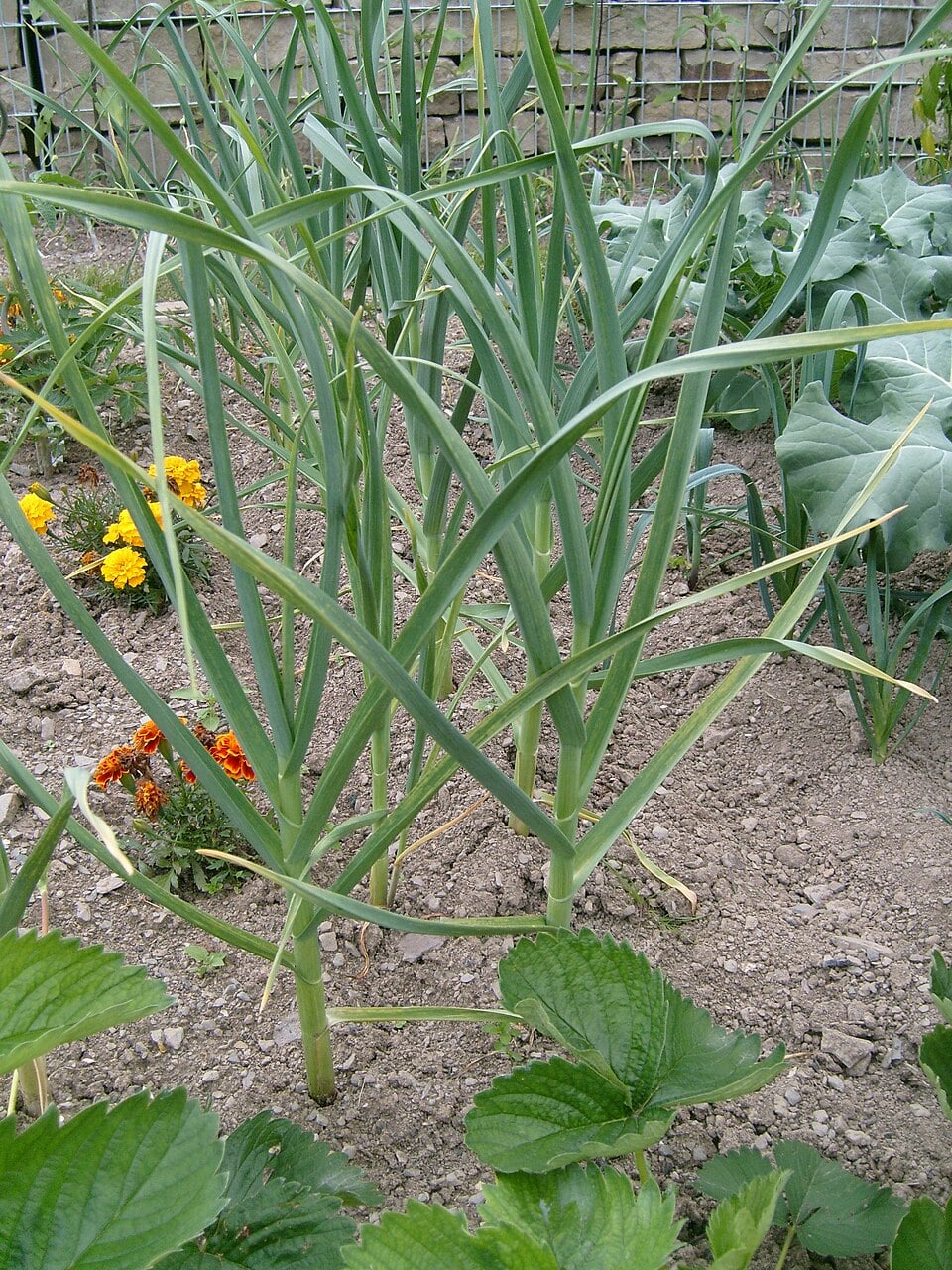
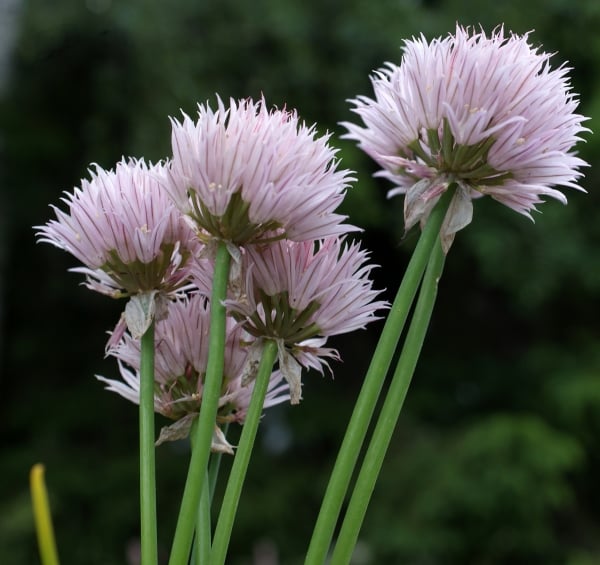
ℹ️ Educational profile — do not use it to judge whether a plant is edible or safe.
🌱 This database is constantly evolving — species and information are added and corrected regularly. Spotted a mistake? Report it below.
© Floraneo — profile content is protected; reproduction without permission is prohibited. Photos remain under their own licence (see the credit shown on each photo).