Habit
Christian Ries, wikimedia · CC BY-SA 3.0
Garlic
Allium sativum L.
Family: Amaryllidaceae
40 to 60 cm tall in flower
Grown in vegetable gardens, light, free-draining soils
Flowering: June – July
Full sun
Hardy, withstands frost
❓ How do you recognise this plant?
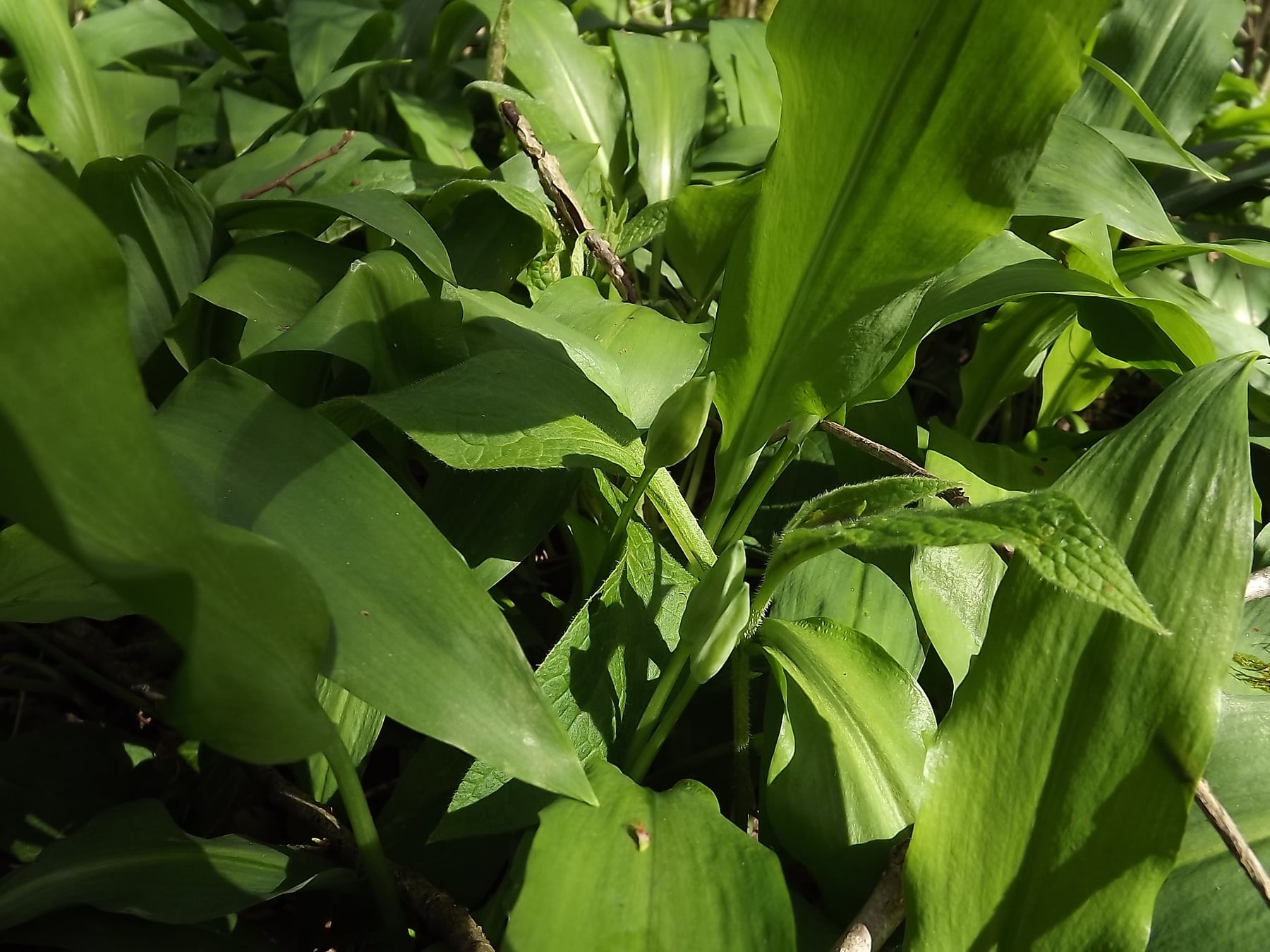
Garlic is almost always propagated by its cloves planted in the ground, rather than by seed. Garlic forms flat, strap-like leaves arising from a head of several cloves, whereas onion has tubular, hollow leaves arising from a single round bulb.
🍃 Leaves
Linear, flat, glaucous green
🌸 Flowers
White to pinkish, in an umbel, often accompanied by bulbils
🍎 Fruits
Capsule rarely formed; propagation mainly by bulbils (cloves)
🪵 Bark
Bulb made up of several cloves enclosed in white tunics, rigid flower stalk.
🗺️ Distribution
Native to central Asia; grown worldwide, very common in France
🐝 Value for pollinators
Flowers not very rich in nectar but visited by a few insects
✂️ Horticultural uses
Vegetable and culinary herb, grown for its bulb
⚠️ Possible toxicity
No known toxicity to humans — bulb edible; toxic in large quantities to dogs and cats
⚠️ Look-alike species
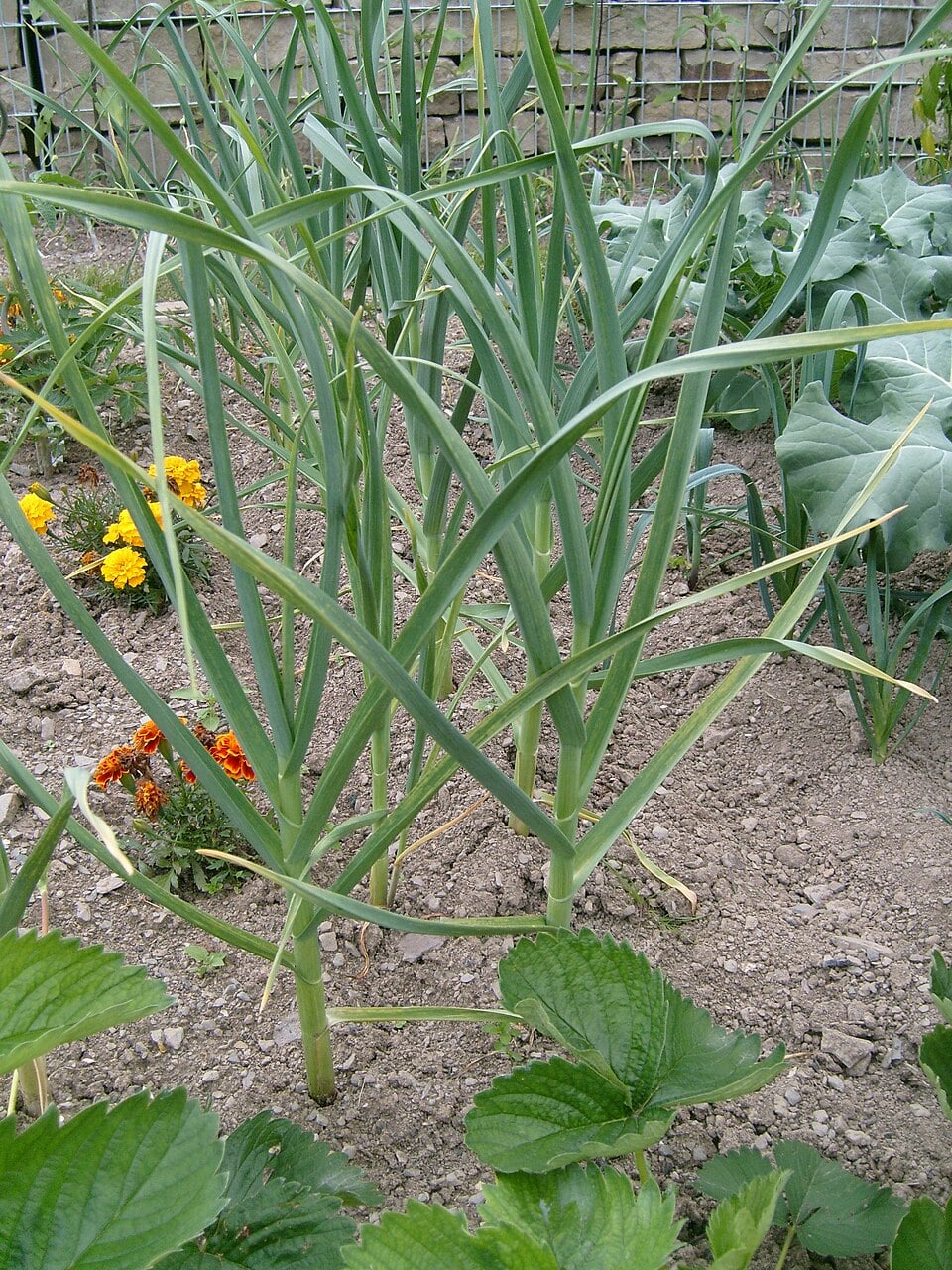
Garlic
Allium sativum
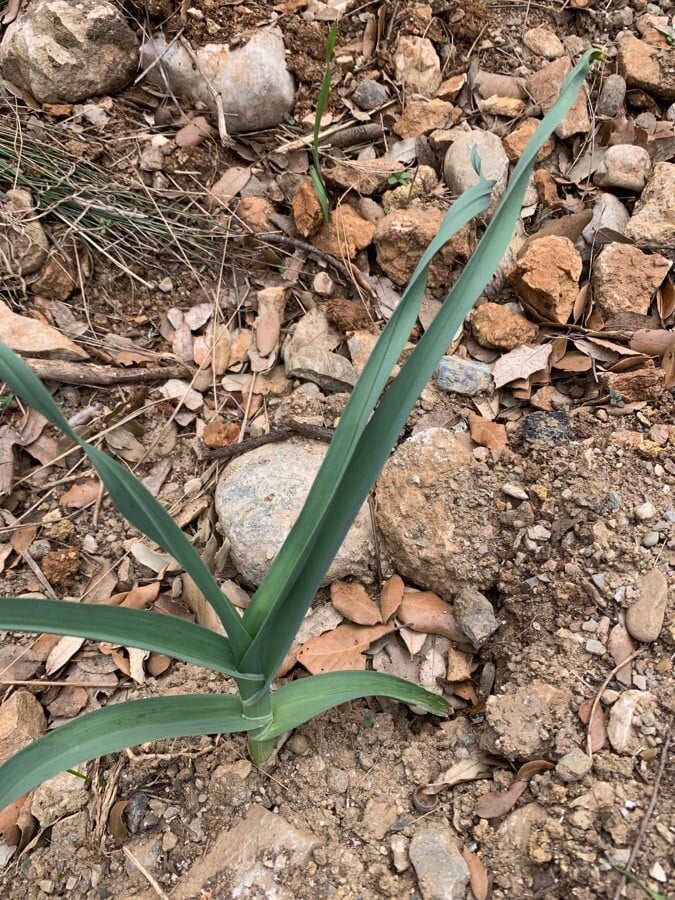
Onion
Allium cepa
Garlic forms flat, strap-like leaves arising from a head of several cloves, whereas onion has tubular, hollow leaves arising from a single round bulb.
🌿 Other Amaryllidaceae to discover
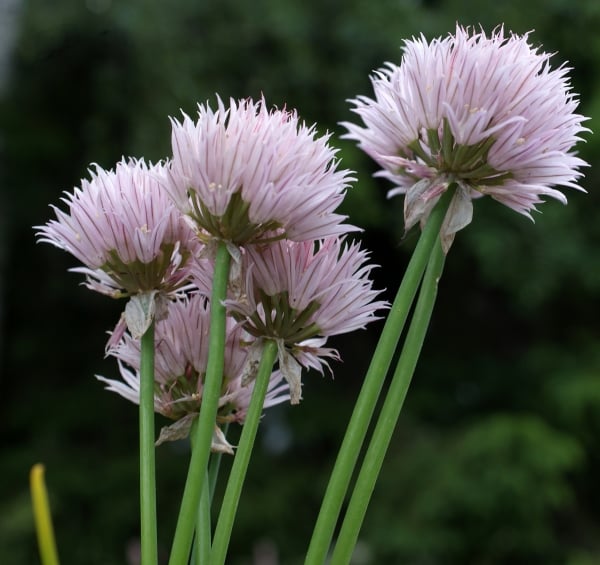
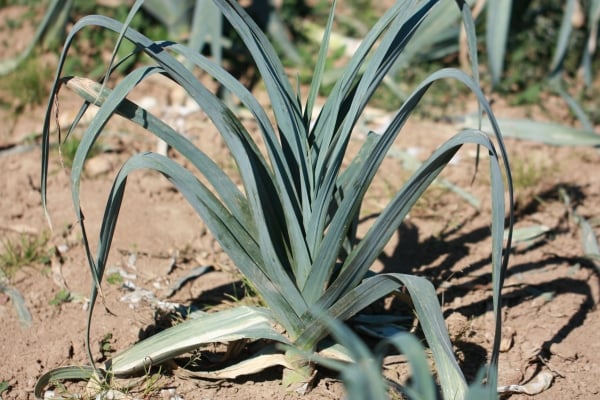
ℹ️ Educational profile — do not use it to judge whether a plant is edible or safe.
🌱 This database is constantly evolving — species and information are added and corrected regularly. Spotted a mistake? Report it below.
© Floraneo — profile content is protected; reproduction without permission is prohibited. Photos remain under their own licence (see the credit shown on each photo).