- 40 to 80 cm tall
- Dry meadows, banks, often on chalky soil
- Full sun, Part shade
- Hardy to -15°C
In flower from May to July
3 months❓ How do you recognise this plant?
Learn to recognise it
Sages, thymes and aromatic plants. This plant is in the lesson “Sages, thymes and aromatic plants”, with 10 others.
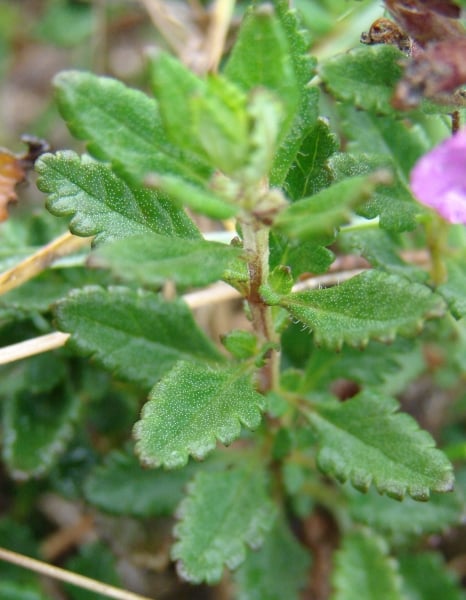
Distribution, pollinators, uses
⚠️ Possible toxicity
⚠️ Look-alike species
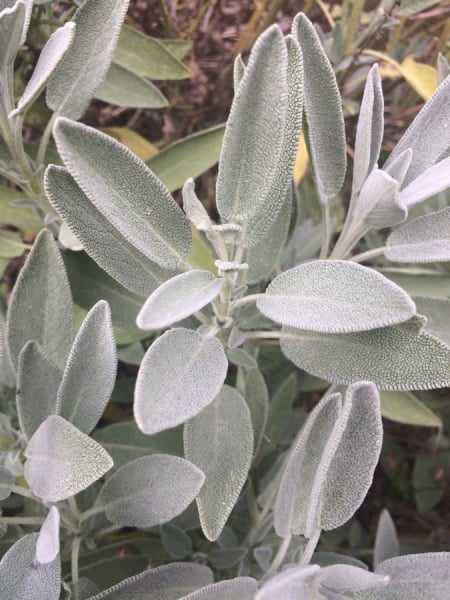
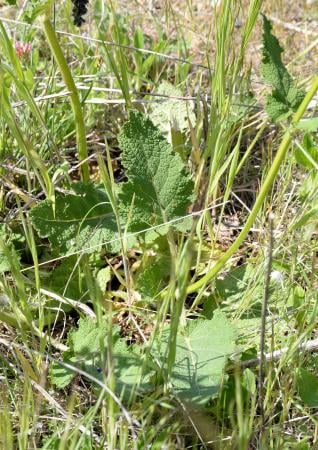
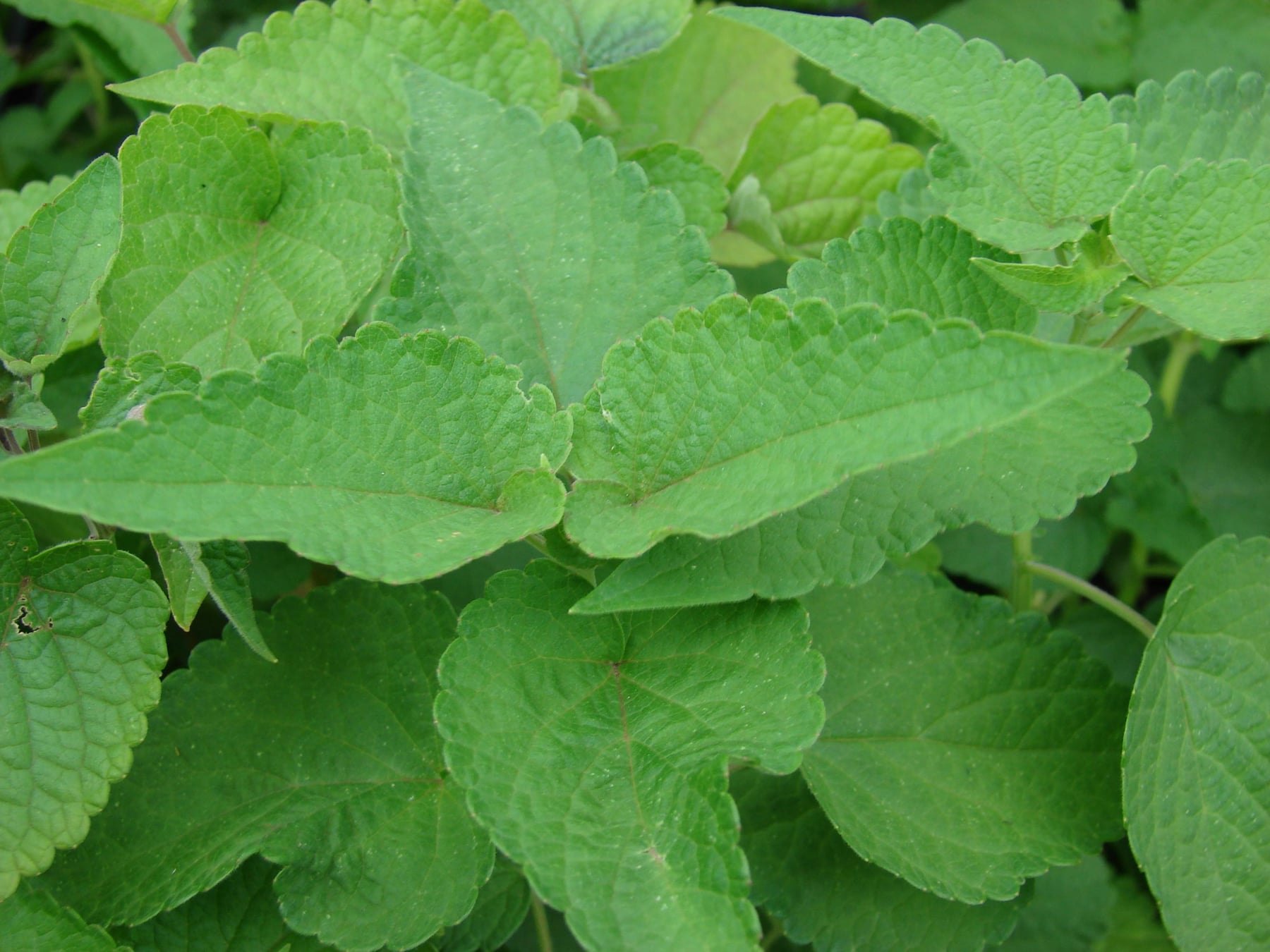
Cultivated common sage has thick, crinkled, grey-green, very aromatic leaves, whereas wild meadow clary has thinner, less aromatic leaves and smaller blue-violet flowers in loose spikes.
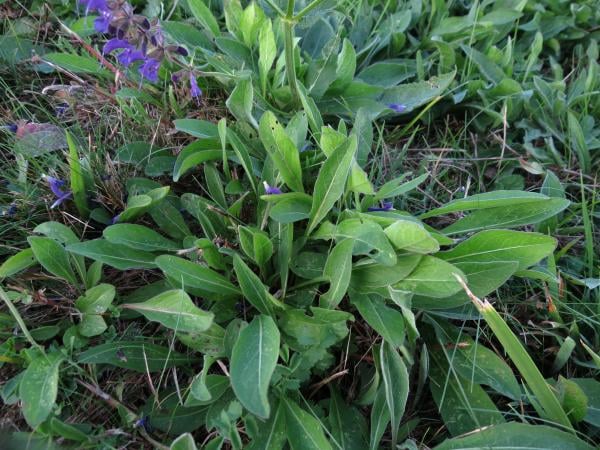
Meadow clary has larger bright blue-violet flowers, more widely spaced in loose whorls along the spike, and its leaves are mostly grouped in a basal rosette, whereas woodland sage has small violet-blue flowers packed in a dense, continuous spike, with coloured bracts that persist even after the petals have fallen, and leaves borne all along the stem.
🌿 Other Lamiaceae to discover
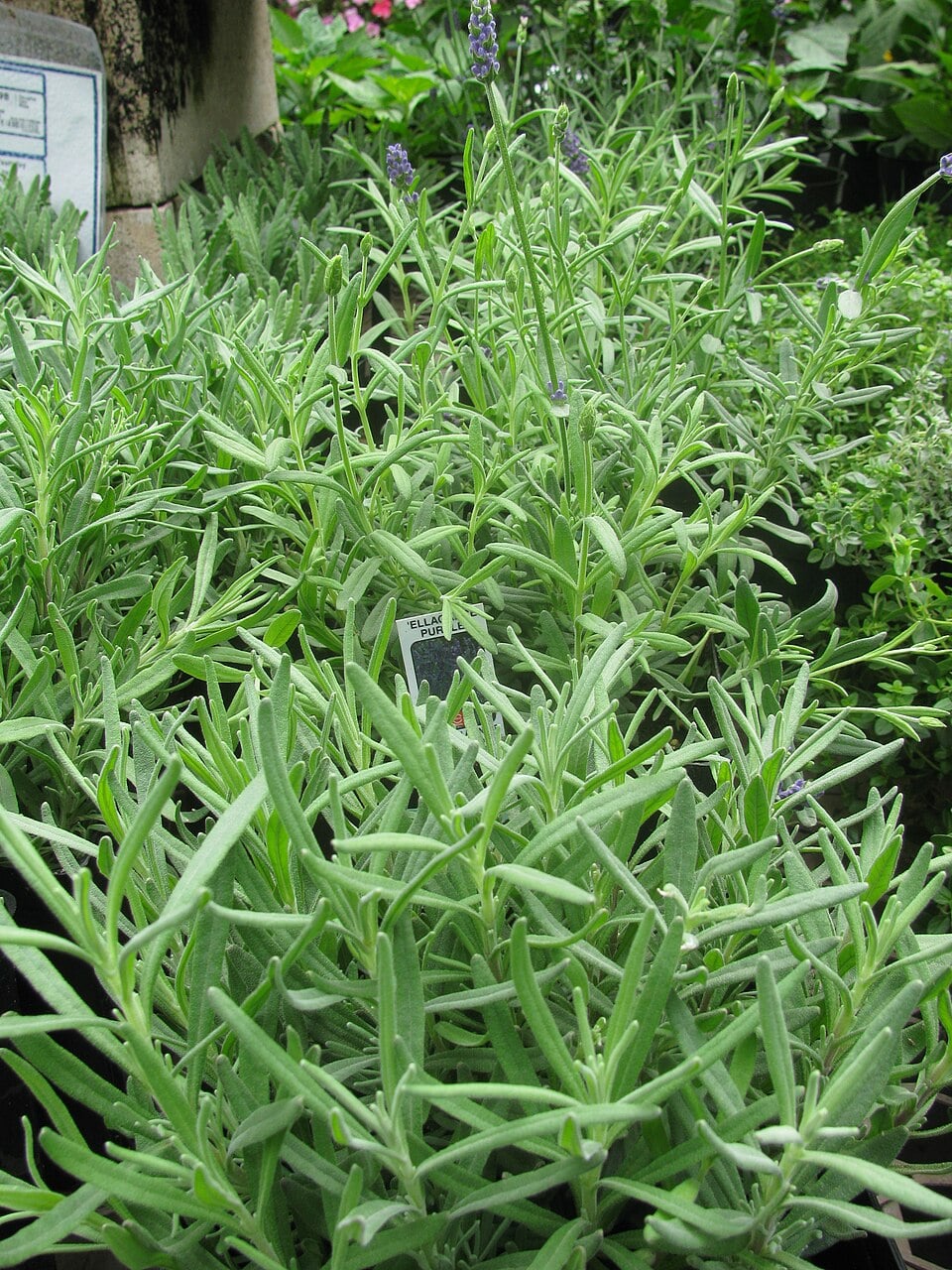
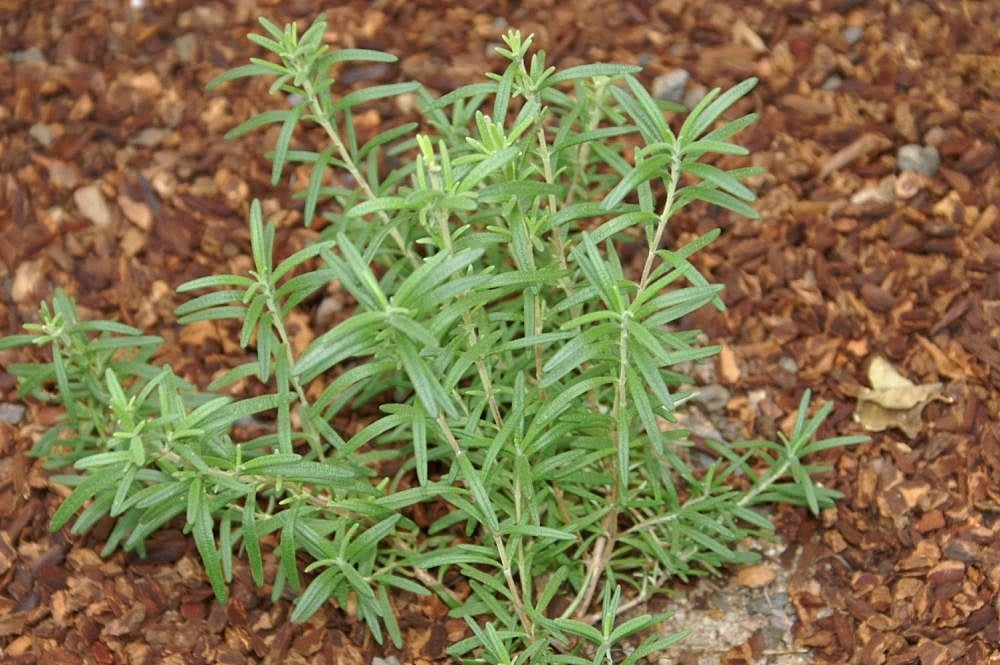
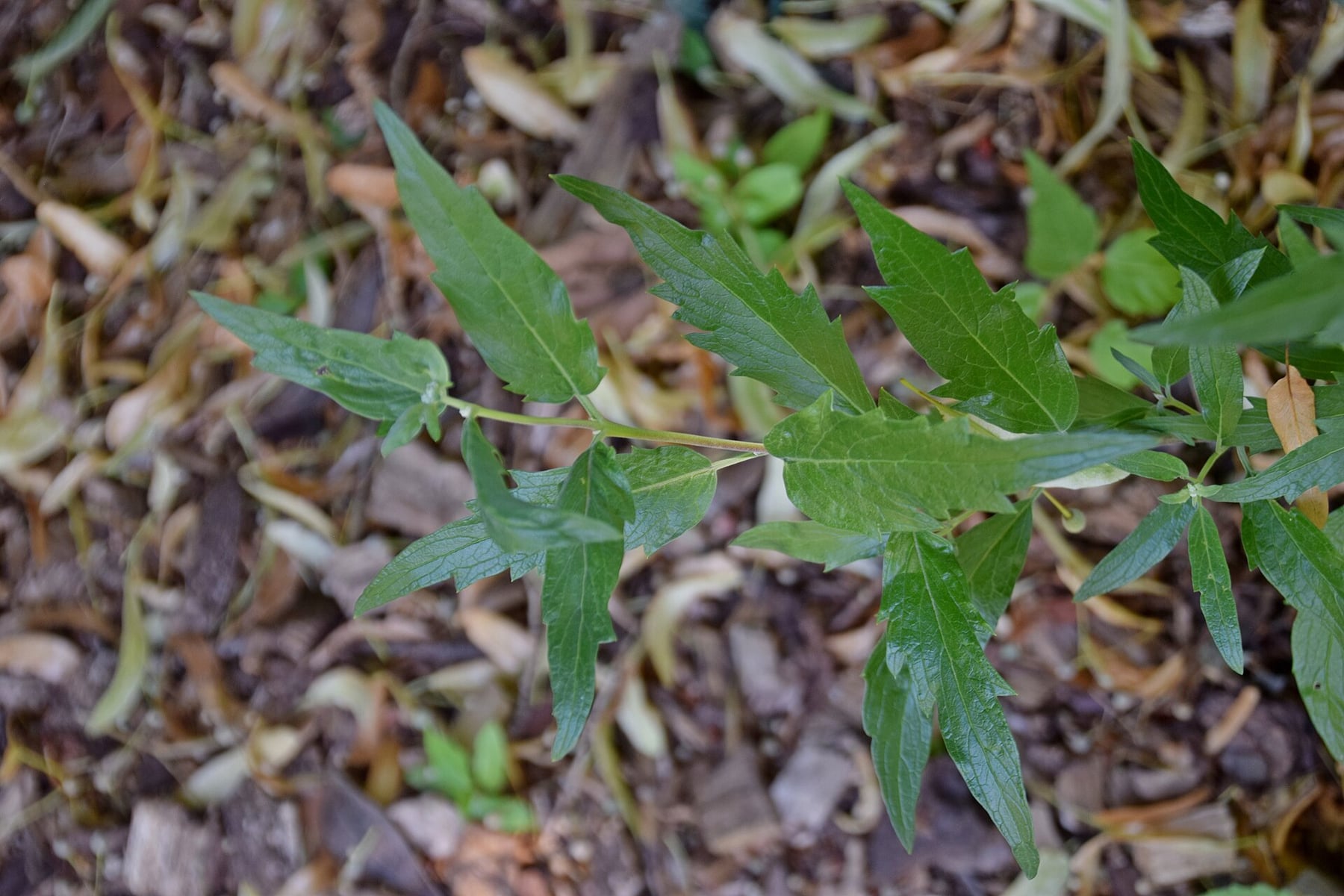
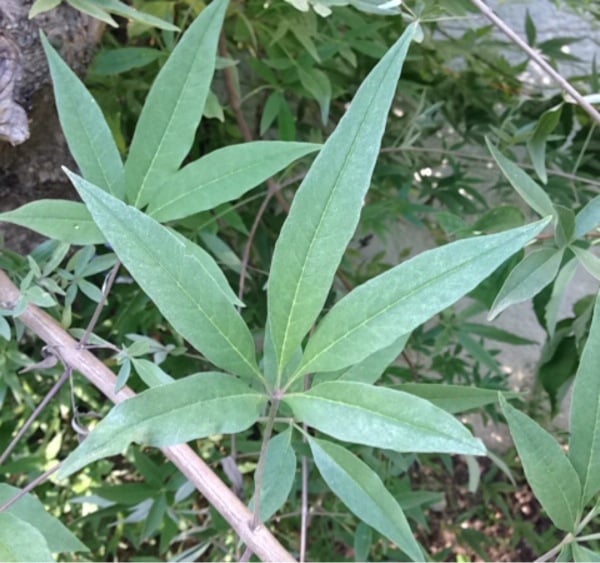
ℹ️ Educational profile — do not use it to judge whether a plant is edible or safe.
🌱 This database is constantly evolving — species and information are added and corrected regularly. Spotted a mistake? Report it below.
© Floraneo — profile content is protected; reproduction without permission is prohibited. Photos remain under their own licence (see the credit shown on each photo).