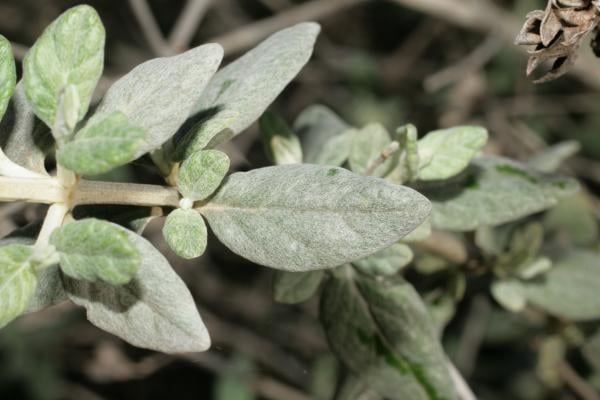
Leaf
Krzysztof Golik, Wikimedia · CC BY-SA 4.0
- 60 cm to 1.2 m tall
- Planted in sunny borders, ordinary well-drained soils
- Full sun
- Fairly hardy, to about -15°C, the aerial parts may freeze but the rootstock regrows
In flower from August to October
3 months❓ How do you recognise this plant?
Bluebeard flowers on the current season's wood: it is cut back hard every spring, which stimulates vigorous regrowth followed by abundant blue flowering at the very end of summer, when most other shrubs have finished their cycle.
Learn to recognise it
Brooms and aromatic shrubs. This plant is in the lesson “Brooms and aromatic shrubs”, with 10 others.
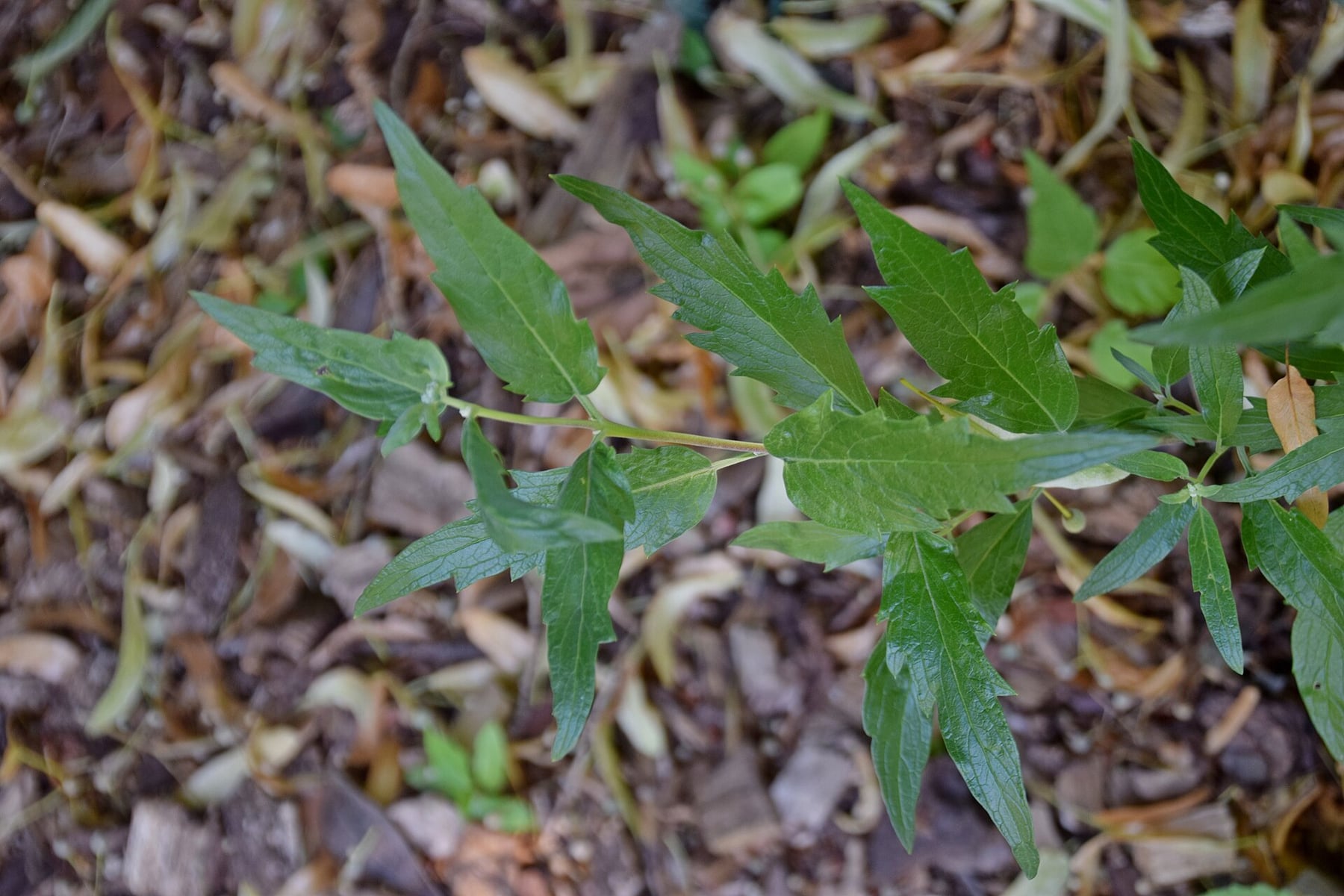
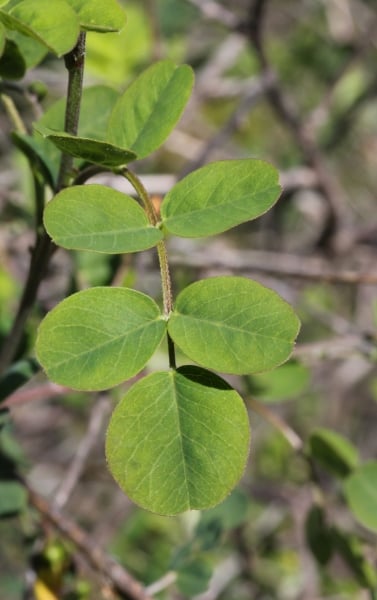
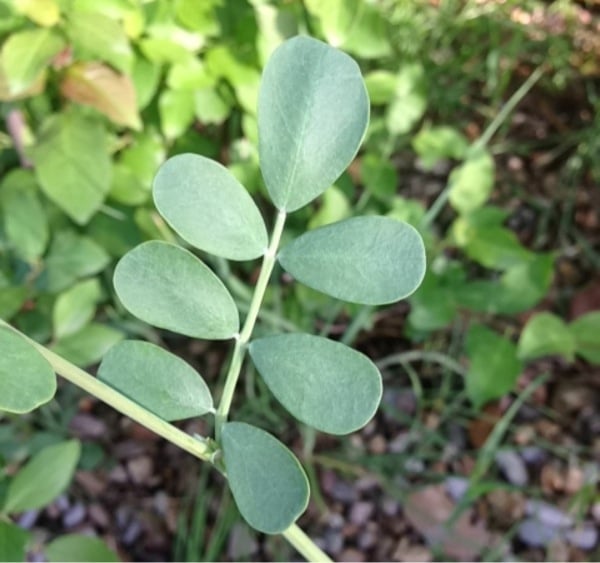
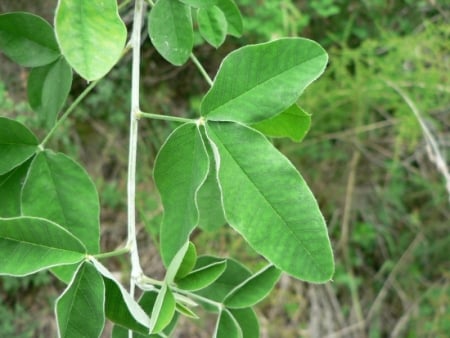
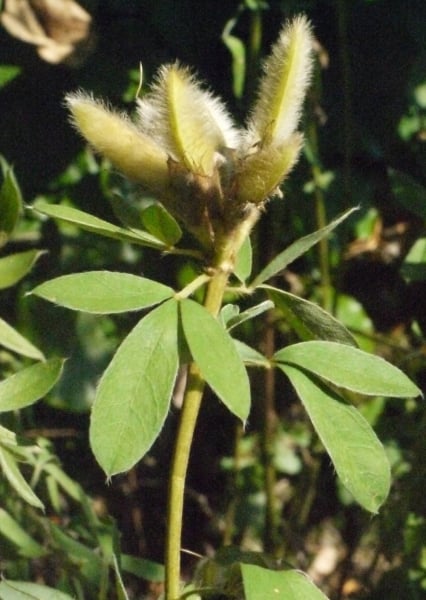
🍃 Leaves
Deciduous, greyish, aromatic when crushed
🌸 Flowers
Bright blue, grouped in small dense clusters all along the current year's stems
🍎 Fruits
Small achene
🪵 Bark
Slender, brownish-grey stems
Distribution, pollinators, uses
🗺️ Distribution
Garden hybrid of Asian origin; widely grown in France as a border shrub
🐝 Value for pollinators
Late, nectar-rich flowering, a valuable resource for bees and butterflies at the end of summer
✂️ Horticultural uses
Border shrub pruned every spring to stimulate abundant late-summer flowering on the current year's wood
⚠️ Possible toxicity
No notable toxicity known
🌿 Other Lamiaceae to discover
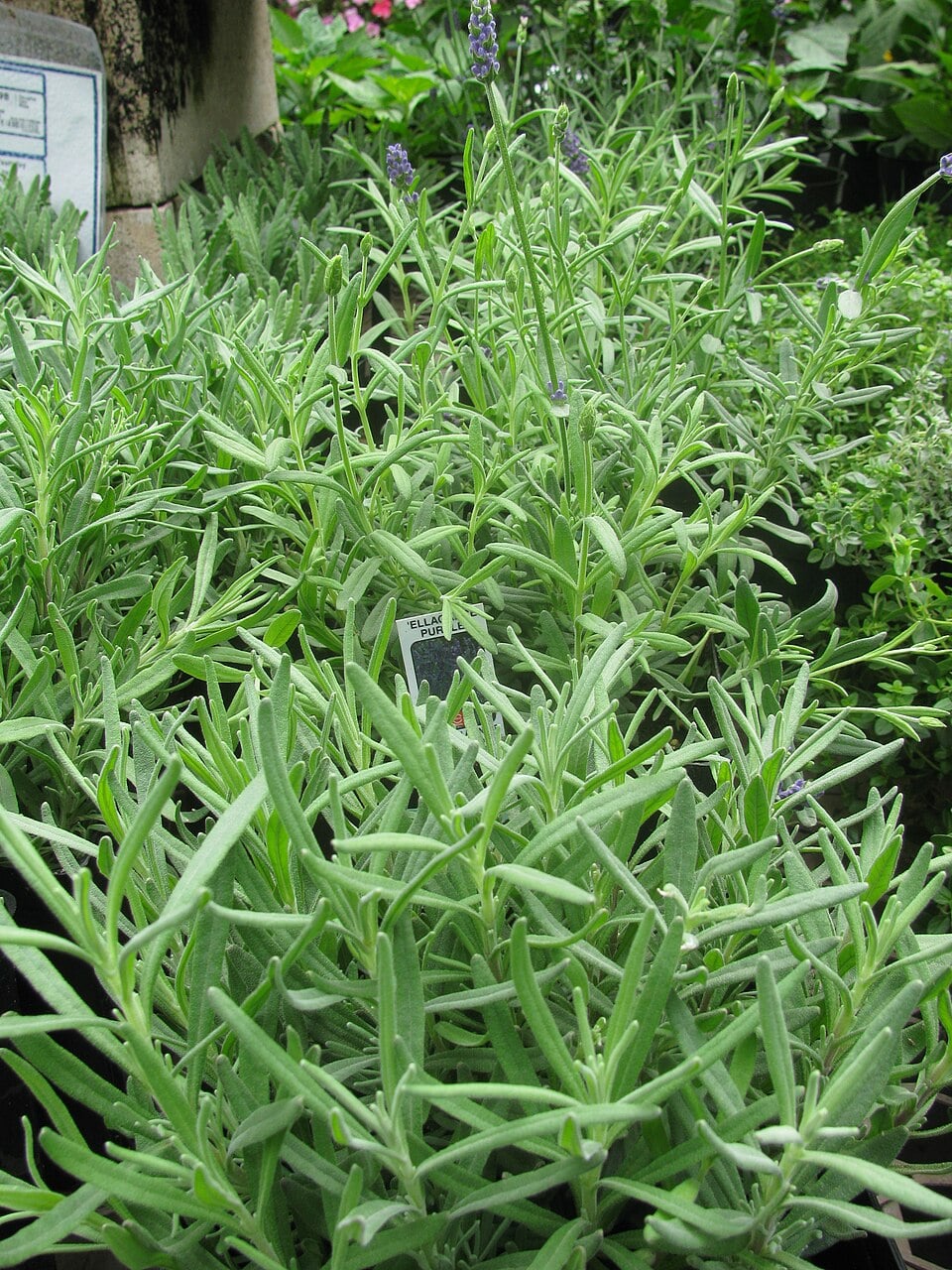
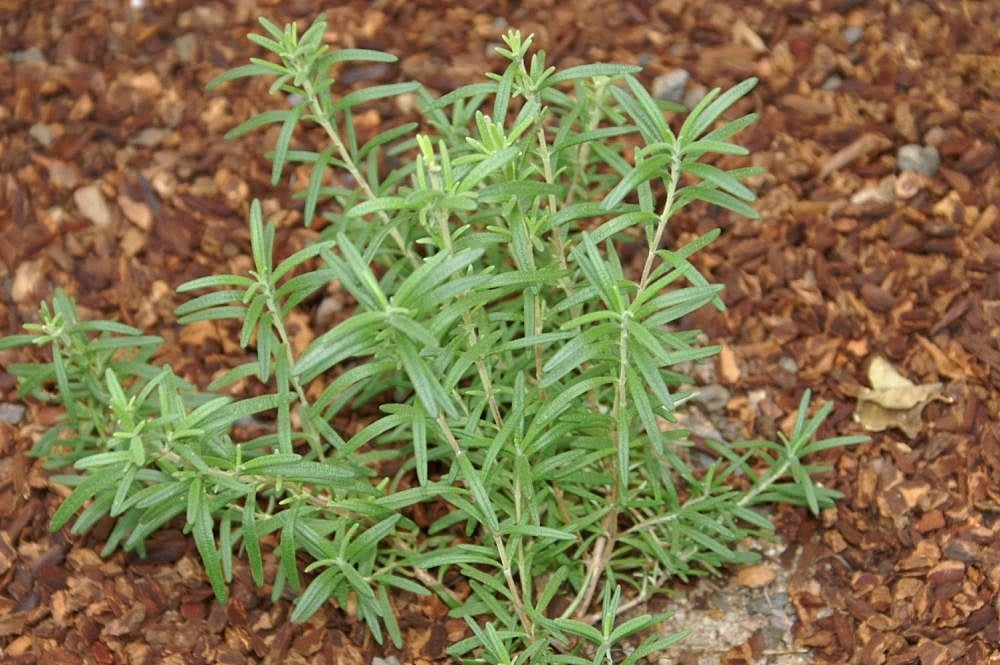
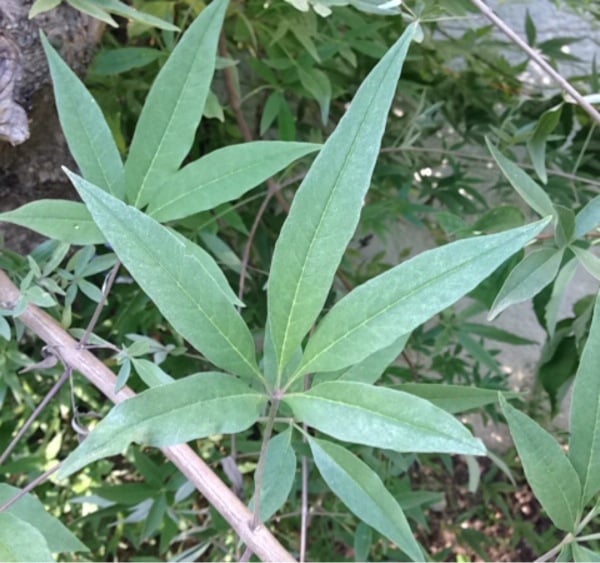
ℹ️ Educational profile — do not use it to judge whether a plant is edible or safe.
🌱 This database is constantly evolving — species and information are added and corrected regularly. Spotted a mistake? Report it below.
© Floraneo — profile content is protected; reproduction without permission is prohibited. Photos remain under their own licence (see the credit shown on each photo).