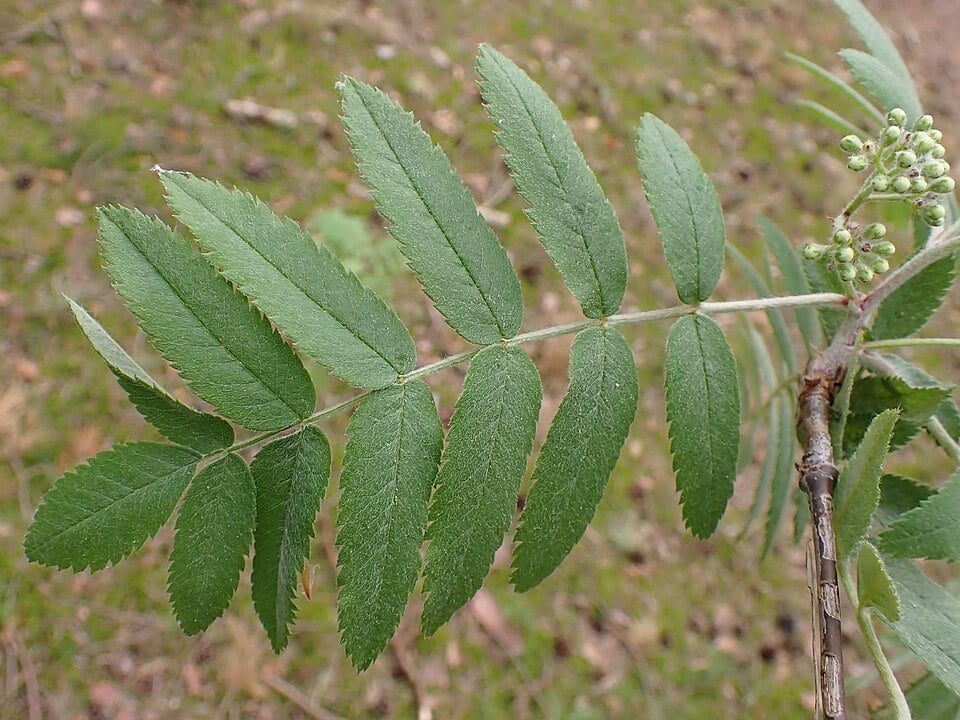
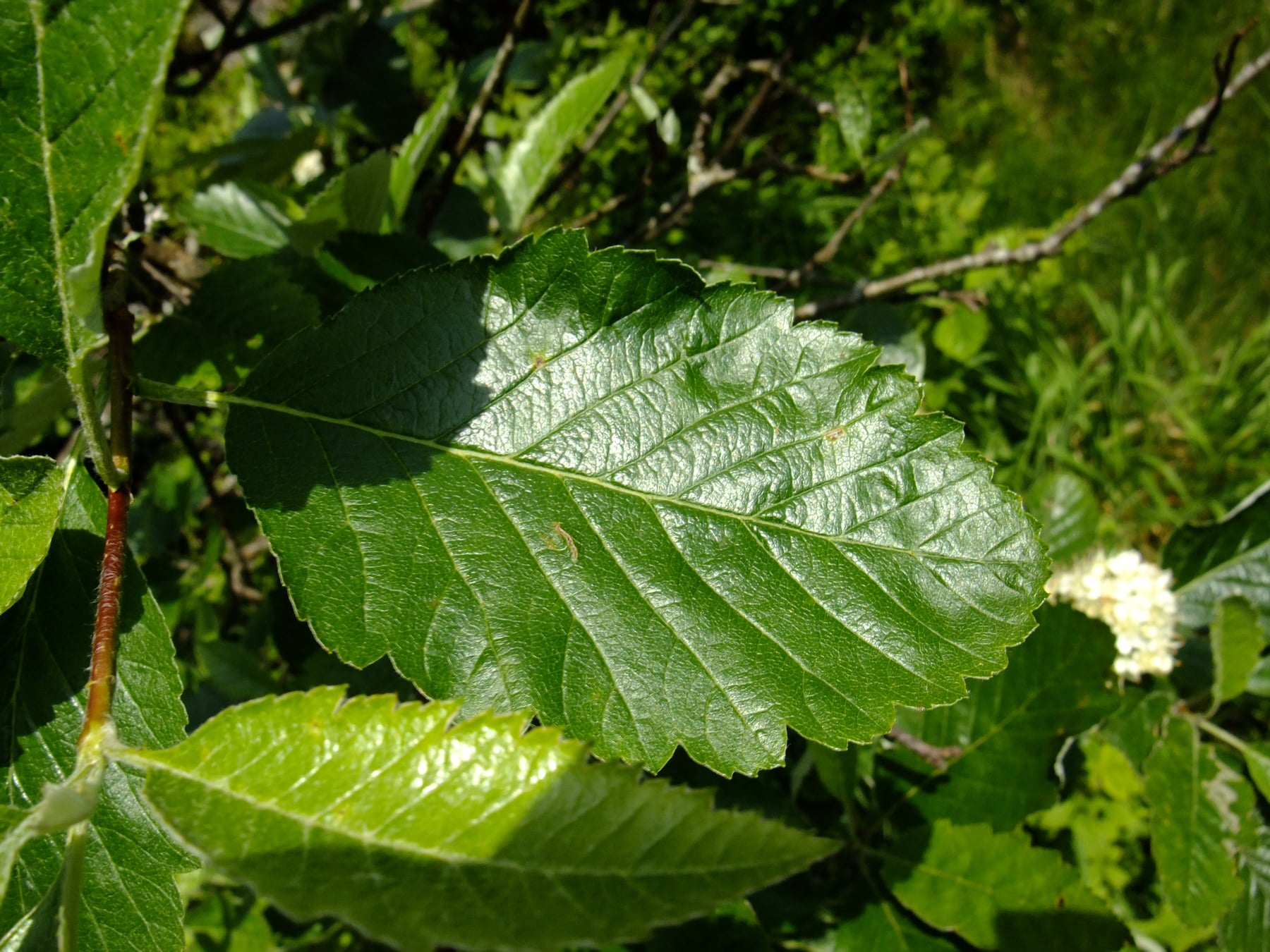
Leaf
Jean-Pol GRANDMONT, Wikimedia · CC BY-SA 3.0

Japanese cherry

Prunus serrulata Lindl.
Also known as: Japanese flowering cherry, Oriental cherry
Family: Rosaceae
4 to 8 m tall
Planted as a specimen or in avenues in gardens and parks
Flowering: April, before or with the leaves
Full sun
Hardy to about -20°C

❓ How do you recognise this plant?

In Japan, the flowering of the ornamental cherry (sakura) gives rise every spring to hanami, a popular tradition of admiring the blossom beneath the flowering trees. The wild cherry (Prunus avium) typically has single white flowers and black fruits when ripe. Japanese cherries comprise many cultivars, some single-flowered, others double: the flower alone is therefore not always enough for identification.
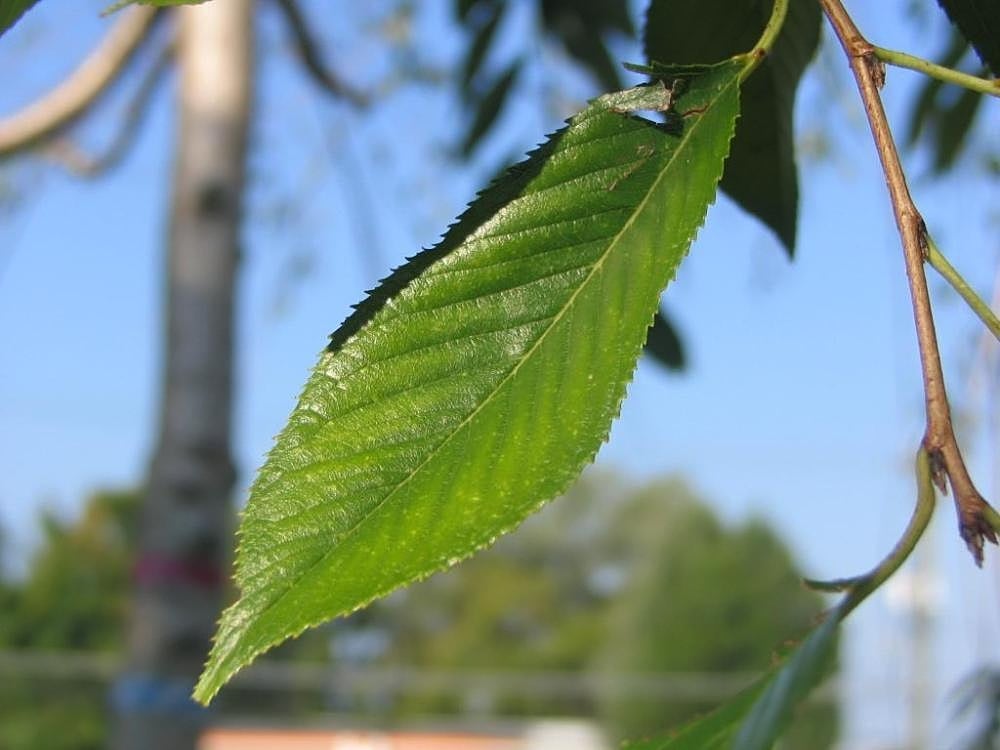
🍃 Leaves
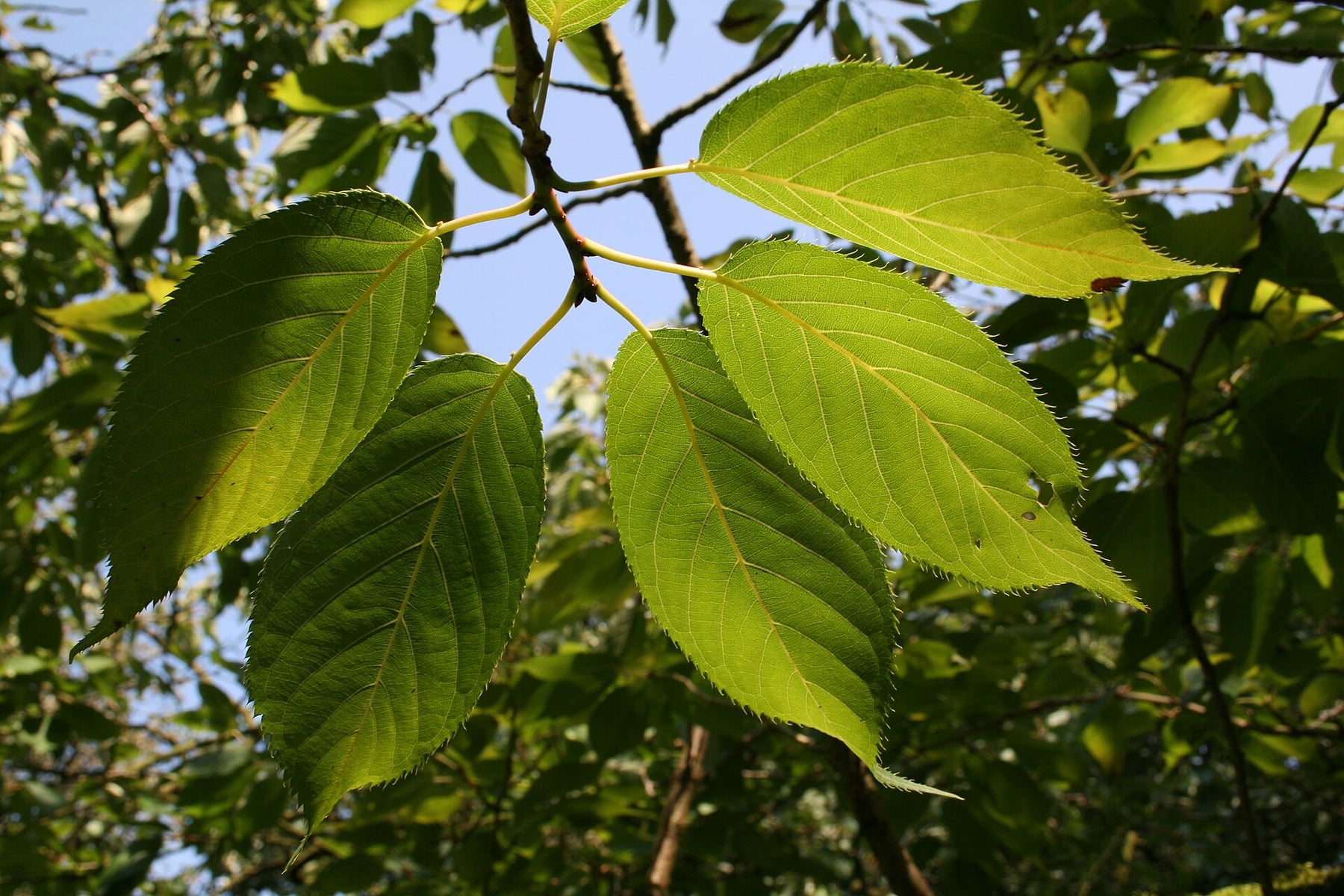
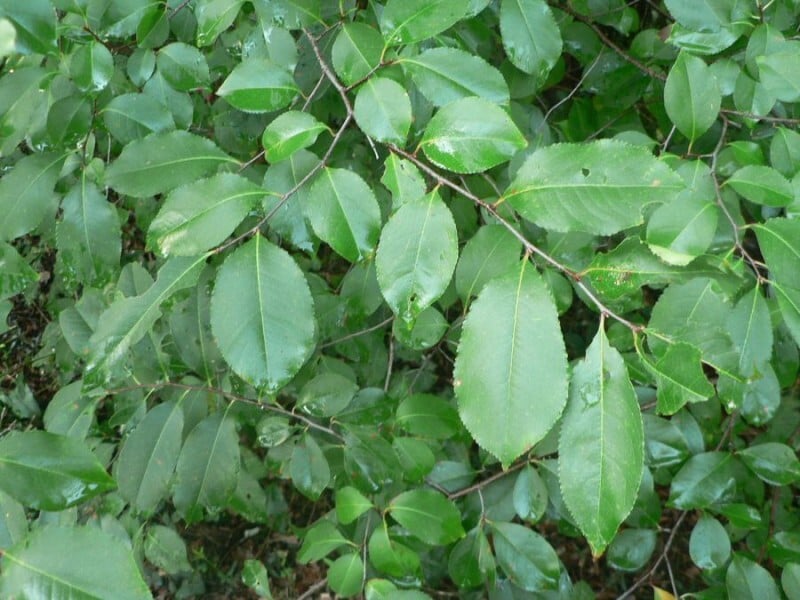
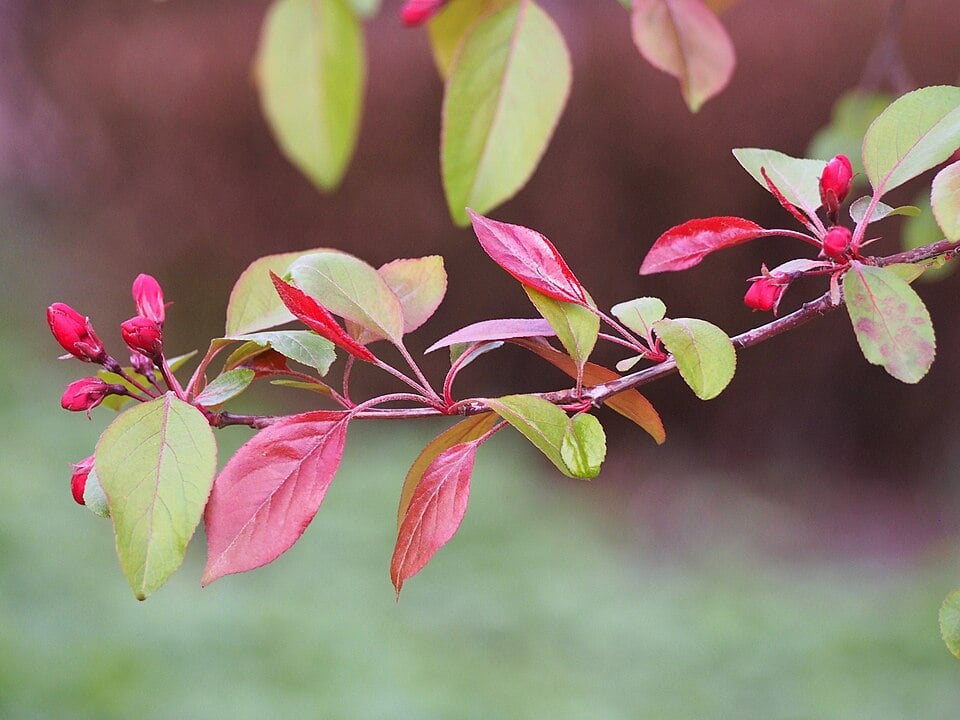
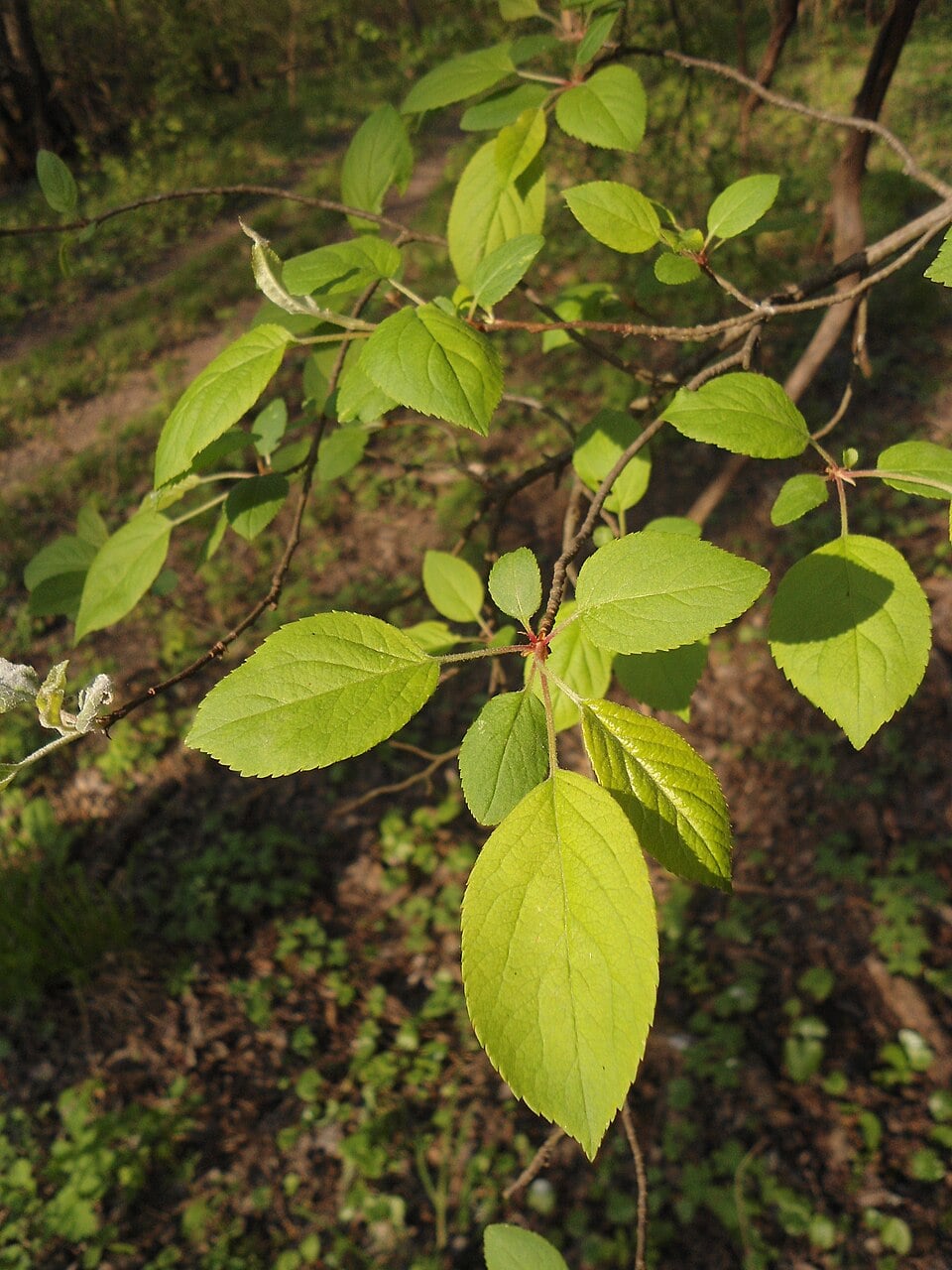
Ovate, finely toothed, bronze when unfolding then bright green, fine autumn colour
🌸 Flowers
White to pink flowers, single to very double depending on the cultivar, generally in clusters. Double-flowered cultivars are often sterile or produce few fruits.
🍎 Fruits
Small dark drupe, rarely abundant on ornamental cultivars; fruiting varies greatly with the cultivar.
🪵 Bark
Reddish brown, smooth, marked with horizontal lenticels
🗺️ Distribution
Native to Japan; widely planted in France as an ornamental tree
🐝 Value for pollinators
Very abundant, early flowering, appreciated by bees although many double-flowered cultivars are sterile
✂️ Horticultural uses
Ornamental tree planted for its spectacular spring blossom, emblematic of Japanese hanami

⚠️ Possible toxicity

No notable toxicity known for the floral parts; like other Prunus, the stone of the rare fruits contains amygdalin

🌱 Known cultivars

Kanzan (Kwanzan)
The most widely planted flowering cherry in the world: large, double, bright pink flowers in April–May, vase-shaped habit with branches ascending then spreading.
Amanogawa
Very narrow columnar habit, unique among flowering cherries, ideal for small gardens or avenue planting; semi-double pale pink flowers.
Shirotae
Large semi-double pure white flowers, very fragrant, borne on broad, spreading, parasol-shaped branches; one of the most widely grown white cherries.

⚠️ Look-alike species

Japanese cherry
Japanese cherry
Prunus serrulata
Wild cherry
Wild cherry
Prunus avium

The wild cherry (Prunus avium) typically has single white flowers and black fruits when ripe. Japanese cherries comprise many cultivars, some single-flowered, others double: the flower alone is therefore not always enough for identification.

Japanese cherry
Japanese cherry
Prunus serrulata
Higan cherry
Higan cherry
Prunus subhirtella

The Higan cherry flowers from November and intermittently throughout the winter, well before other cherries, whereas the Japanese cherry flowers in spring with often very double, spectacular flowers.

ℹ️ Educational profile — do not use it to judge whether a plant is edible or safe.

🌱 This database is constantly evolving — species and information are added and corrected regularly. Spotted a mistake? Report it below.

© Floraneo — profile content is protected; reproduction without permission is prohibited. Photos remain under their own licence (see the credit shown on each photo).