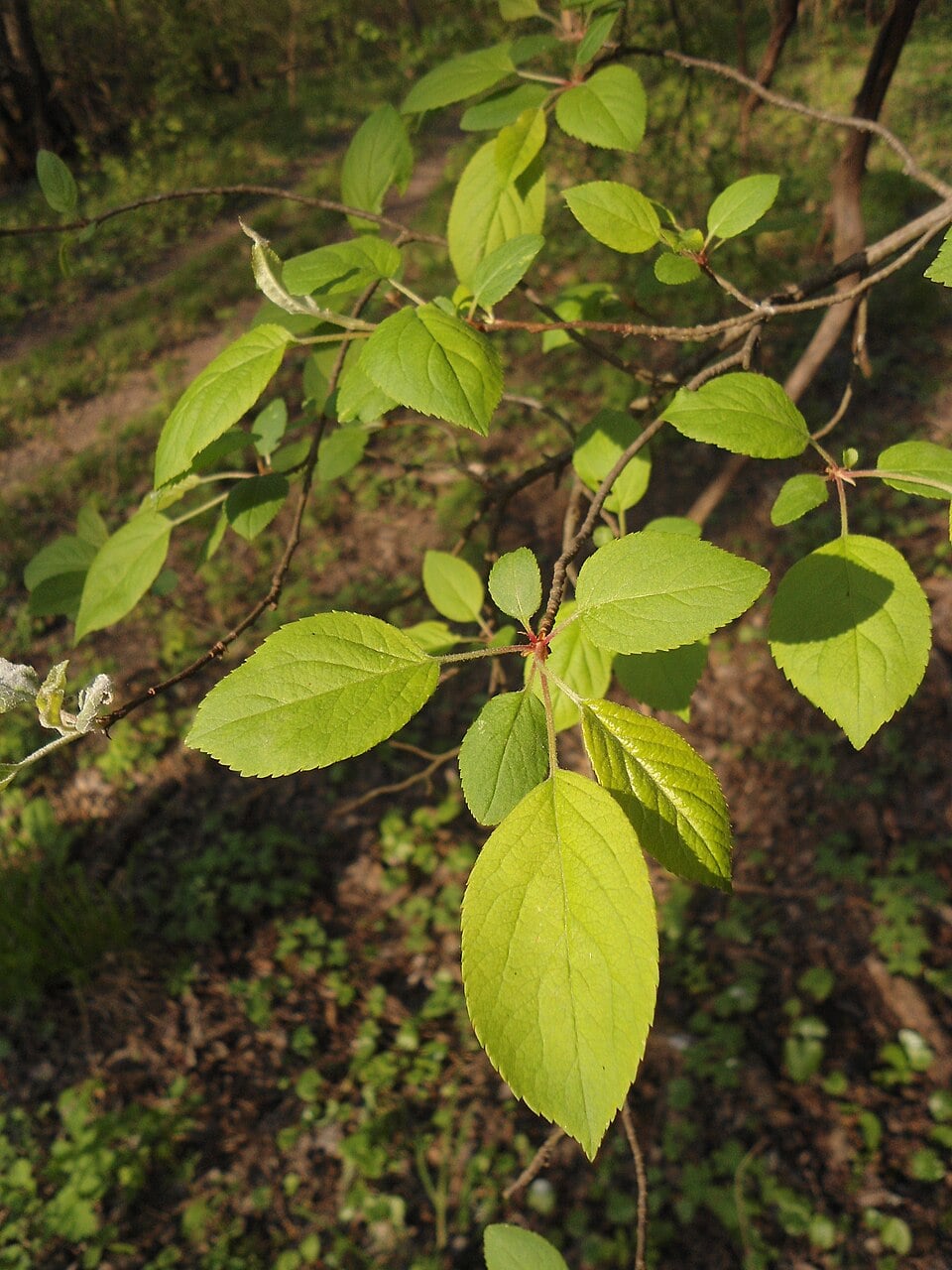
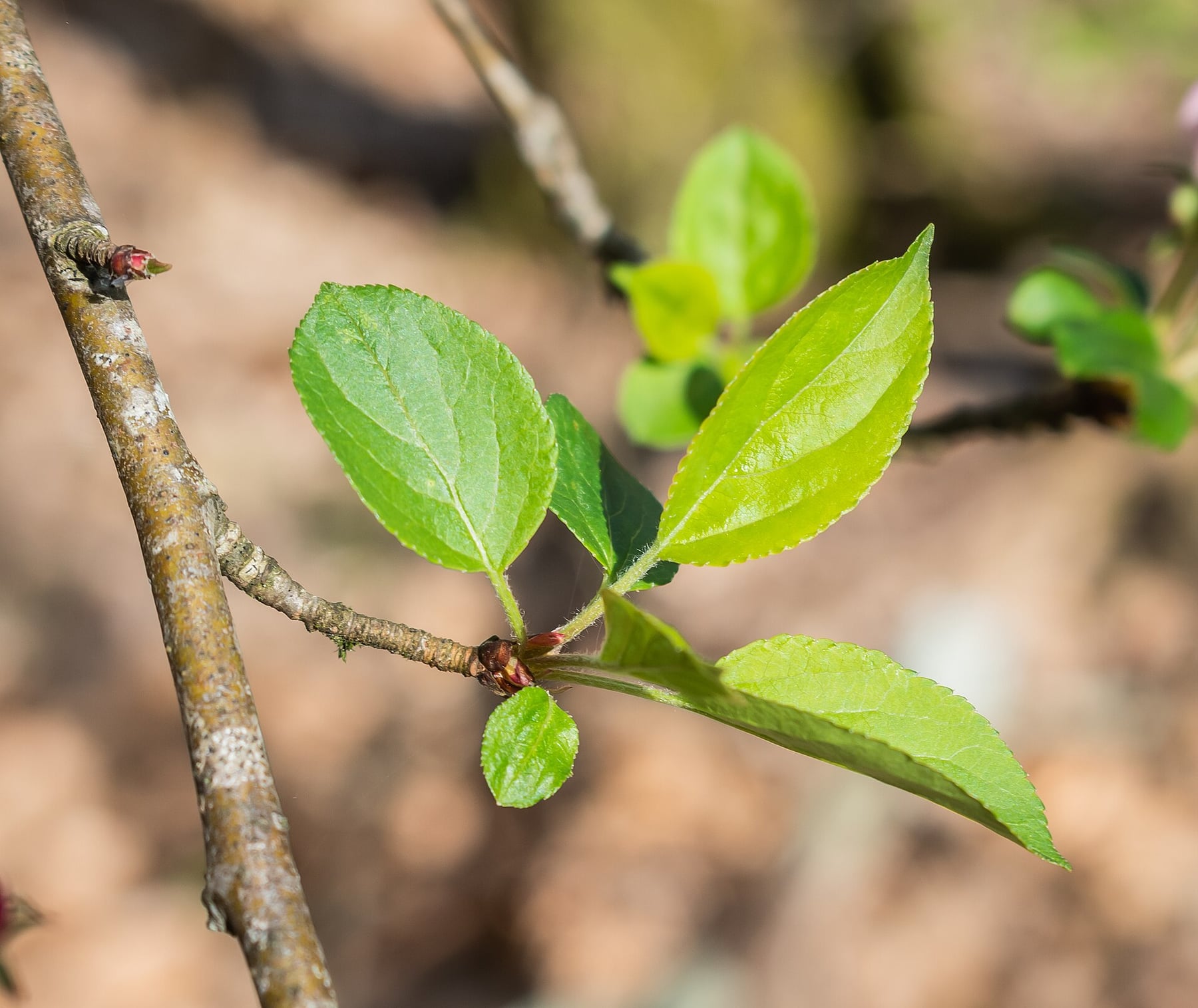
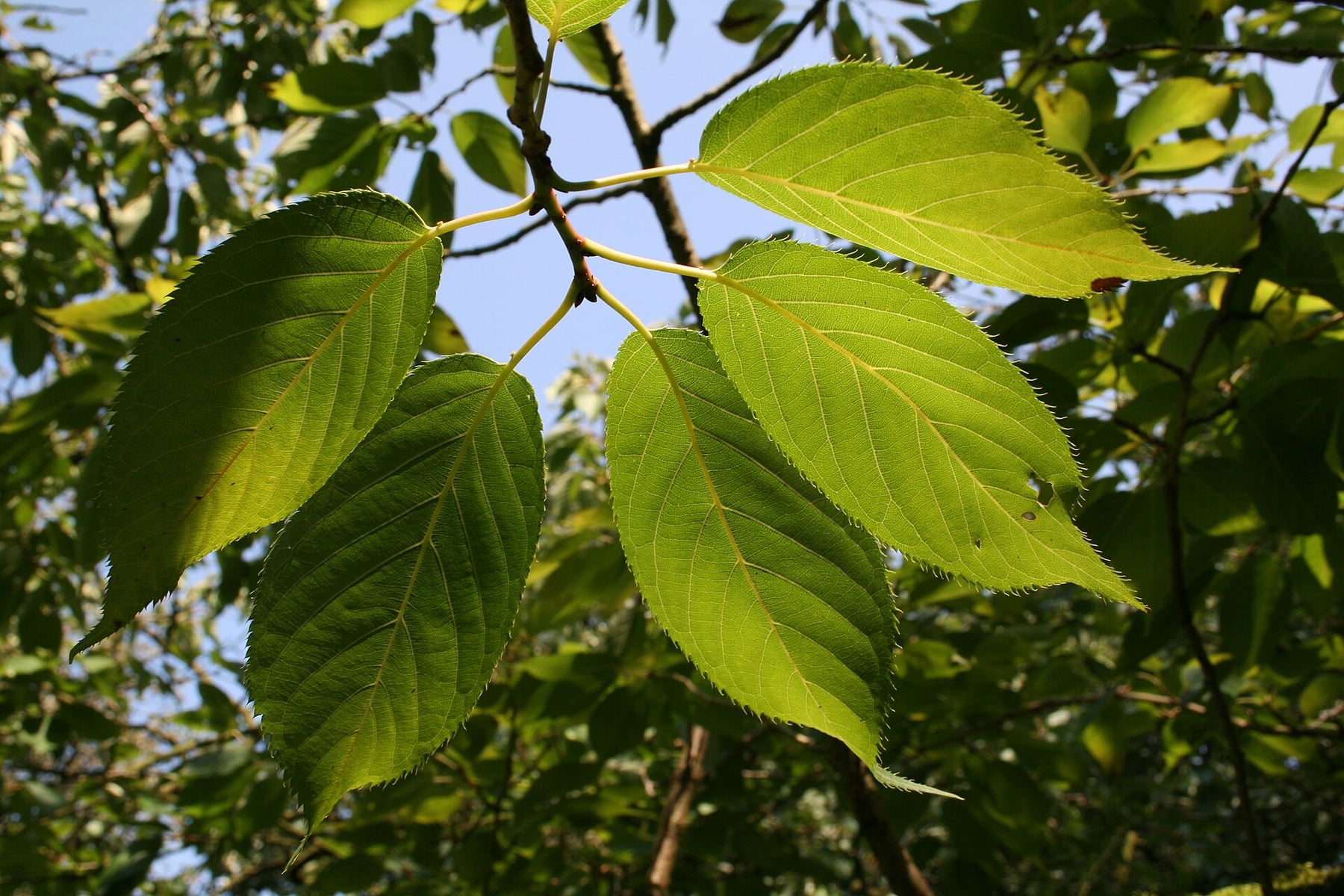
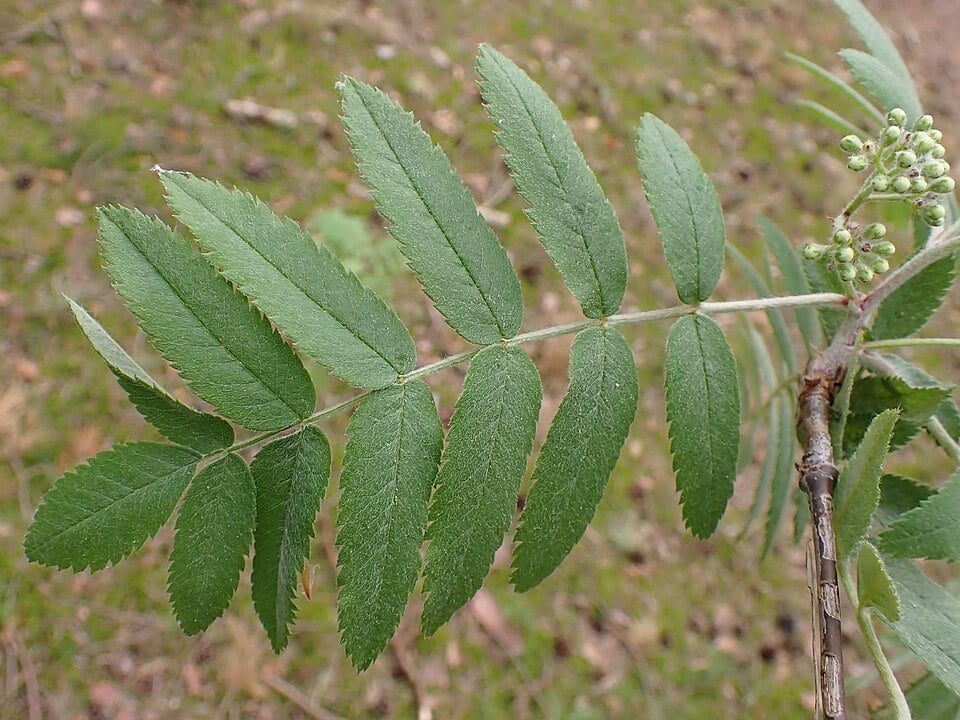
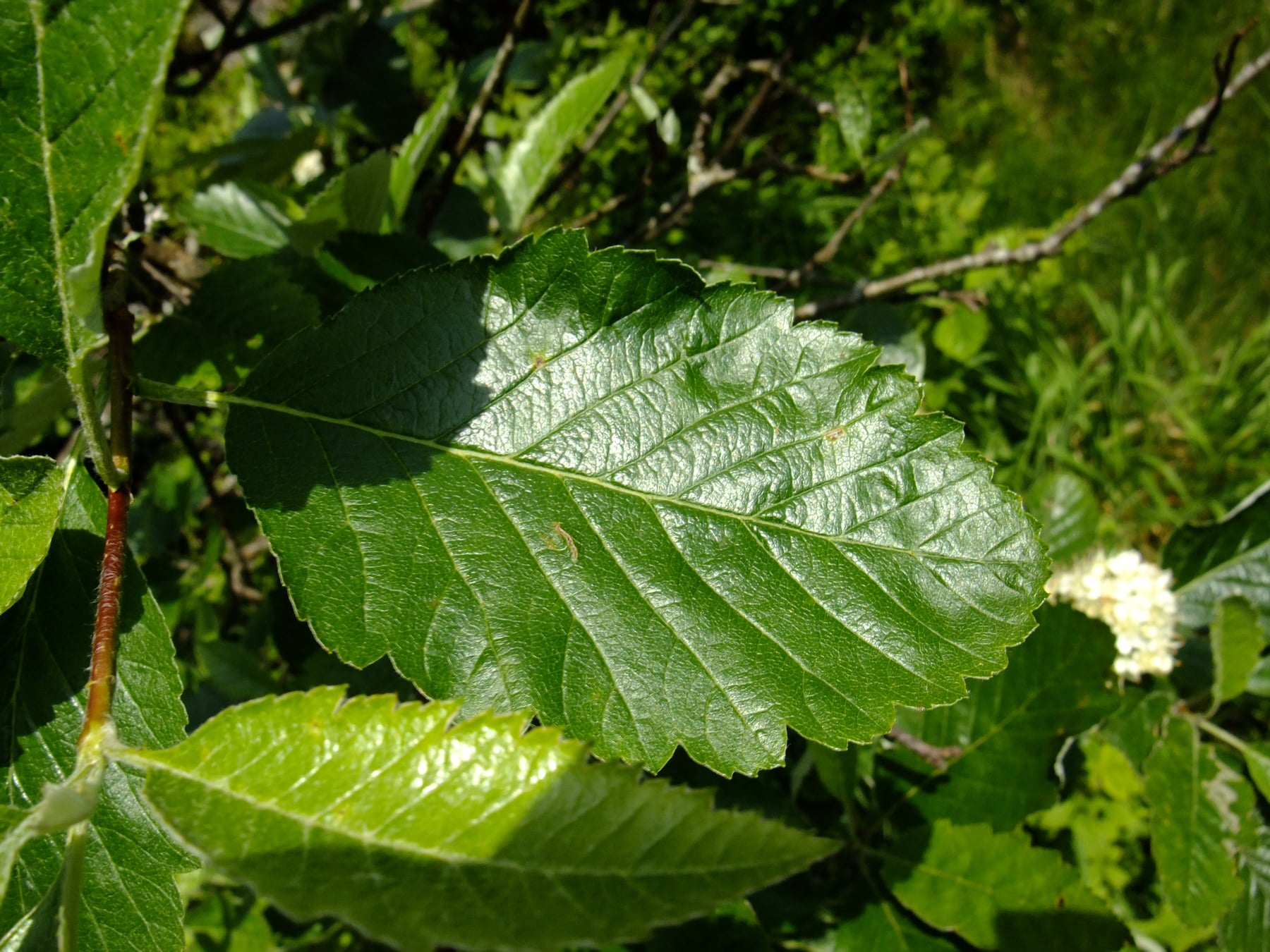
Leaf
Димитър Найденов / Dimìtar Nàydenov, Wikimedia · CC BY-SA 4.0

European crab apple

Malus sylvestris (L.) Mill.
Also known as: Crab apple, Wild apple
Family: Rosaceae
5 to 10 m tall
Hedgerows, woodland edges, open woods
Flowering: April – May
Full sun
Part shade
Very hardy, to -25°C

❓ How do you recognise this plant?

Small sour apples 2 to 3 cm across — much smaller than the cultivated varieties. The European crab apple has smaller, sour fruits, and often thorny twigs — the cultivated apple has none.
🍃 Leaves
Ovate, finely toothed, slightly downy underneath
🌸 Flowers
Pinkish-white, five petals, clusters of 3 to 6 flowers
🍎 Fruits
Small green to yellow apples, sour and hard
🪵 Bark
Greyish-brown, cracking into small square plates
🗺️ Distribution
Europe; scattered across France in hedgerows and woodland edges, wild ancestor of the cultivated apples
🐝 Value for pollinators
Pinkish-white flowering rich in nectar in spring, much visited by bees
✂️ Horticultural uses
Planted in country hedgerows and conservation orchards, used as a rootstock

⚠️ Possible toxicity

Pips contain small amounts of cyanogenic glycosides, as in many Rosaceae; fruit flesh harmless

⚠️ Look-alike species

European crab apple
European crab apple
Malus sylvestris
Apple
Apple
Malus domestica

The European crab apple has smaller, sour fruits, and often thorny twigs — the cultivated apple has none.

European crab apple
European crab apple
Malus sylvestris
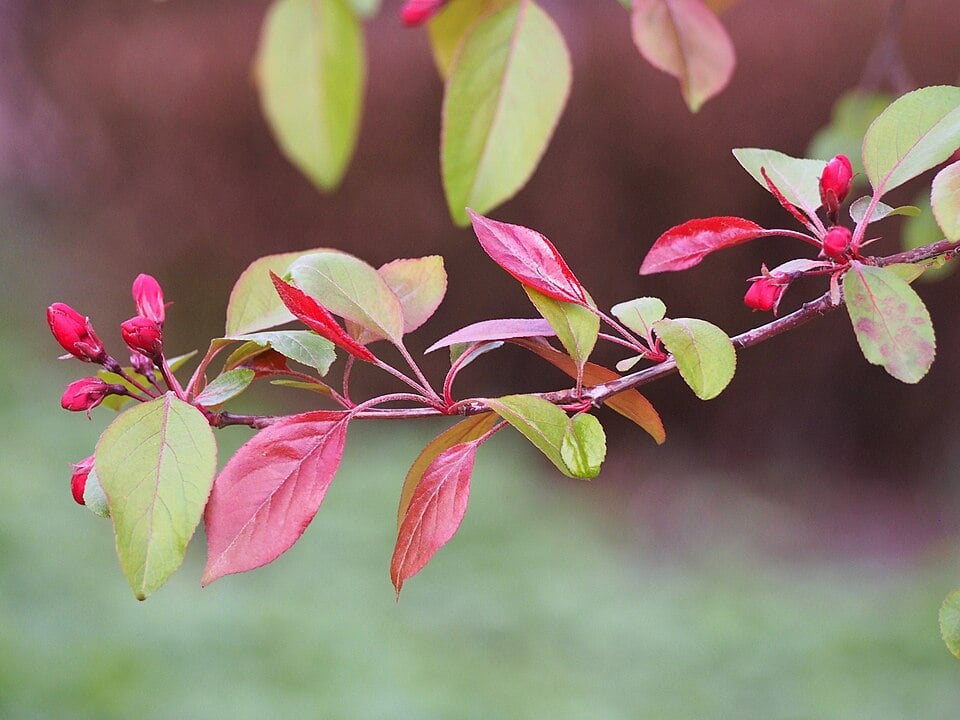
Purple crab apple
Purple crab apple
Malus x purpurea

The purple crab apple keeps purple foliage at bud break but turns bronzy green during the season, which can make it look similar to the European crab apple. They can be told apart by flower colour (pale pinkish-white in the European crab apple, versus bright purplish-pink in the purple crab apple) and by the small fruits: bitter/sour and falling in the European crab apple, decorative and persisting all winter in the purple crab apple.

ℹ️ Educational profile — do not use it to judge whether a plant is edible or safe.

🌱 This database is constantly evolving — species and information are added and corrected regularly. Spotted a mistake? Report it below.

© Floraneo — profile content is protected; reproduction without permission is prohibited. Photos remain under their own licence (see the credit shown on each photo).