Leaf
Krzysztof Ziarnek, Kenraiz, Wikimedia · CC BY-SA 4.0
Rowan
Sorbus aucuparia L.
Also known as: Mountain ash
Family: Rosaceae
8 to 15 m tall
Open forests, mountains, often planted in towns
Flowering: May
Full sun
Part shade
Very hardy, to -20°C
❓ How do you recognise this plant?
Clusters of small bright red berries from late summer — a very easy marker. The rowan has small round berries, never pear-shaped, whereas the true service tree has small brown pear-shaped fruits, edible when bletted.
🍃 Leaves
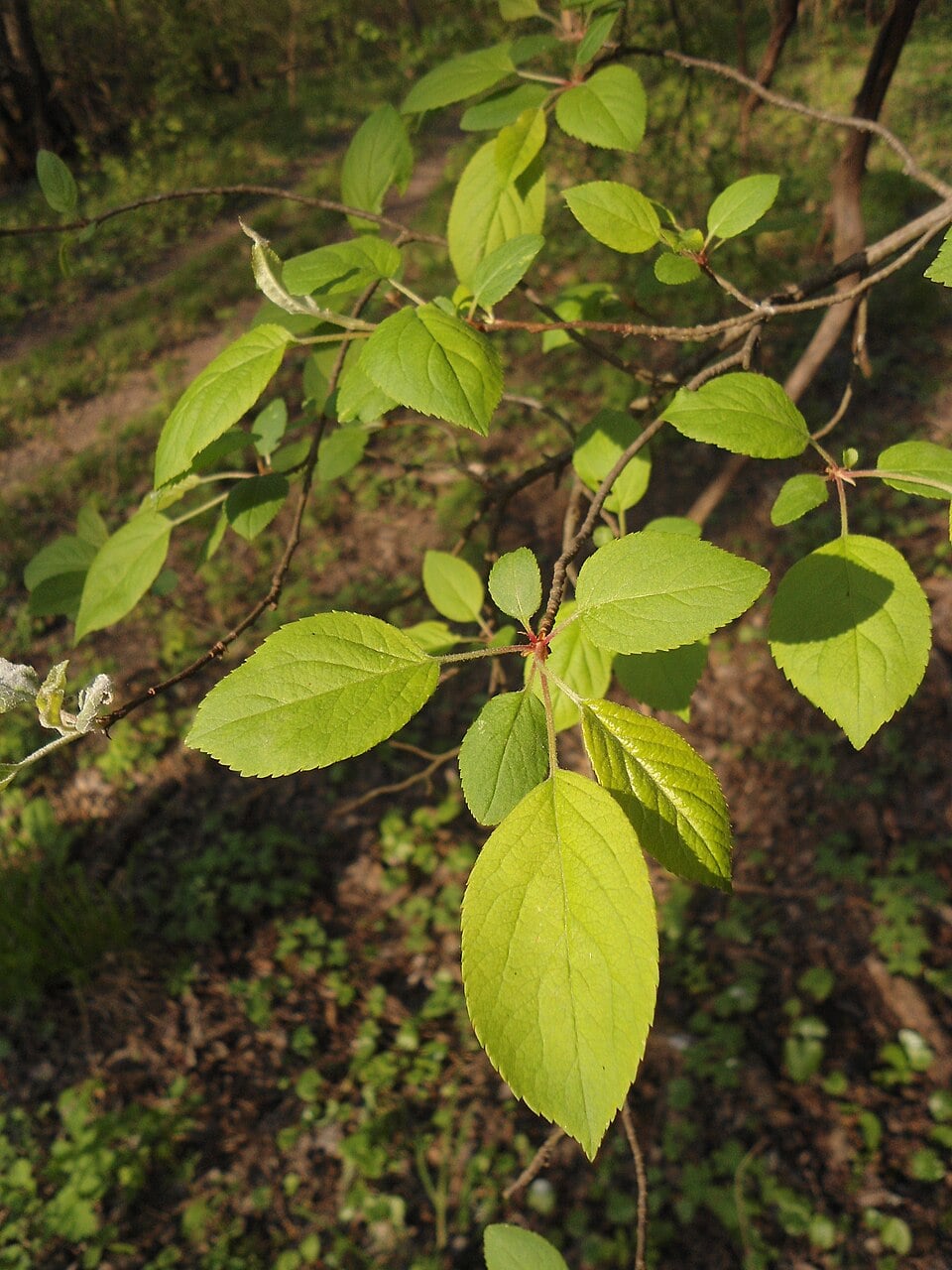
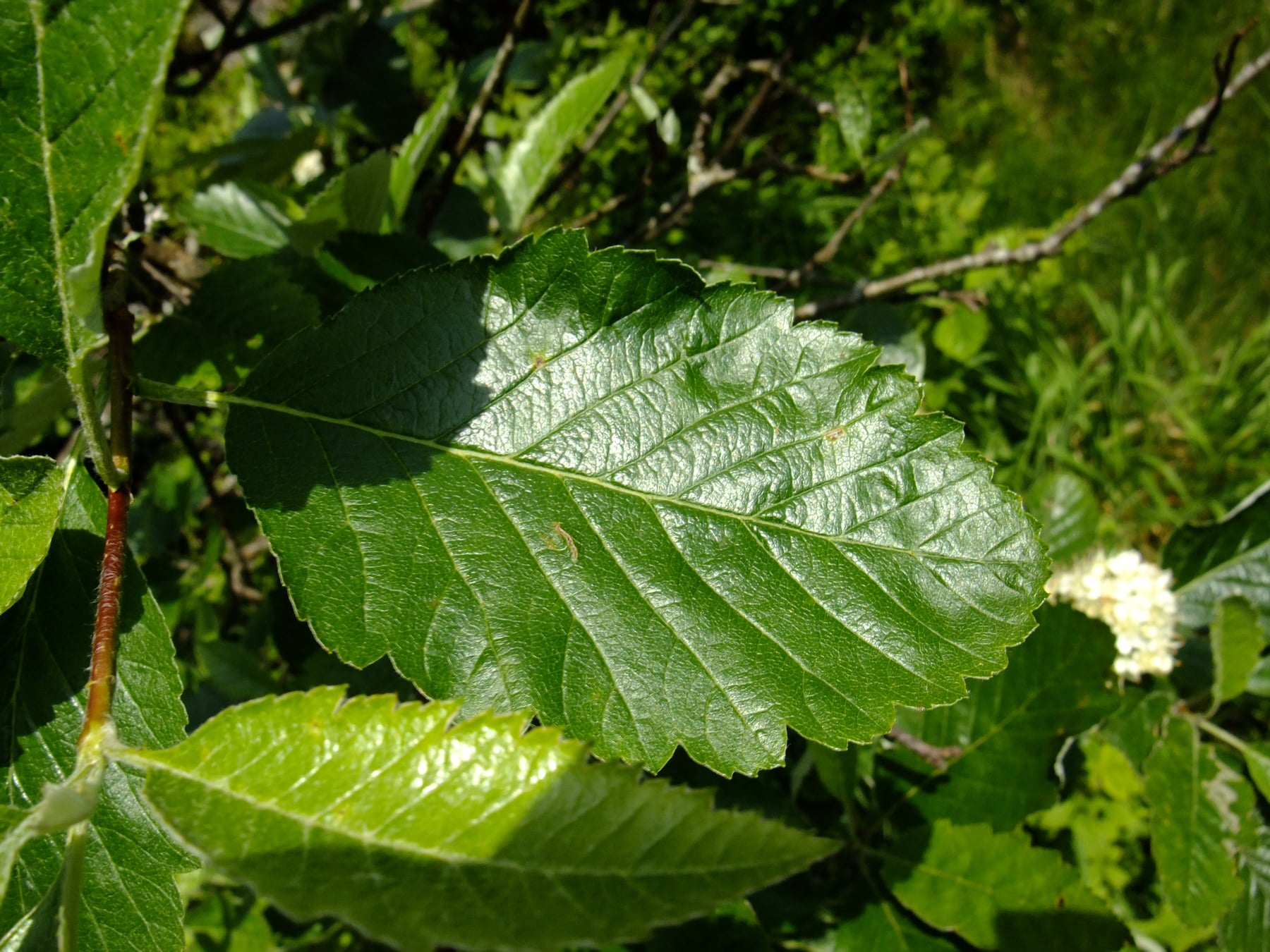
Compound, 9 to 15 narrow, toothed leaflets, like an ash leaf
🌸 Flowers
White corymbs with a strong smell
🍎 Fruits
Small bright red berries in dense clusters, much liked by birds
🪵 Bark
Grey, smooth, with small lenticels
🗺️ Distribution
Europe, western Asia; very common in France in the mountains and at woodland edges
🐝 Value for pollinators
White corymbs yielding nectar in spring, visited by bees; fruits much liked by birds (thrushes, blackbirds)
✂️ Horticultural uses
Planted as a specimen for its decorative orange fruits, valued in gardens for attracting birds
⚠️ Possible toxicity
Fruits slightly toxic raw (parasorbic acid), harmless cooked or made into jelly
⚠️ Look-alike species
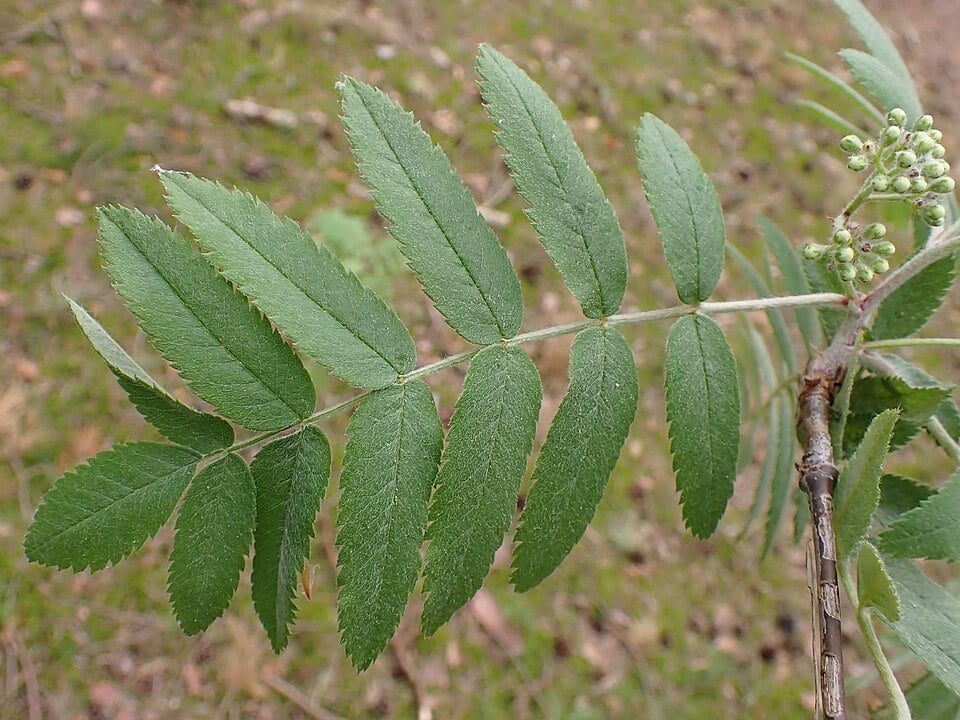
Rowan
Sorbus aucuparia
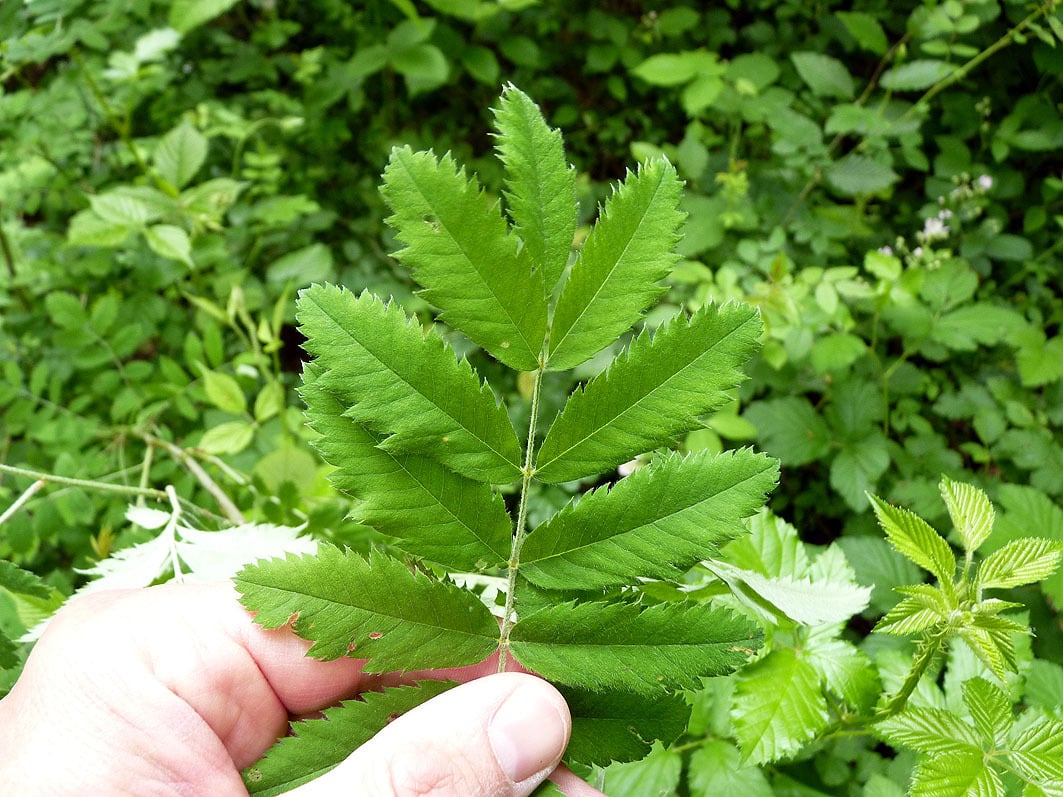
True service tree
Sorbus domestica
The rowan has small round berries, never pear-shaped, whereas the true service tree has small brown pear-shaped fruits, edible when bletted.
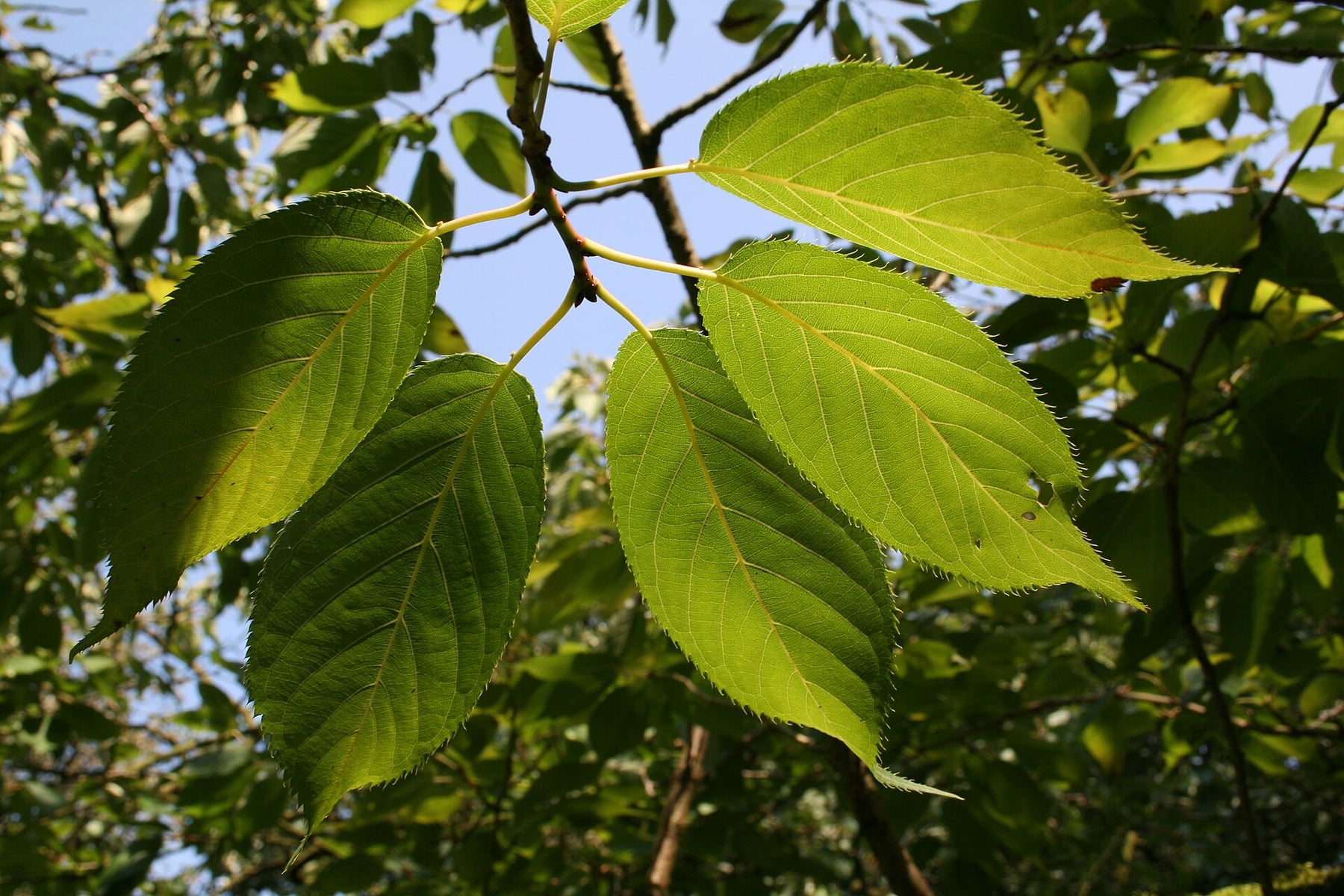
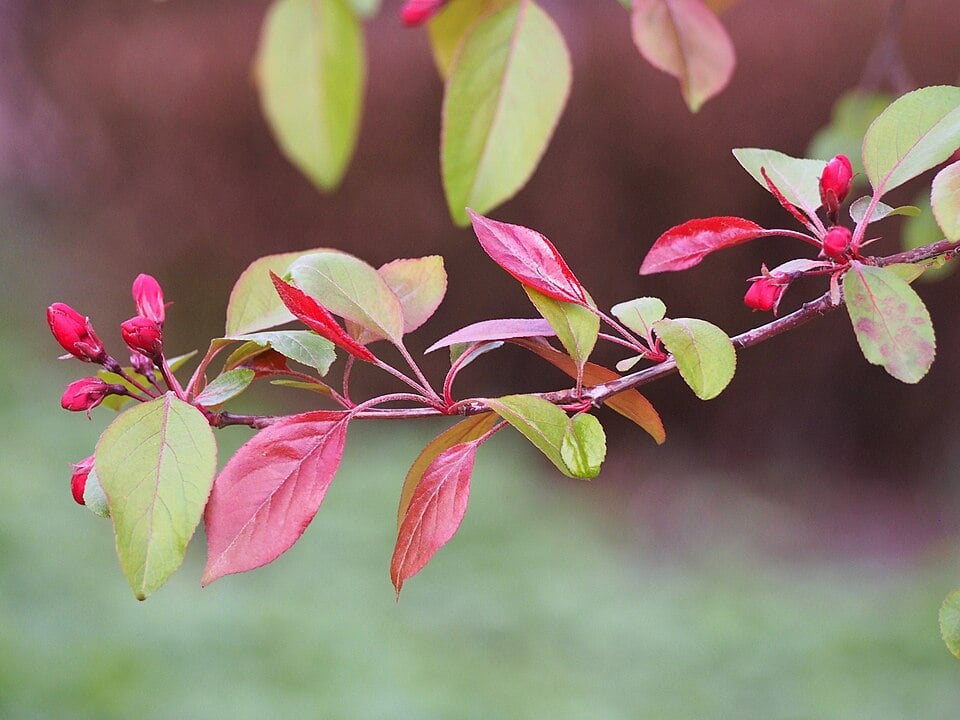
🌿 Other Rosaceae to discover
ℹ️ Educational profile — do not use it to judge whether a plant is edible or safe.
🌱 This database is constantly evolving — species and information are added and corrected regularly. Spotted a mistake? Report it below.
© Floraneo — profile content is protected; reproduction without permission is prohibited. Photos remain under their own licence (see the credit shown on each photo).