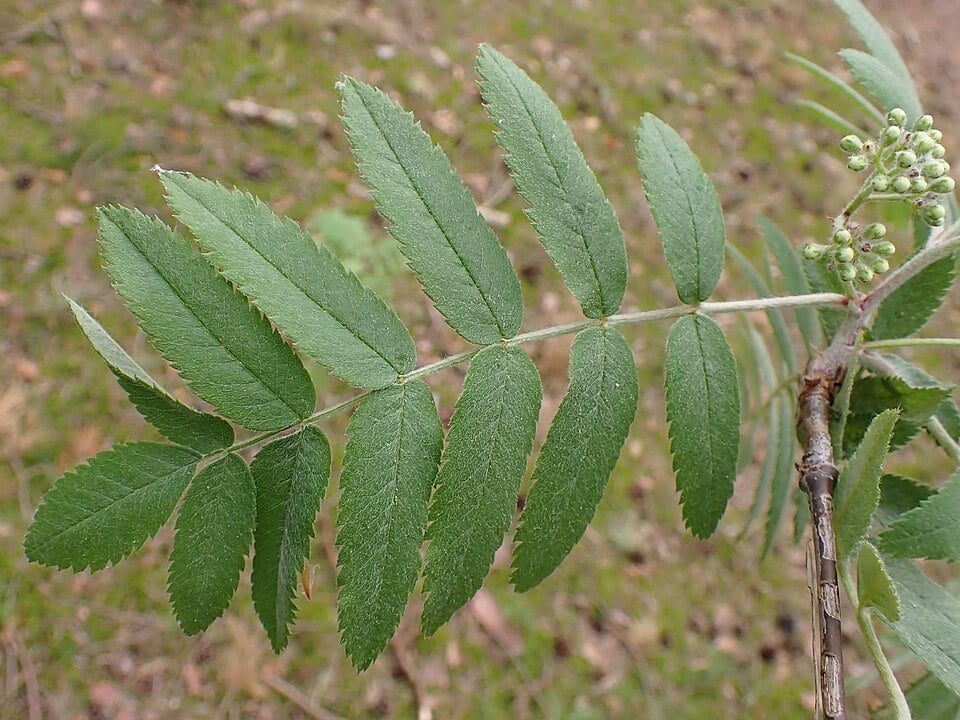
Leaf
David J. Stang, Wikimedia · CC BY-SA 4.0
Higan cherry
Prunus subhirtella Miq.
Also known as: Winter-flowering cherry, Autumn cherry
Family: Rosaceae
5 to 8 m tall, spreading dome-shaped habit
Planted as a specimen in ornamental gardens and urban parks, notably the cultivar 'Autumnalis', which flowers outside spring
Flowering: November to March intermittently (depending on how mild the winter is), then again in April for the typical form
Full sun
Part shade
Very hardy, to -25°C
❓ How do you recognise this plant?
Some of its cultivars can flower in the depths of winter as soon as a mild spell arrives, giving flowers in the midst of the snow. The Japanese cherry flowers in spring with often very double, spectacular flowers, at the same time as the leaves, whereas the Higan cherry flowers from November and intermittently throughout the winter, well before all other ornamental cherries.
🍃 Leaves
Ovate-elliptic toothed leaves, bright green, turning yellow-orange in autumn
🌸 Flowers
Small single or semi-double flowers, pinkish white, appearing in successive waves during mild winter spells on 'Autumnalis'
🍎 Fruits
Small black drupes under 1 cm, with little flesh, rarely noticed
🪵 Bark
Smooth grey-brown bark, marked with horizontal lenticels characteristic of ornamental cherries
🗺️ Distribution
Native to Japan, planted throughout France as an ornamental tree, notably in urban parks
🐝 Value for pollinators
Valuable winter flowering as it provides one of the few sources of nectar available to bees during cold-season mild spells
✂️ Horticultural uses
Planted for its surprising winter flowering (cultivar 'Autumnalis'), adding a touch of blossom to the garden outside spring
⚠️ Possible toxicity
Leaves and stones slightly toxic as in most Prunus
⚠️ Look-alike species
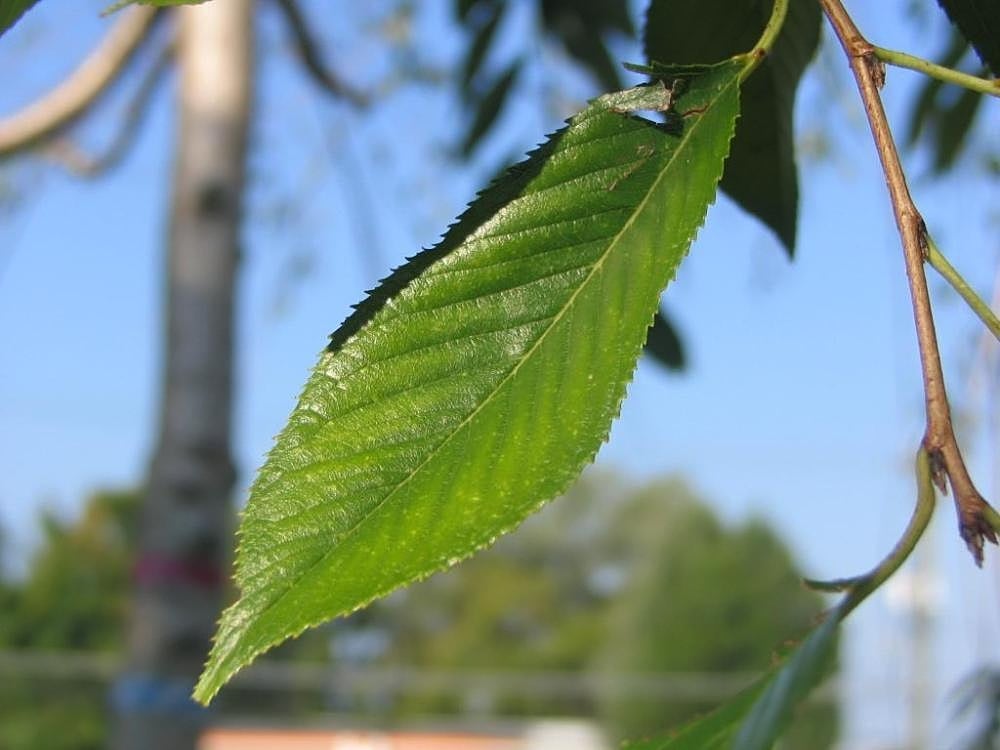
Higan cherry
Prunus subhirtella
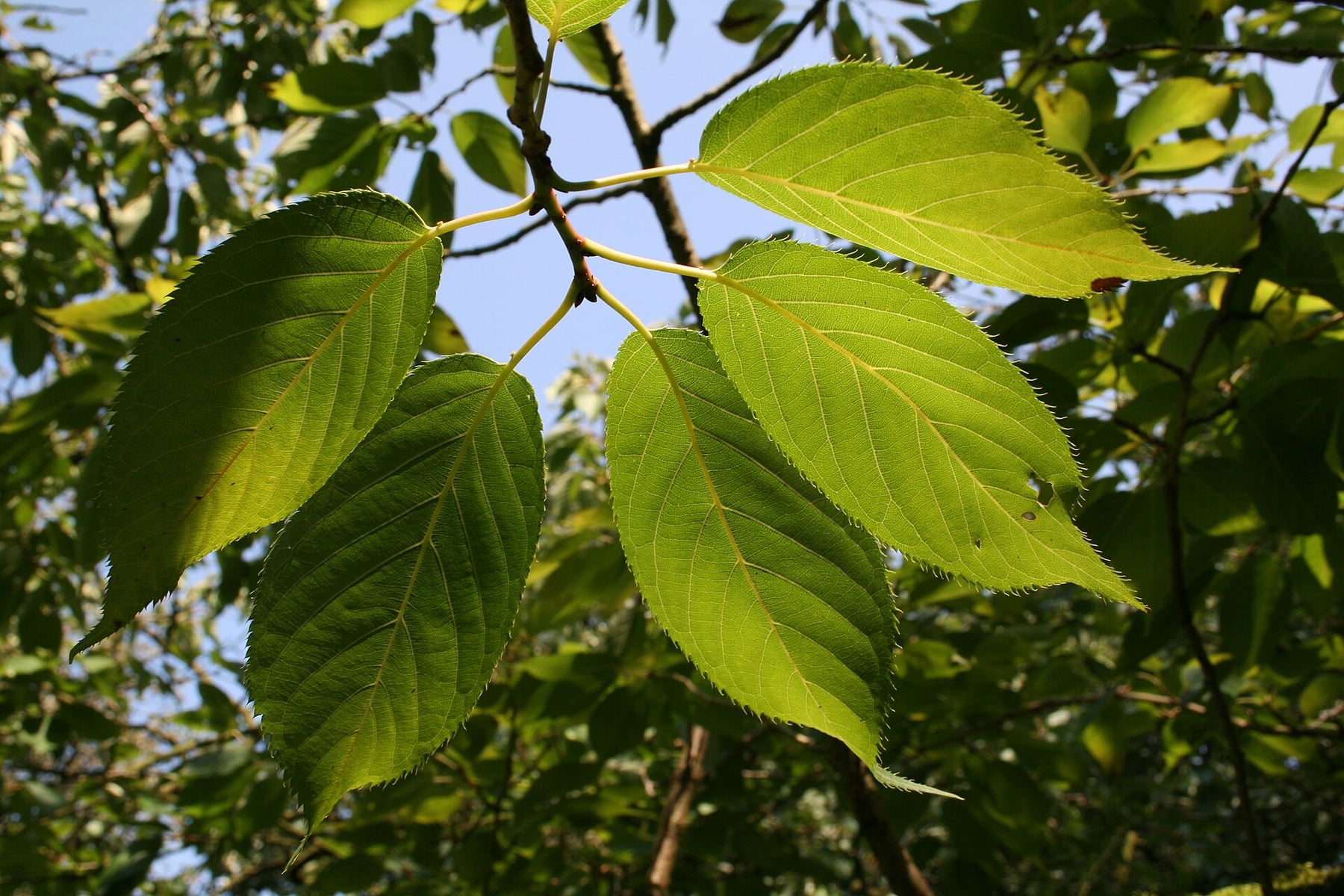
Japanese cherry
Prunus serrulata
The Japanese cherry flowers in spring with often very double, spectacular flowers, at the same time as the leaves, whereas the Higan cherry flowers from November and intermittently throughout the winter, well before all other ornamental cherries.
🌿 Other Rosaceae to discover
ℹ️ Educational profile — do not use it to judge whether a plant is edible or safe.
🌱 This database is constantly evolving — species and information are added and corrected regularly. Spotted a mistake? Report it below.
© Floraneo — profile content is protected; reproduction without permission is prohibited. Photos remain under their own licence (see the credit shown on each photo).