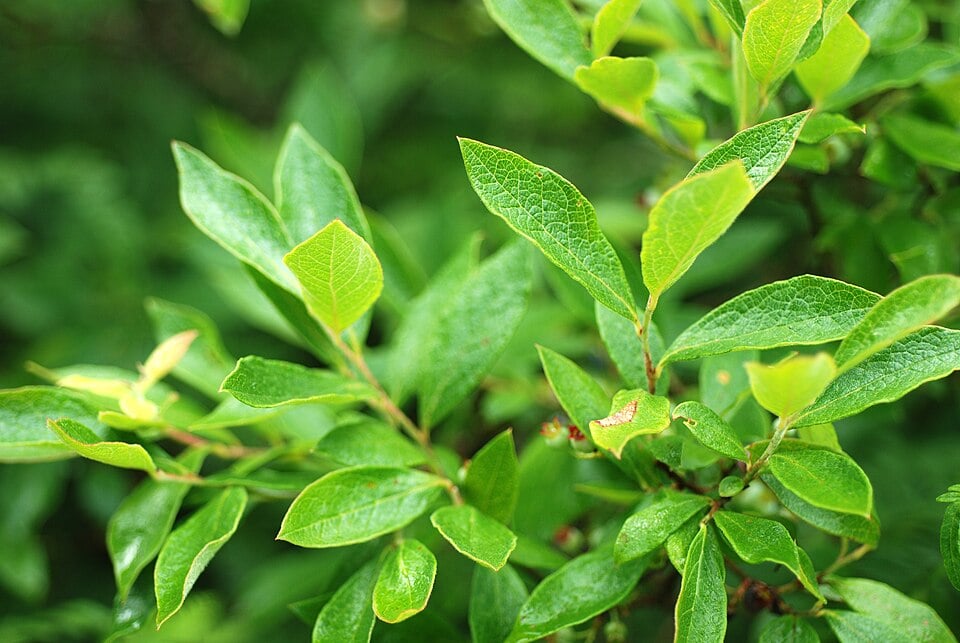
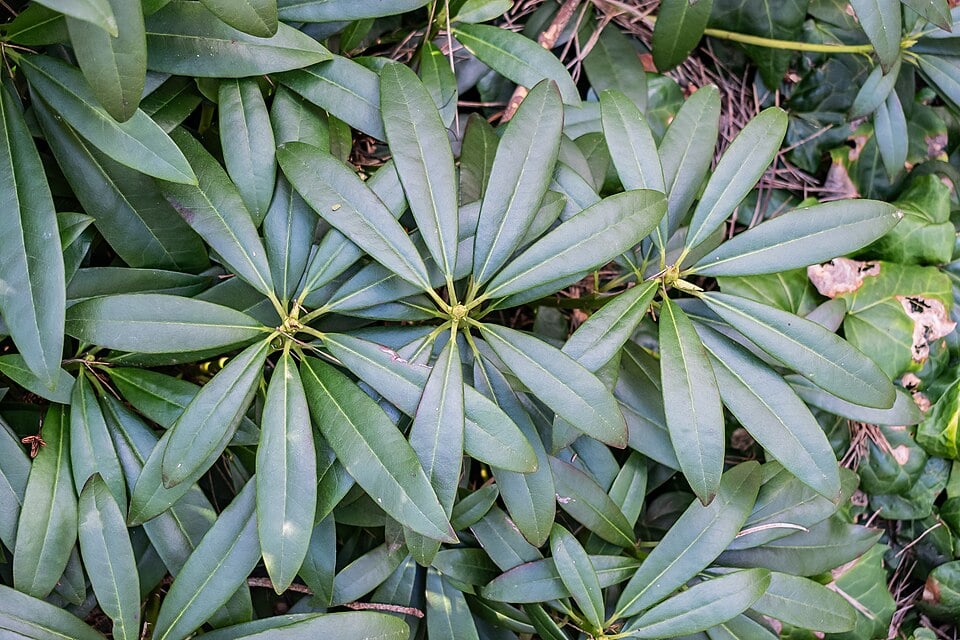
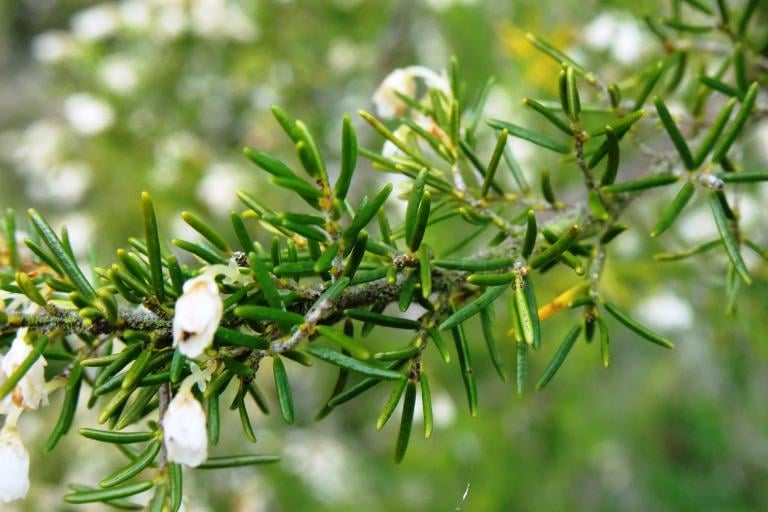
Leaf
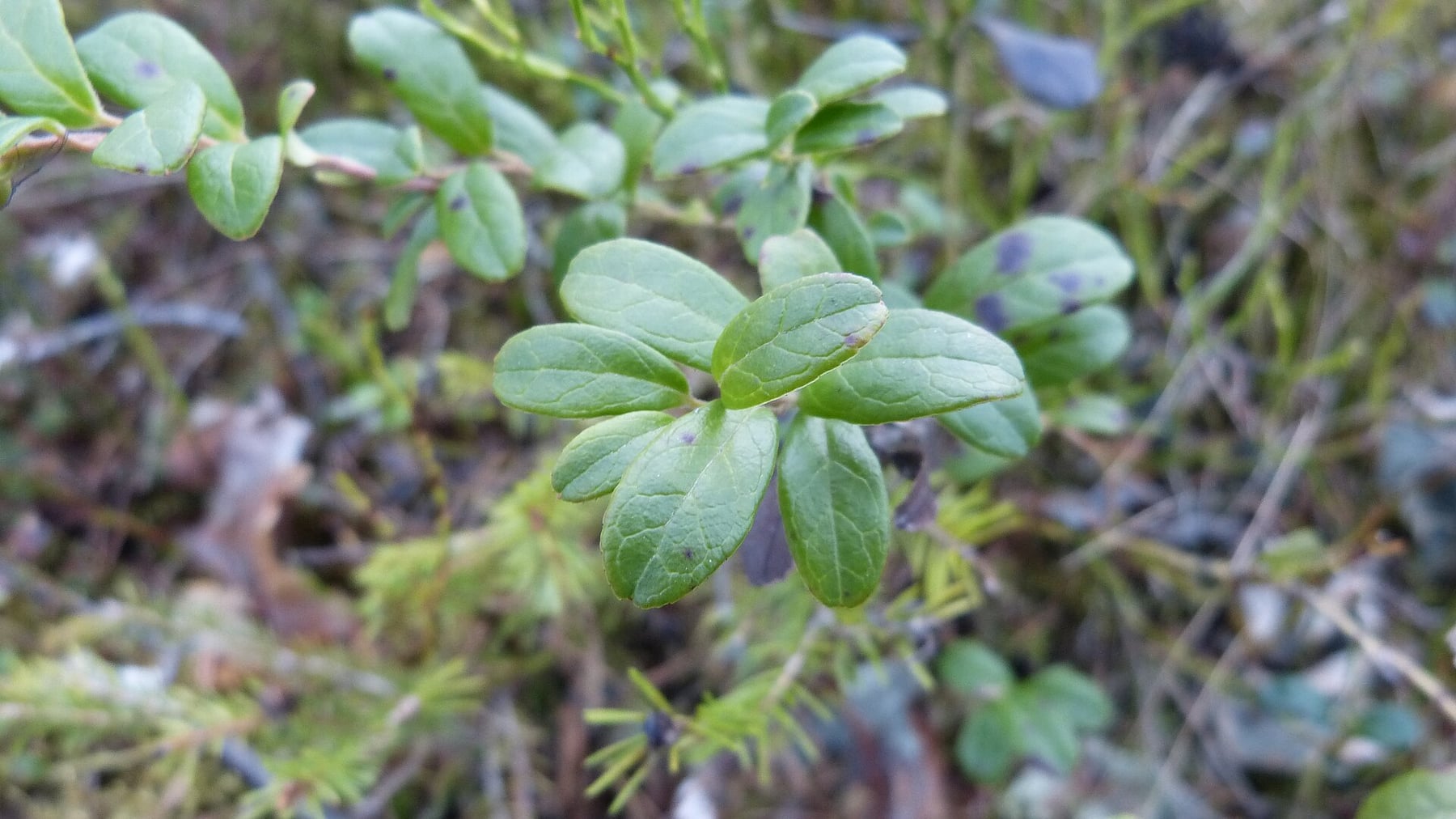
Michel Pansiot, Tela Botanica · CC BY-SA 2.0

Bilberry

Vaccinium myrtillus L.
Also known as: European blueberry, Whortleberry, Blaeberry
Family: Ericaceae
  • 0.2 to 0.5 m tall
  • Mountain heaths and woodland, acid soils
  • Full sun, Part shade
  • Very hardy, to -40°C

In flower from April to June

3 months
See what flowers in:April ›May ›June ›

❓ How do you recognise this plant?

Green, angular stems that themselves take part in photosynthesis. Wild bilberry has small blue-black fruits with purple flesh and angular twigs; the cultivated highbush blueberry has much larger berries with pale flesh, on a taller, more upright shrub.

Learn to recognise it

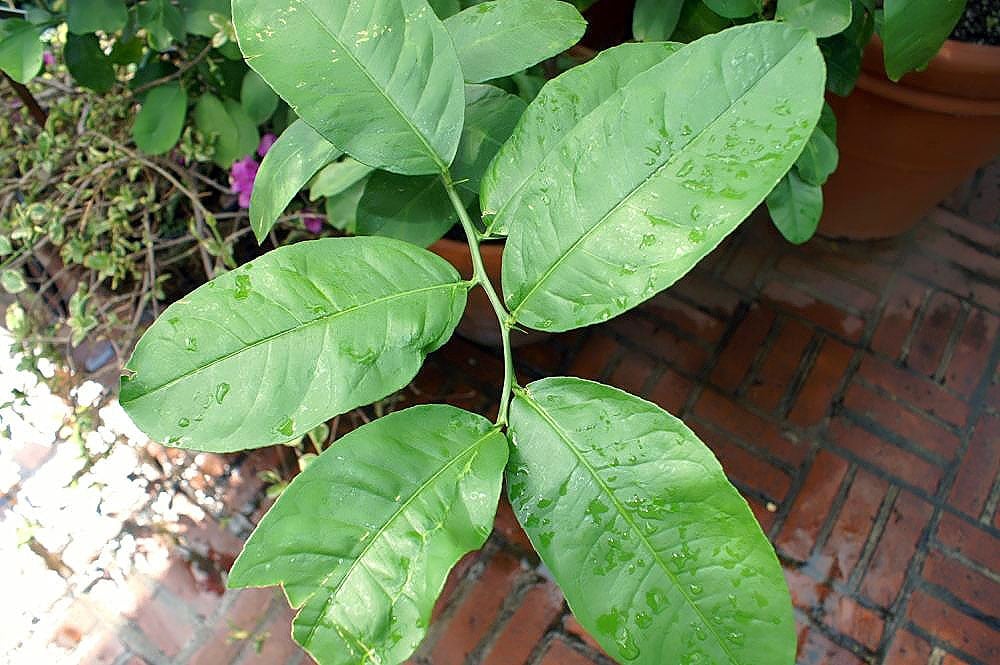
Citrus, grapes and summer fruit. This plant is in the lesson “Citrus, grapes and summer fruit”, with 11 others.
Bilberry
Lemon
Sweet orange
Grapevine
Kiwifruit
+7
🍃 Leaves
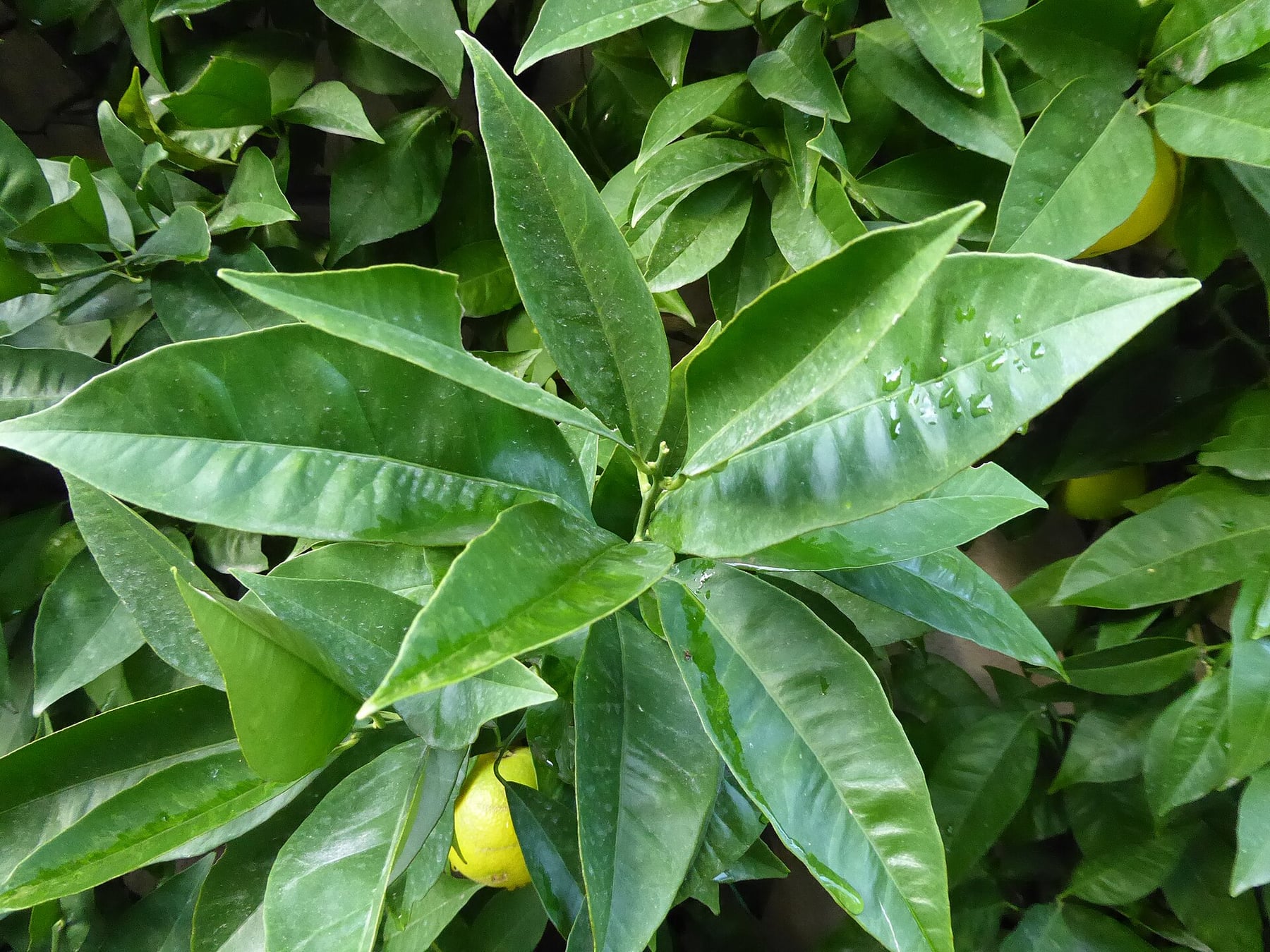
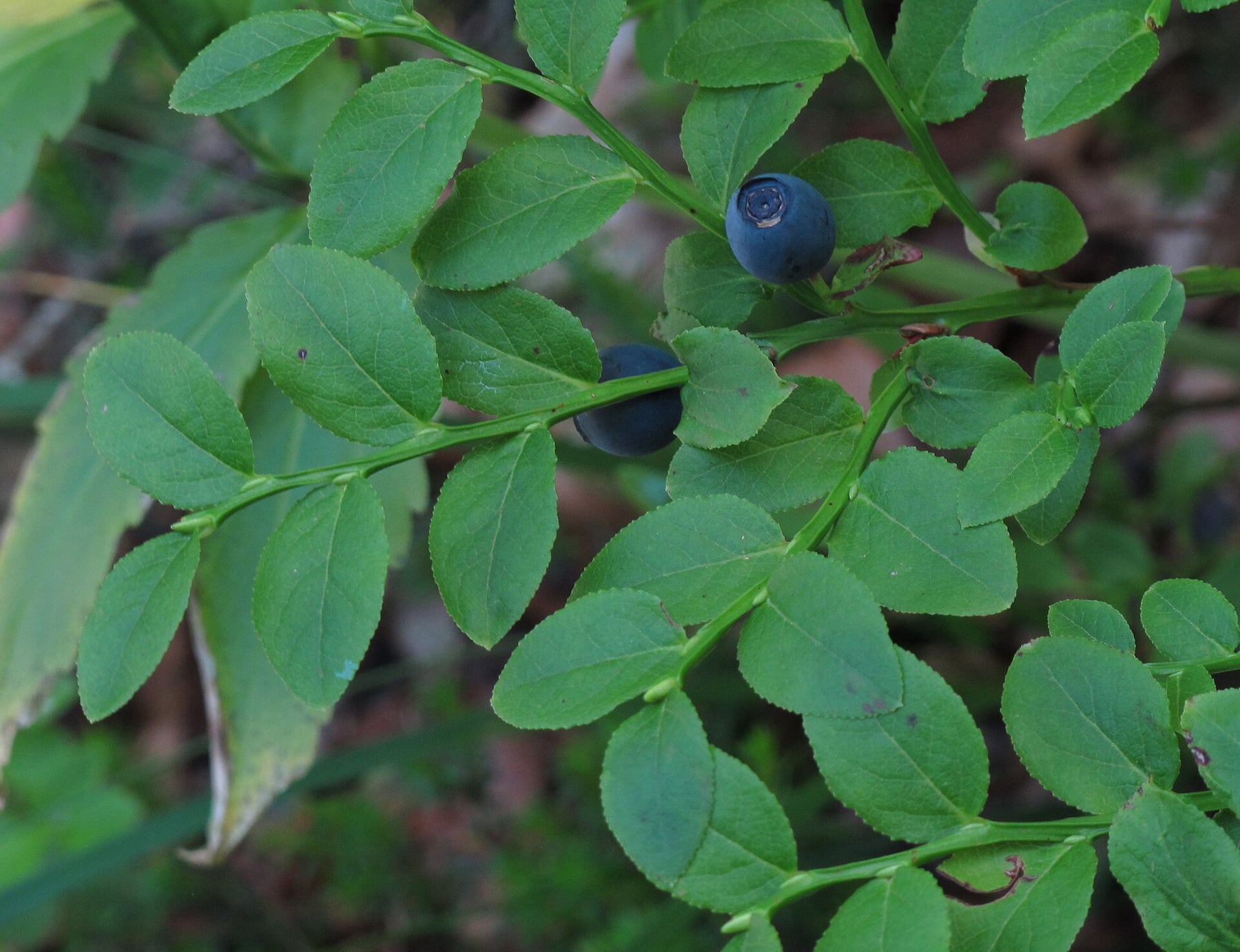
Small, ovate, finely toothed, deciduous, bright green
🌸 Flowers
Small solitary pinkish bells
🍎 Fruits
Small blue-black berries covered with a waxy bloom, purple flesh
🪵 Bark
Green, angular stems, photosynthetic
Distribution, pollinators, uses
🗺️ Distribution
Europe, mountain and boreal regions; common in acid mountain woodland (Vosges, Alps, Massif Central).
🐝 Value for pollinators
Small pink bell-shaped flowers, important for bumblebees and wild bees in spring at altitude.
✂️ Horticultural uses
Planted in heather gardens or acid woodland, also grown for berry harvesting.

⚠️ Possible toxicity

No known toxicity; fruits edible.

⚠️ Look-alike species

Bilberry
Bilberry
Vaccinium myrtillus
Highbush blueberry
Highbush blueberry
Vaccinium corymbosum

Wild bilberry has small blue-black fruits with purple flesh and angular twigs; the cultivated highbush blueberry has much larger berries with pale flesh, on a taller, more upright shrub.
See the full comparison →
Bilberry
Bilberry
Vaccinium myrtillus
Lingonberry
Lingonberry
Vaccinium vitis-idaea

Bilberry has deciduous, finely toothed leaves and blue-black fruits with a waxy bloom, whereas cowberry has evergreen, leathery, glossy leaves and bright red fruits.

See the full comparison →

ℹ️ Educational profile — do not use it to judge whether a plant is edible or safe.

🌱 This database is constantly evolving — species and information are added and corrected regularly. Spotted a mistake? Report it below.

© Floraneo — profile content is protected; reproduction without permission is prohibited. Photos remain under their own licence (see the credit shown on each photo).