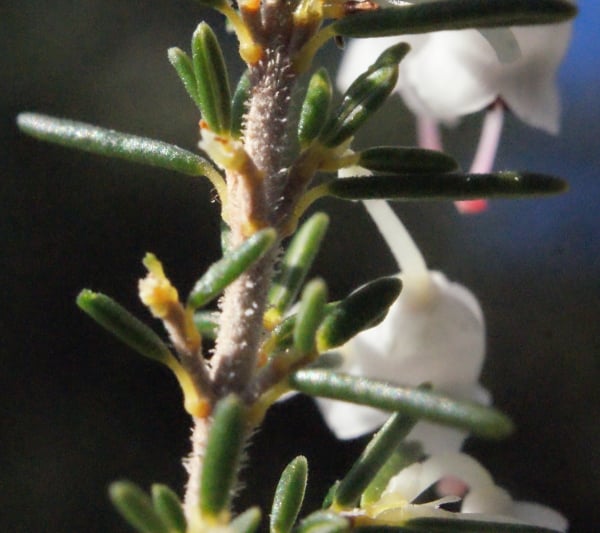
Leaf
Liliane Roubaudi, Tela Botanica · CC BY-SA 2.0
Erica multiflora
Family: Ericaceae
30 cm to 1 m tall
Garrigue, dry gardens, acid to neutral soils
Flowering: August – December
Full sun
Hardy to -12°C
❓ How do you recognise this plant?
Its abundant pink flowering at the end of the year, when few other plants are in flower, makes it a valuable source of nectar for bees. Bell heather has ovoid bell-shaped flowers grouped in short racemes and leaves whorled in 3s, whereas multiflora heath bears more numerous flowers in elongated racemes and finer leaves, whorled in 4s or 5s.
🍃 Leaves
Evergreen, fine needles in whorls, dark green
🌸 Flowers
Numerous small bright pink bells covering the twigs
🍎 Fruits
Small dry capsules
🪵 Bark
Slender reddish-brown twigs, dense bushy habit
🗺️ Distribution
Western Mediterranean; found in south-eastern France, on limestone garrigue.
🐝 Value for pollinators
Late autumn flowering, a valuable resource for bees at the end of the season.
✂️ Horticultural uses
Planted in rock gardens or Mediterranean borders; tolerates lime, unlike other heaths.
⚠️ Possible toxicity
No known toxicity.
⚠️ Look-alike species
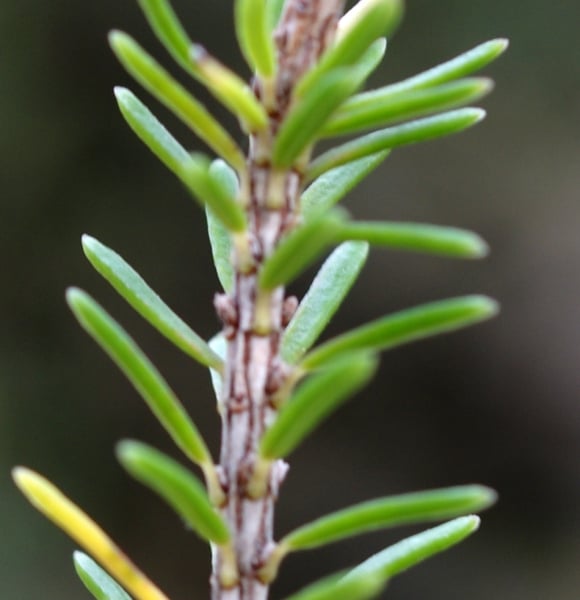
Erica multiflora
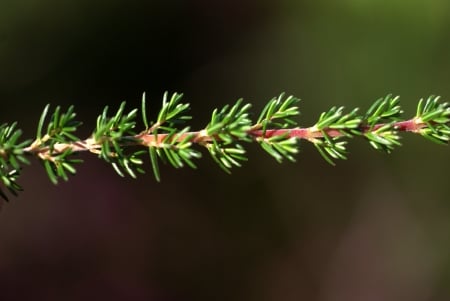
Bell heather
Erica cinerea
Bell heather has ovoid bell-shaped flowers grouped in short racemes and leaves whorled in 3s, whereas multiflora heath bears more numerous flowers in elongated racemes and finer leaves, whorled in 4s or 5s.
🌿 Other Ericaceae to discover
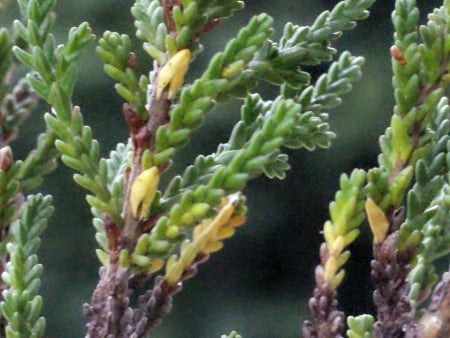
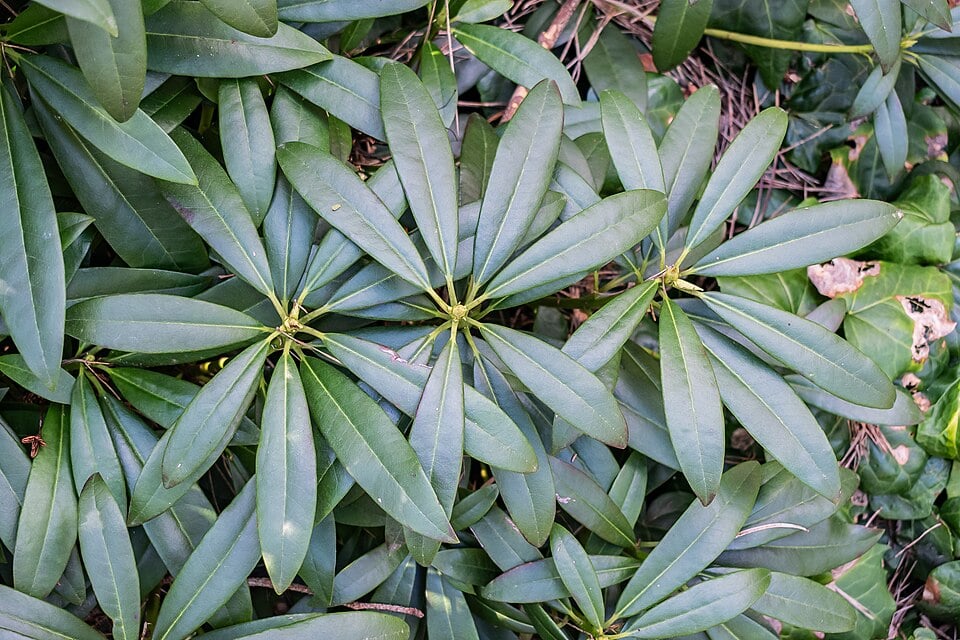

ℹ️ Educational profile — do not use it to judge whether a plant is edible or safe.
🌱 This database is constantly evolving — species and information are added and corrected regularly. Spotted a mistake? Report it below.
© Floraneo — profile content is protected; reproduction without permission is prohibited. Photos remain under their own licence (see the credit shown on each photo).