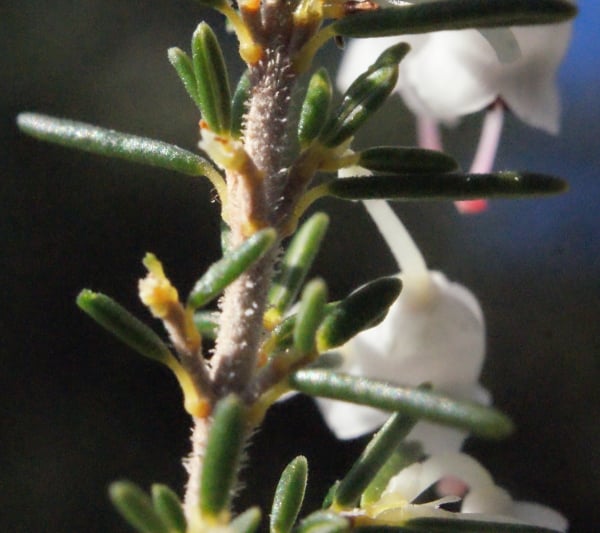
Leaf
Krzysztof Golik, Wikimedia · CC BY-SA 4.0
Common rhododendron
Rhododendron ponticum L.
Also known as: Pontic rhododendron
Family: Ericaceae
2 to 5 m tall, sometimes more
Planted as a specimen or in hedges in parks and gardens, acid soils
Flowering: May – June
Part shade
Shade
Hardy, to about -20°C, needs acidic soil
❓ How do you recognise this plant?
The common rhododendron, widely planted as an ornamental, is also an invasive species in some damp Atlantic forests such as in Brittany, where its dense foliage smothers the natural regeneration of native trees. The alpenrose remains a small mountain shrub with tiny leaves and small pink-red bell-shaped flowers, whereas the common rhododendron is a large invasive shrub with large leathery leaves and large mauve flowers in clusters.
🍃 Leaves
Evergreen, large, leathery, glossy, elongated
🌸 Flowers
Large, mauve to purplish-pink, grouped in dense clusters at the tips of the twigs
🍎 Fruits
Small woody capsule
🪵 Bark
Grey, smooth, becoming rough with age
🗺️ Distribution
Native to the eastern Mediterranean basin and the Caucasus; widely planted in France, naturalised and invasive in some Atlantic forests
🐝 Value for pollinators
Large flowers rich in nectar visited by bees, although the nectar contains toxins (grayanotoxins)
✂️ Horticultural uses
Major ornamental shrub for acid soil, planted for its spectacular flowering; a species to watch as it is invasive in some damp forests
⚠️ Possible toxicity
All parts are toxic if ingested, including the nectar, which can make honey toxic in large quantities (a rare effect, known as mad honey)
⚠️ Look-alike species
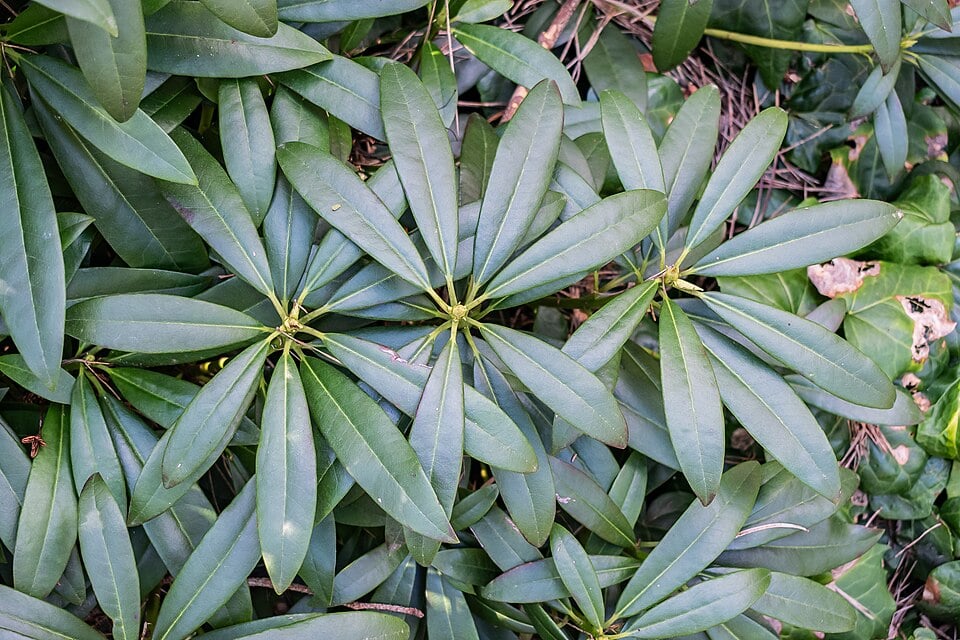
Common rhododendron
Rhododendron ponticum
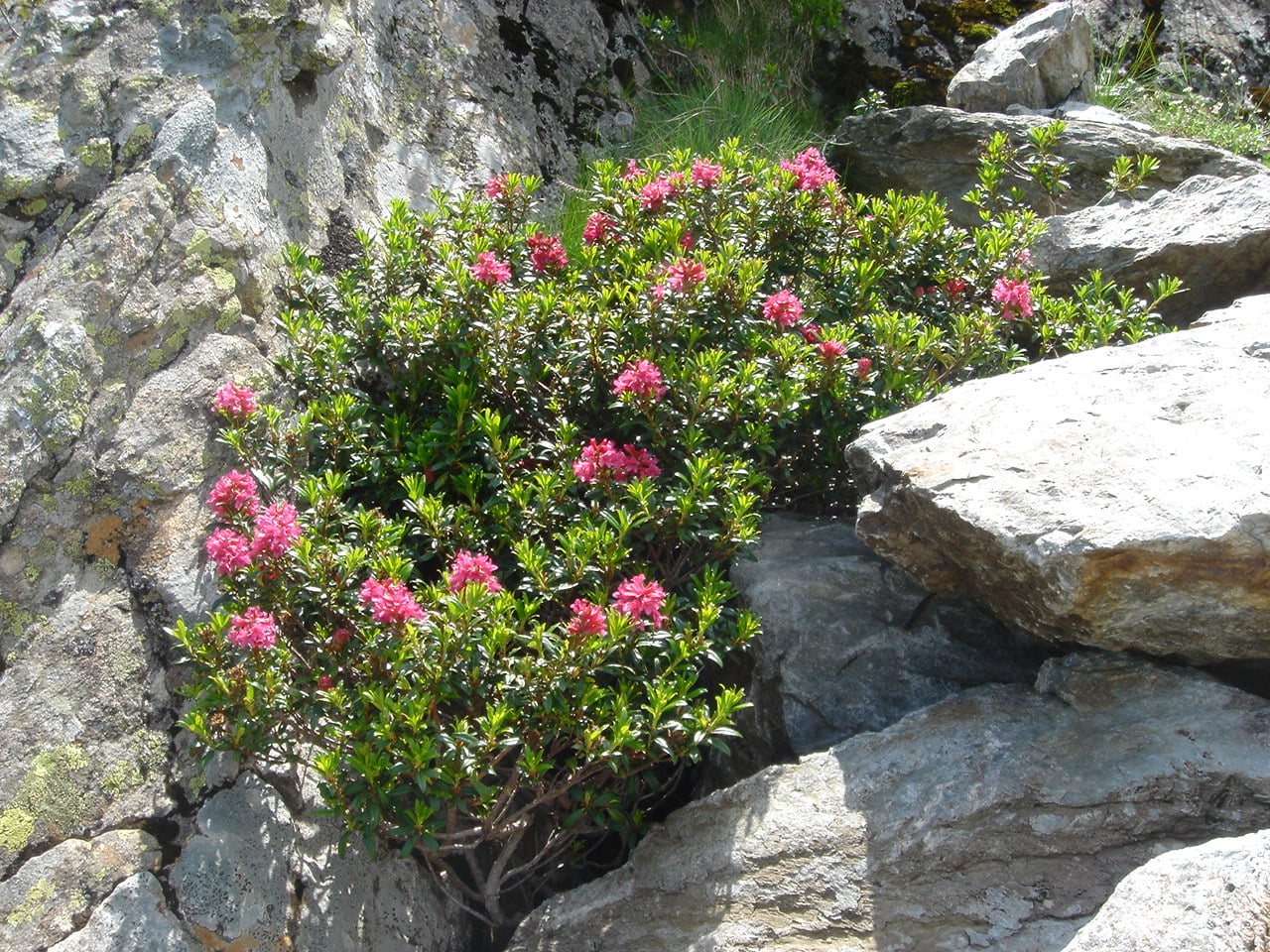
Rusty-leaved alpenrose
Rhododendron ferrugineum
The alpenrose remains a small mountain shrub with tiny leaves and small pink-red bell-shaped flowers, whereas the common rhododendron is a large invasive shrub with large leathery leaves and large mauve flowers in clusters.
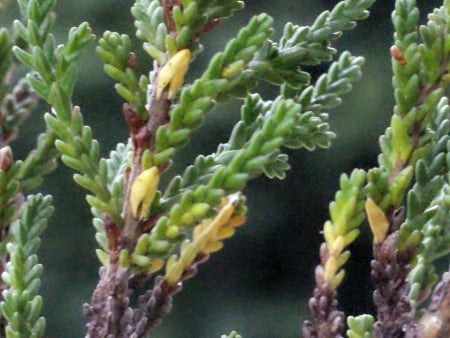
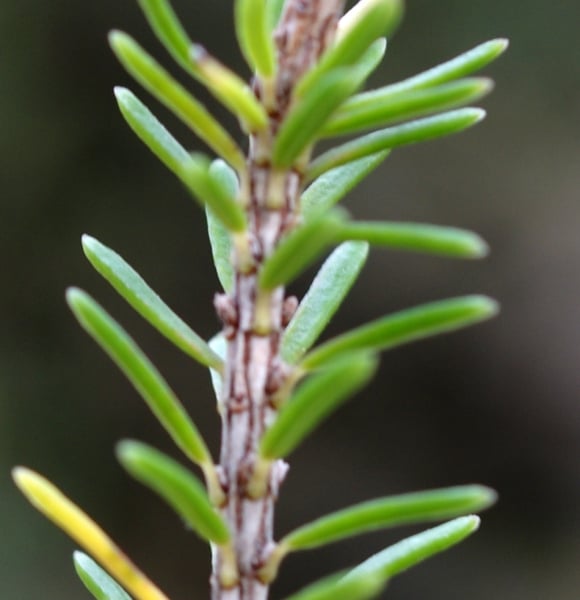
🌿 Other Ericaceae to discover

ℹ️ Educational profile — do not use it to judge whether a plant is edible or safe.
🌱 This database is constantly evolving — species and information are added and corrected regularly. Spotted a mistake? Report it below.
© Floraneo — profile content is protected; reproduction without permission is prohibited. Photos remain under their own licence (see the credit shown on each photo).