Lingonberry or Bilberry: how to tell them apart?
Lingonberry and Bilberry look alike and are often mixed up. Here is how to tell them apart, feature by feature, with their photos and the details to look for.
⚡ The quick answer
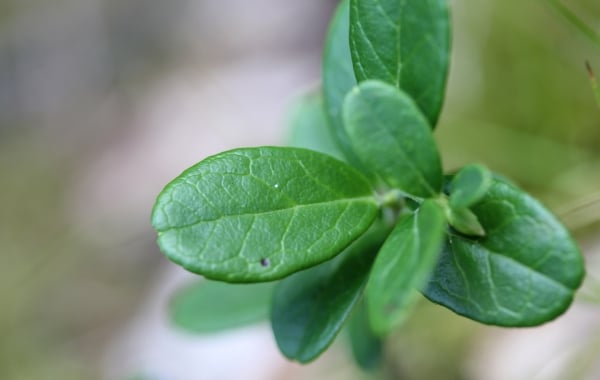
Lingonberry
Vaccinium vitis-idaea
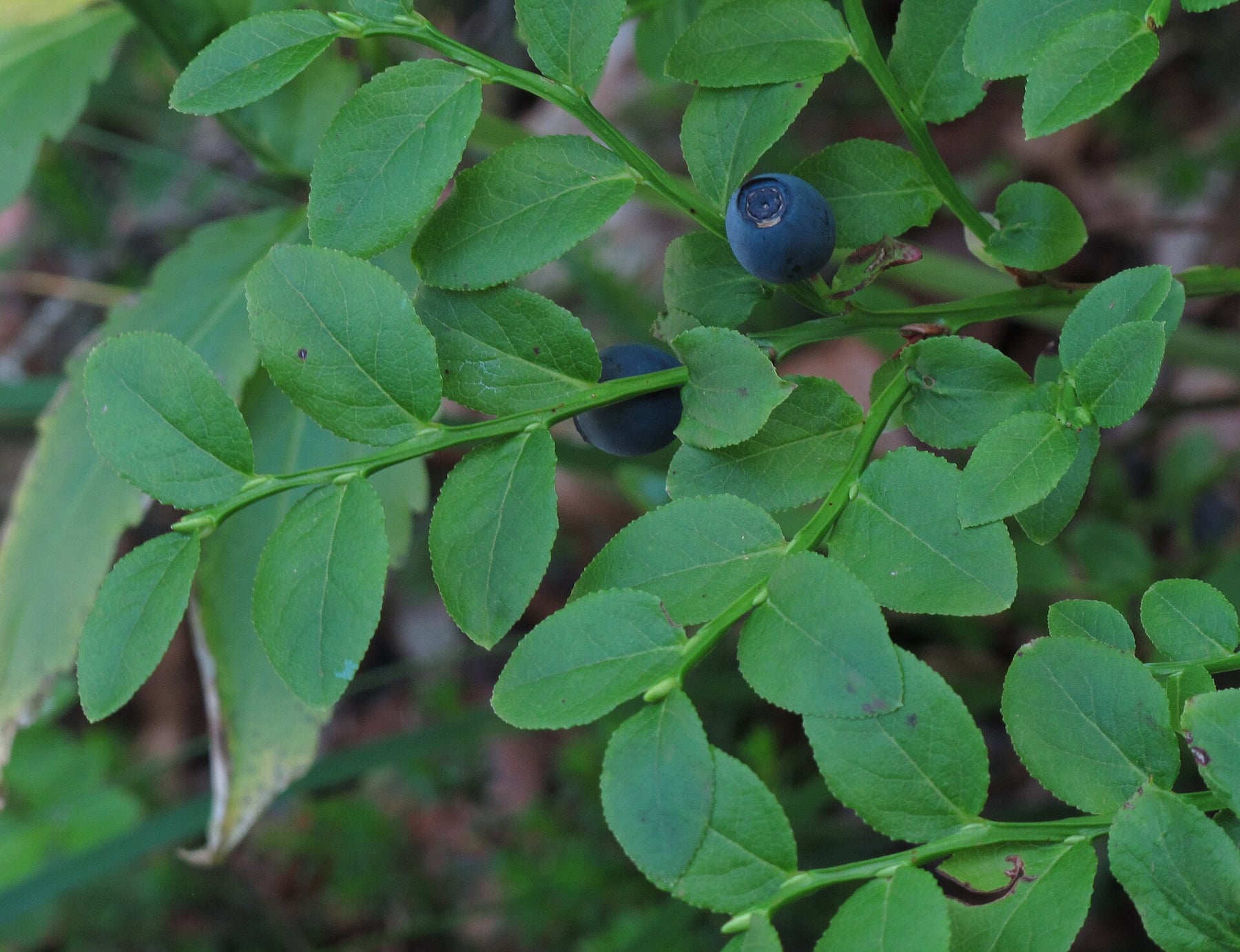
Bilberry
Vaccinium myrtillus
Bilberry has deciduous, finely toothed leaves and blue-black fruits with a bloom, whereas cowberry has evergreen, leathery, glossy leaves and bright red fruits.
🍃 Leaves
Evergreen, small, ovate, leathery, glossy dark green
Small, ovate, finely toothed, deciduous, bright green
🌸 Flowers
Small pinkish-white bells in racemes
Small solitary pinkish bells
🍎 Fruits
Small, round red fruits about 5 to 8 mm across, tart, often grouped in small clusters, edible as jam.
Small blue-black berries covered with a waxy bloom, purple flesh
🪵 Bark
Dwarf shrub with low, upright or creeping stems, sometimes forming mats.
Green, angular stems, photosynthetic
📏 Size
10 to 30 cm tall, mat-forming dwarf shrub
0.2 to 0.5 m tall
🗺️ Habitat
Mountain woodland understorey, acid gardens, peat bogs
Mountain heaths and woodland, acid soils
⚠️ Toxicity
No known toxicity; fruits edible.
No known toxicity; fruits edible.
🔎 And from the Bilberry side
Bilberry has deciduous, finely toothed leaves and blue-black fruits with a waxy bloom, whereas cowberry has evergreen, leathery, glossy leaves and bright red fruits.
🌿 Go further
Want to practise spotting these details on real photos? Floraneo offers profiles and quizzes for dozens of look-alike species.
ℹ️ Educational profile — do not use it to judge whether a plant is edible or safe.