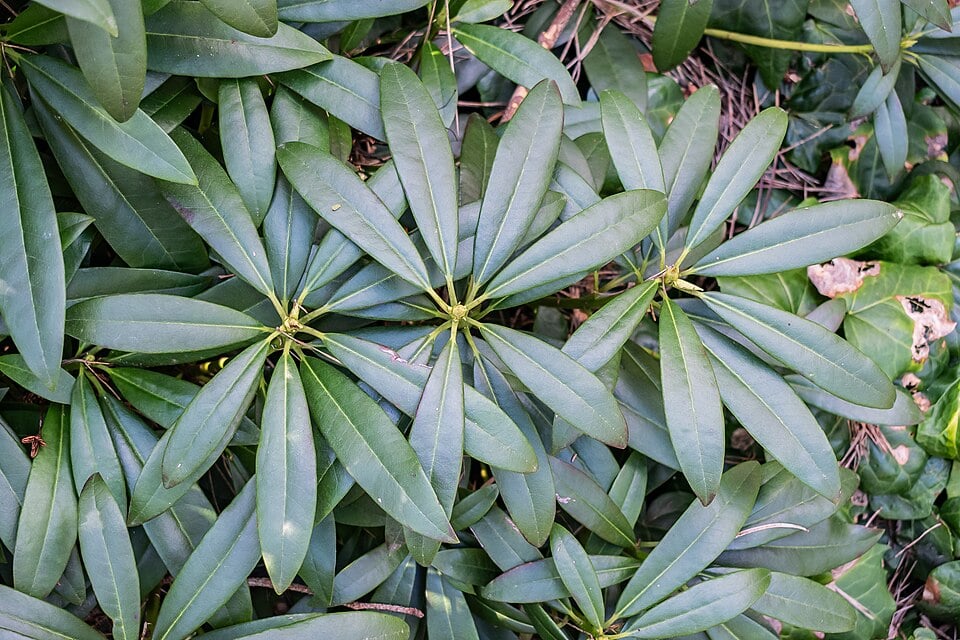
Leaf
Douglas Goldman, Wikimedia · CC BY-SA 4.0
Highbush blueberry
Vaccinium corymbosum L.
Also known as: Northern highbush blueberry, American blueberry, Blueberry
Family: Ericaceae
1 to 2 m tall
Grown in the open ground in acid, peaty or heathland soils
Flowering: April – May
Full sun
Part shade
Hardy, to about -25°C, absolutely needs acidic soil
❓ How do you recognise this plant?
Highbush blueberry produces fruit two to three times larger than that of the wild European bilberry — it is the one grown commercially, while the wild bilberry of the woodland floor is still mostly gathered. Wild bilberry has small blue-black fruits with purple flesh and angular twigs; the cultivated highbush blueberry has much larger berries with pale flesh, on a taller, more upright shrub.
🍃 Leaves
Deciduous, ovate, bright green, turning attractive reds in autumn
🌸 Flowers
White to pinkish, in clustered bells, appearing before or with the leaves
🍎 Fruits
Blue-violet berry with a waxy bloom, much larger than the wild European bilberry
🪵 Bark
Fine reddish-brown twigs
🗺️ Distribution
Native to North America; grown in France on acid soil, notably in the Sologne and the Landes
🐝 Value for pollinators
Spring flowering very rich in nectar, important for bumblebees in spring
✂️ Horticultural uses
Fruit shrub for acid soil, grown for its large sweet fruit, also decorative in autumn
⚠️ Possible toxicity
Edible fruit; no known toxicity
⚠️ Look-alike species
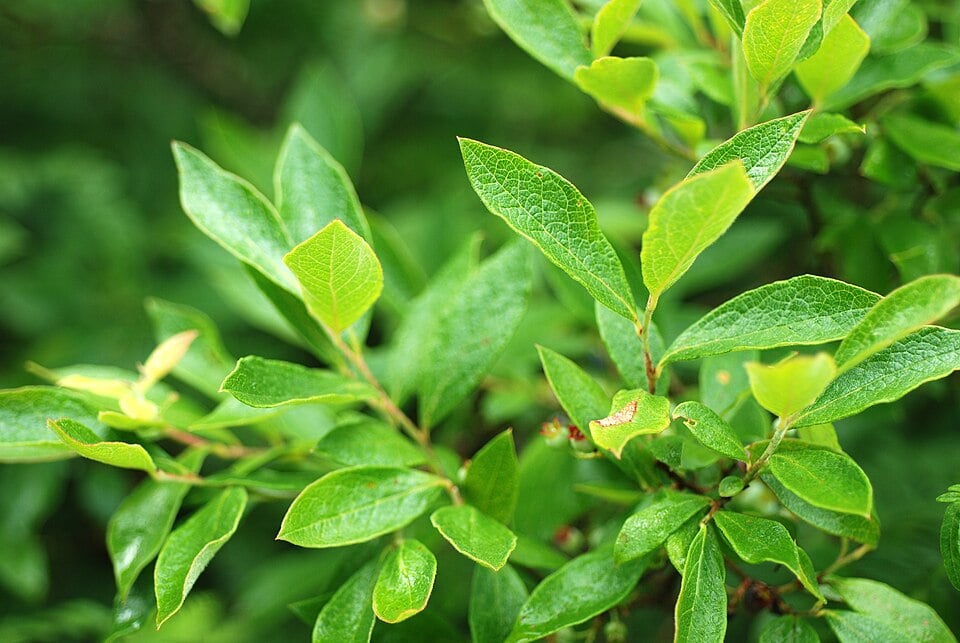
Highbush blueberry
Vaccinium corymbosum
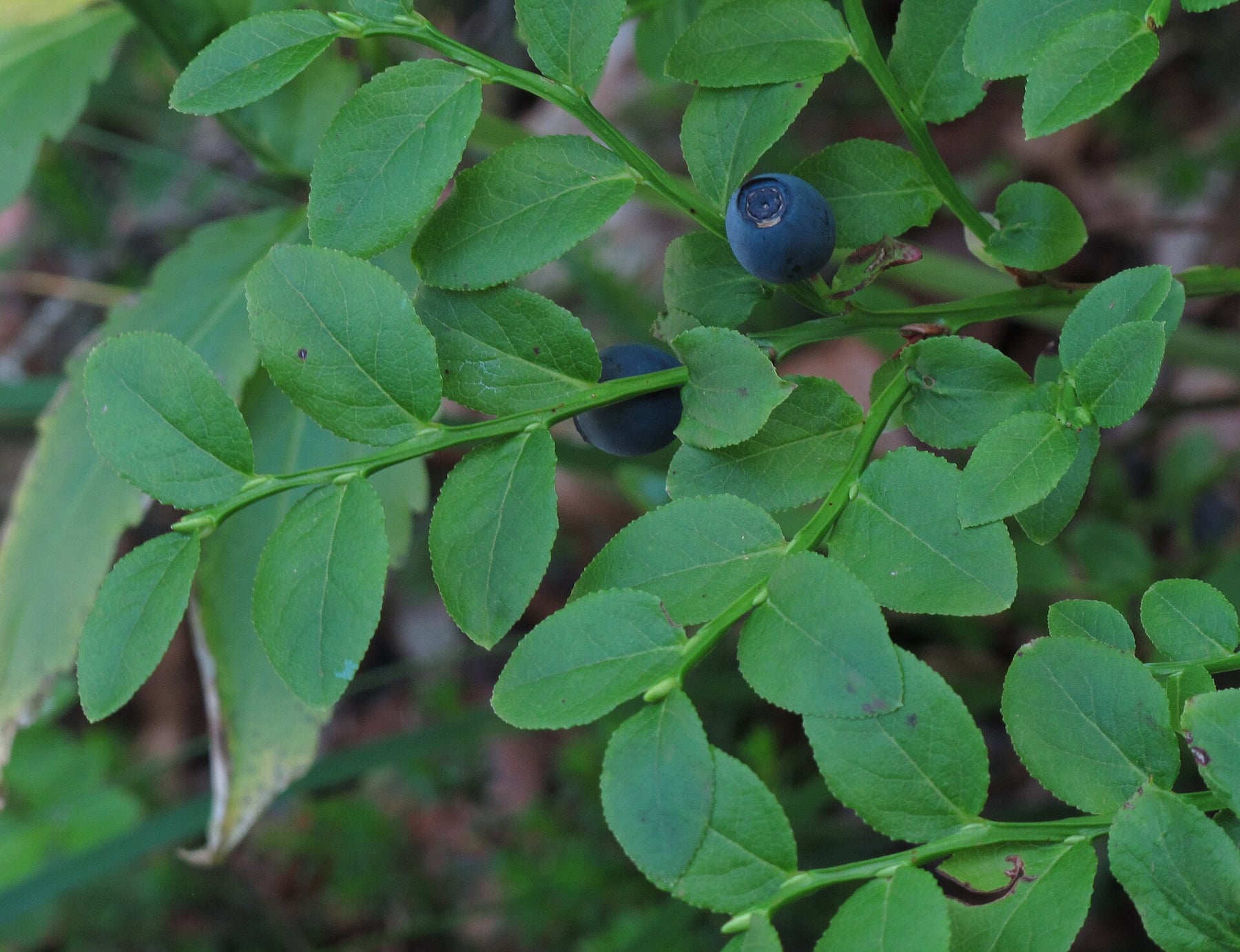
Bilberry
Vaccinium myrtillus
Wild bilberry has small blue-black fruits with purple flesh and angular twigs; the cultivated highbush blueberry has much larger berries with pale flesh, on a taller, more upright shrub.
🌿 Other Ericaceae to discover
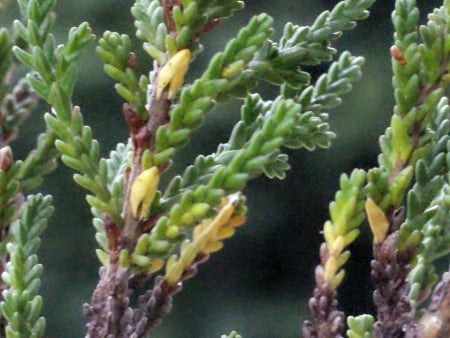
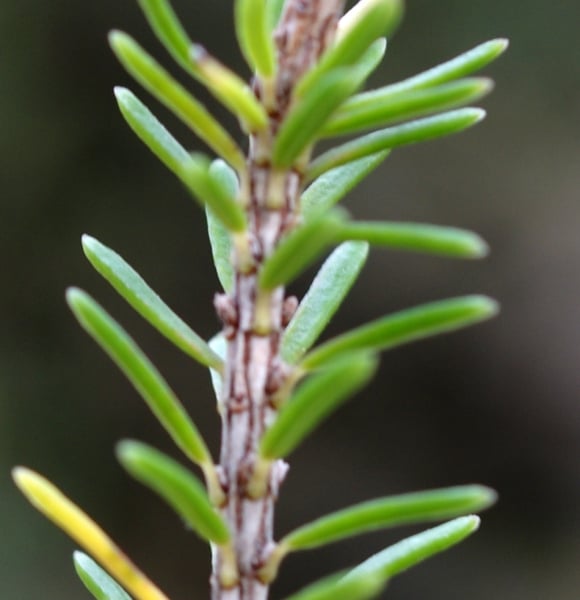
ℹ️ Educational profile — do not use it to judge whether a plant is edible or safe.
🌱 This database is constantly evolving — species and information are added and corrected regularly. Spotted a mistake? Report it below.
© Floraneo — profile content is protected; reproduction without permission is prohibited. Photos remain under their own licence (see the credit shown on each photo).