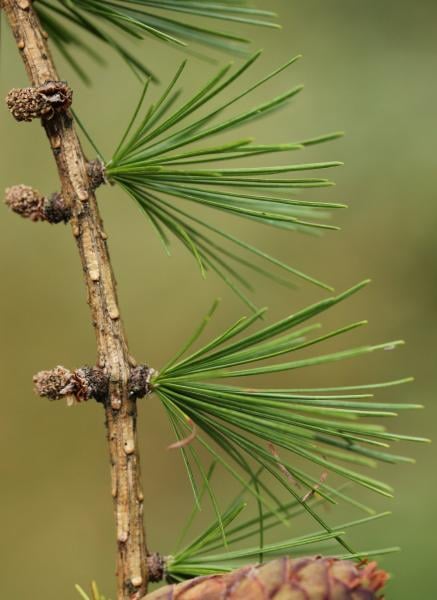
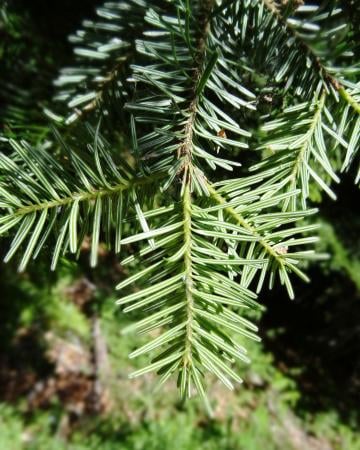
Leaf
Agnieszka Kwiecień, Wikimedia · CC BY-SA 4.0

Scots pine

Pinus sylvestris L.
Also known as: Scotch pine
Family: Pinaceae
20 to 35 m tall
Heaths, open forests, poor and sandy soils
Flowering: May – June
Full sun
Very hardy, to -28°C

❓ How do you recognise this plant?

Orange bark in the upper trunk — recognisable even from a distance. Aleppo pine has greyish to reddish-brown bark over the whole height of the trunk and long, fine, flexible, light green needles, whereas Scots pine is recognised by the orange bark of the upper trunk and its short, twisted, blue-green needles.
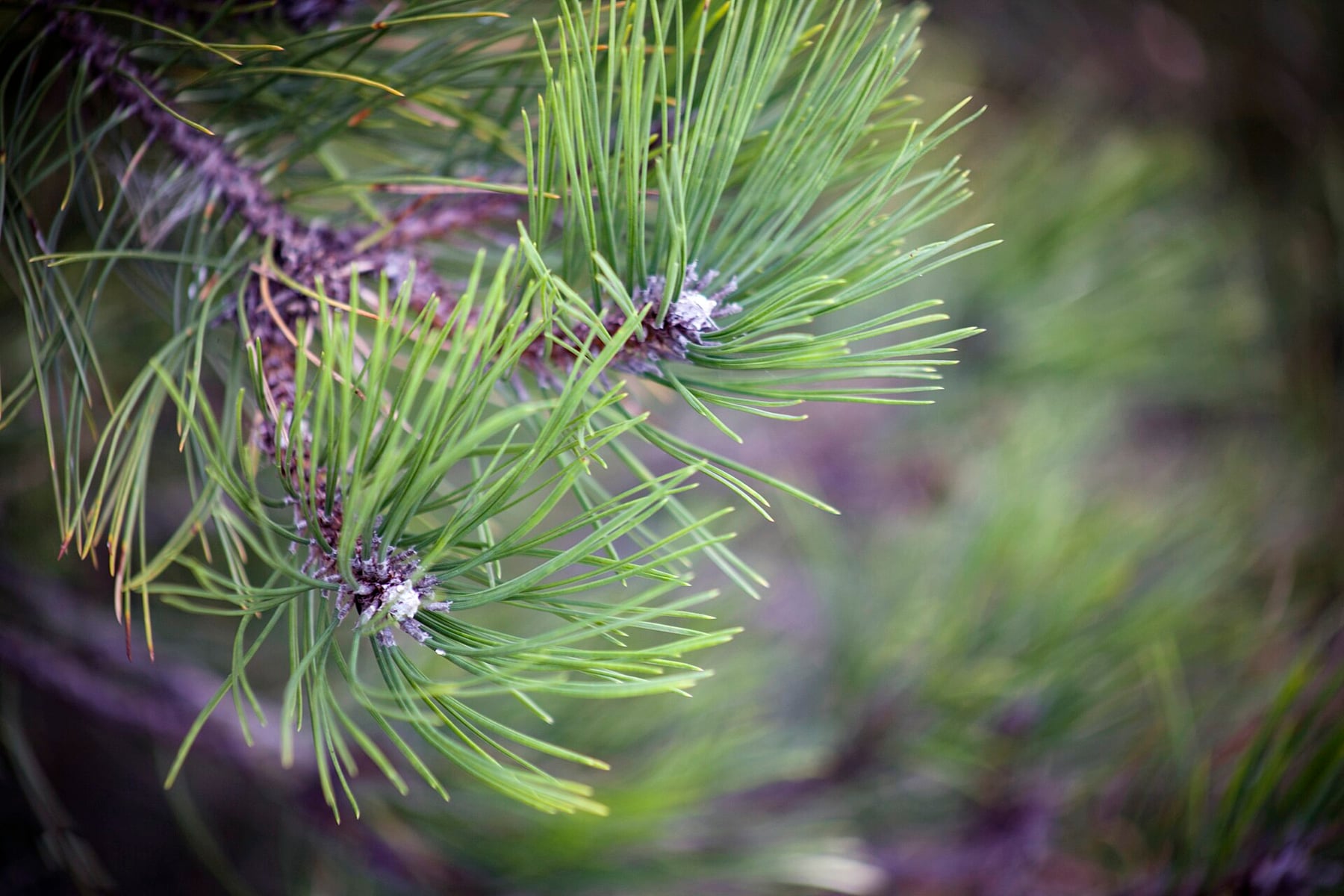
🍃 Leaves
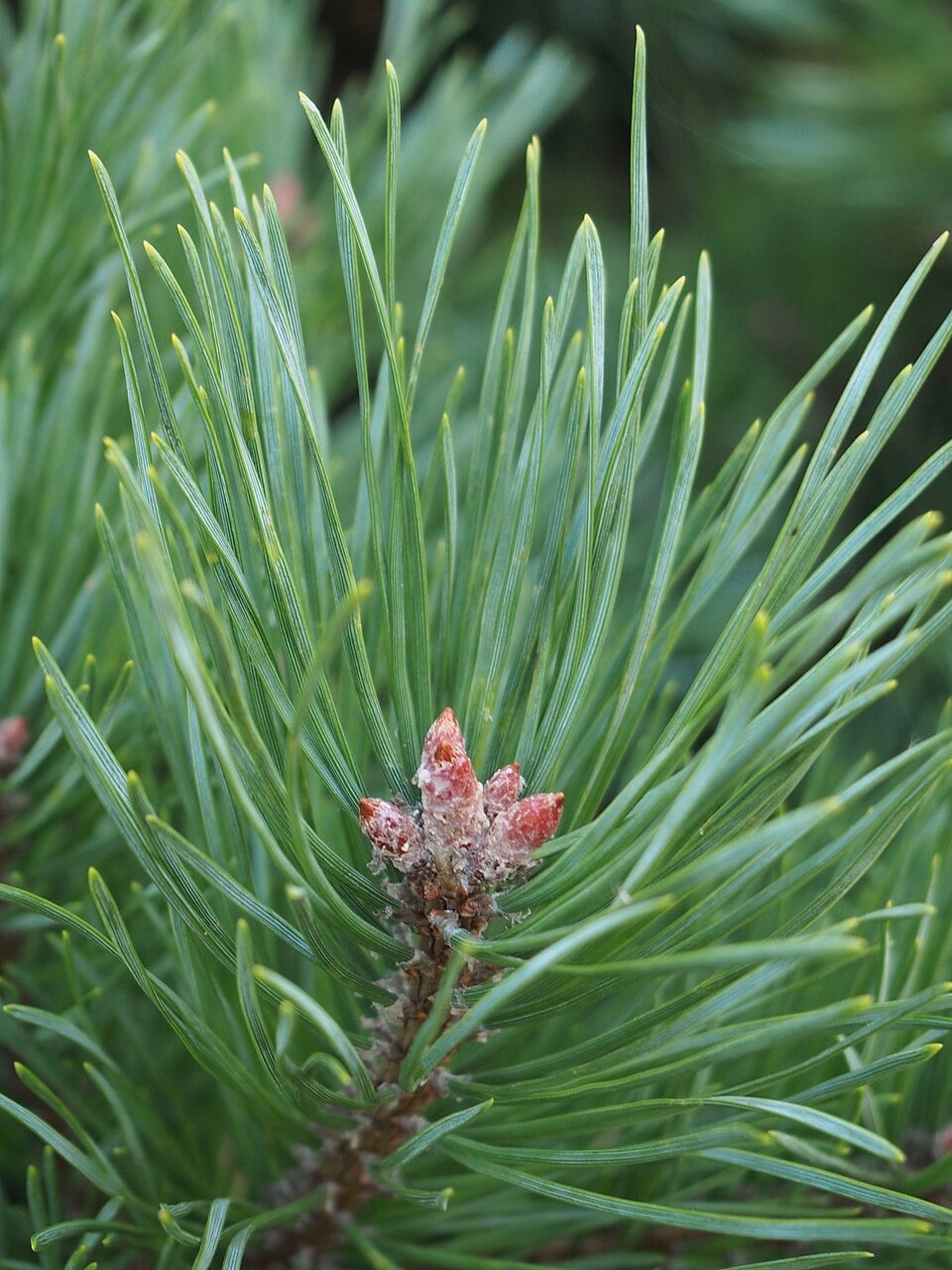
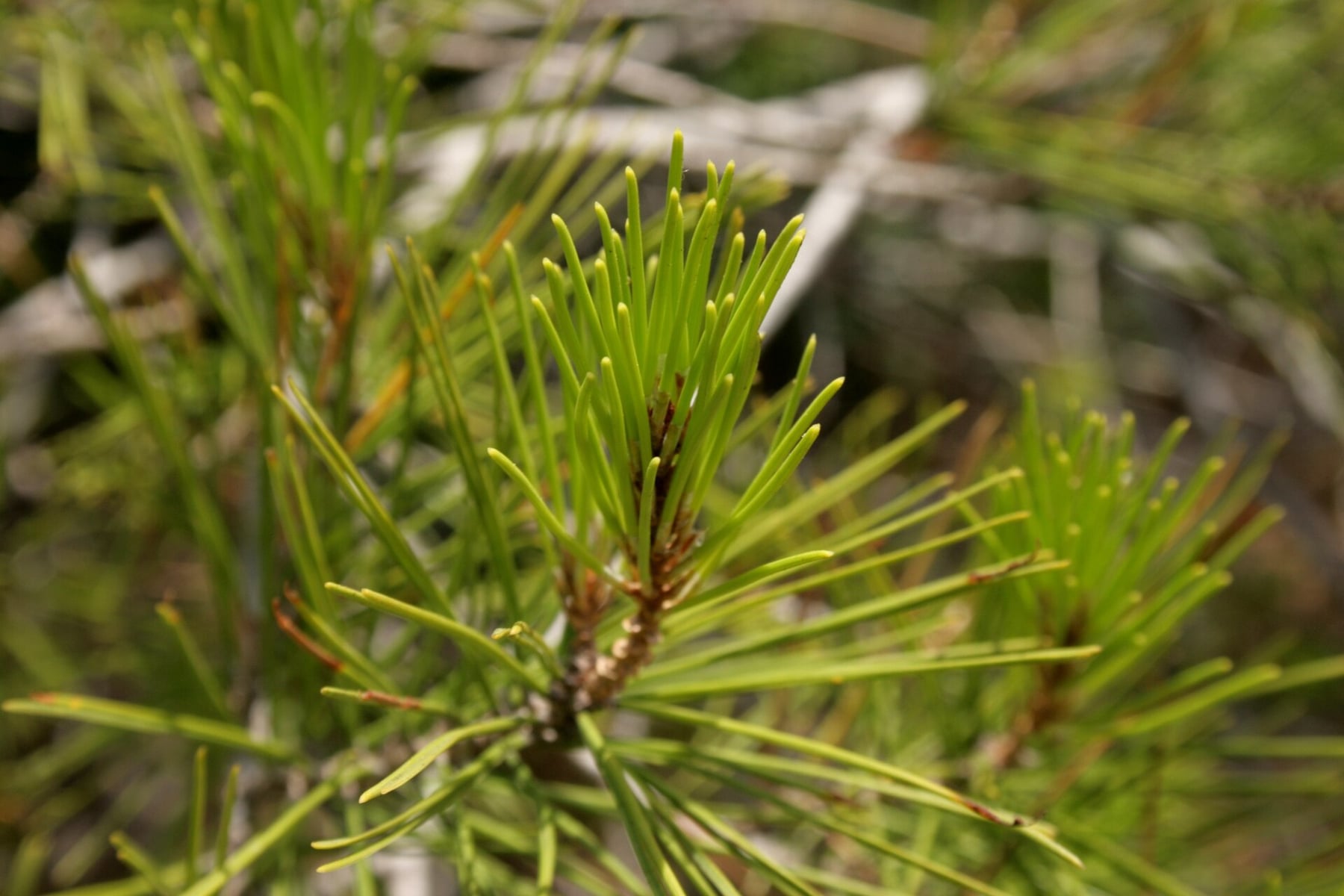
Blue-green needles in pairs, twisted, 4 to 7 cm
🌸 Flowers
Yellow male cones in clusters, small reddish female cones
🍎 Fruits
Brown woody cones, ovoid, hanging, 3 to 7 cm
🪵 Bark
Pinkish-orange and flaking in the upper trunk, grey and fissured at the base
🗺️ Distribution
Europe, northern Asia; common in France in the mountains and on sandy or poor soils
🐝 Value for pollinators
Wind-pollinated by cones, of little direct interest to pollinators
✂️ Horticultural uses
Planted for reforestation of poor soils and as a specimen for its characteristic orange bark

⚠️ Possible toxicity

No known toxicity

⚠️ Look-alike species

Scots pine
Scots pine
Pinus sylvestris
Aleppo pine
Aleppo pine
Pinus halepensis

Aleppo pine has greyish to reddish-brown bark over the whole height of the trunk and long, fine, flexible, light green needles, whereas Scots pine is recognised by the orange bark of the upper trunk and its short, twisted, blue-green needles.

Scots pine
Scots pine
Pinus sylvestris
Austrian pine
Austrian pine
Pinus nigra subsp. nigra

Austrian pine keeps dark, grey to blackish bark over the whole height of the trunk and long, rigid needles, whereas Scots pine is recognised by the orange bark of the upper trunk and its shorter, twisted needles.
Scots pine
Scots pine
Pinus sylvestris
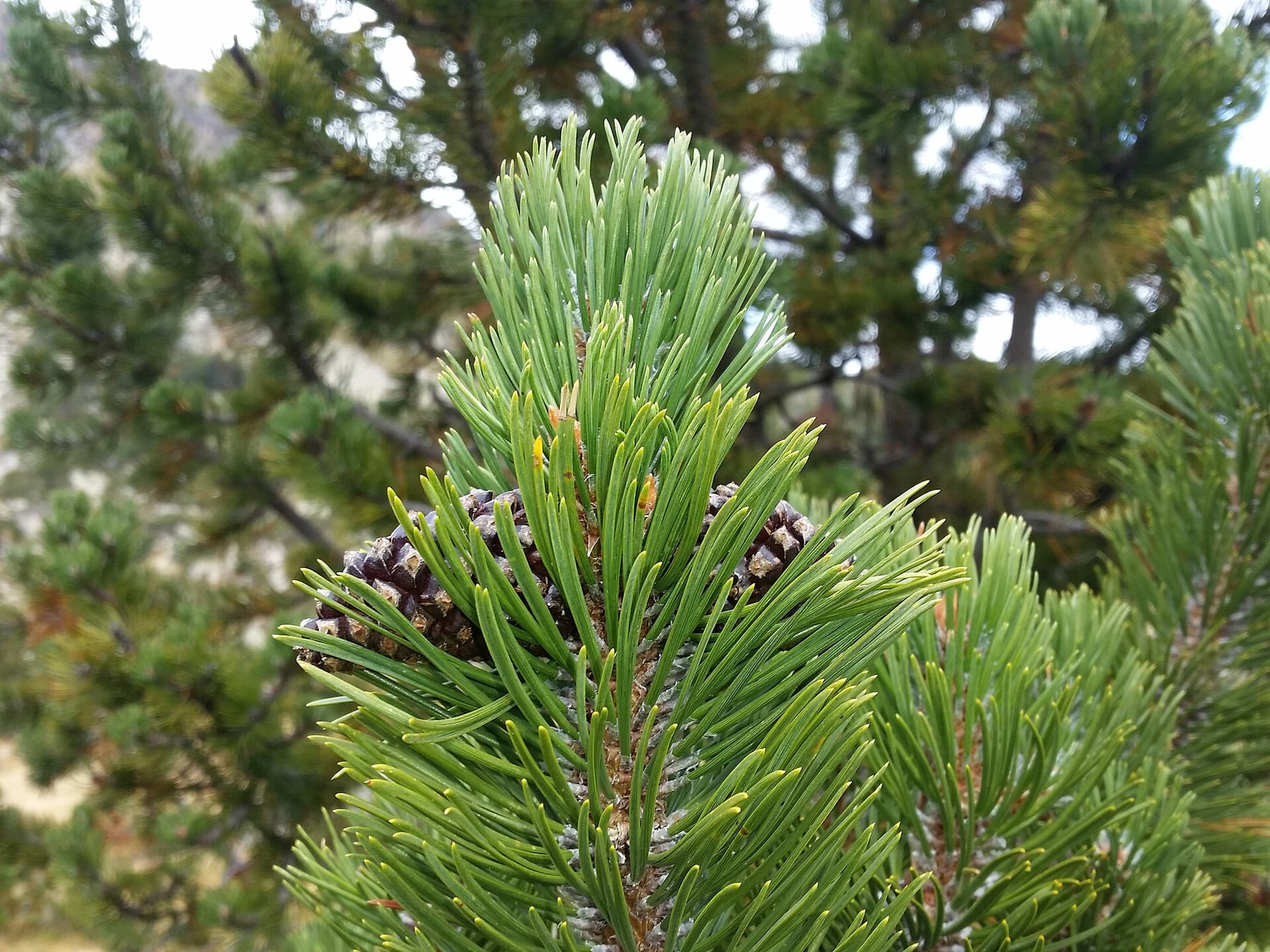
Mountain pine
Mountain pine
Pinus uncinata

Spanish mountain pine, a mountain tree, has cones whose scales end in a small recurved hook and grey to brown bark over its whole height, whereas Scots pine is recognised by the orange bark of the upper trunk and by cones without hooks.

ℹ️ Educational profile — do not use it to judge whether a plant is edible or safe.

🌱 This database is constantly evolving — species and information are added and corrected regularly. Spotted a mistake? Report it below.

© Floraneo — profile content is protected; reproduction without permission is prohibited. Photos remain under their own licence (see the credit shown on each photo).