Very common on the hills and garrigue of the French Mediterranean coast
Flowering: March – April
Full sun
Hardy to about -15°C, sensitive to damp cold
❓ How do you recognise this plant?
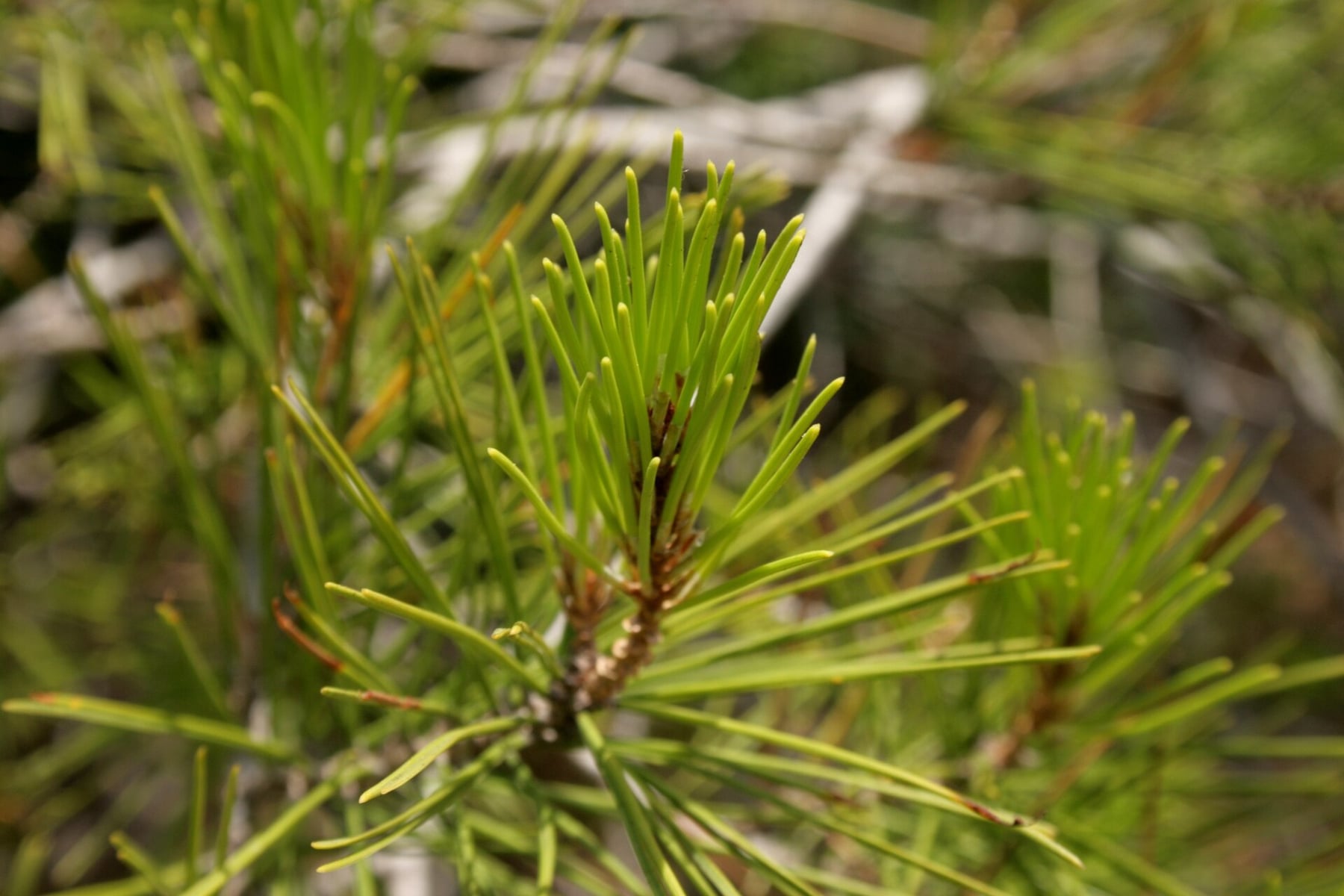
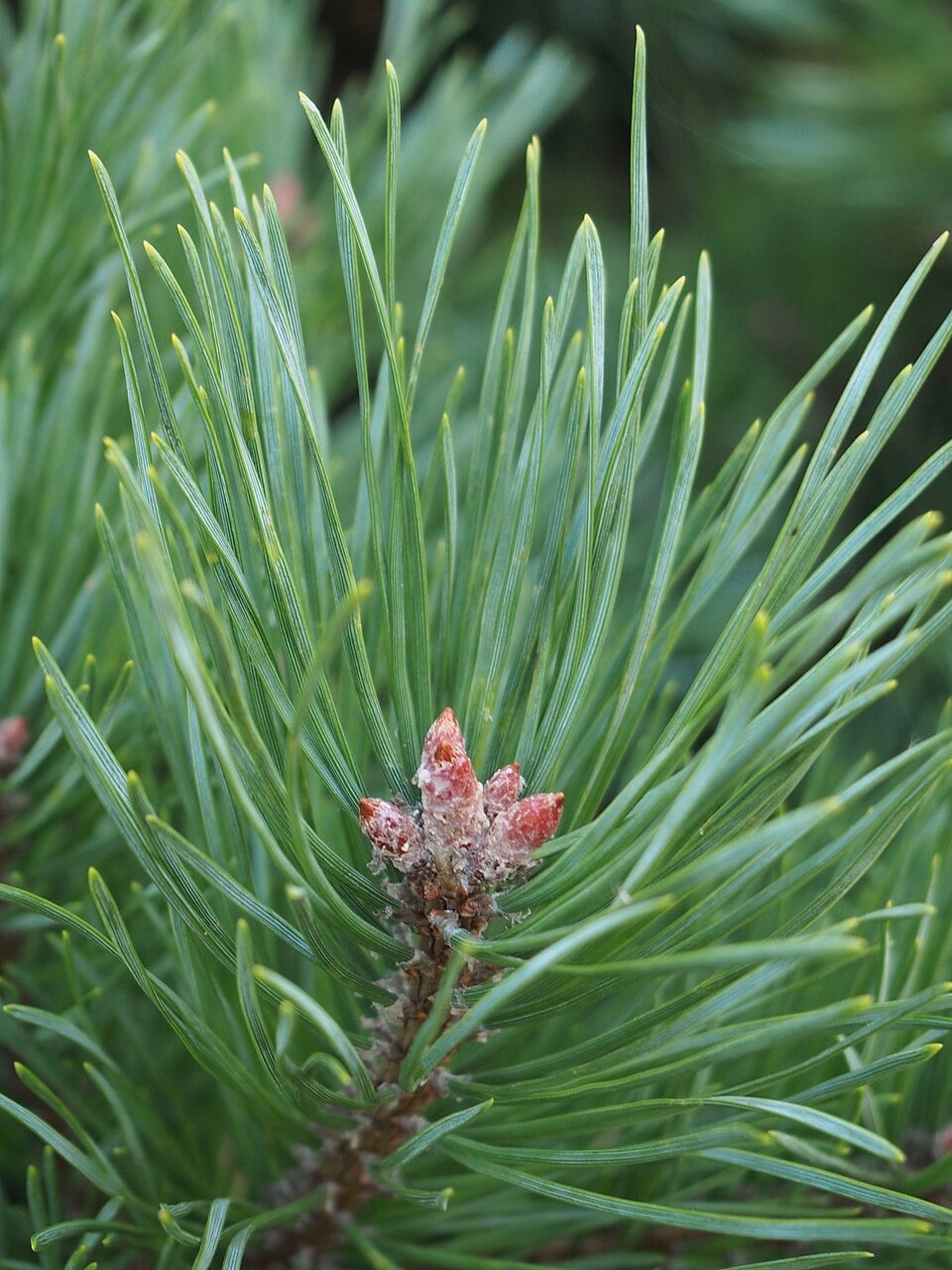
Its cones can remain closed on the tree for several years, some opening only under the heat of a fire to release their seeds. Scots pine has distinctly orange bark on the upper third of the trunk, very recognisable, and short, twisted blue-green needles, whereas Aleppo pine has greyish to reddish-brown bark over its whole height and longer, fine, flexible, light green needles.
🍃 Leaves
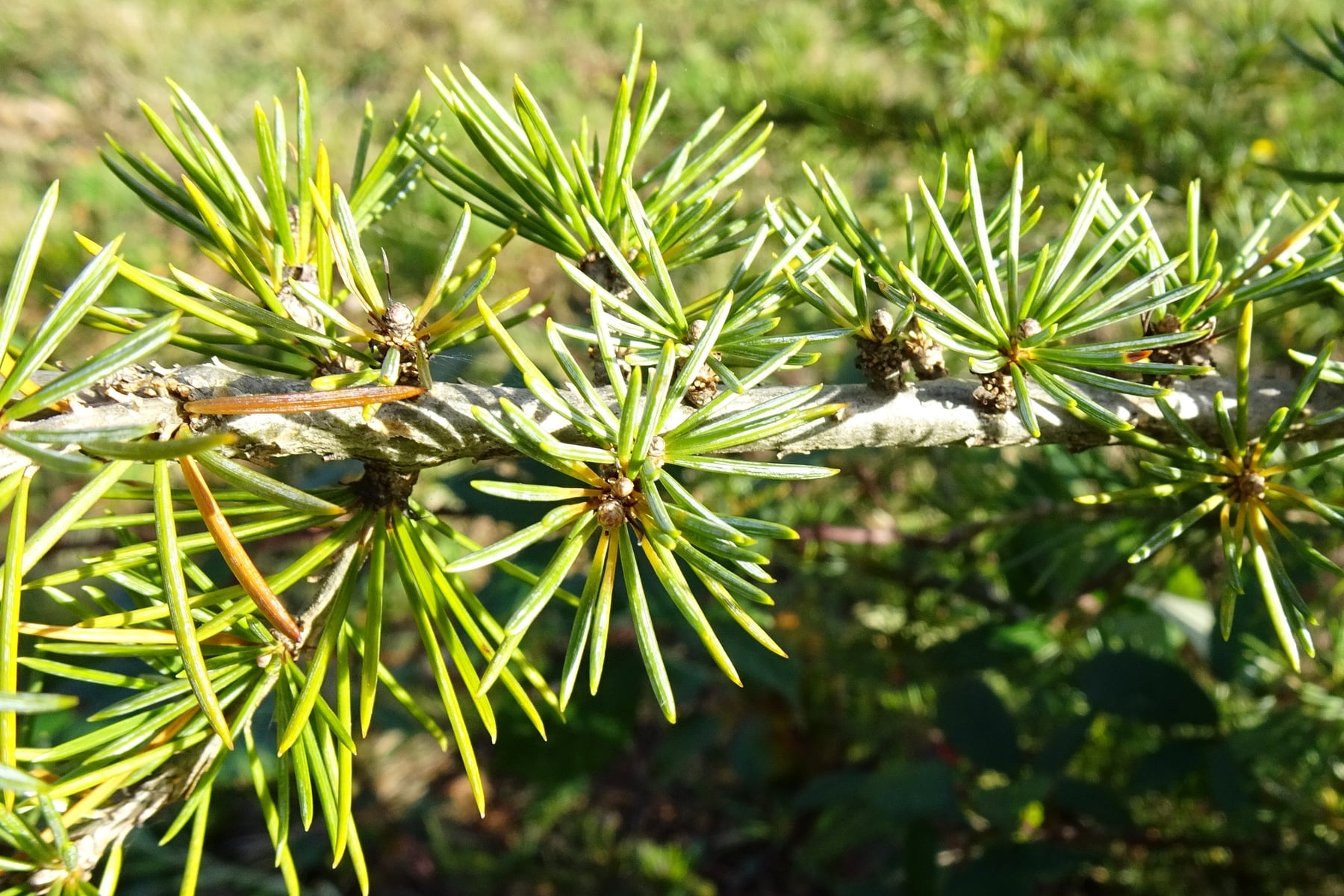
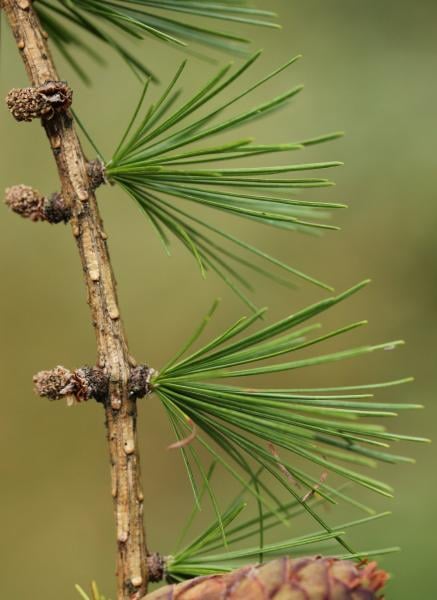
Evergreen, fine, flexible needles in pairs, light green
🌸 Flowers
Yellow male cones grouped at the base of the young shoots
🍎 Fruits
Small glossy reddish-brown cones, borne on a recurved stalk, which can remain closed for several years
🪵 Bark
Grey then reddish-brown, cracking into elongated plates
🗺️ Distribution
Native to the Mediterranean region, very common in Provence and on the coast
🐝 Value for pollinators
Wind-pollinated
✂️ Horticultural uses
Used for reforestation and for ornament in dry Mediterranean gardens, tolerates drought and poor soils well
Scots pine has distinctly orange bark on the upper third of the trunk, very recognisable, and short, twisted blue-green needles, whereas Aleppo pine has greyish to reddish-brown bark over its whole height and longer, fine, flexible, light green needles.
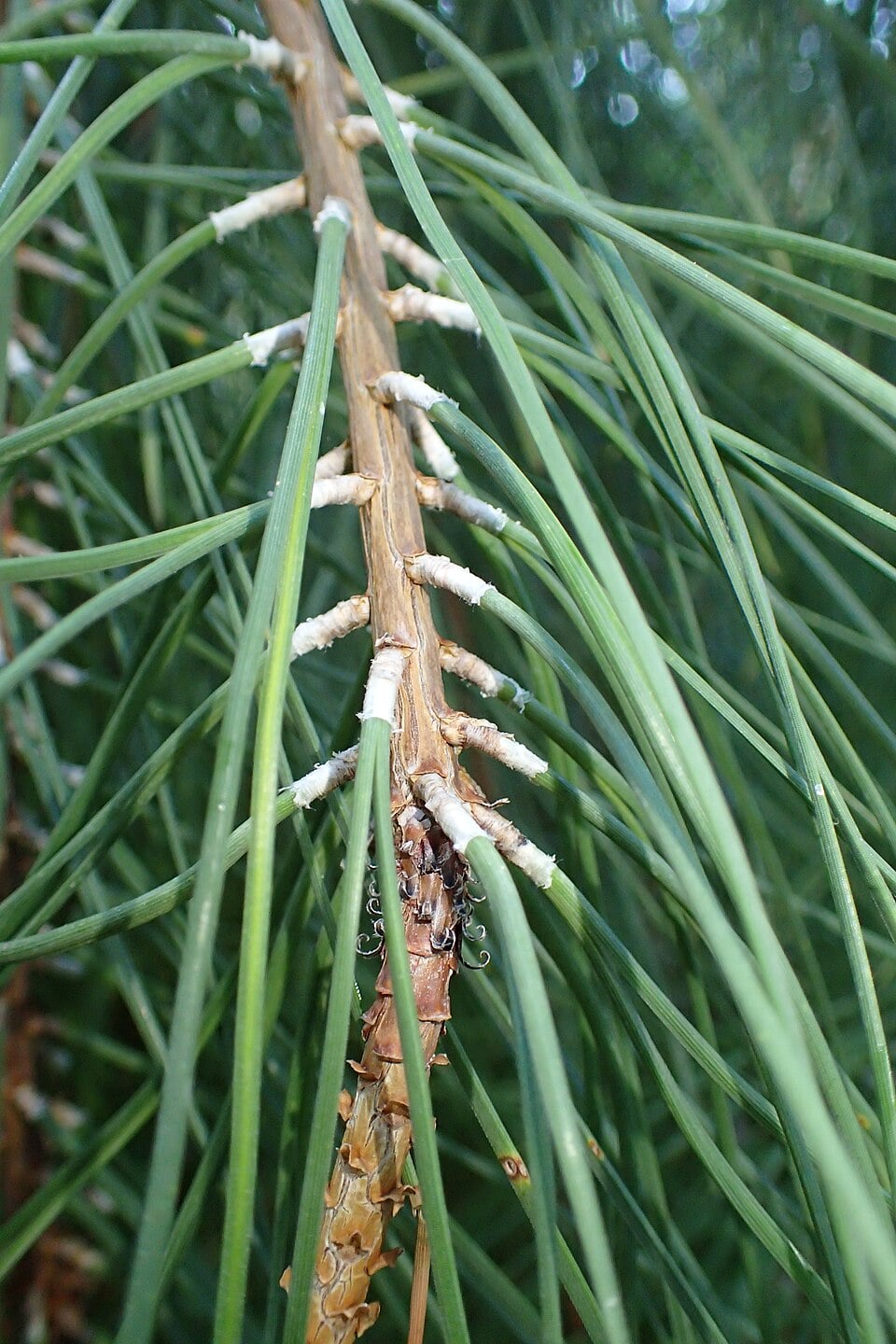
Maritime pine has thick, deeply fissured red-brown bark and very long, rigid needles in pairs, whereas Aleppo pine has paler greyish bark, an often twisted silhouette and finer, more flexible needles.