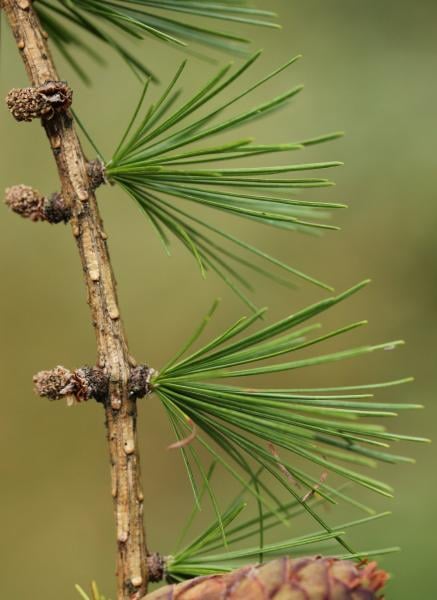
Leaf
Liliane Roubaudi, Tela Botanica · CC BY-SA 2.0

Norway spruce

Picea abies (L.) H.Karst.
Also known as: European spruce
Family: Pinaceae
20 to 40 m tall
Mountains, cool forests, often planted in lowlands
Flowering: May
Full sun
Part shade
-40°C

❓ How do you recognise this plant?

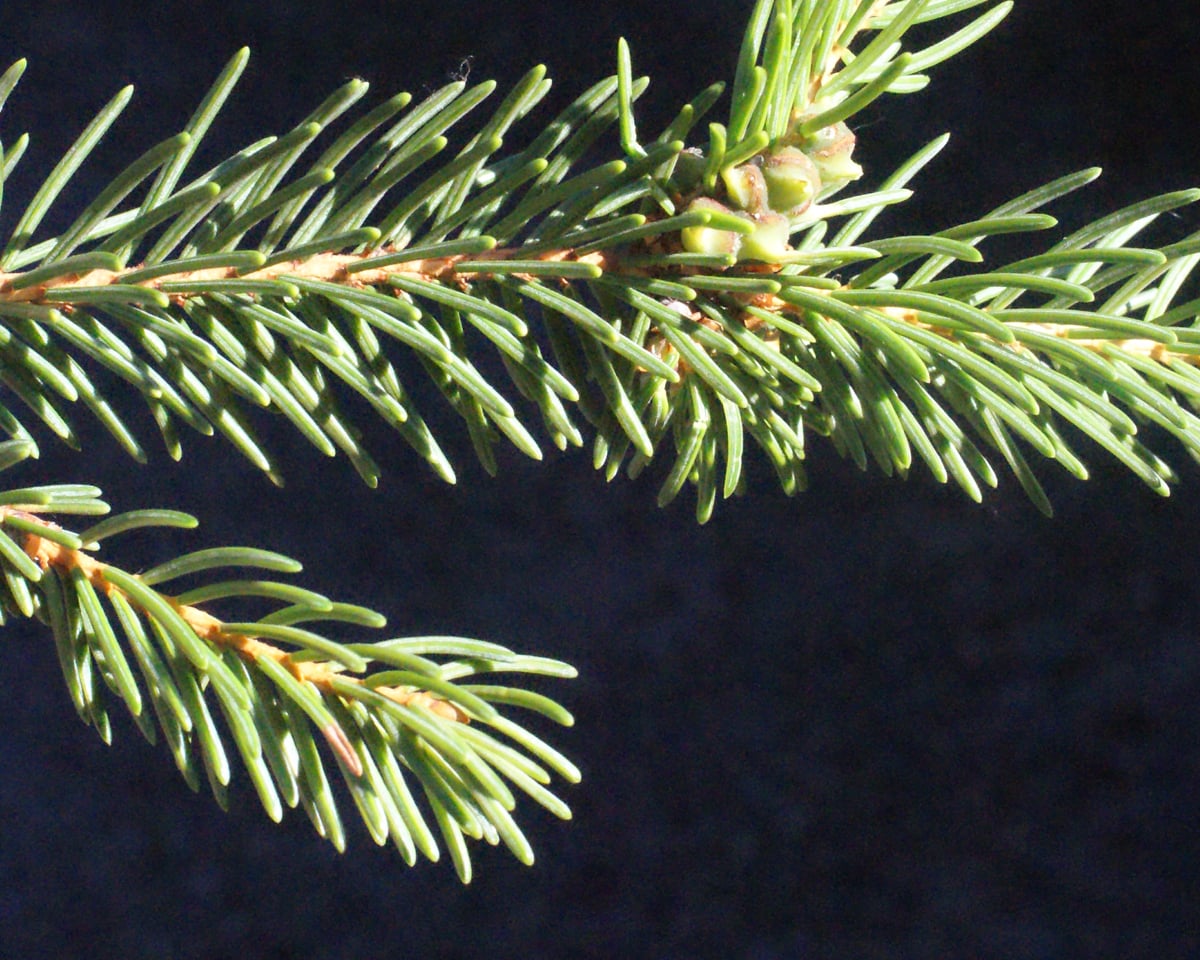
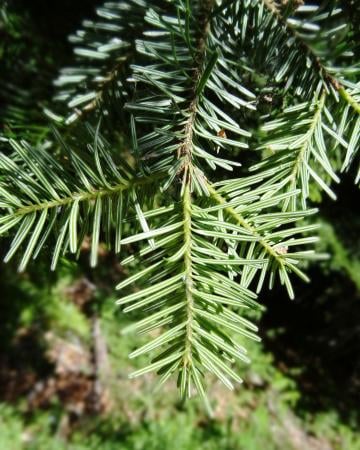
Sharp needles inserted singly on the shoot — unlike fir, they roll easily between the fingers. The simplest test, valid all year round on any needle: roll it between two fingers. The fir needle is flat and does not roll; the spruce needle is almost square in section and rolls easily. Another reliable clue: the scar left on the shoot after a needle falls — a small round, smooth sucker-like scar on fir, a small woody peg that makes the shoot rough on spruce. Finally, if cones are present: those of fir stand upright and disintegrate on the tree, those of spruce hang downwards and fall whole.
🍃 Leaves
Short, sharp needles, inserted all around the shoot
🌸 Flowers
Reddish male cones, female cones erect then pendent
🍎 Fruits
Long cylindrical pendent cones, 10 to 18 cm, with flexible scales
🪵 Bark
Red-brown, flaking off in small thin plates
🗺️ Distribution
Northern and central Europe and the mountains of southern Europe; planted in France mainly in the mountains and for reforestation
🐝 Value for pollinators
Wind-pollinated through cones, of little interest to pollinators
✂️ Horticultural uses
Planted as a Christmas tree, for forestry reforestation and as a windbreak hedge

⚠️ Possible toxicity

No known toxicity

⚠️ Look-alike species

Norway spruce
Norway spruce
Picea abies
Silver fir
Silver fir
Abies alba

The simplest test, valid all year round on any needle: roll it between two fingers. The fir needle is flat and does not roll; the spruce needle is almost square in section and rolls easily. Another reliable clue: the scar left on the shoot after a needle falls — a small round, smooth sucker-like scar on fir, a small woody peg that makes the shoot rough on spruce. Finally, if cones are present: those of fir stand upright and disintegrate on the tree, those of spruce hang downwards and fall whole.

Norway spruce
Norway spruce
Picea abies
English yew
English yew
Taxus baccata

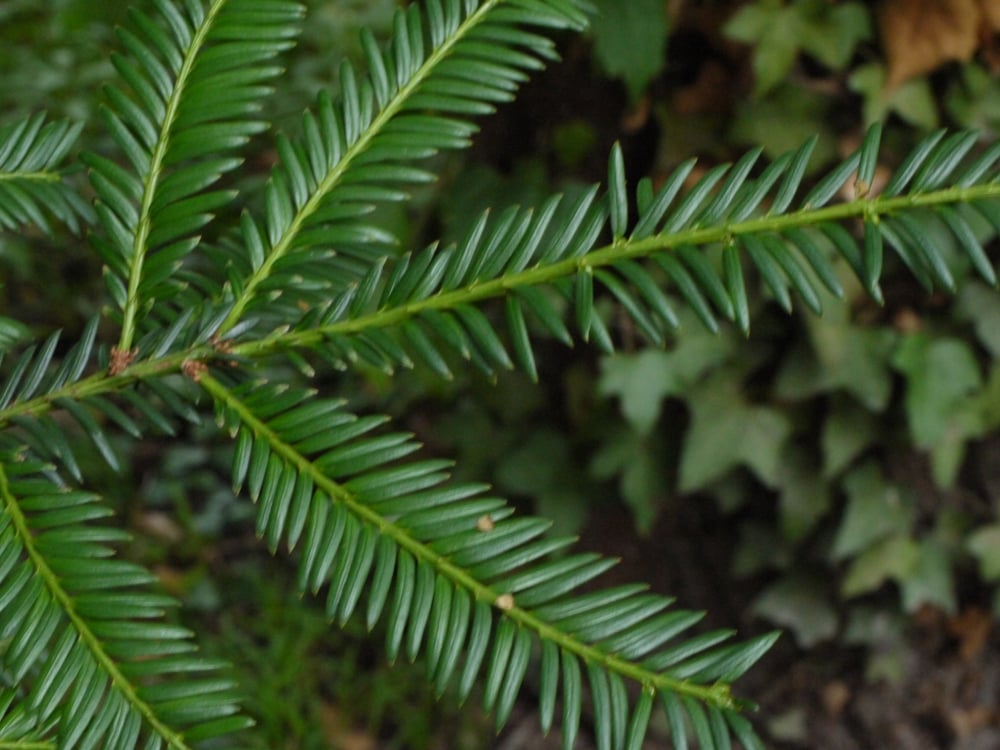
From a distance, both are dark needled conifers. Yew has flat, soft needles in two neat rows, no cones (but toxic red berries), whereas spruce has sharp needles all around the shoot and true pendent cones.

ℹ️ Educational profile — do not use it to judge whether a plant is edible or safe.

🌱 This database is constantly evolving — species and information are added and corrected regularly. Spotted a mistake? Report it below.

© Floraneo — profile content is protected; reproduction without permission is prohibited. Photos remain under their own licence (see the credit shown on each photo).