Leaf
Liliane Roubaudi, Tela Botanica · CC BY-SA 2.0
English yew
Taxus baccata L.
Also known as: Common yew, Yew, European yew
Family: Taxaceae
10 to 15 m tall, sometimes more
Woodland understorey, often planted as a clipped hedge or in churchyards
Flowering: February – April
Part shade
Shade
Full sun
-25°C
❓ How do you recognise this plant?
All parts are toxic except the red flesh of the aril — never eat the black seed inside. From a distance, both are dark conifers with needles. Yew has flat, soft needles in two neat rows, no cones (but toxic red berries), whereas Norway spruce has sharp needles all around the twig and true hanging cones.
🍃 Leaves
Flat, soft needles, glossy dark green, arranged in two rows like a comb
🌸 Flowers
Tiny, inconspicuous, sexes separate, on different plants
🍎 Fruits
Small black seed surrounded by a fleshy red aril
🪵 Bark
Reddish-brown, thin, flaking in scales
🗺️ Distribution
Europe, North Africa, western Asia; found in France in limestone woodland, widely planted as an ornamental
🐝 Value for pollinators
Wind-pollinated, of little interest to pollinators
✂️ Horticultural uses
Widely used for clipped hedges and topiary thanks to its tolerance of pruning, planted for centuries in formal gardens
⚠️ Possible toxicity
Extremely toxic: needles and seeds contain cardiotoxic taxines, fatal if ingested by humans and many animals; only the fleshy red aril is edible (not the seed)
🌱 Known cultivars
Fastigiata (Irish yew)
Very narrow, upright habit forming an almost vertical column, the origin of all the pyramidal yews planted as topiary in gardens and churchyards.
Fastigiata Aurea (golden Irish yew)
Same strict columnar habit as the classic Irish yew, but with golden new growth that brightens the usual dark silhouette of yews.
⚠️ Look-alike species
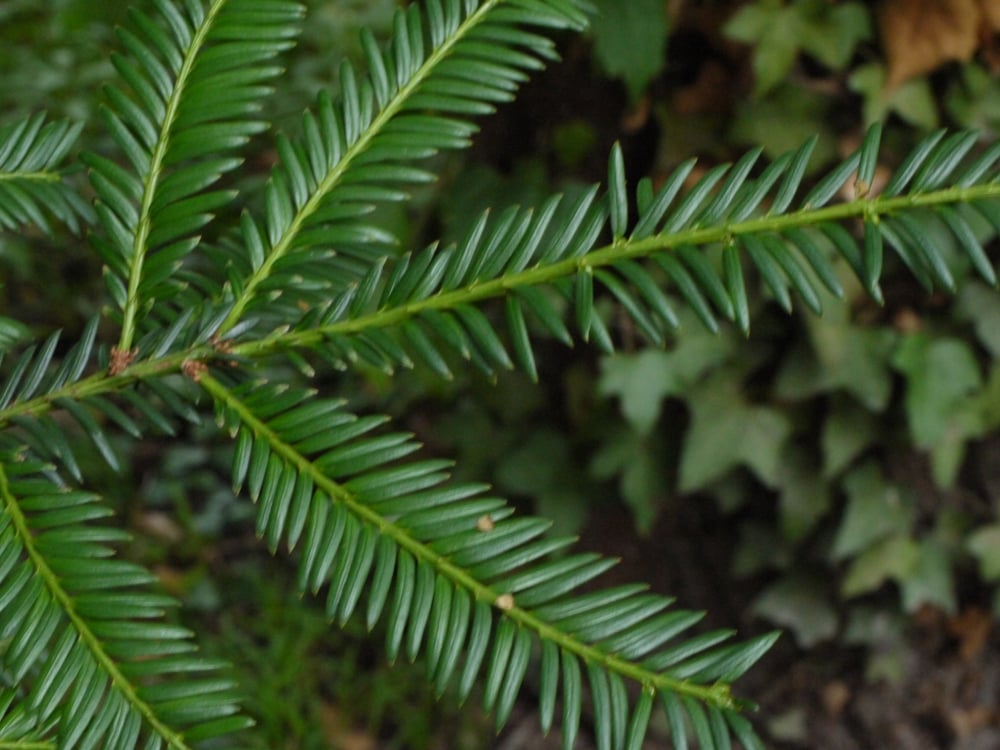
English yew
Taxus baccata
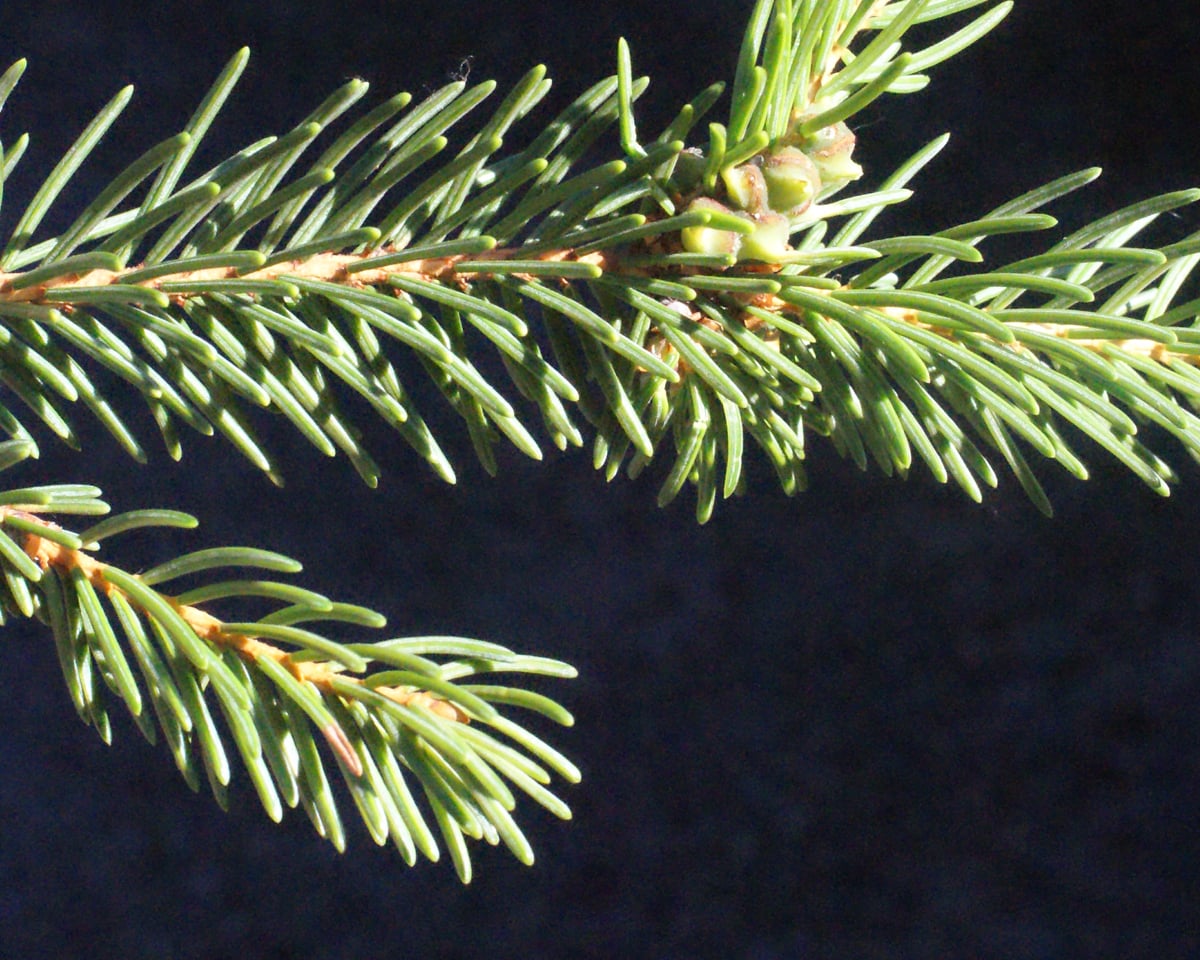
Norway spruce
Picea abies
From a distance, both are dark conifers with needles. Yew has flat, soft needles in two neat rows, no cones (but toxic red berries), whereas Norway spruce has sharp needles all around the twig and true hanging cones.
ℹ️ Educational profile — do not use it to judge whether a plant is edible or safe.
🌱 This database is constantly evolving — species and information are added and corrected regularly. Spotted a mistake? Report it below.
© Floraneo — profile content is protected; reproduction without permission is prohibited. Photos remain under their own licence (see the credit shown on each photo).