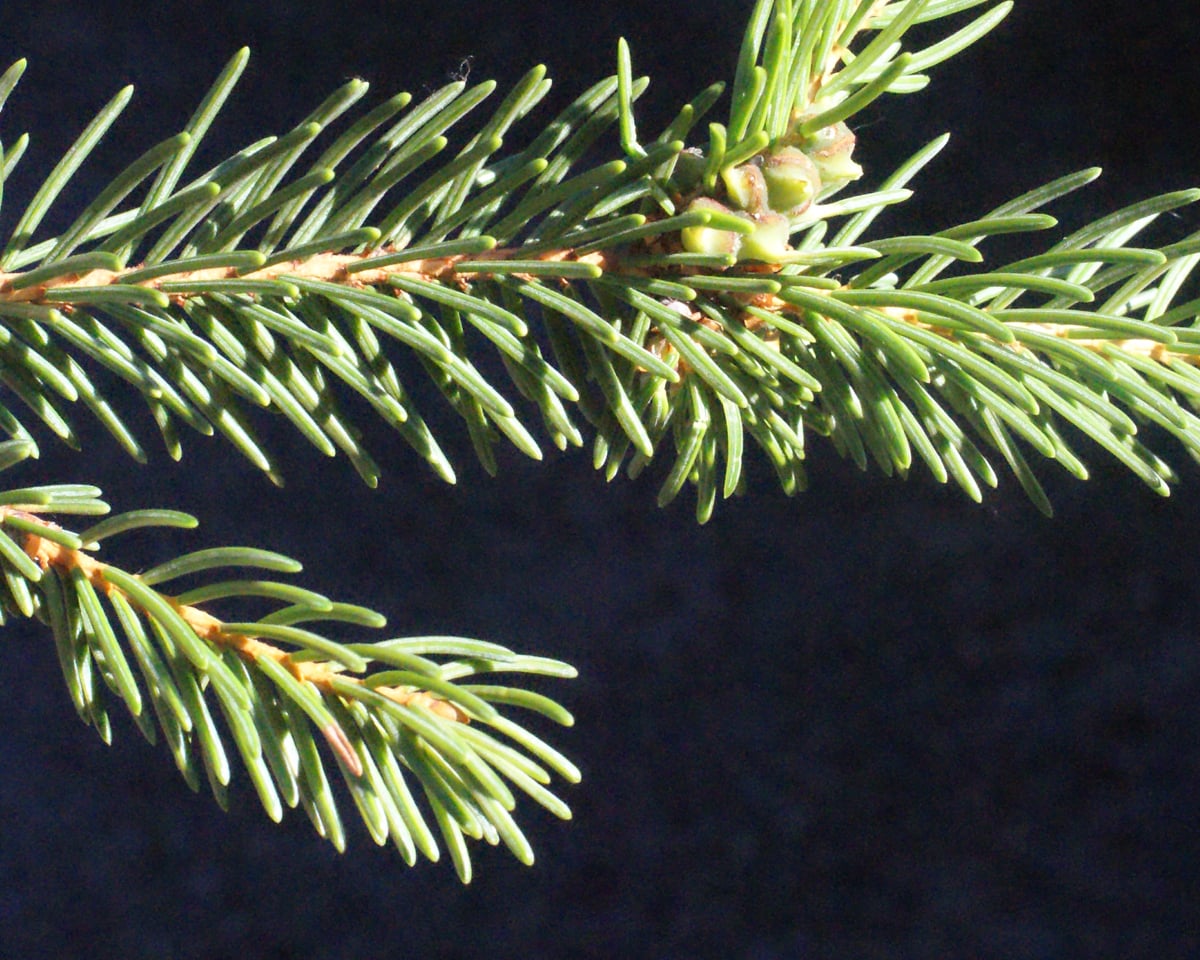
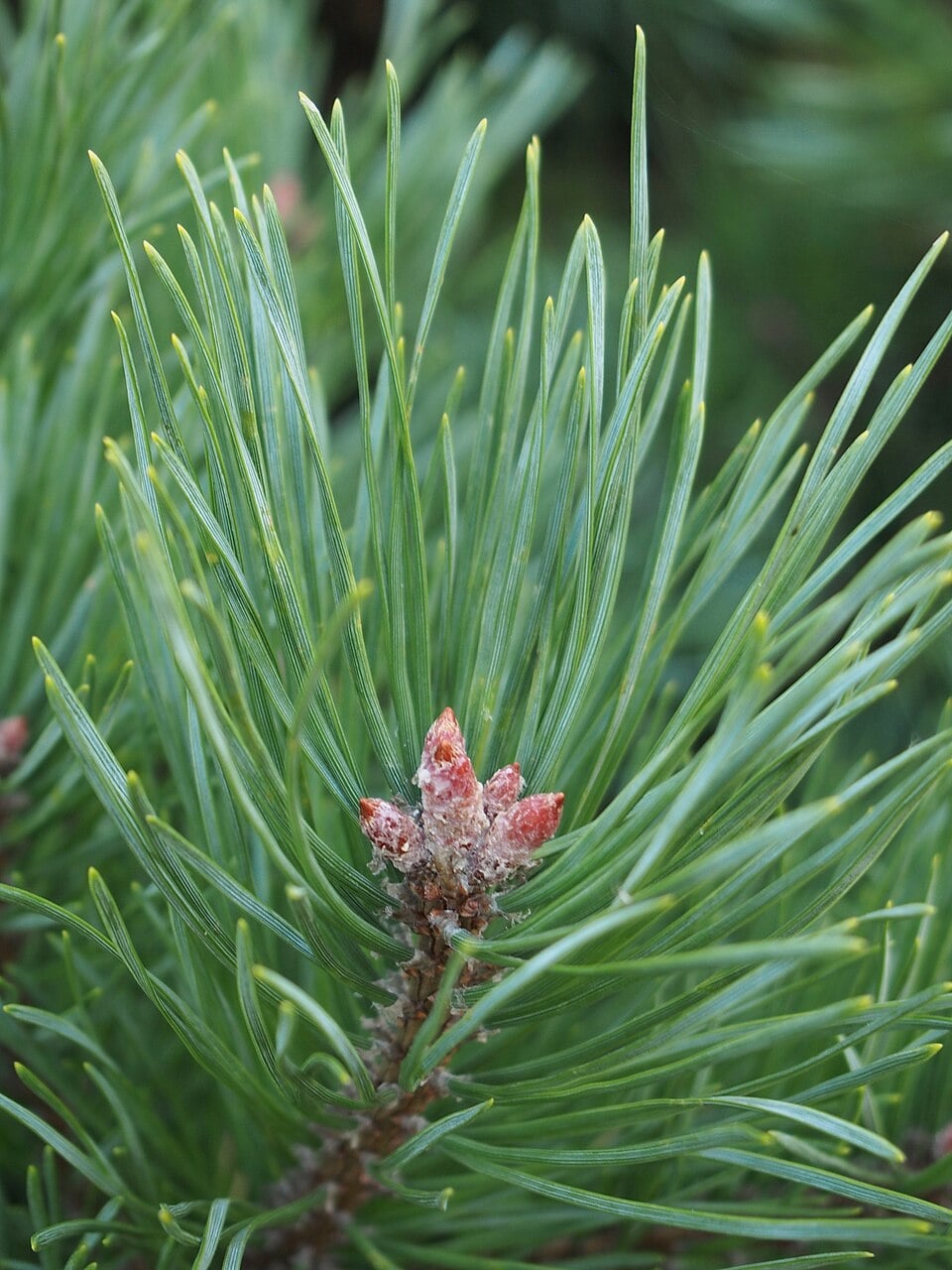
Leaf
Alain Bigou, Tela Botanica · CC BY-SA 2.0

Cedar of Lebanon

Cedrus libani A.Rich.
Also known as: Lebanon cedar
Family: Pinaceae
  • 25 to 40 m tall
  • Widely planted in parks and large gardens
  • Full sun
  • -25°C

In flower from September to October

2 months
See what flowers in:September ›October ›

❓ How do you recognise this plant?

Distinctive silhouette in horizontal tiers, recognisable even from a great distance. The Atlas cedar keeps a narrower, conical habit, often with bluish foliage, whereas the cedar of Lebanon develops a flat crown in broad horizontal tiers with age.

Learn to recognise it

Conifers and park trees. This plant is in the lesson “Conifers and park trees”, with 11 others.

Cedar of Lebanon
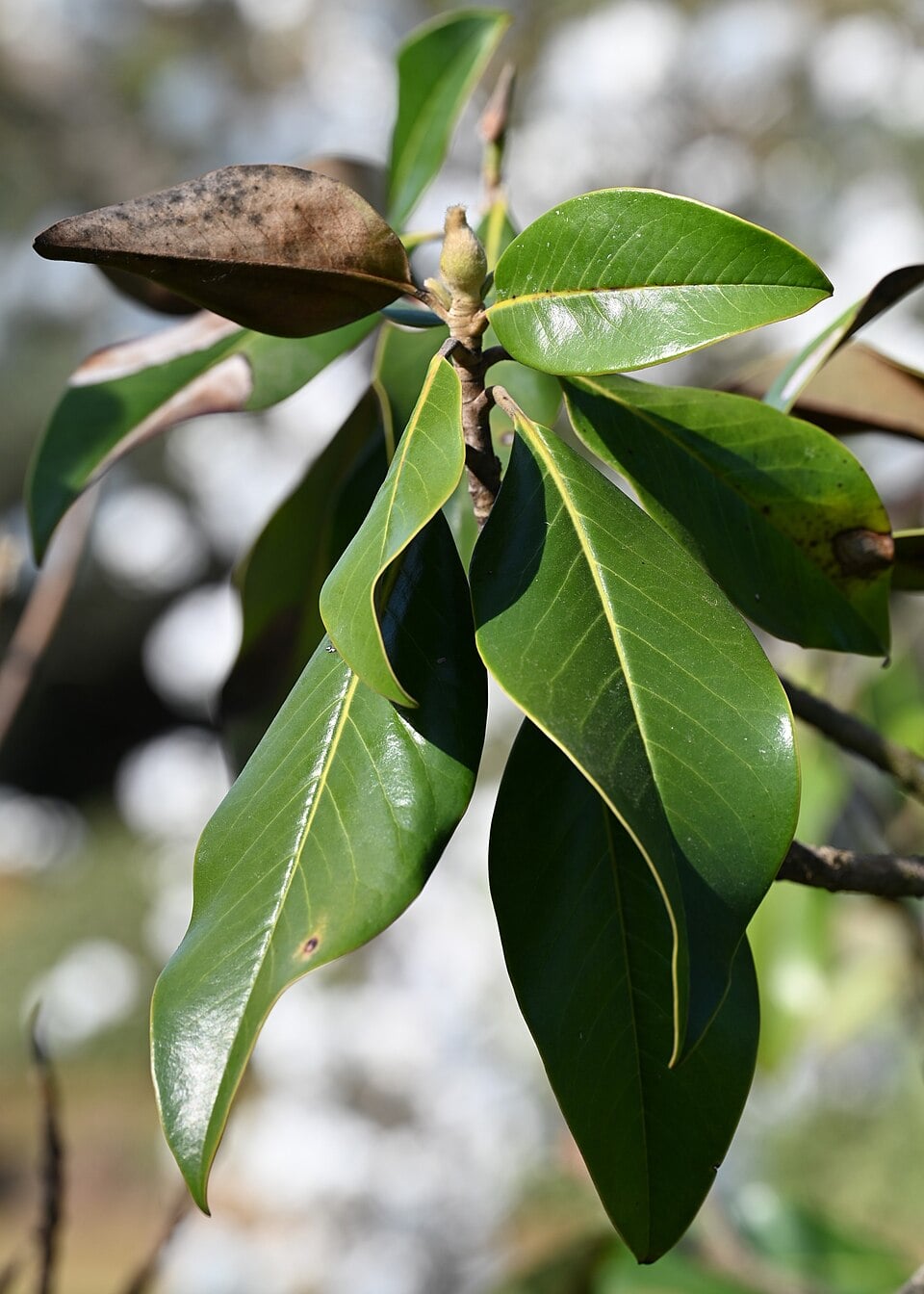
Southern magnolia
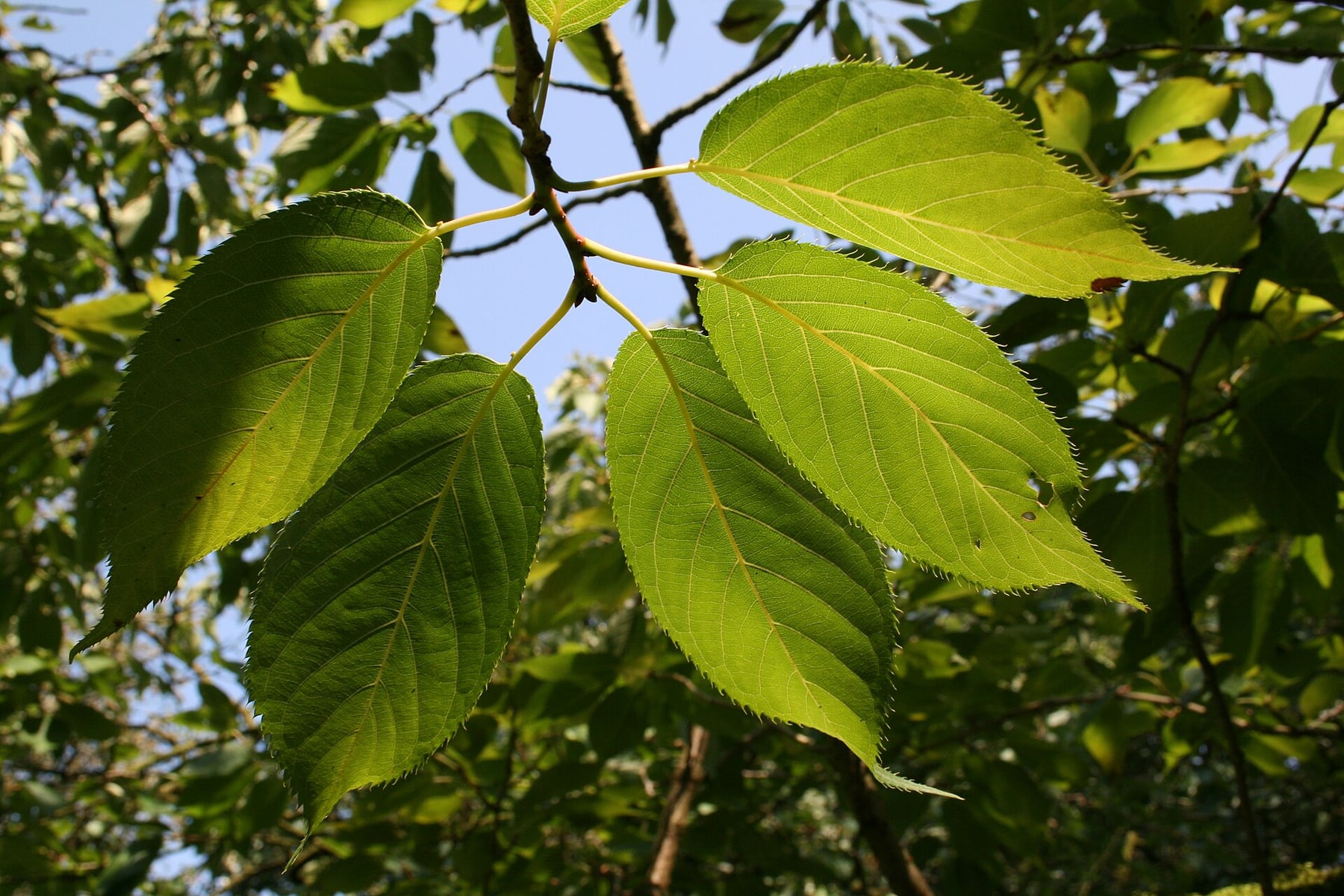
Japanese cherry
Goat willow
Italian cypress
+7

Free, no account needed.

🍃 Leaves
Short needles grouped in dense tufts on short shoots
🌸 Flowers
Upright male cones releasing a cloud of pollen in autumn
🍎 Fruits
Large, upright, barrel-shaped cones, breaking up on the tree
🪵 Bark
Grey to brown, fissured, characteristic tiered silhouette
Distribution, pollinators, uses
🗺️ Distribution
Mountains of Lebanon, Syria and Turkey; widely planted in France as an ornamental tree in large parks since the 18th century
🐝 Value for pollinators
Wind-pollinated through cones, little direct value for pollinators
✂️ Horticultural uses
Planted as a specimen in large parks and gardens for its majestic habit and tiered silhouette

⚠️ Possible toxicity

No known toxicity

⚠️ Look-alike species

Cedar of Lebanon
Cedar of Lebanon
Cedrus libani
Atlas cedar
Atlas cedar
Cedrus atlantica

The Atlas cedar keeps a narrower, conical habit, often with bluish foliage, whereas the cedar of Lebanon develops a flat crown in broad horizontal tiers with age.
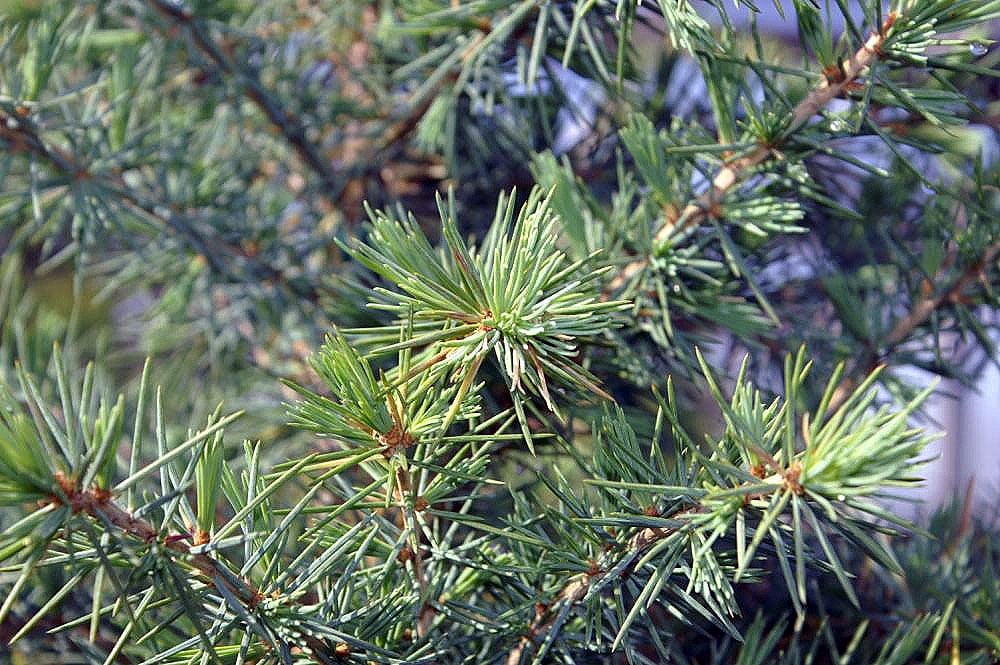
See the full comparison →
Cedar of Lebanon
Cedar of Lebanon
Cedrus libani
Deodar cedar
Deodar cedar
Cedrus deodara

The deodar cedar has clearly drooping branchlets and leading shoot, whereas the cedar of Lebanon keeps stiff branches arranged in broad, very flat horizontal tiers.

See the full comparison →

ℹ️ Educational profile — do not use it to judge whether a plant is edible or safe.

🌱 This database is constantly evolving — species and information are added and corrected regularly. Spotted a mistake? Report it below.

© Floraneo — profile content is protected; reproduction without permission is prohibited. Photos remain under their own licence (see the credit shown on each photo).