Leaf
Derek Ramsey (Ram-Man), Wikimedia · CC BY-SA 2.5
Atlas cedar
Cedrus atlantica (Endl.) Manetti ex Carrière
Also known as: Blue Atlas cedar
Family: Pinaceae
20 to 35 m tall
Planted as a specimen tree in large parks and château grounds for its majestic habit
Flowering: September – October (yellowish male cones, inconspicuous flowering)
Full sun
Hardy to about -20°C
❓ How do you recognise this plant?
Unlike pines and firs, its large cones never fall whole: they break up scale by scale directly on the tree. At maturity the cedar of Lebanon forms a broad, flat-topped silhouette in distinct horizontal tiers, whereas the Atlas cedar keeps a narrower, pyramidal habit, often with silvery blue foliage.
🍃 Leaves
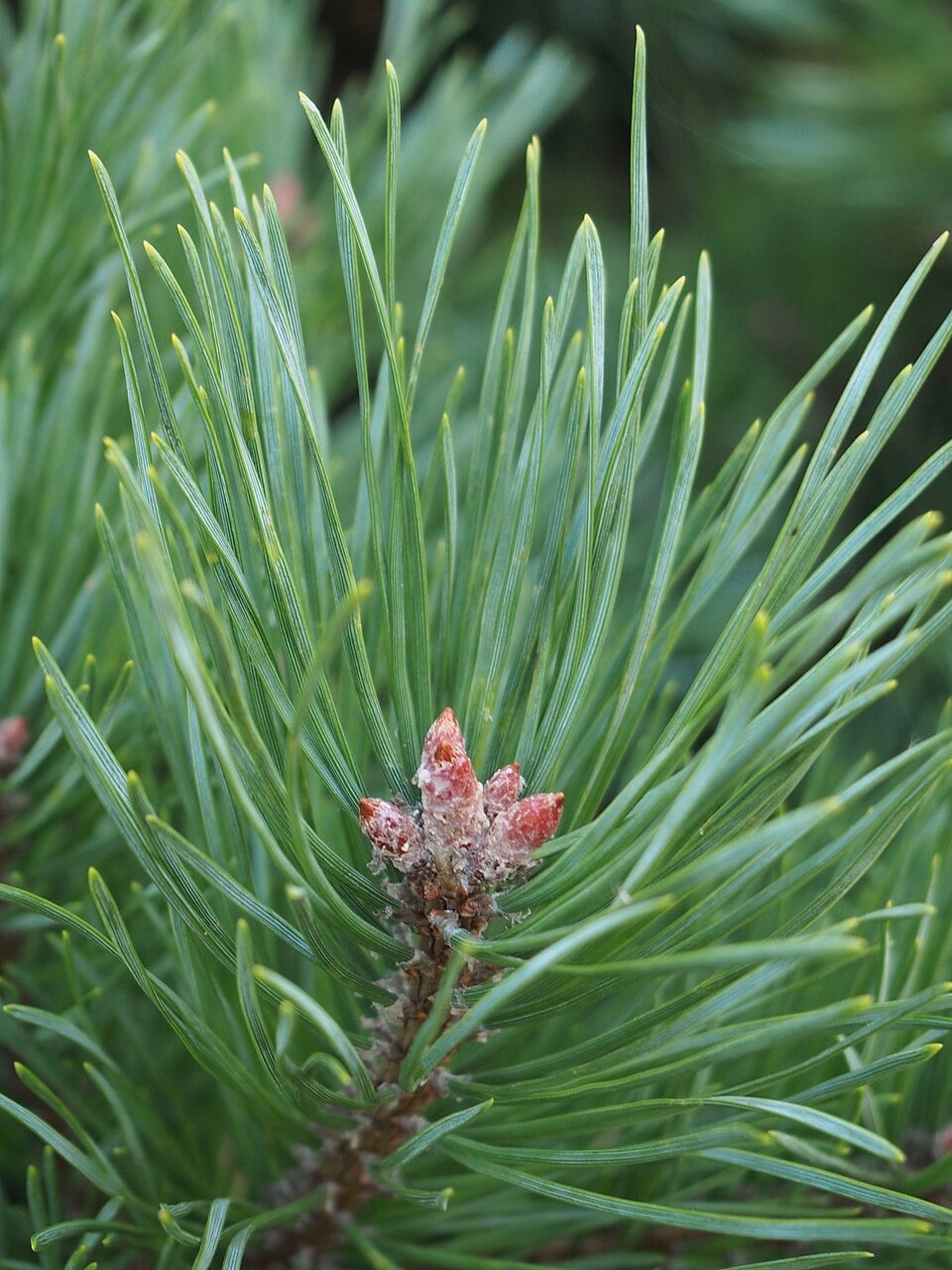
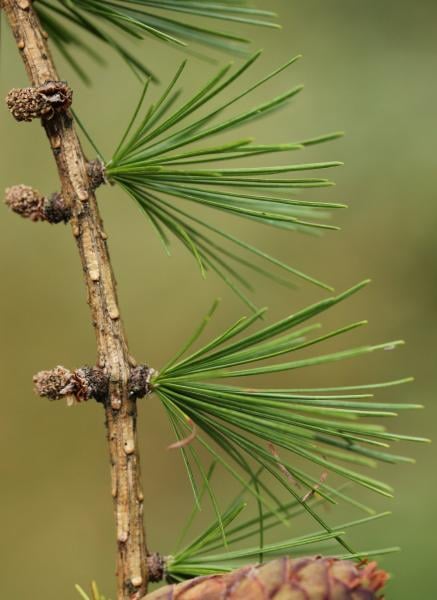
Evergreen, short stiff needles in tufts, dark green to bluish depending on the variety
🌸 Flowers
Upright yellow-brown male cones releasing pollen in autumn
🍎 Fruits
Large, upright, barrel-shaped female cones, light brown, breaking up on the tree when ripe
🪵 Bark
Grey, cracking into scales with age
🗺️ Distribution
Native to the Atlas Mountains of Morocco and Algeria, widely planted in France since the 19th century
✂️ Horticultural uses
Iconic specimen tree of large landscape parks; the blue variety 'Glauca' is highly sought after
🌱 Known cultivars
'Glauca'
The cultivar 'Glauca' is distinguished by its silvery blue needles, very different from the plainer green of the typical Atlas cedar.
⚠️ Look-alike species
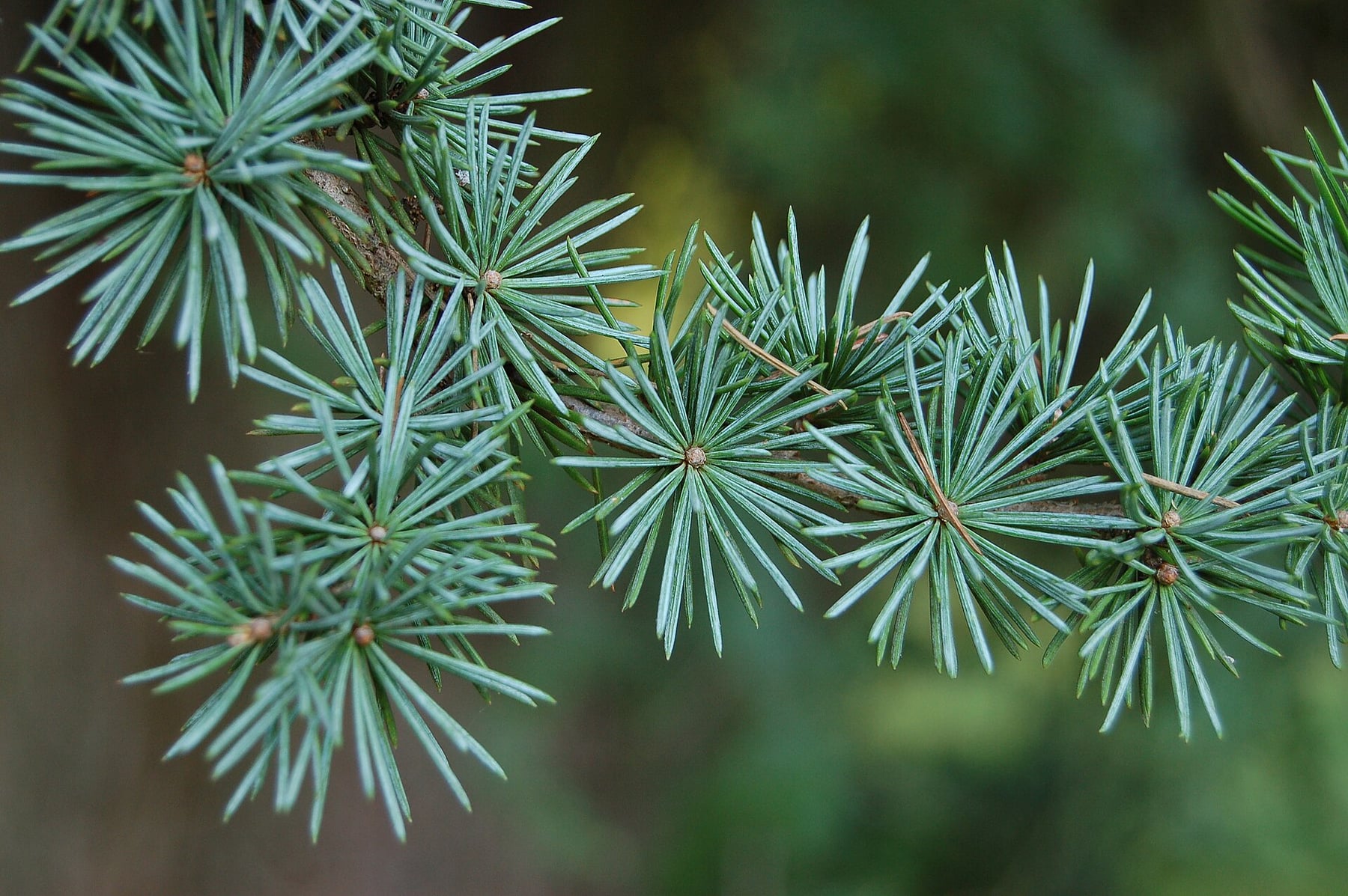
Atlas cedar
Cedrus atlantica
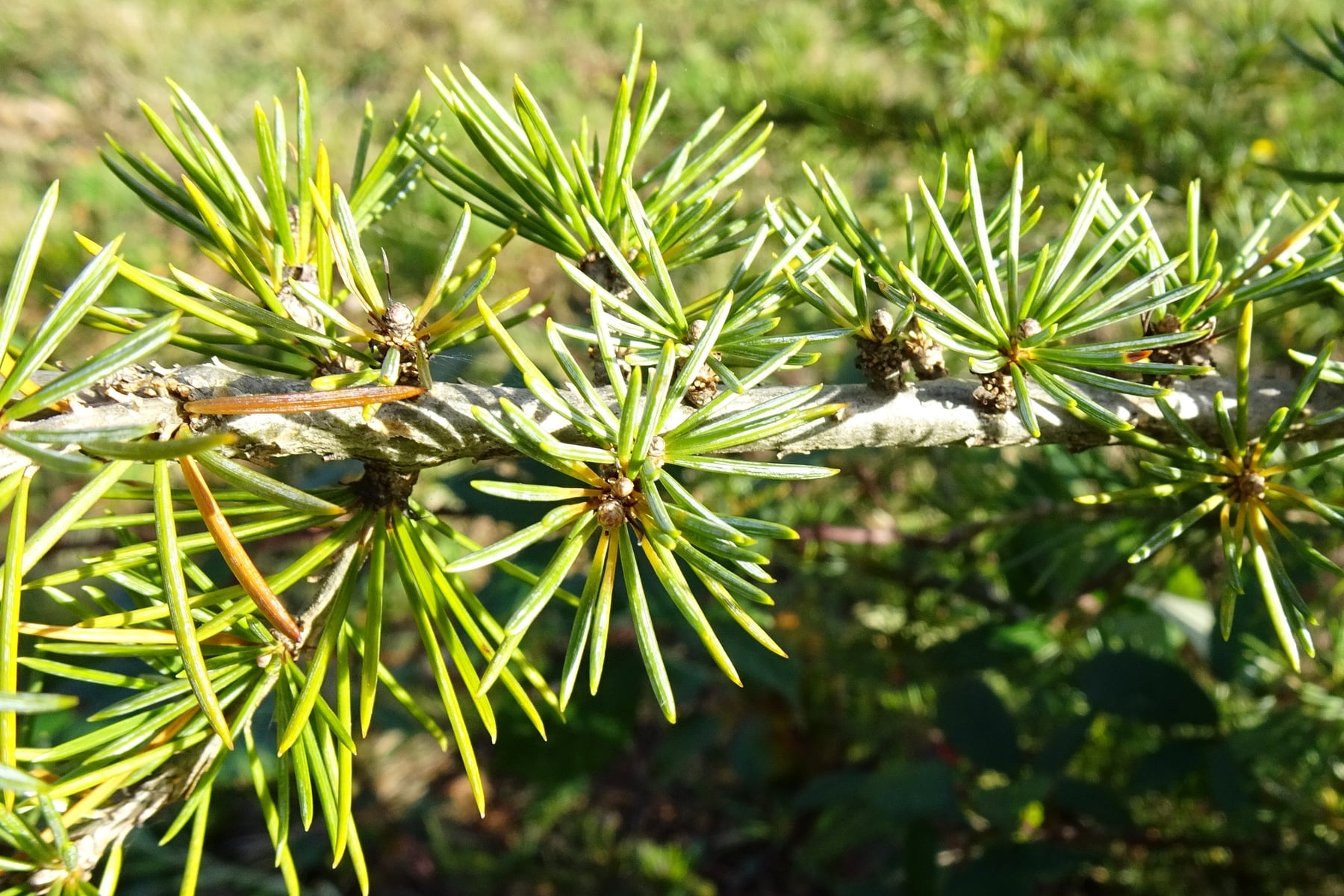
Cedar of Lebanon
Cedrus libani
At maturity the cedar of Lebanon forms a broad, flat-topped silhouette in distinct horizontal tiers, whereas the Atlas cedar keeps a narrower, pyramidal habit, often with silvery blue foliage.
Atlas cedar
Cedrus atlantica
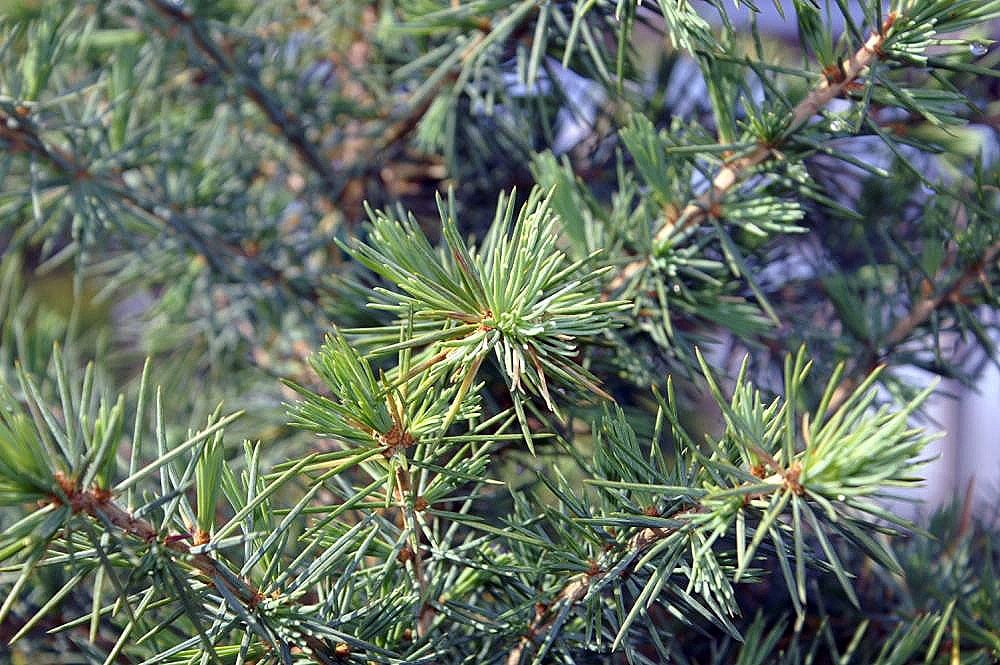
Deodar cedar
Cedrus deodara
The deodar cedar has a supple, drooping habit, with a nodding leading shoot and clearly weeping branchlets, whereas the Atlas cedar keeps stiffer, more upright branchlets.
🌿 Other Pinaceae to discover
ℹ️ Educational profile — do not use it to judge whether a plant is edible or safe.
🌱 This database is constantly evolving — species and information are added and corrected regularly. Spotted a mistake? Report it below.
© Floraneo — profile content is protected; reproduction without permission is prohibited. Photos remain under their own licence (see the credit shown on each photo).