Atlas cedar or Deodar cedar: how to tell them apart?
Atlas cedar and Deodar cedar look alike and are often mixed up. Here is how to tell them apart, feature by feature, with their photos and the details to look for.
⚡ The quick answer
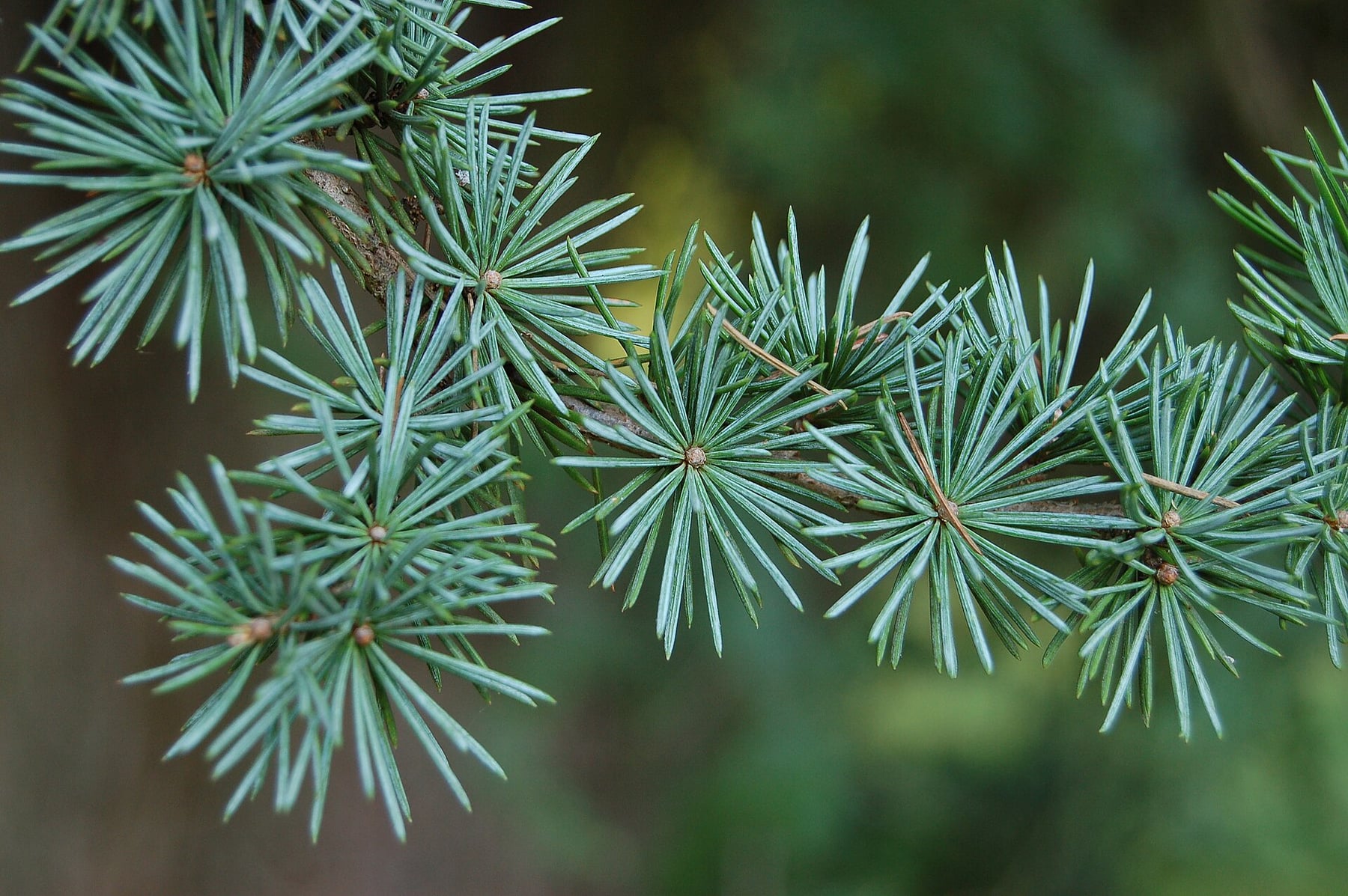
Atlas cedar
Cedrus atlantica
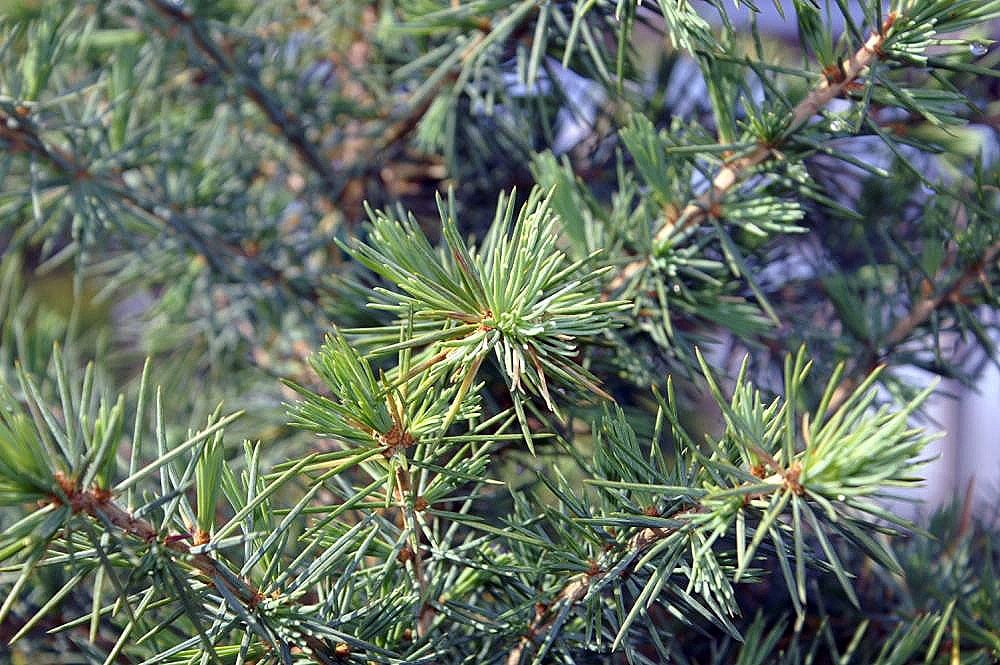
Deodar cedar
Cedrus deodara
The deodar cedar has a supple, drooping habit, with a nodding leading shoot and clearly weeping branchlets, whereas the Atlas cedar keeps stiffer, more upright branchlets.
🍃 Leaves
Evergreen, short stiff needles in tufts, dark green to bluish depending on the variety
Evergreen, fine supple needles in tufts, bluish green, longer than those of the Atlas cedar
🌸 Flowers
Upright yellow-brown male cones releasing pollen in autumn
Upright male cones, releasing pollen in autumn
🍎 Fruits
Large, upright, barrel-shaped female cones, light brown, breaking up on the tree when ripe
Upright, barrel-shaped female cones, breaking up on the tree when ripe
🪵 Bark
Grey, cracking into scales with age
Grey to dark brown, fissured into scales
📏 Size
20 to 35 m tall
25 to 40 m tall
🗺️ Habitat
Planted as a specimen tree in large parks and château grounds for its majestic habit
Planted as a specimen tree in large parks for its characteristic weeping habit
🔎 And from the Deodar cedar side
The Atlas cedar has stiff, upright branchlets, often silvery blue, whereas the deodar cedar has a recognisable weeping habit, with a supple leading shoot that droops.
🌿 Go further
Want to practise spotting these details on real photos? Floraneo offers profiles and quizzes for dozens of look-alike species.
ℹ️ Educational profile — do not use it to judge whether a plant is edible or safe.