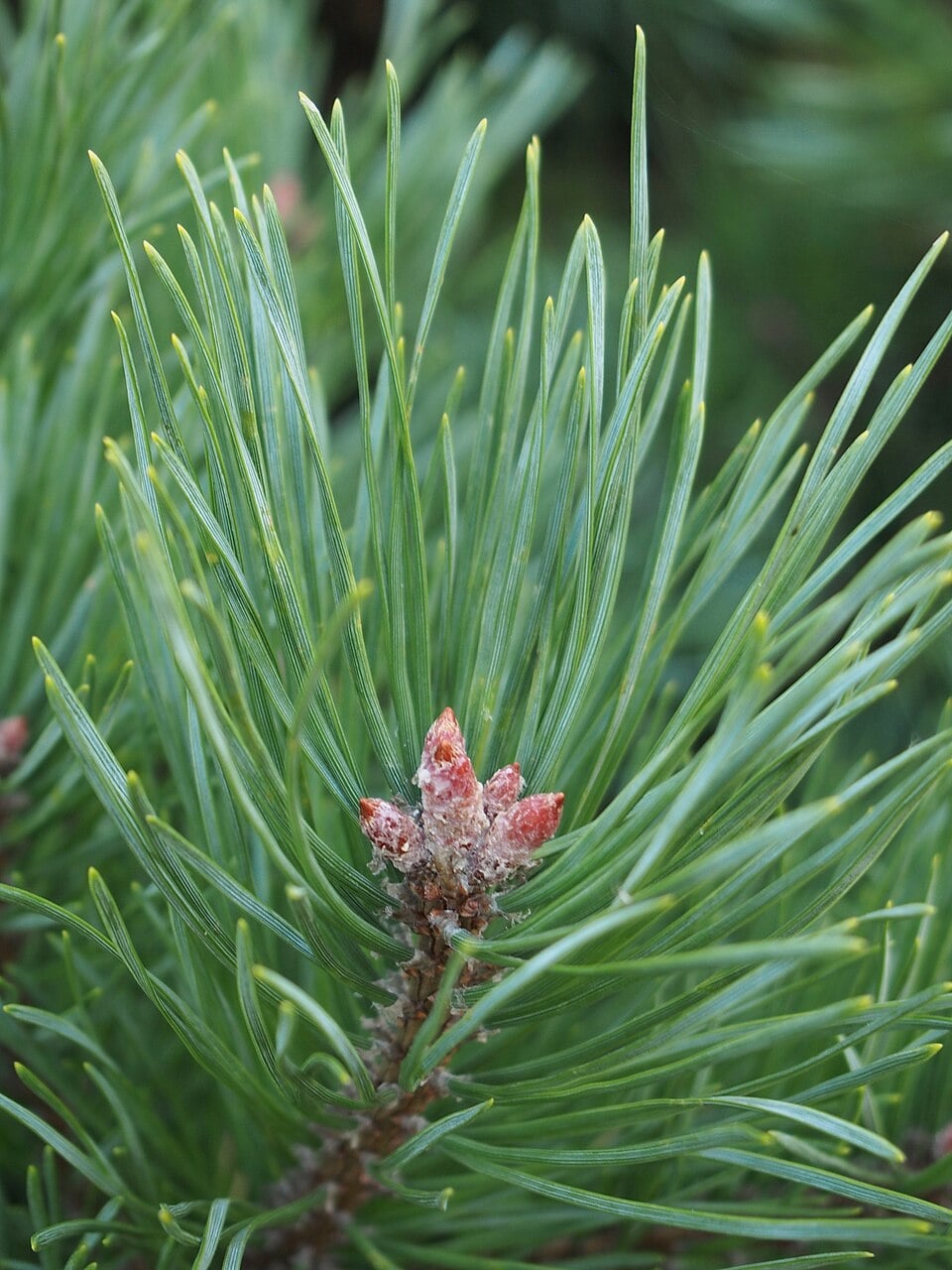
Leaf
David J. Stang, Wikimedia · CC BY-SA 4.0

Deodar cedar

Cedrus deodara (Roxb. ex D.Don) G.Don
Also known as: Deodar, Himalayan cedar
Family: Pinaceae
  • 25 to 40 m tall
  • Planted as a specimen tree in large parks for its characteristic weeping habit
  • Full sun
  • Hardy to about -15°C

In flower from October to November

2 months
See what flowers in:October ›November ›

❓ How do you recognise this plant?

It can be told apart from its cousin the Atlas cedar by its often nodding or weeping crown and drooping branchlets. The Atlas cedar has stiff, upright branchlets, often silvery blue, whereas the deodar cedar has a recognisable weeping habit, with a supple leading shoot that droops.

Learn to recognise it

Cedars, cypresses and sequoias. This plant is in the lesson “Cedars, cypresses and sequoias”, with 10 others.
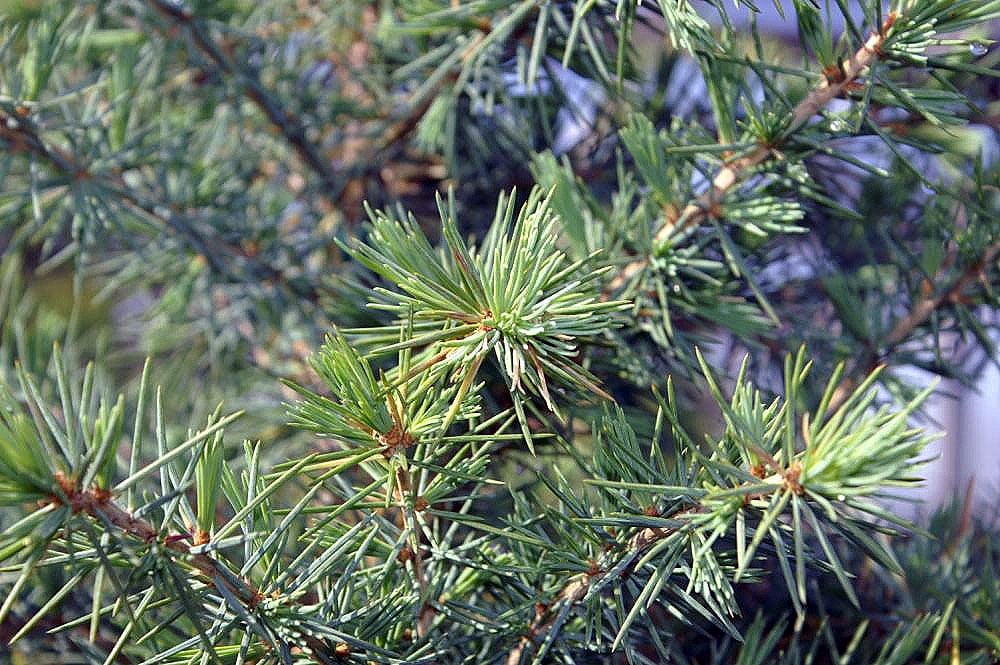
Deodar cedar
Atlas cedar
Arizona cypress
Bald cypress
Monterey cypress
+6

A free account is enough for this lesson.

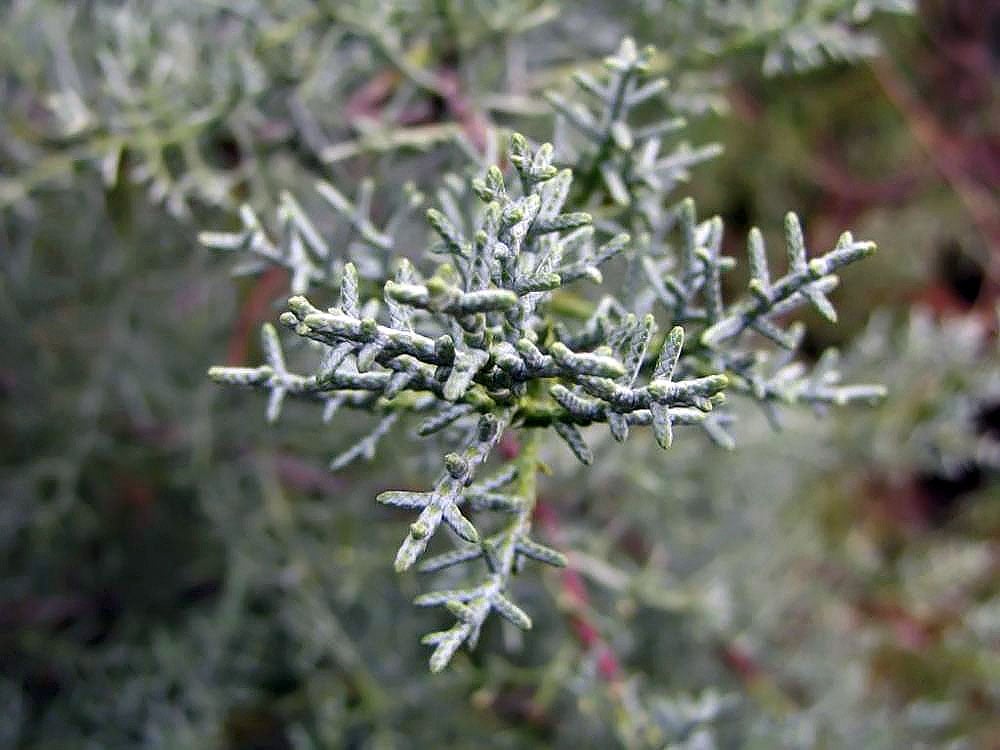
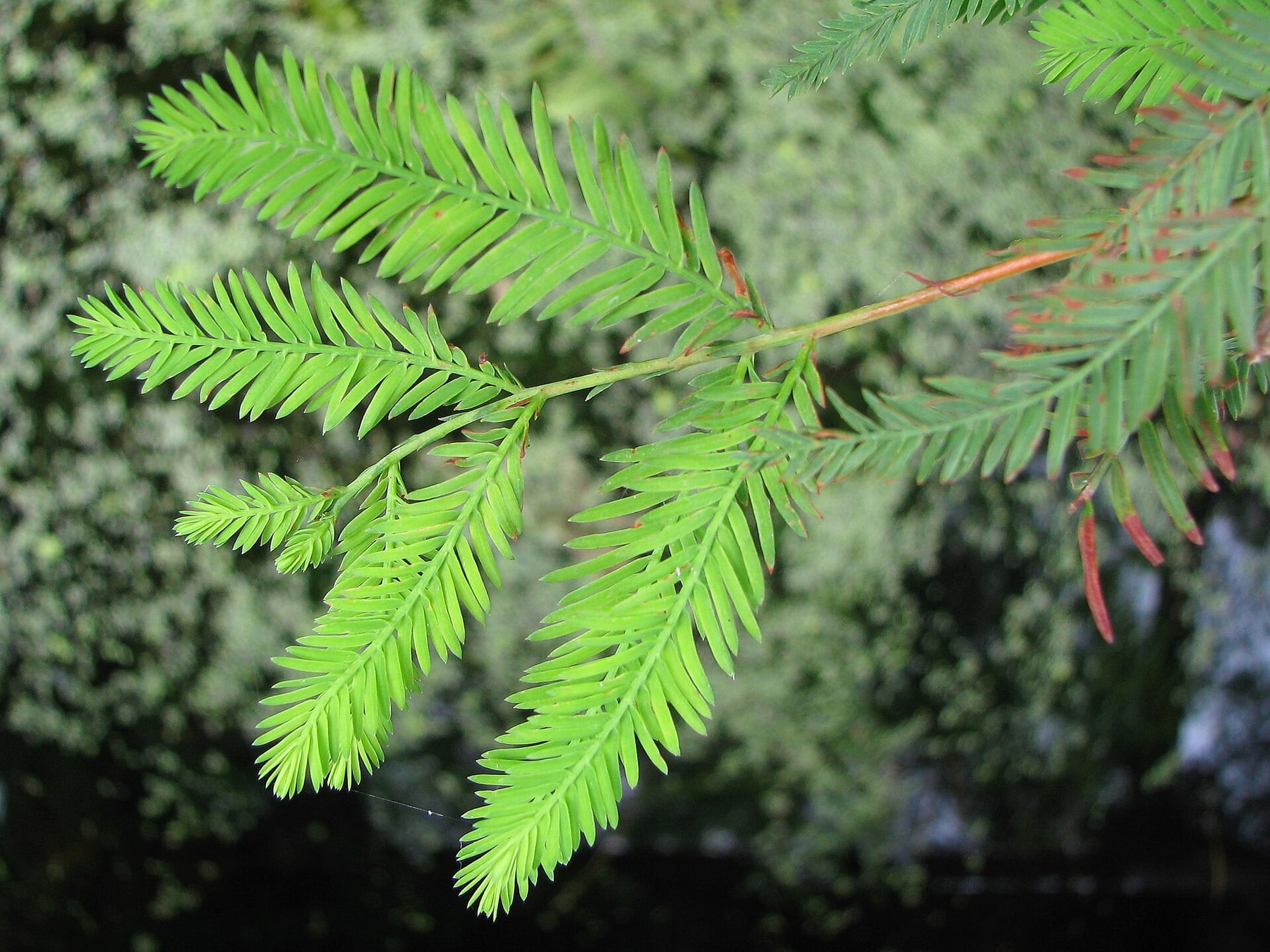
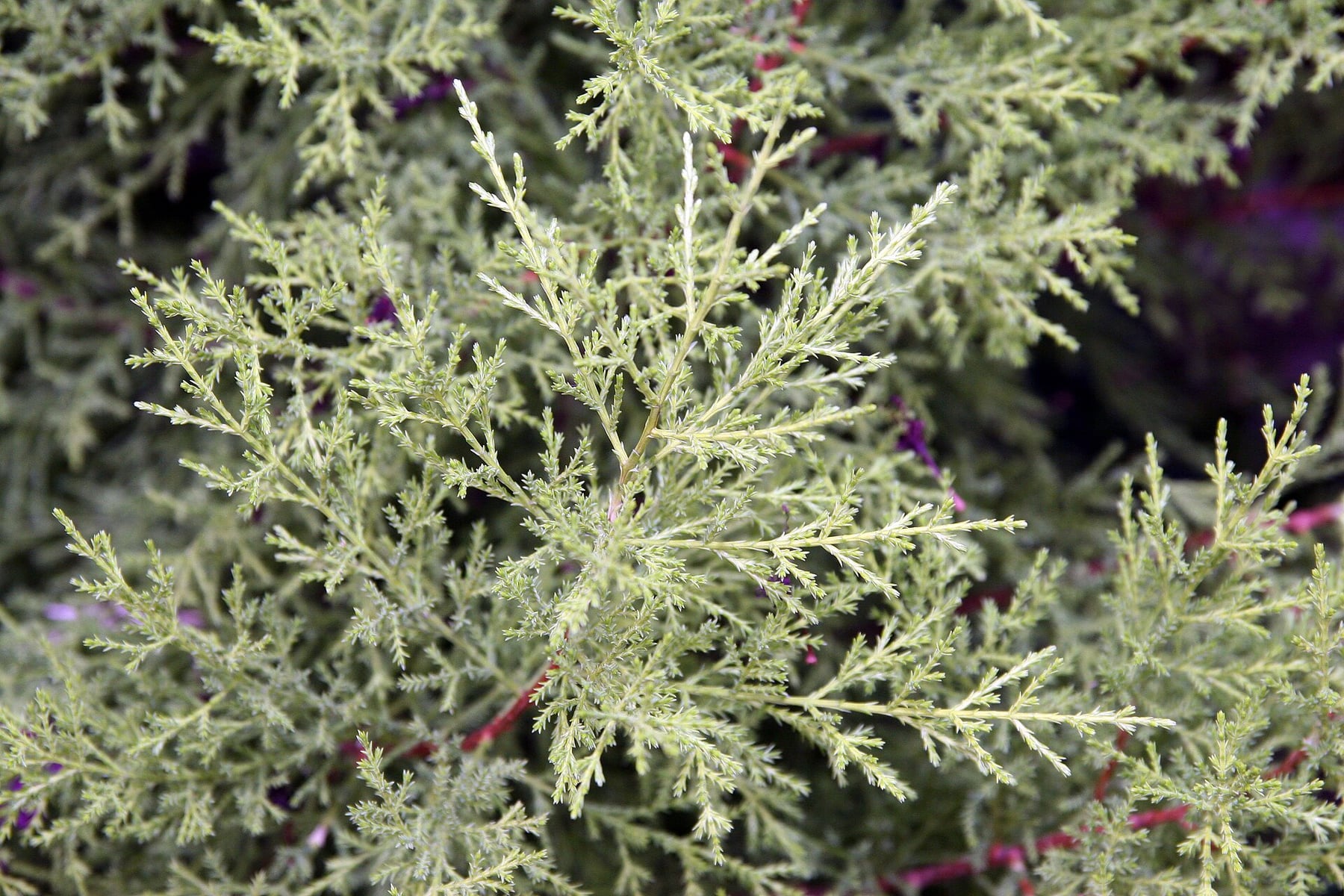
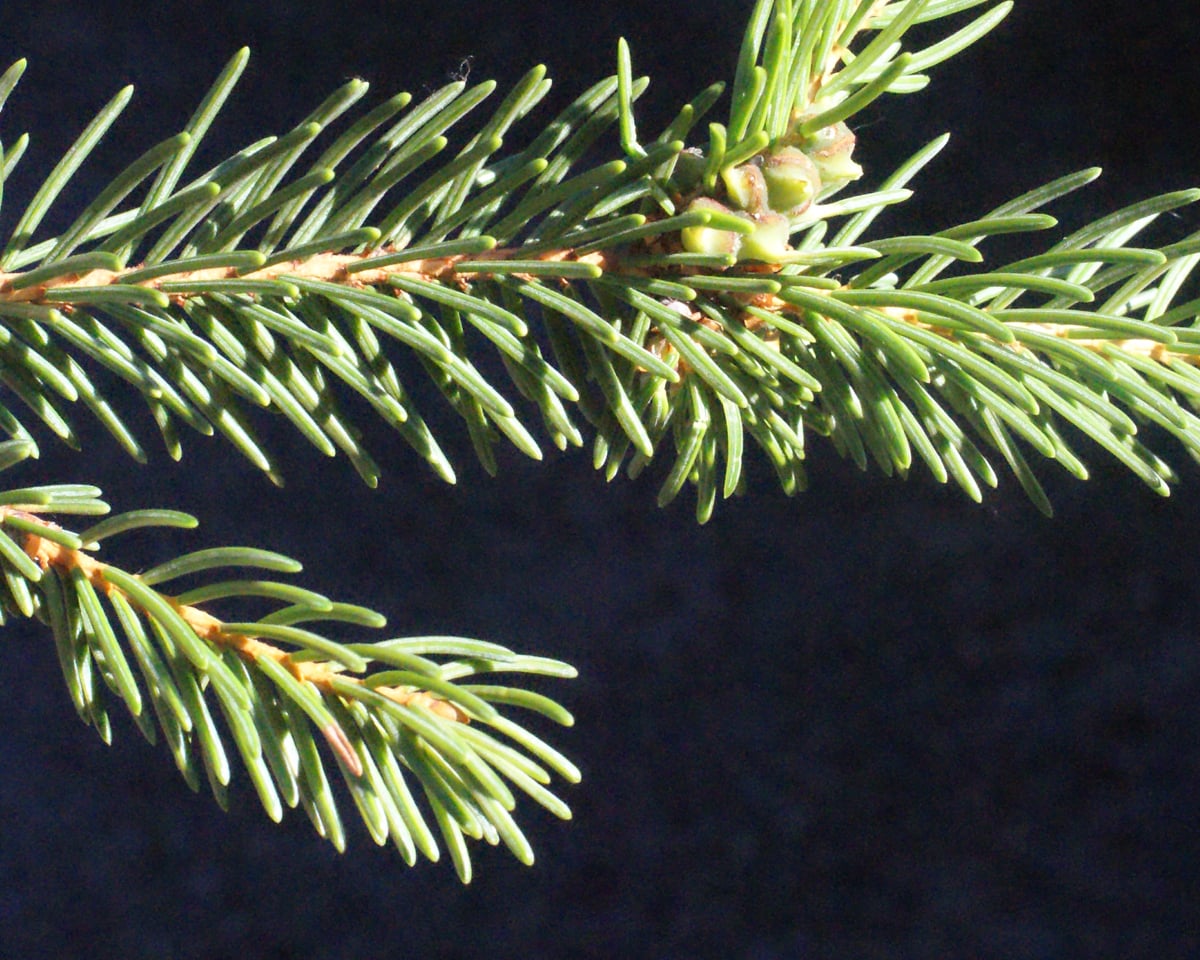
🍃 Leaves
Evergreen, fine supple needles in tufts, bluish green, longer than those of the Atlas cedar
🌸 Flowers
Upright male cones, releasing pollen in autumn
🍎 Fruits
Upright, barrel-shaped female cones, breaking up on the tree when ripe
🪵 Bark
Grey to dark brown, fissured into scales
Distribution, pollinators, uses
🗺️ Distribution
Native to the western Himalaya (Afghanistan, Pakistan, India, Nepal)
✂️ Horticultural uses
Planted as a specimen in large parks for its elegant habit, with a leading shoot that is often drooping, and its weeping branchlets

⚠️ Look-alike species

Deodar cedar
Deodar cedar
Cedrus deodara
Atlas cedar
Atlas cedar
Cedrus atlantica

The Atlas cedar has stiff, upright branchlets, often silvery blue, whereas the deodar cedar has a recognisable weeping habit, with a supple leading shoot that droops.

See the full comparison →
Deodar cedar
Deodar cedar
Cedrus deodara
Cedar of Lebanon
Cedar of Lebanon
Cedrus libani

At maturity the cedar of Lebanon has stiff branches spreading in very flat horizontal tiers, whereas the deodar cedar has a supple habit, with branchlets and a leading shoot that clearly droop.

See the full comparison →

ℹ️ Educational profile — do not use it to judge whether a plant is edible or safe.

🌱 This database is constantly evolving — species and information are added and corrected regularly. Spotted a mistake? Report it below.

© Floraneo — profile content is protected; reproduction without permission is prohibited. Photos remain under their own licence (see the credit shown on each photo).