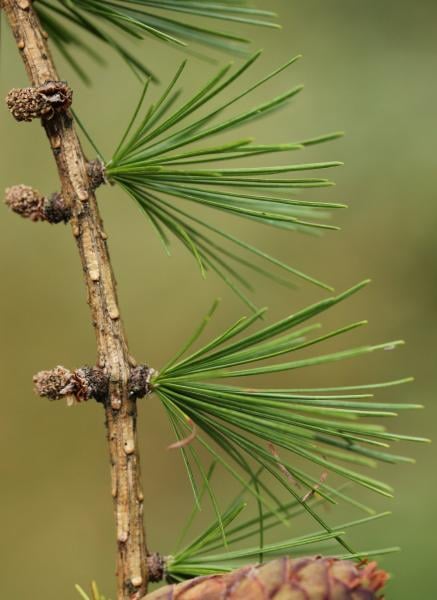
Leaf
Gordanaignjatic, Wikimedia · CC BY-SA 4.0
Austrian pine
Pinus nigra subsp. nigra J.F.Arnold
Also known as: Black pine, European black pine
Family: Pinaceae
20 to 40 m tall
Reforested hillsides, parks, roadside avenues and windbreak hedges throughout France, on all soil types including chalky soils
Flowering: April - May (flowering in the form of pollen cones)
Full sun
Very hardy, to -25°C
❓ How do you recognise this plant?
Introduced in large numbers in the 19th century to halt erosion on bare mountainsides, it has become one of the most planted pines in France without being a native species. Scots pine has distinctly orange bark on the upper third of the trunk, very recognisable, whereas Austrian pine keeps dark, grey to blackish bark over the whole height of the trunk, with longer, rigid needles.
🍃 Leaves
Evergreen needles in pairs, rigid, sharp, glossy dark green, 8 to 15 cm long, remaining on the tree for 3 to 5 years
🌸 Flowers
Yellowish male cones producing abundant pollen, female cones developing into brown, pointed pine cones
🍎 Fruits
Matt brown woody cones, ovoid-conical, 5 to 8 cm long
🪵 Bark
Brownish-black, thick, fissured into angular plates
🗺️ Distribution
Native to central Europe and the Mediterranean region; introduced to France in the 19th century for reforestation, now one of the most planted pines in the country
🐝 Value for pollinators
Wind-pollinated (anemophilous); of little attraction to insects but its abundant pollen feeds certain beetles
✂️ Horticultural uses
Used massively for reforestation, windbreaks and shelter hedges as it is very resistant to wind, drought, chalk and urban pollution
⚠️ Look-alike species
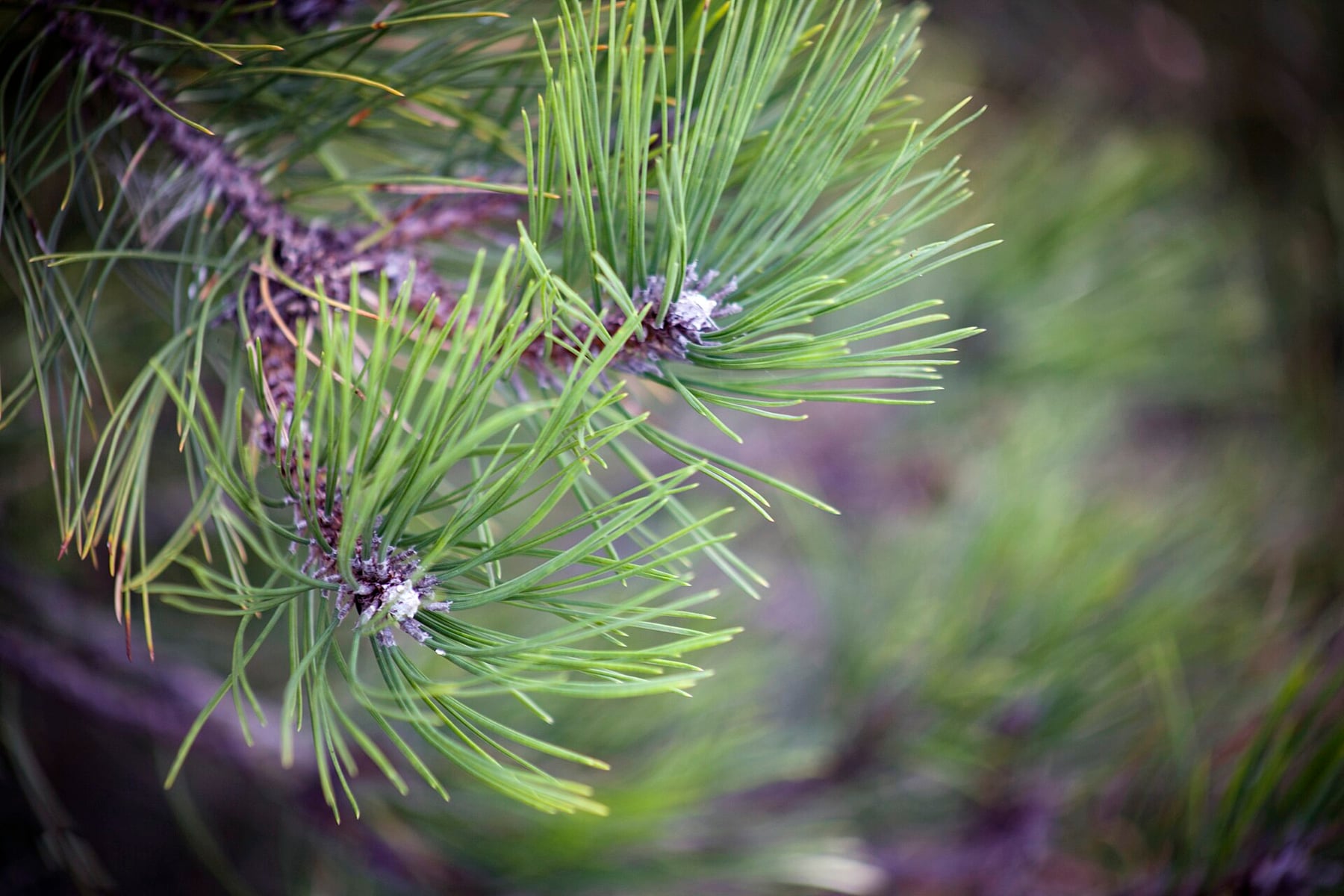
Austrian pine
Pinus nigra subsp. nigra
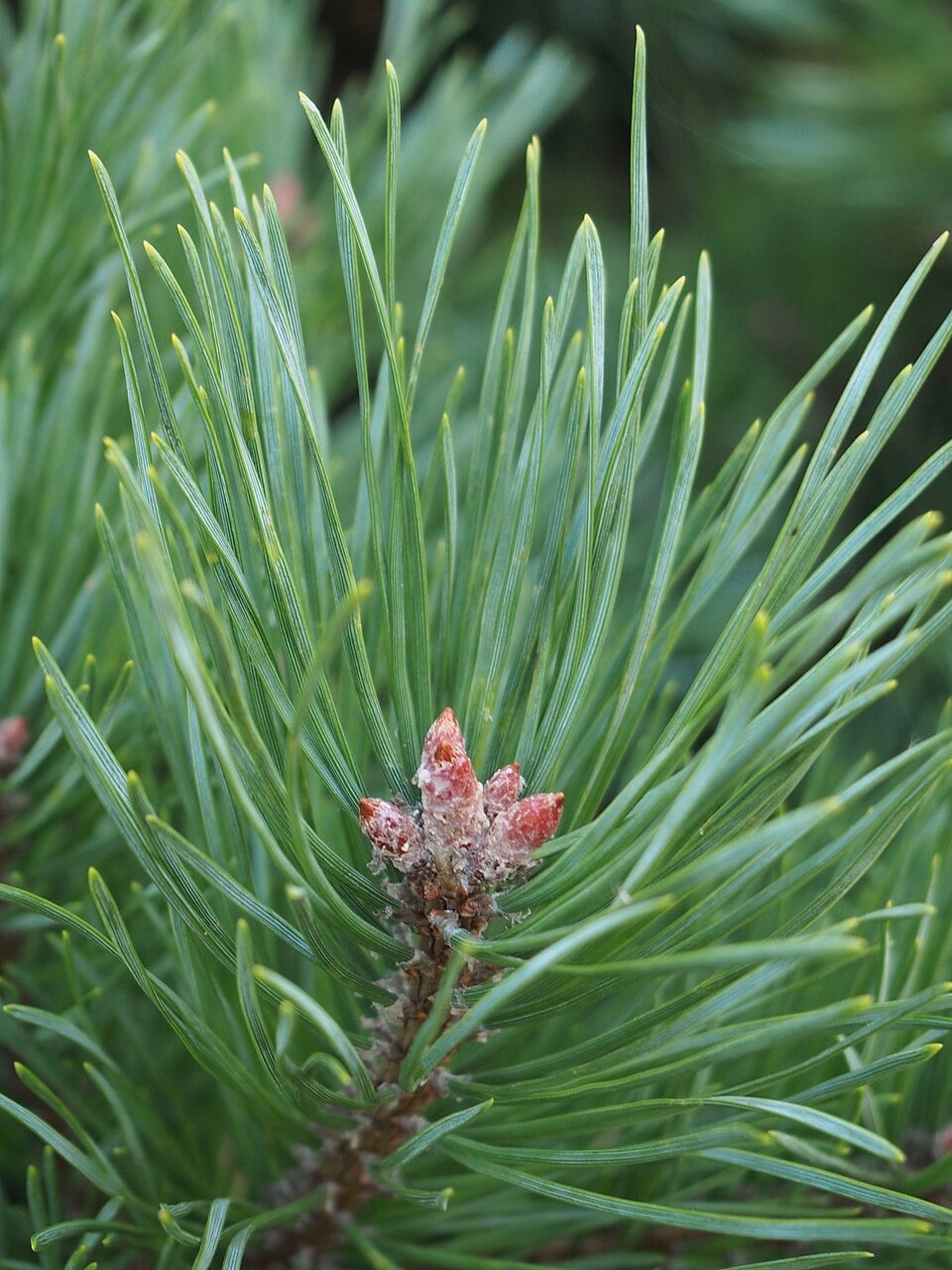
Scots pine
Pinus sylvestris
Scots pine has distinctly orange bark on the upper third of the trunk, very recognisable, whereas Austrian pine keeps dark, grey to blackish bark over the whole height of the trunk, with longer, rigid needles.
🌿 Other Pinaceae to discover
ℹ️ Educational profile — do not use it to judge whether a plant is edible or safe.
🌱 This database is constantly evolving — species and information are added and corrected regularly. Spotted a mistake? Report it below.
© Floraneo — profile content is protected; reproduction without permission is prohibited. Photos remain under their own licence (see the credit shown on each photo).