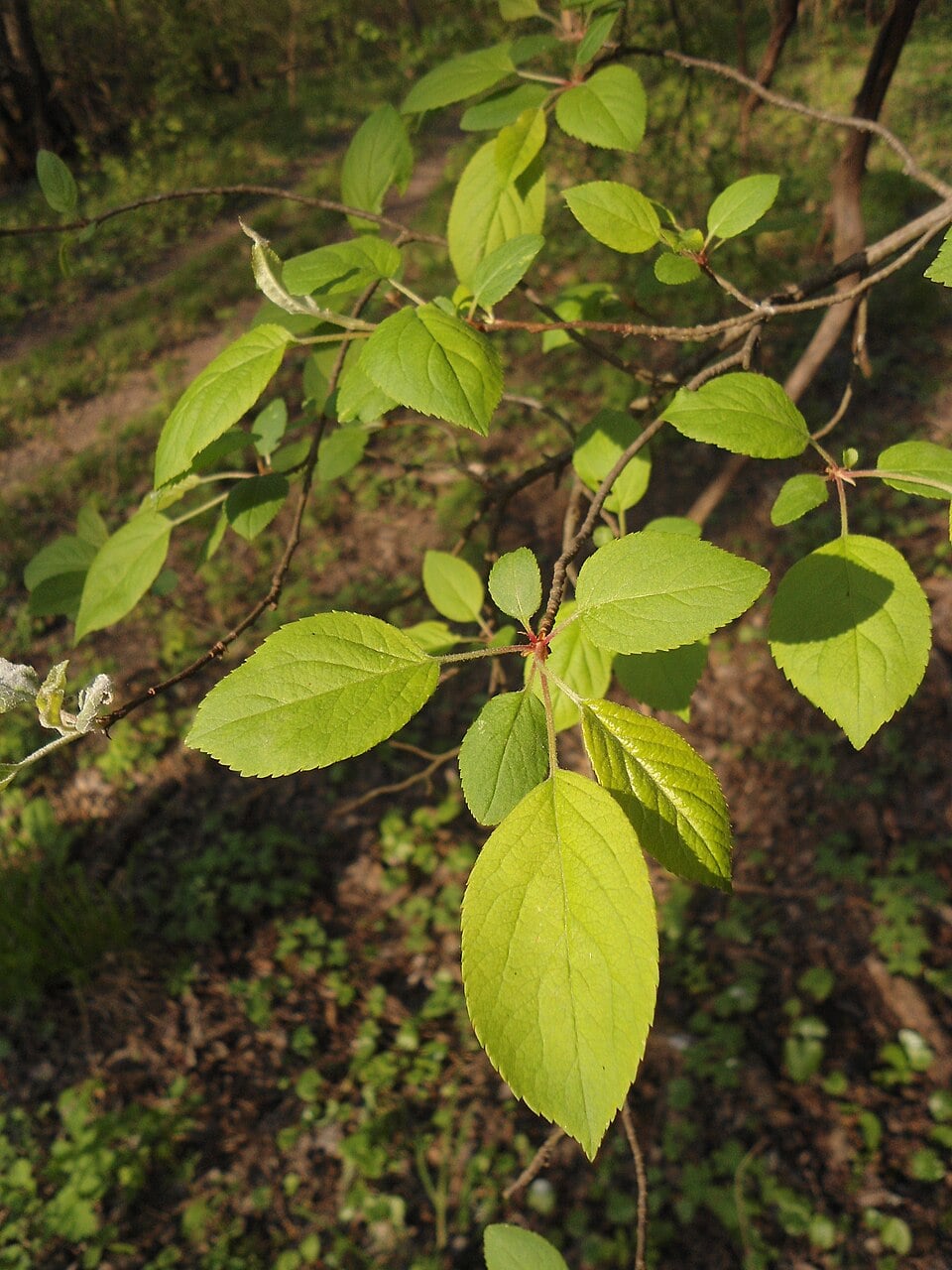
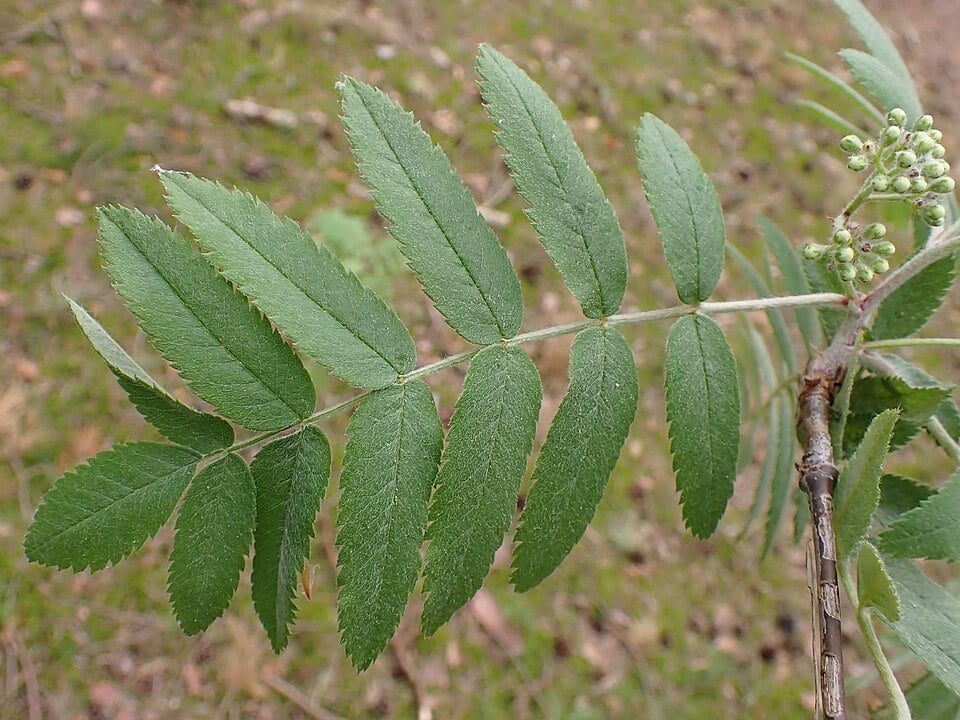
Leaf
Hinnerk11, Wikimedia · CC BY-SA 4.0

Plum

Prunus domestica L.
Also known as: European plum, Domestic plum
Family: Rosaceae
3 to 8 m tall
Orchards and gardens, sometimes naturalised at woodland edges
Flowering: March – April, before or with the leaves
Full sun
Hardy to about -25°C

❓ How do you recognise this plant?

The cultivated plum is thought to derive from an ancient natural cross between the blackthorn (Prunus spinosa) and the cherry plum (Prunus cerasifera). The blackthorn has much smaller, astringent fruits, and thorny twigs; the cultivated plum has none.
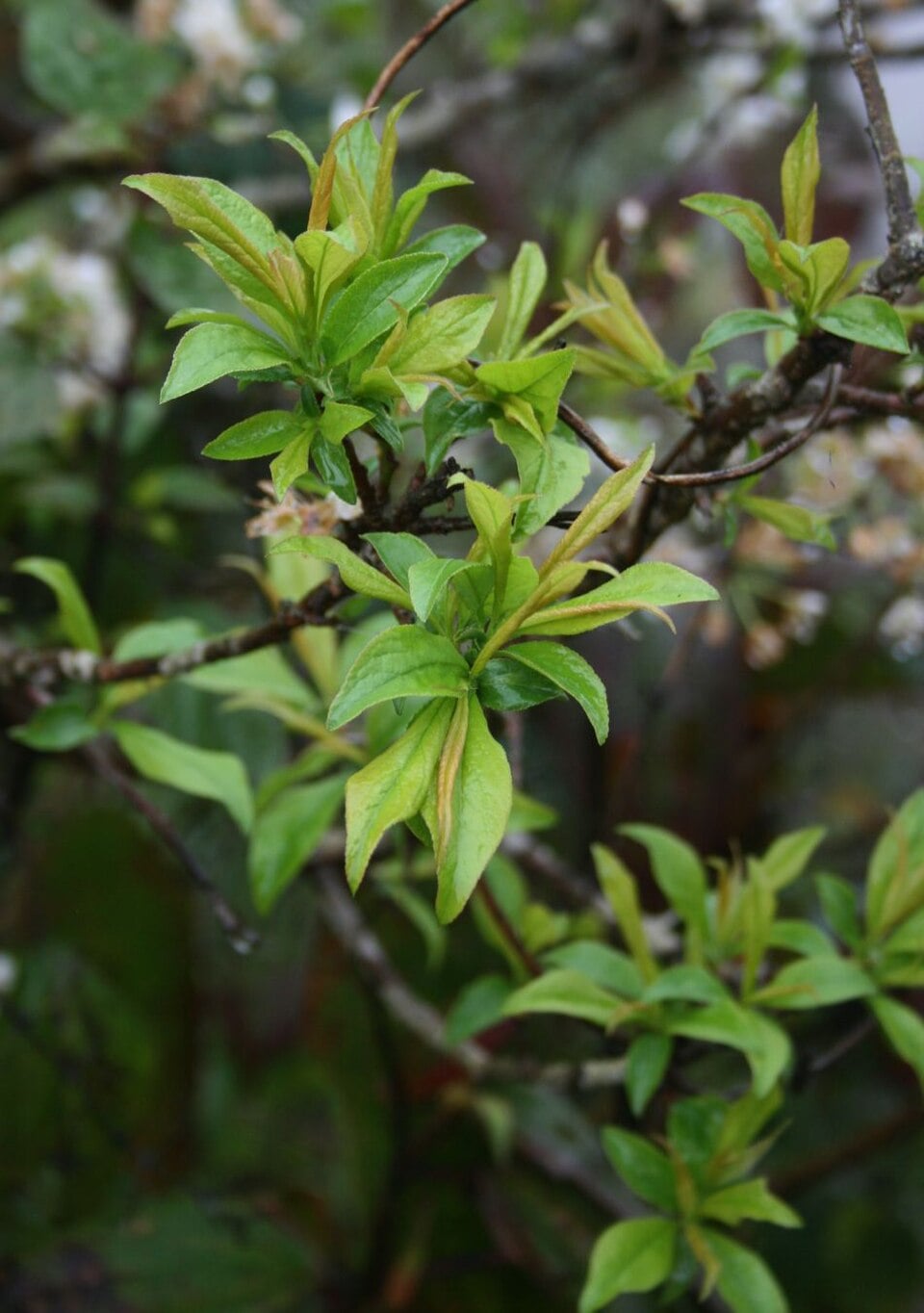
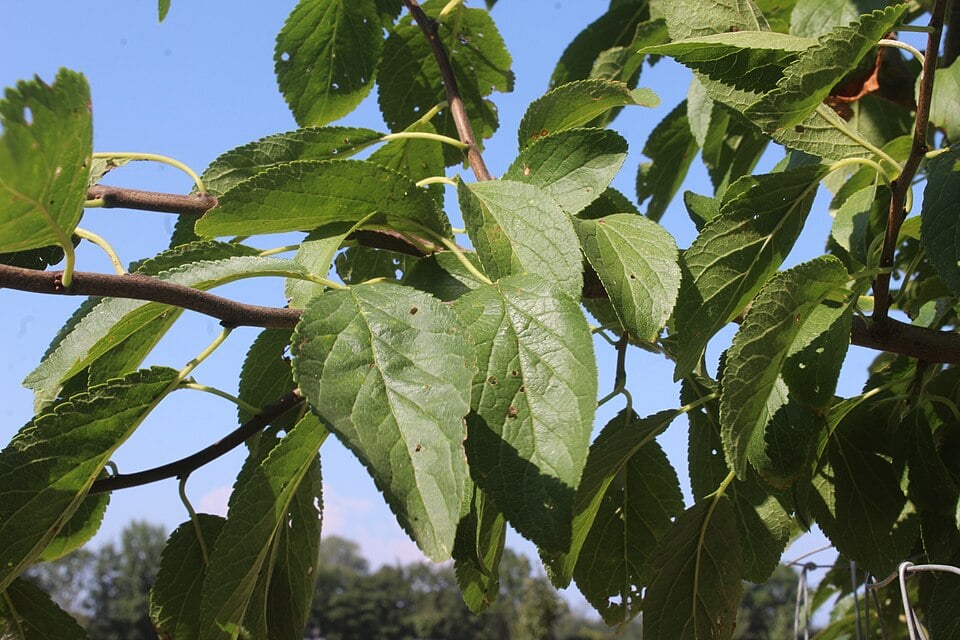
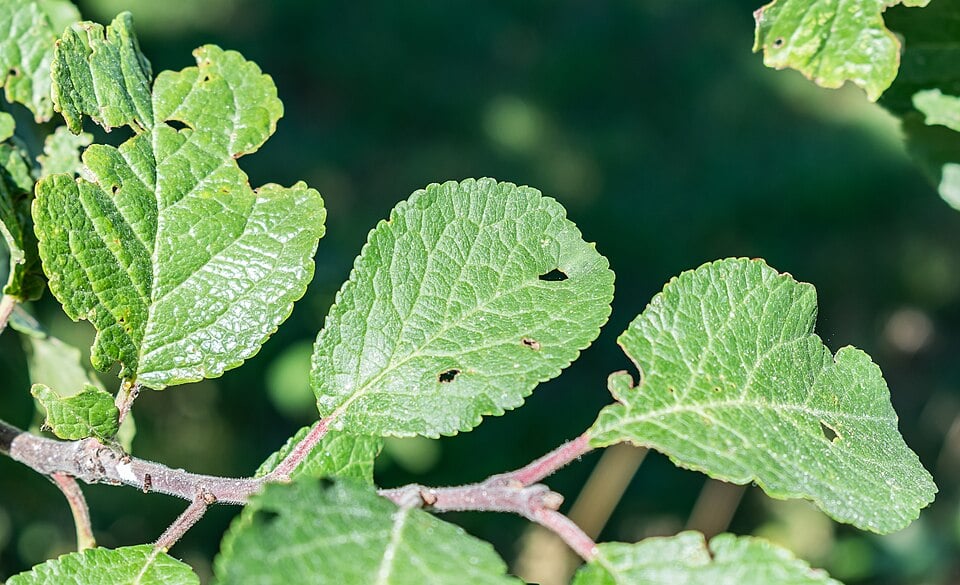
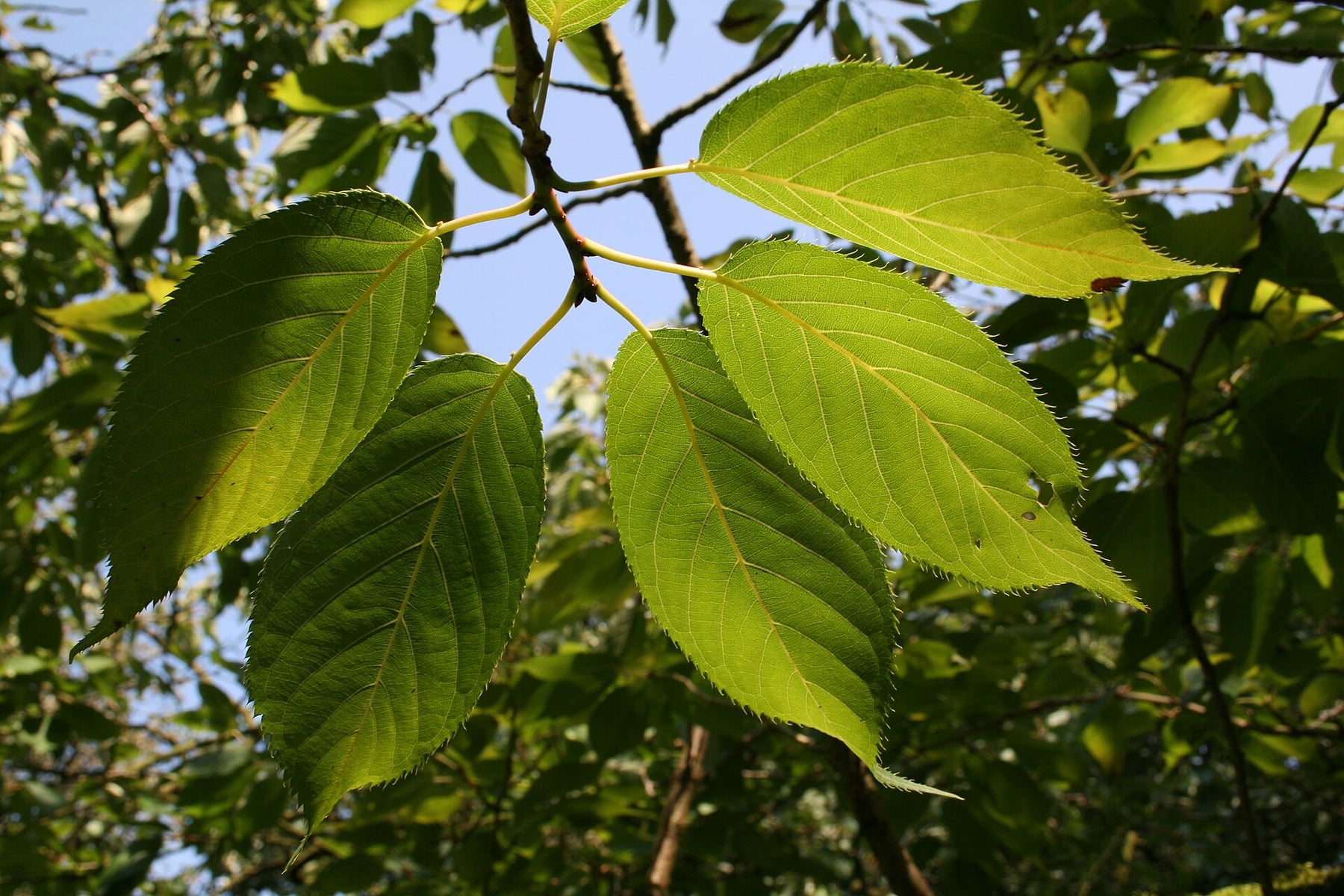
🍃 Leaves
Elliptic to obovate, toothed, slightly downy beneath
🌸 Flowers
White, solitary or in groups of 2-3, appearing early in spring
🍎 Fruits
Fleshy drupe (plum), purple, yellow or red depending on variety, with a flattened stone
🪵 Bark
Greyish to dark brown, cracking into scales
🗺️ Distribution
Cultivated throughout France; derived from an ancient cross between the blackthorn and the cherry plum
🐝 Value for pollinators
Early flowering rich in nectar, appreciated by bees
✂️ Horticultural uses
Orchard fruit tree, many varieties (damsons, greengages, mirabelle plums)

⚠️ Possible toxicity

Fruit flesh edible; the stone, leaves and bark contain amygdalin (a cyanide precursor), toxic in large quantities

⚠️ Look-alike species

Plum
Plum
Prunus domestica
Blackthorn
Blackthorn
Prunus spinosa

The blackthorn has much smaller, astringent fruits, and thorny twigs; the cultivated plum has none.

Plum
Plum
Prunus domestica
Japanese plum
Japanese plum
Prunus salicina

Two 'plum trees' with fruits of very variable colour (yellow, red, purple depending on variety), easily confused by a beginner. The plum has a stone that separates easily from the flesh, whereas the Japanese plum flowers earlier and more abundantly (often from March before the leaves, flowers in groups of 2-3) and produces generally larger, rounder and firmer fruits, with a clinging stone.

ℹ️ Educational profile — do not use it to judge whether a plant is edible or safe.

🌱 This database is constantly evolving — species and information are added and corrected regularly. Spotted a mistake? Report it below.

© Floraneo — profile content is protected; reproduction without permission is prohibited. Photos remain under their own licence (see the credit shown on each photo).