Leaf
Pierre Bonnet, Tela Botanica · CC BY-SA 2.0
Northern red oak
Quercus rubra L.
Also known as: Red oak, American red oak
Family: Fagaceae
20 to 30 m tall
Planted in forests, parks and avenues, deep, moist soils
Flowering: April – May, inconspicuous
Full sun
Very hardy, to about -25°C
❓ How do you recognise this plant?
Unlike the French pedunculate oak, whose acorn ripens in a single season, the acorn of the northern red oak takes two years to develop on the tree before falling.
🍃 Leaves
Large, deeply lobed leaves, with lobes ending in points, unlike the more rounded lobes of pedunculate or sessile oak.
🌸 Flowers
Hanging male catkins and small female flowers separate on the same tree
🍎 Fruits
Brown acorn, with a shallow cup; ripening over two years. The acorns are relatively large and often almost sessile.
🪵 Bark
Grey, smooth on young trees, becoming furrowed with age
🗺️ Distribution
Native to North America; widely planted in France for forestry and ornament
🐝 Value for pollinators
Wind-pollinated, little value for pollinators
✂️ Horticultural uses
Forest and ornamental tree planted for its fast growth and spectacular bright red autumn colour
⚠️ Possible toxicity
Acorns and young leaves rich in tannins, toxic to livestock (cattle, horses) in large quantity — American red/black oaks are among the species with the highest tannin concentration, as with other oaks
🌿 Other Fagaceae to discover
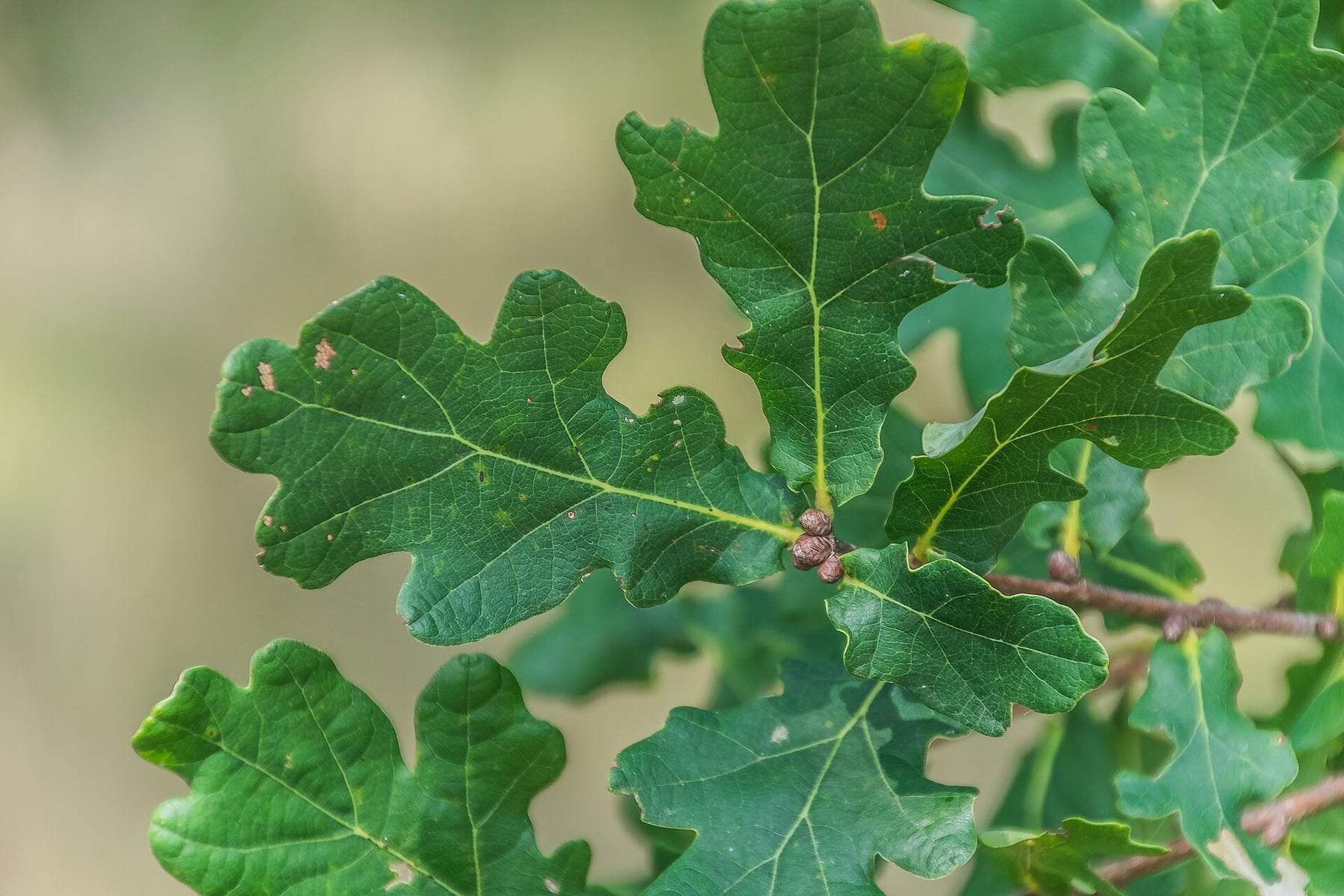
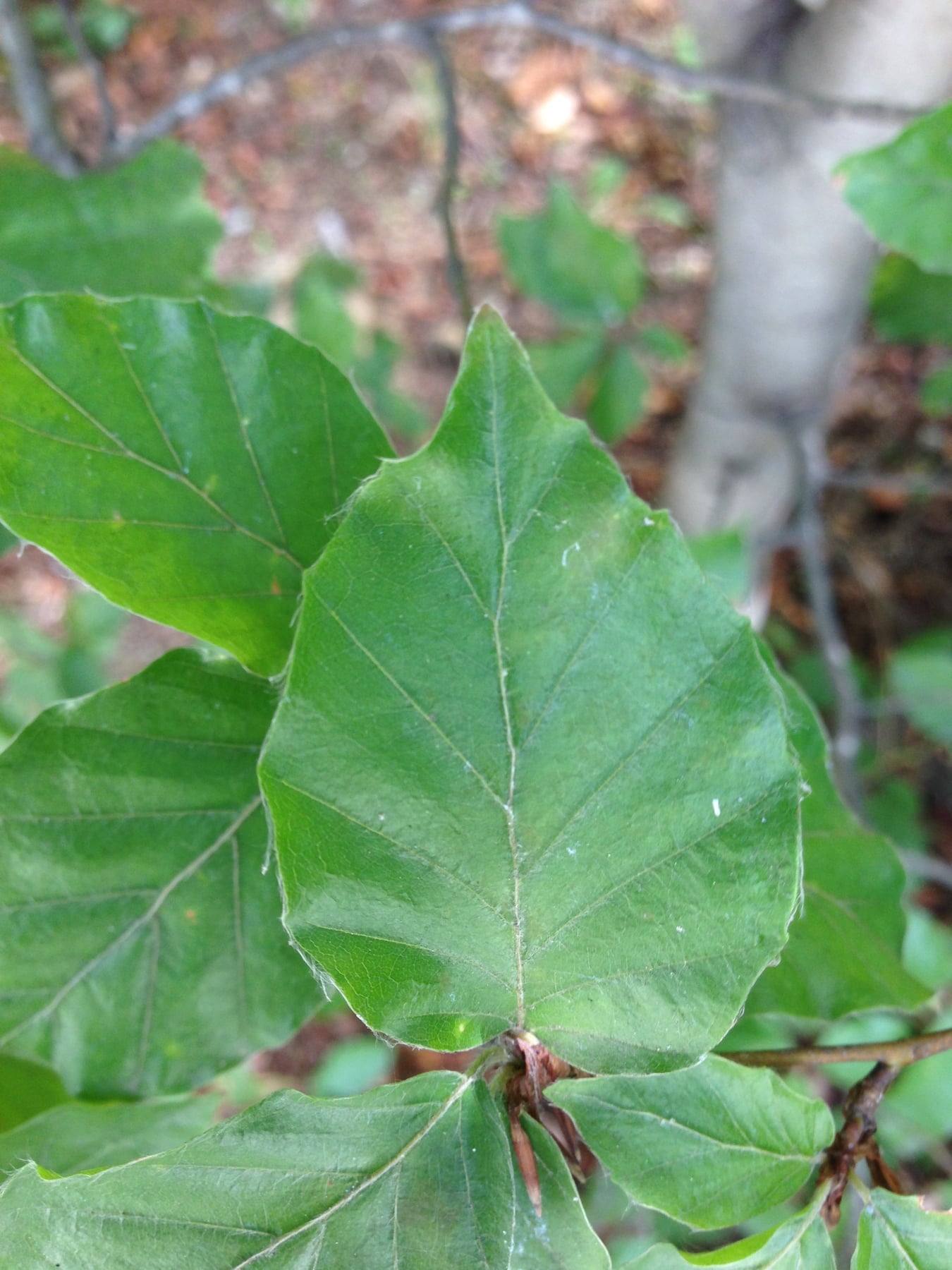
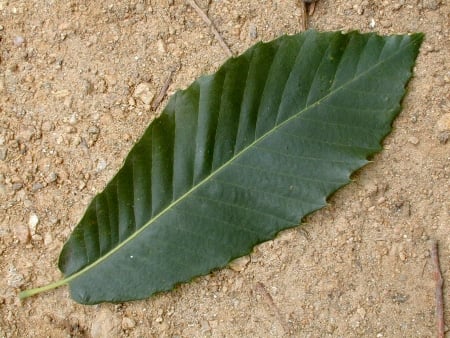
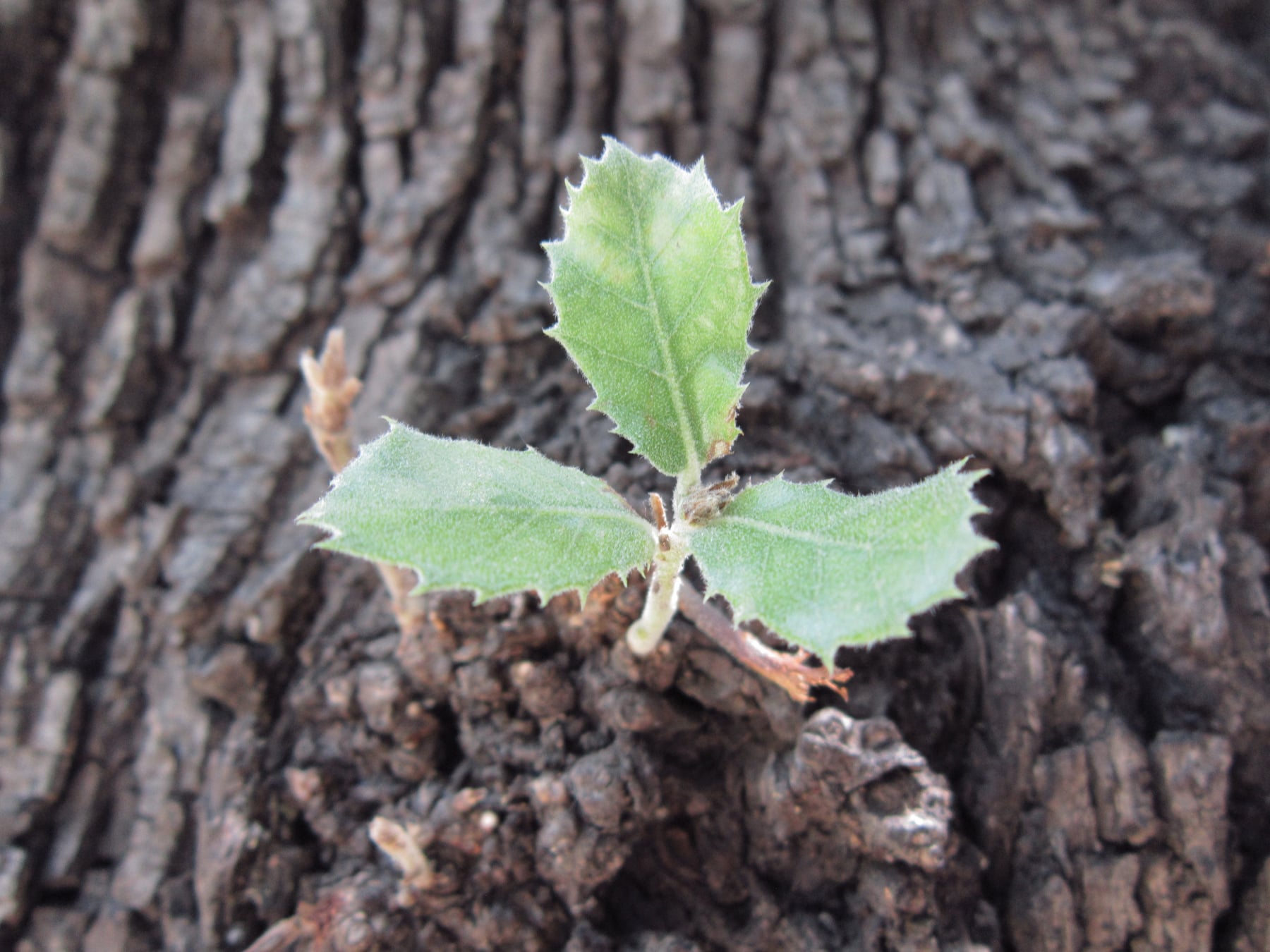
ℹ️ Educational profile — do not use it to judge whether a plant is edible or safe.
🌱 This database is constantly evolving — species and information are added and corrected regularly. Spotted a mistake? Report it below.
© Floraneo — profile content is protected; reproduction without permission is prohibited. Photos remain under their own licence (see the credit shown on each photo).