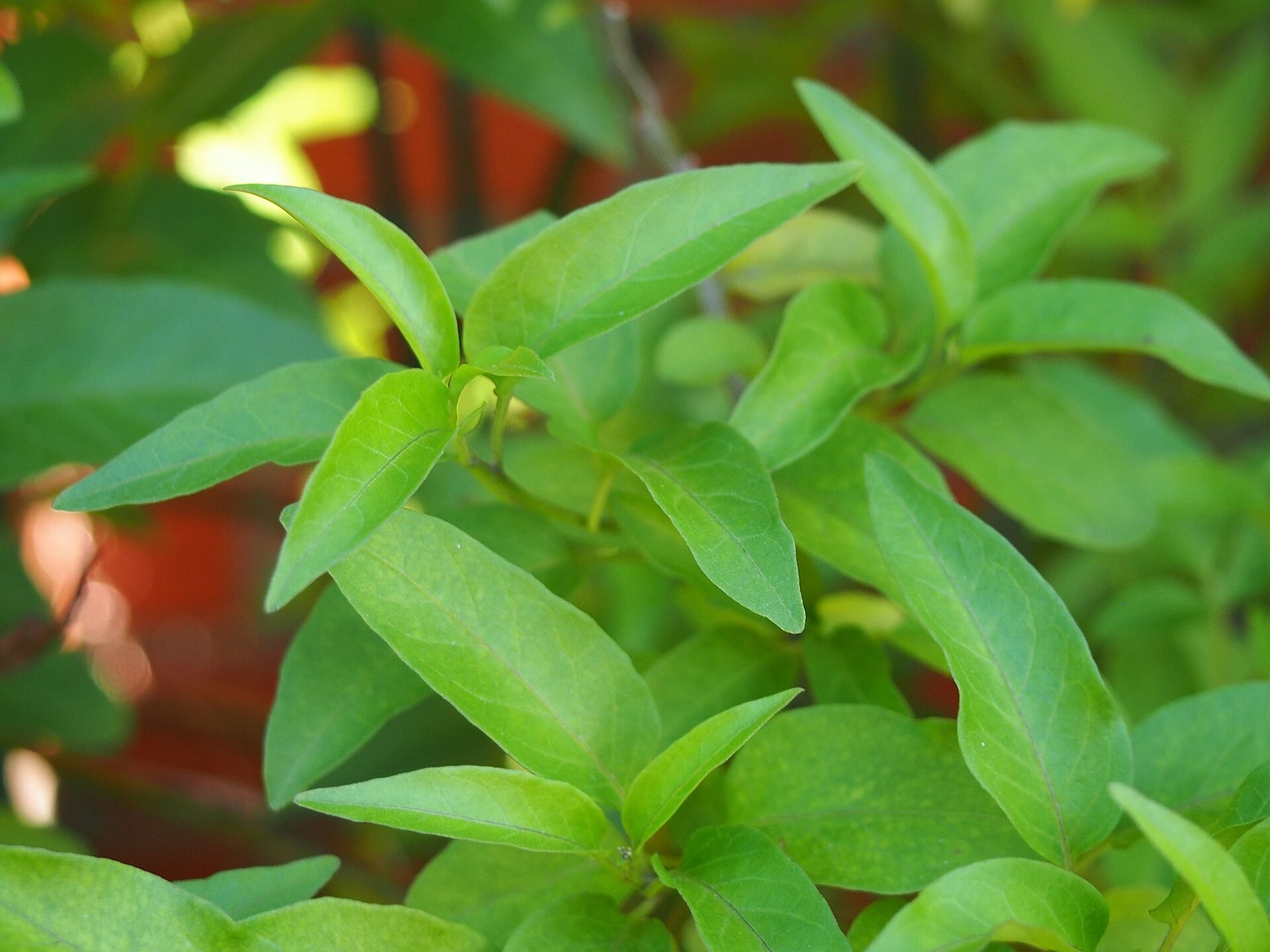
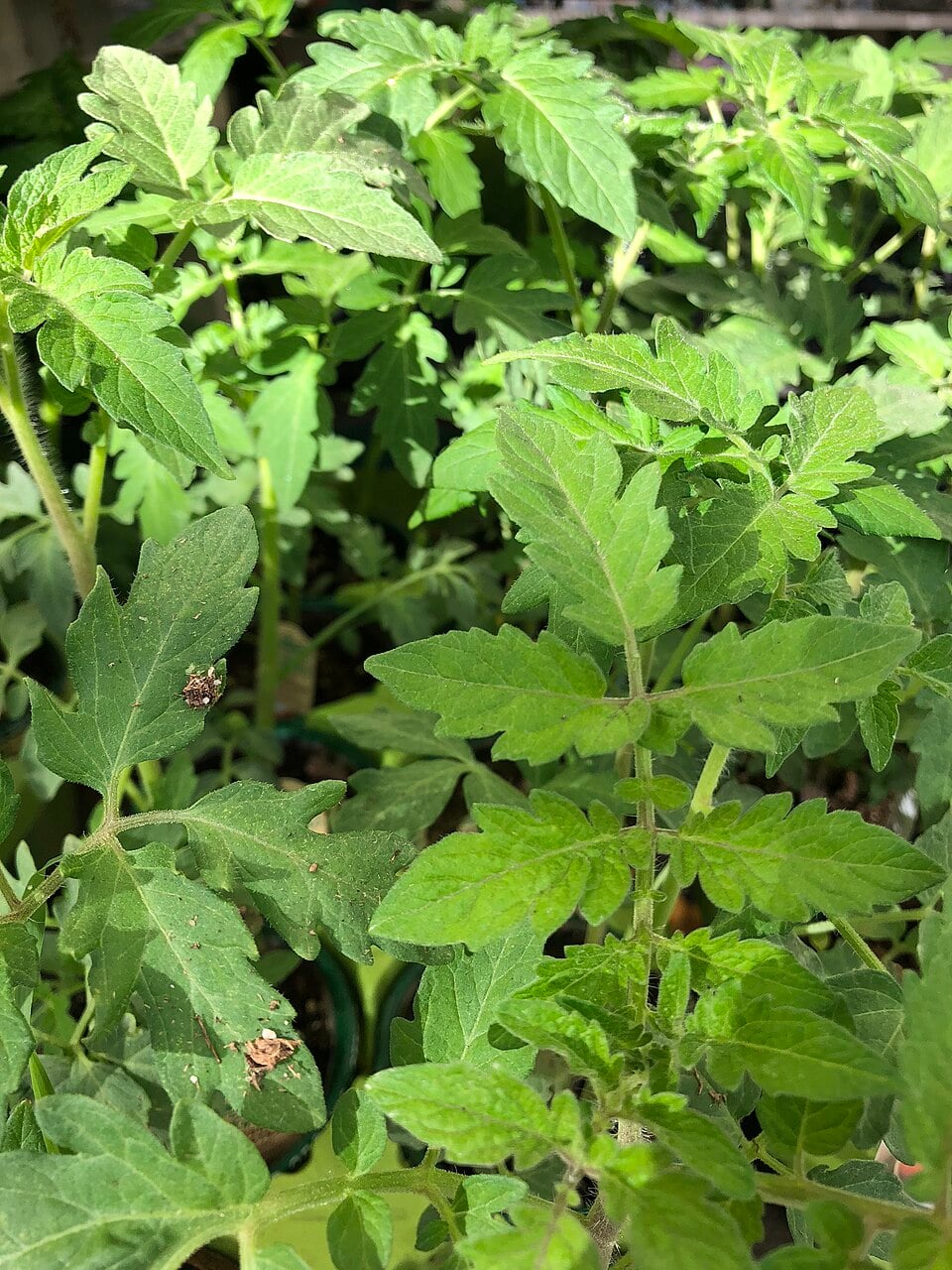
Leaf
Agnieszka Kwiecień, Wikimedia · CC BY-SA 4.0

Jasmine nightshade

Solanum laxum Spreng.
Also known as: Potato vine, Potato climber
Family: Solanaceae
Climber of 3 to 6 m
Planted on a pergola or trellis, ordinary free-draining soils
Flowering: June – October, very long flowering
Full sun
Part shade
Not very hardy, dislikes frost below -5°C

❓ How do you recognise this plant?

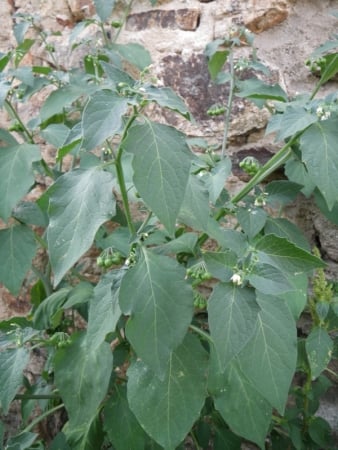
This climber flowers non-stop from early summer until the first autumn frosts — one of the longest flowering periods among ornamental climbers grown in France. The small white star-shaped flowers with a centre of yellow stamens and the clusters of black berries look alike on this ornamental climber and on black nightshade, a wild weed. The habit is clearly different: the jasmine nightshade climbs along a support for several metres, whereas black nightshade stays a small, upright, non-climbing plant. Both bear toxic berries: if in the slightest doubt, do not eat.
🍃 Leaves
Semi-evergreen, ovate, slightly glossy
🌸 Flowers
Pale blue to white, star-shaped, with a bright yellow centre, grouped in clusters
🍎 Fruits
Small black berry, toxic
🪵 Bark
Twining, semi-woody climber
🗺️ Distribution
Native to South America; widely planted in France as an ornamental climber
🐝 Value for pollinators
Very long, nectar-yielding flowering, visited by bees all summer until autumn
✂️ Horticultural uses
Ornamental climber with an exceptionally long flowering period, from early summer until the first frosts

⚠️ Possible toxicity

Fruit and foliage toxic if eaten, like many members of the nightshade family

⚠️ Look-alike species

Jasmine nightshade
Jasmine nightshade
Solanum laxum
Black nightshade
Black nightshade
Solanum nigrum

The small white star-shaped flowers with a centre of yellow stamens and the clusters of black berries look alike on this ornamental climber and on black nightshade, a wild weed. The habit is clearly different: the jasmine nightshade climbs along a support for several metres, whereas black nightshade stays a small, upright, non-climbing plant. Both bear toxic berries: if in the slightest doubt, do not eat.

ℹ️ Educational profile — do not use it to judge whether a plant is edible or safe.

🌱 This database is constantly evolving — species and information are added and corrected regularly. Spotted a mistake? Report it below.

© Floraneo — profile content is protected; reproduction without permission is prohibited. Photos remain under their own licence (see the credit shown on each photo).