Potato
❓ How do you recognise this plant?
⚠️ Possible toxicity
⚠️ Look-alike species
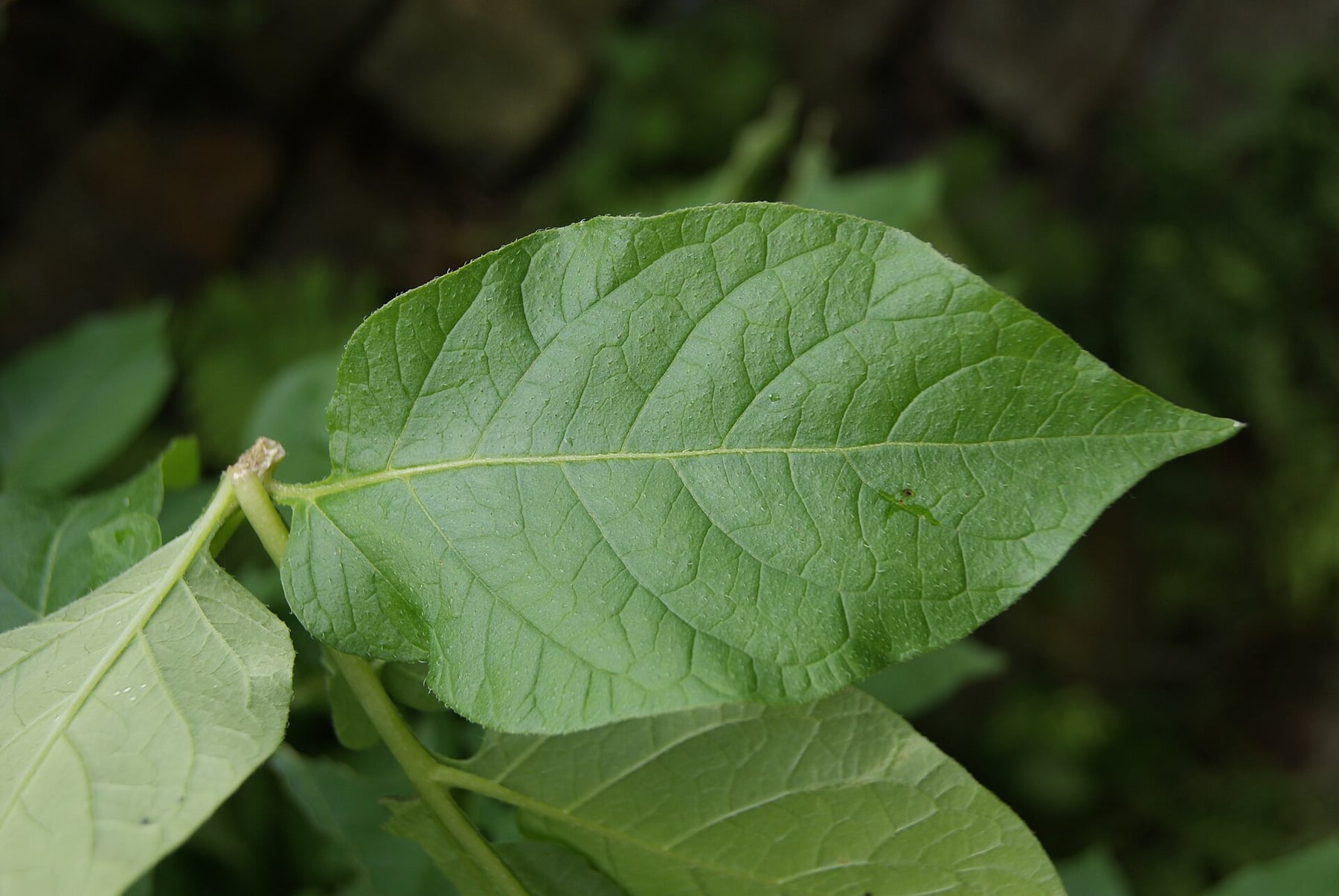
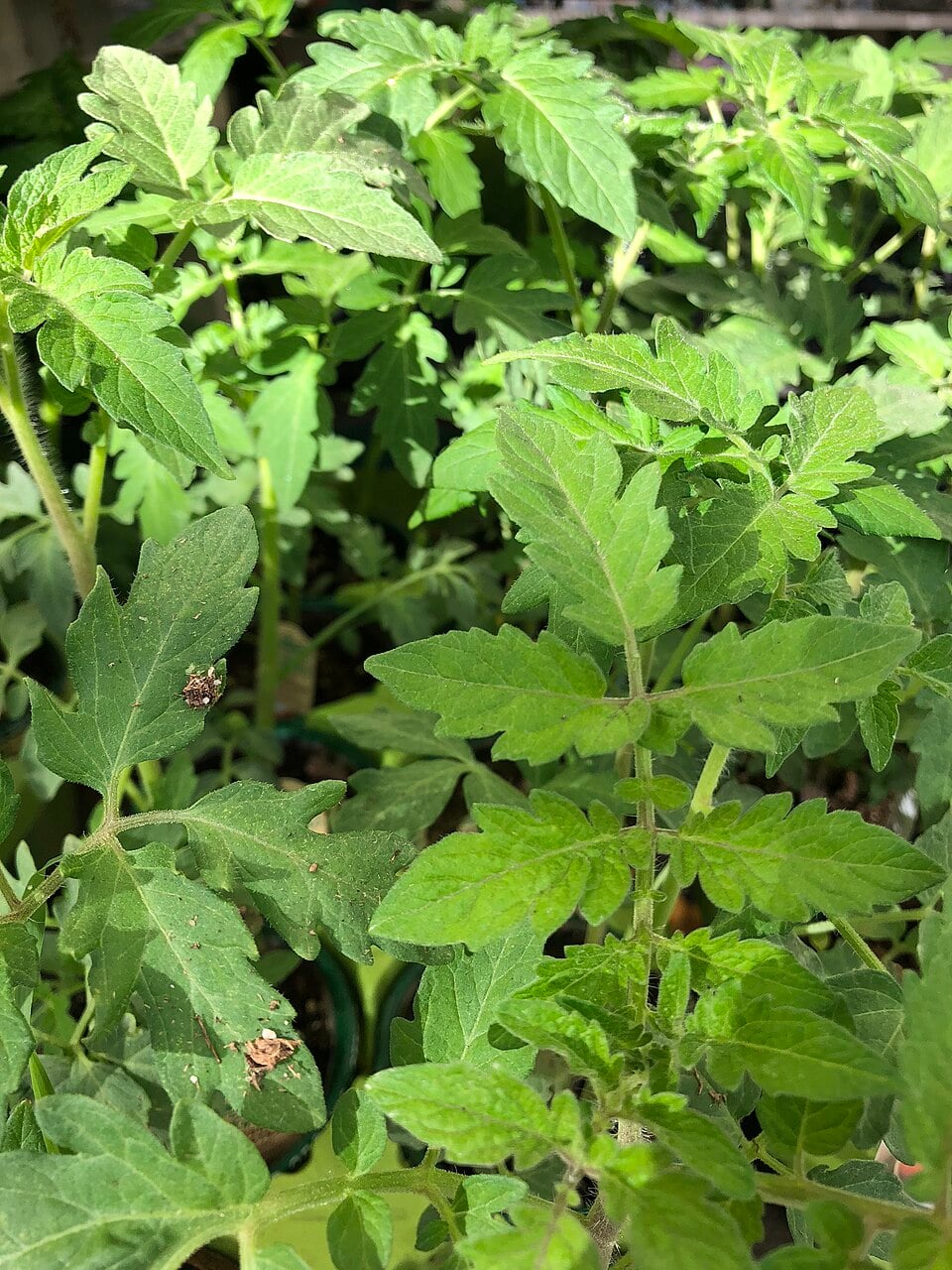
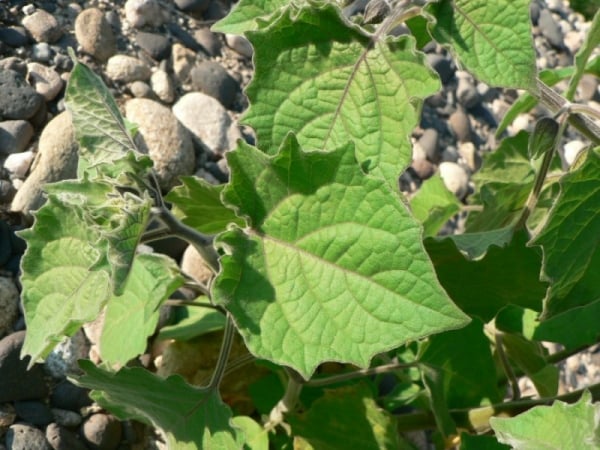
Before fruiting, their divided foliage is almost impossible to tell apart — both are closely related members of the Solanaceae. It is the stem and above all the fruit that settle it.
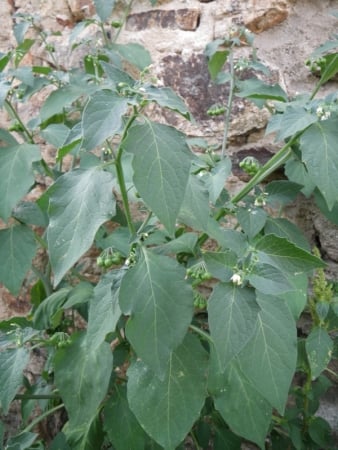
The small black berries of black nightshade look like unripe cherry tomatoes, but the whole plant is toxic — unlike the tomato or the potato, its cultivated cousins. A simple check: if the 'mini-tomatoes' are the size of a small pea, grow in small loose clusters and stay black even when ripe, it is not a tomato.
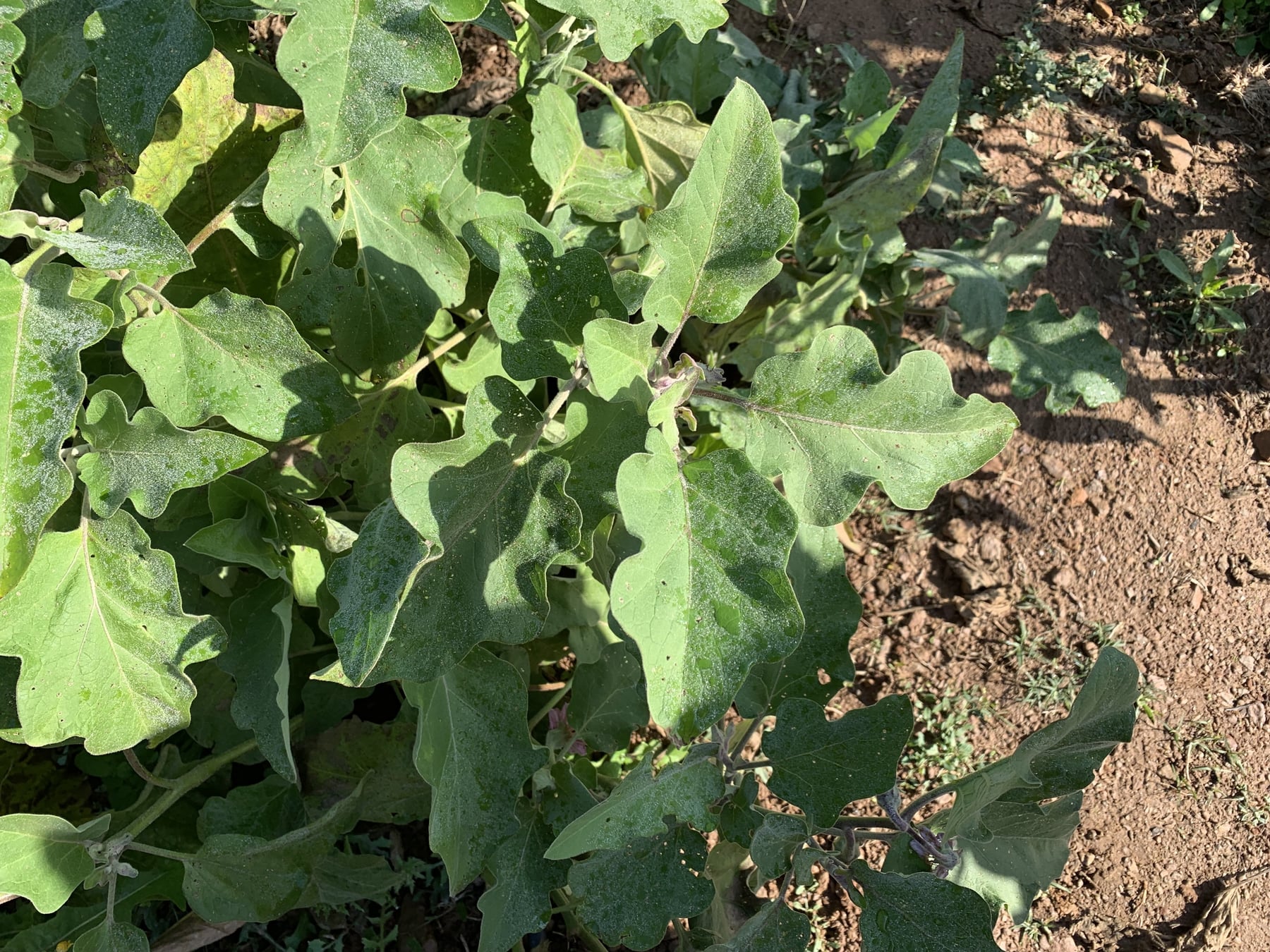
The purple star-shaped flowers with a centre of yellow stamens look very similar in the aubergine and in potato varieties with purple flowers — the same floral architecture as in all cultivated Solanaceae. It is the foliage (entire and downy in the aubergine, deeply divided in the potato) and above all the fruit that tell them apart unambiguously.
🌿 Other Solanaceae to discover

ℹ️ Educational profile — do not use it to judge whether a plant is edible or safe.
🌱 This database is constantly evolving — species and information are added and corrected regularly. Spotted a mistake? Report it below.
© Floraneo — profile content is protected; reproduction without permission is prohibited. Photos remain under their own licence (see the credit shown on each photo).