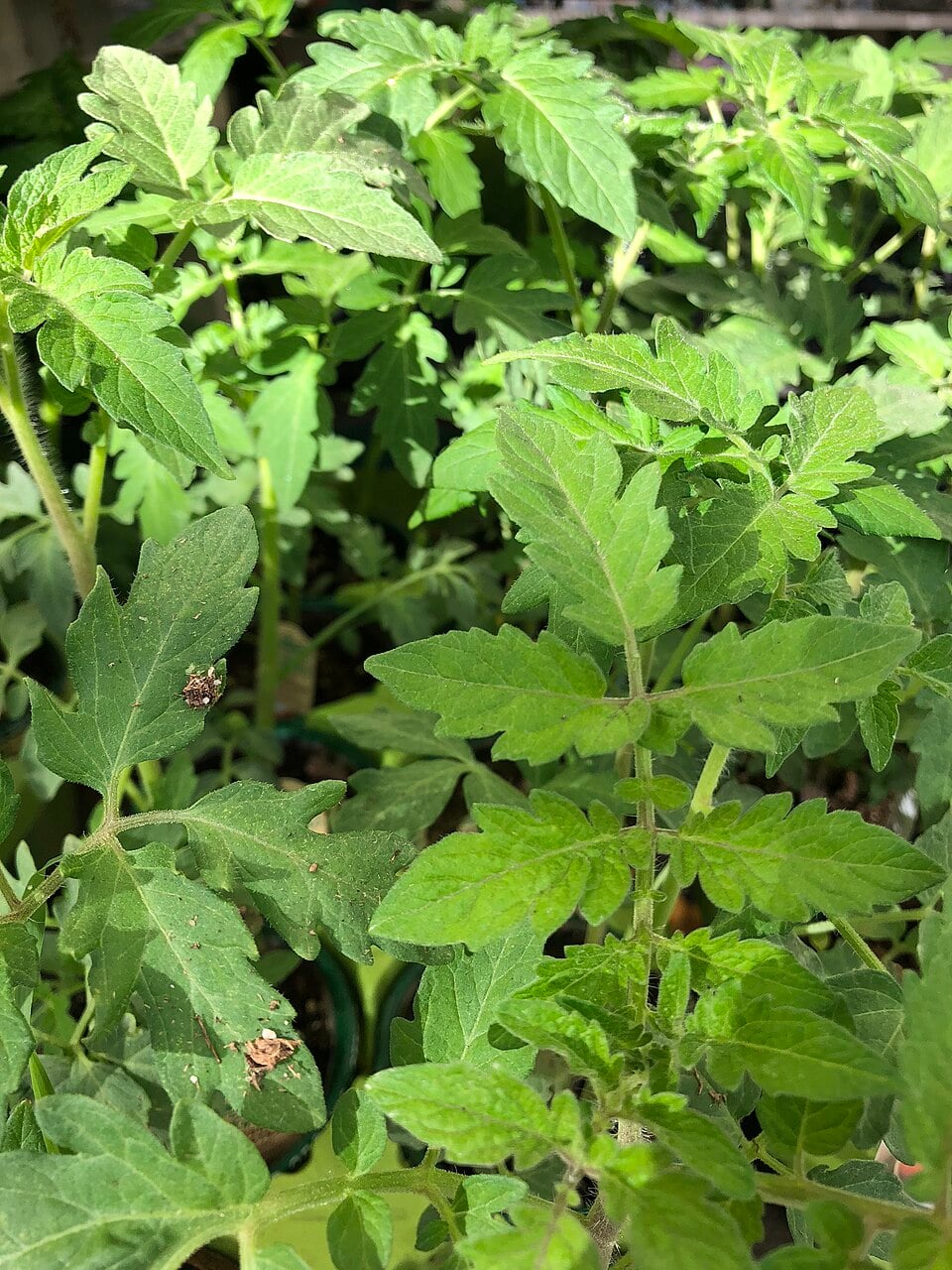
Leaf
Mathieu MENAND, Tela Botanica · CC BY-SA 2.0
Cape gooseberry
Physalis peruviana L.
Also known as: Physalis, Goldenberry, Inca berry
Family: Solanaceae
60 cm to 1 m tall
Grown in vegetable gardens and gardens, sometimes self-sown
Flowering: June – September
Full sun
Not very hardy, frost-sensitive, grown as an annual in temperate climates
❓ How do you recognise this plant?
The orange fruit of the Cape gooseberry is wrapped in a thin papery 'lantern' that dries and becomes translucent when ripe, letting the fruit show through. Chinese lantern (Physalis alkekengi) has a bright orange-red calyx and a fruit that is barely edible raw; Cape gooseberry has a yellowish-brown calyx and a sweet fruit grown for eating.
🍃 Leaves
Ovate to cordate, slightly downy, with entire or slightly toothed margins
🌸 Flowers
Pale yellow with a brown-purple centre, pendent bell-shaped
🍎 Fruits
Orange berry when ripe, generally 1.5 to 2 cm, enclosed in a brown-yellow papery calyx that becomes inflated and dry.
🪵 Bark
Perennial herbaceous plant in warm climates, often grown as an annual in temperate climates, with branched, hairy stems.
🗺️ Distribution
Native to South America; grown throughout France as an annual fruit plant
🐝 Value for pollinators
Inconspicuous flowers but visited by bees
✂️ Horticultural uses
Grown for its small sweet-sharp fruits sold under the name 'physalis', eaten fresh or dried
⚠️ Possible toxicity
Only fully ripe fruits are eaten. Green fruits and other parts may contain toxic compounds; do not eat them.
⚠️ Look-alike species
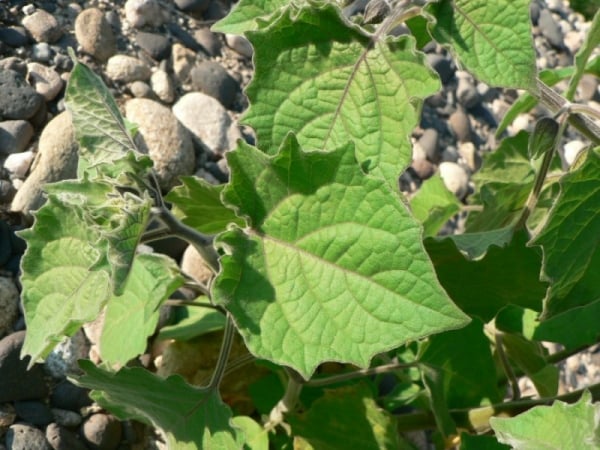
Cape gooseberry
Physalis peruviana
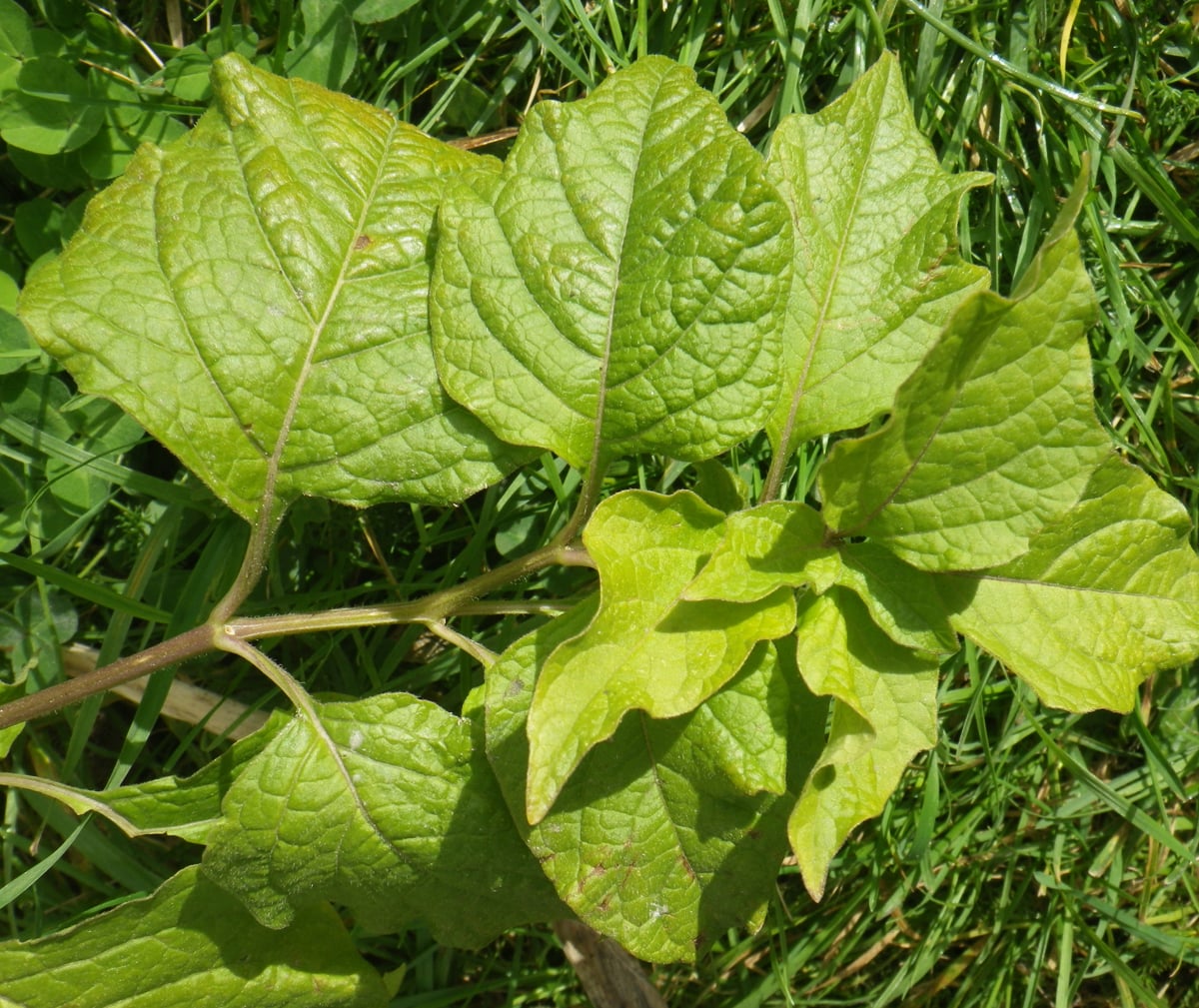
Chinese lantern
Physalis alkekengi
Chinese lantern (Physalis alkekengi) has a bright orange-red calyx and a fruit that is barely edible raw; Cape gooseberry has a yellowish-brown calyx and a sweet fruit grown for eating.
🌿 Other Solanaceae to discover
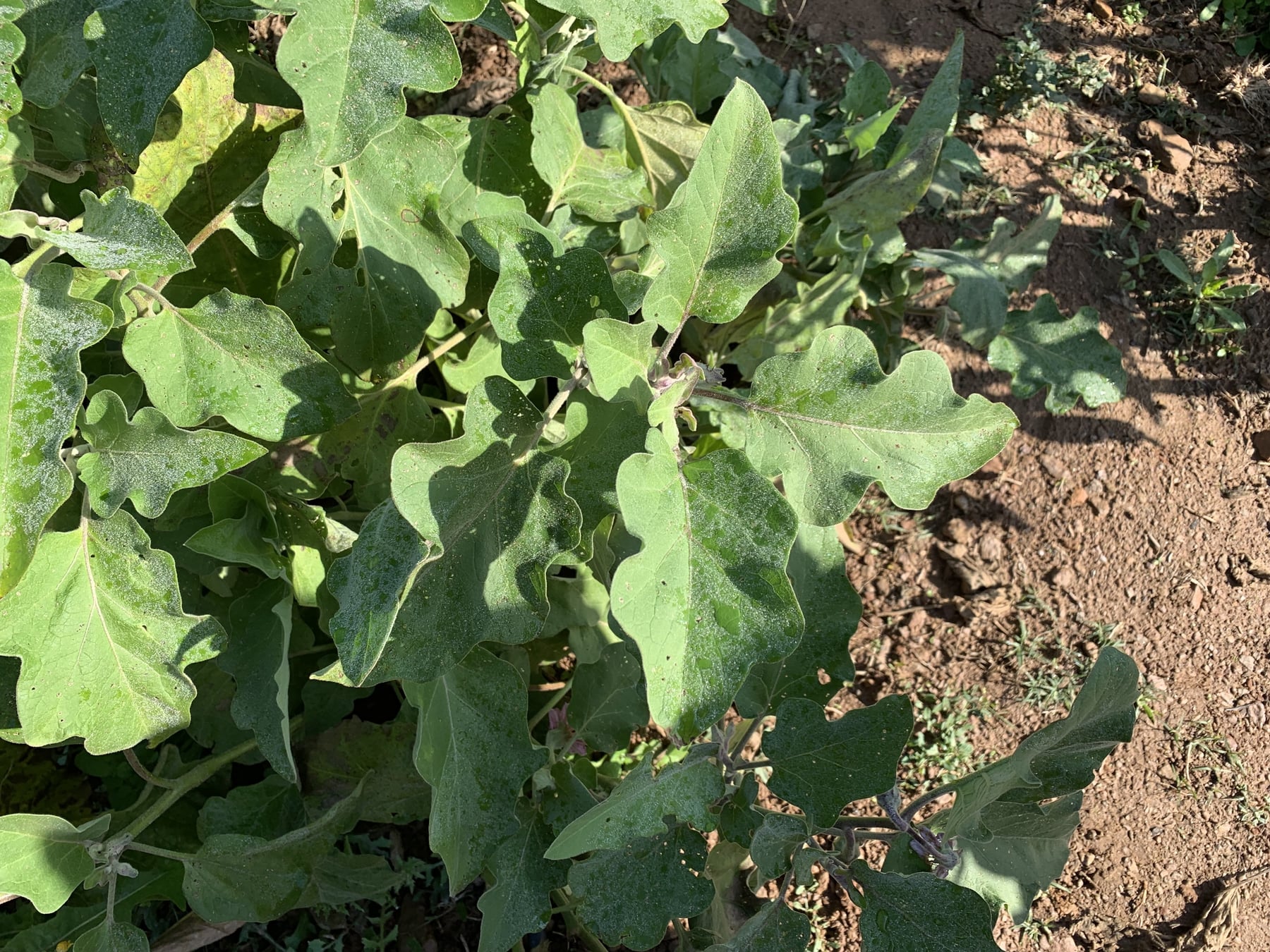

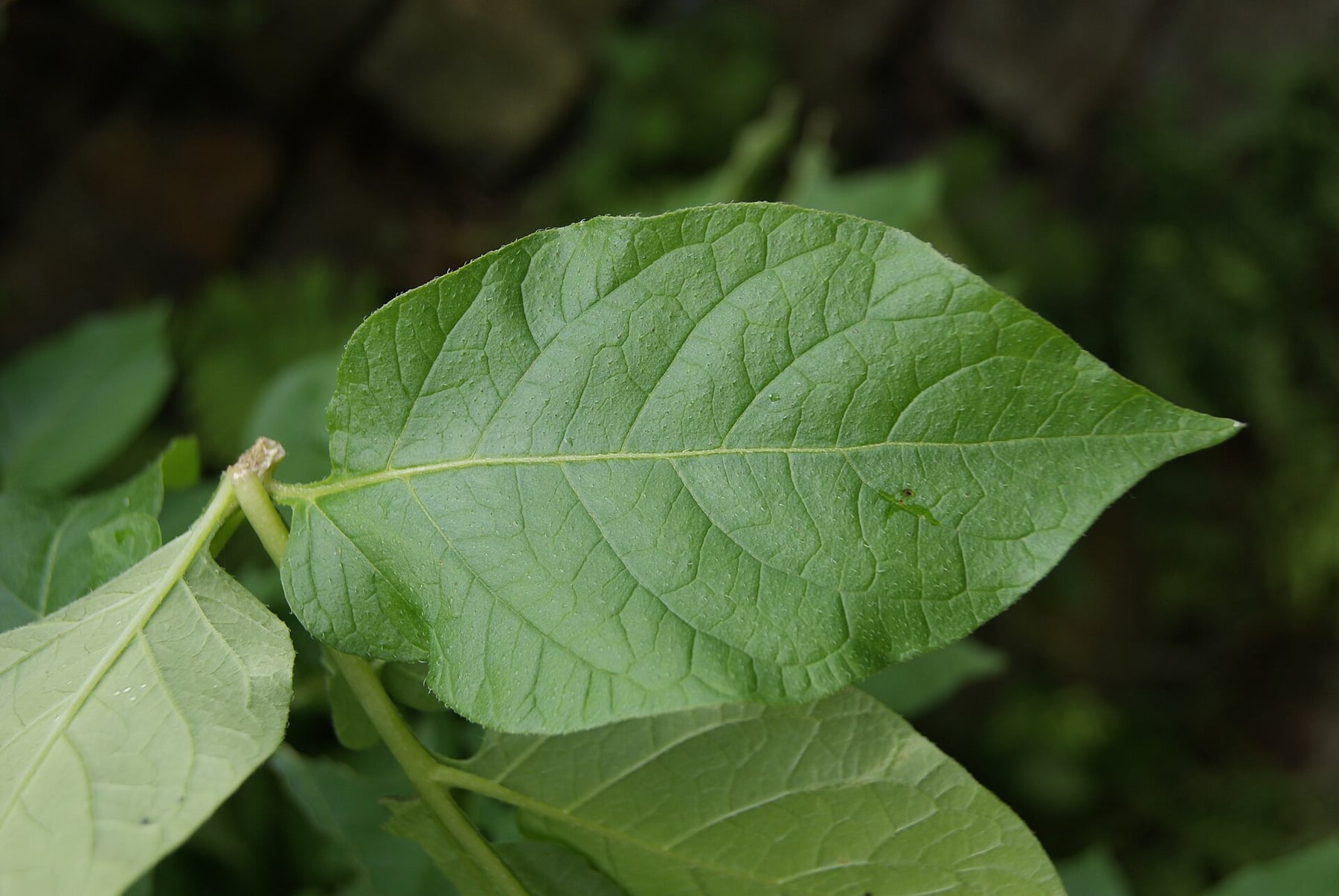
ℹ️ Educational profile — do not use it to judge whether a plant is edible or safe.
🌱 This database is constantly evolving — species and information are added and corrected regularly. Spotted a mistake? Report it below.
© Floraneo — profile content is protected; reproduction without permission is prohibited. Photos remain under their own licence (see the credit shown on each photo).